
Table of Contents
In the world of traditional herbal medicine, few roots are as revered as Astragalus (Astragalus membranaceus). For thousands of years, it has been a cornerstone of Traditional Chinese Medicine (TCM), celebrated for its powerful adaptogenic and immune-supporting properties. Known in Mandarin as Huang Qi, which translates literally to “yellow leader,” this humble leguminous perennial has earned its reputation across more than two millennia of continuous clinical and culinary use throughout East Asia. Practitioners of TCM have long classified it as a premier Qi-tonifying herb, valued for its ability to fortify what classical texts describe as the body’s defensive energy and to support resilience during periods of physical, emotional, and environmental stress. Modern phytochemical research has begun to illuminate the mechanisms behind these traditional claims, identifying a sophisticated array of saponins, polysaccharides, and flavonoids that interact with human physiology in nuanced and measurable ways. If you’re looking to effortlessly incorporate its remarkable benefits into your daily routine, choosing high-quality organic Astragalus is essential. The difference between a conventionally grown root and a certified organic one is not merely a matter of labeling; it reflects a chain of cultivation, harvest, and processing decisions that ultimately determine the purity, potency, and safety of the final product you bring into your home. For formulators, herbalists, and wellness-minded households alike, this single sourcing decision shapes everything that follows.
Whether you’re interested in the traditional form of organic Astragalus root slices, the concentrated power of organic Astragalus extract, or the versatility of organic Astragalus root powder, this guide will walk you through what truly matters when making your selection. Each of these preparations derives from the same remarkable botanical source, yet they differ dramatically in how they are processed, how their active constituents are concentrated, and how they fit into the rhythm of daily life. Root slices preserve the herb in its closest-to-nature state, offering a slow, gentle extraction that honors centuries of culinary and medicinal tradition. Powdered whole root delivers everyday convenience without sacrificing the full spectrum of naturally occurring compounds. Extract powder, by contrast, represents the cutting edge of herbal standardization, isolating and amplifying the specific molecules that research has linked to the herb’s most sought-after effects. Understanding these distinctions is the first step toward making a confident, informed purchase that aligns with your personal wellness goals, your production requirements, and your standards for clean, transparent sourcing.
What Makes Astragalus a Wellness Powerhouse? The Key Compounds
Astragalus is rich in a variety of beneficial compounds that contribute to its healing properties. What makes this root particularly compelling to contemporary researchers is the synergy between these compounds: rather than acting through a single isolated pathway, the various constituents appear to support one another, producing effects that are greater than the sum of their individual parts. This complexity is precisely why whole-plant preparations have remained relevant even as the broader supplement industry has moved toward isolated single molecules. The following groups of compounds form the biochemical foundation of Astragalus’s reputation, and understanding them will help you evaluate product quality, compare supplier specifications, and choose the form that best serves your needs. A trustworthy product will disclose not only that these compounds are present but also the relative concentrations that indicate genuine potency.
- Astragalosides: These are the key active saponins in Astragalus, widely studied for their potential to support the immune system, promote healthy aging, and protect cellular function. Among the many subtypes, astragaloside IV is the most frequently referenced marker compound in scientific literature and is often used as a reference point for assessing extract quality. Researchers have investigated its role in supporting normal inflammatory response, cardiovascular comfort, and the body’s natural antioxidant defenses. Because astragaloside content varies with growing region, harvest timing, and processing method, its measured concentration is one of the clearest indicators of a carefully produced botanical ingredient.
- Polysaccharides: Complex carbohydrates that are also known to have immune-modulating effects. These long-chain sugar molecules, particularly the fraction known as astragalan, are believed to interact with immune cells in ways that help the body maintain balanced, adaptive responses rather thansimply overstimulating them. They also contribute to the herb’s mildly sweet taste and its soothing quality when prepared as a decoction. For manufacturers developing functional foods or beverages, the polysaccharide content is a valuable specification because it influences both the physiological profile and the sensory character of the finished product.
- Flavonoids: Powerful antioxidants that help combat oxidative stress and inflammation. Compounds such as calycosin, formononetin, and quercetin derivatives lend Astragalus its characteristic phytochemical fingerprint and are frequently measured during quality control to confirm botanical identity. By helping neutralize free radicals generated by everyday metabolism and environmental exposure, these plant metabolites support the body’s long-term cellular maintenance. A product that can document meaningful flavonoid levels demonstrates both authentic raw material and careful handling from harvest through final packaging.
Choosing organic Astragalus is non-negotiable. It ensures you’re consuming a pure, unadulterated product, free from the very things you’re trying to defend your body against: synthetic pesticides, herbicides, and GMOs. Beyond the absence of contaminants, organic cultivation tends to produce roots with a more robust phytochemical profile, because plants grown without synthetic inputs must rely on their own natural defense chemistry, which is precisely the chemistry we value. Furthermore, organic certification imposes traceability and documentation requirements that hold suppliers accountable for everything from soil health to processing hygiene. For a product you intend to consume or formulate with regularly, this level of assurance is not a luxury; it is a baseline expectation that protects both the people who use the herb and the brands that put their name on the label.
Understanding Your Options: Slices vs. Powder vs. Extract
Each form of organic Astragalus offers distinct benefits and applications, catering to different preferences and needs. Your choice should be guided by practical considerations such as how much time you want to invest in preparation, the intensity of the effect you are seeking, and the way you prefer to integrate herbs into your diet or product line. There is no single correct answer; rather, the right form is the one that you will actually use consistently and that meets your specifications for potency and convenience. In the sections that follow, we examine each preparation in detail, describing not only what it is made of but also how to recognize a genuinely high-quality version on the shelf and how to avoid the common pitfalls that separate premium material from commodity stock.
1. Organic Astragalus Root Slices (Traditional Whole Herb):
- What it is: The whole, dried root of the Astragalus plant, sliced for easy use. After harvest, the roots are typically cleaned, trimmed of lateral fibers, and cut into uniform pieces that maximize surface area for extraction while remaining easy to measure and store. This minimally processed format retains the entire natural architecture of the root, including the fibrous and starch-rich tissues that together carry the plant’s full complement of compounds. For buyers who value transparency, slices offer a tangible advantage: you can see, smell, and even snap the material to judge its freshness in a way that is impossible with a finished powder.
- Benefits: Offers a holistic, whole-herb approach. This is the traditional way to use Astragalus in TCM, often simmered in broths, soups, or teas to release its active compounds. It’s a gentle, nourishing way to consume the herb over time. Because the compounds are extracted slowly through heat and water, the resulting infusion tends to be well tolerated and easy to enjoy daily. Many families keep a jar of slices on hand specifically for long-simmered stocks, where the root contributes both subtle sweetness and a valued tonic dimension to the pot. From a formulation standpoint, slices also allow you to control extraction strength precisely by adjusting simmering time and quantity.
- Ideal for: Culinary use, making your own herbal teas or decoctions, or adding to slow-cooked dishes. Home cooks appreciate slices for their forgiving nature and their ability to infuse flavor without turning a dish bitter, while herbalists value them for preparing traditional decoctions where the full root is desired. They are also an excellent entry point for anyone new to Astragalus, since the preparation ritual itself encourages a slower, more mindful relationship with the herb. For small-batch manufacturers, slices can be packaged as a premium whole-food ingredient with strong storytelling appeal rooted in authentic tradition.
- Things to Look For:
- Appearance: High-quality Astragalus slices should be thick, firm, and have a pale yellowish-white color inside. Avoid thin, shriveled, or dark-colored slices. The cut surface should appear moist and fresh rather than chalky, and the slice should show a fine, even ring structure when held to the light. Uniform thickness is a good sign of careful processing, because it indicates consistent drying and makes dosing more predictable for both culinary and therapeutic use.
- Texture & Purity: The slices should be clean, without a woody texture or extraneous dirt. A premium slice snaps with a slight resistance rather than crumbling into dust, and it should be free of foreign matter such as soil clumps, insects, or stem fragments. Reputable suppliers will have sorted and graded the material, so what reaches you is the root proper and nothing else. This attention to cleanliness reduces the need for additional washing and gives you confidence in the hygiene of the source facility.
- Freshness: They should have a mild, slightly sweet, earthy aroma, not a musty or stale smell. Any hint of mold, fermentation, or damp cardboard suggests improper storage and potential loss of active compounds. When you open a fresh pouch, the scent should be pleasant and faintly legume-like; that aroma is itself a reassuring quality signal that the material has been handled and sealed correctly from the moment it left the drying room.
2. Organic Astragalus Root Powder (Versatile & Convenient):
- What it is: The dried Astragalus root, finely ground into a powder. This format takes the whole root and renders it into a form that disperses readily, measures precisely, and blends into almost any recipe without the texture of chopped or sliced material. Because it is simply the ground whole root, it preserves the natural ratio of compounds found in the plant, making it a true whole-food ingredient rather than a fractionated extract. For formulators, this means predictable, full-spectrum inclusion in capsules, tablets, and functional blends.
- Benefits: Provides the full spectrum of compounds from the whole root in a convenient form. It’s easy to add to smoothies, capsules, or teas without the need for simmering. The powder dissolves or suspends easily in warm liquids and incorporates smoothly into baked goods, protein blends, and herbal coffee alternatives. Unlike slices, which require time and heat to extract, powder is ready the moment you measure it, which makes daily consistency far easier to maintain. It also travels well, stores compactly, and eliminates the preparation step that discourages some people from using the herb at all.
- Ideal for: Blending into beverages, encapsulating yourself for a quick dose, or mixing into food for a subtle flavor. Athletes, busy professionals, and anyone building a daily wellness ritual often prefer powder because it disappears into a morning shake or a cup of tea with minimal effort. Small brands appreciate that powder can be private-labeled or used as a base ingredient with consistent particle size and flow properties. Its neutral, mildly earthy taste also means it rarely competes with other flavors in a finished product.
- Things to Look For:
- Color: A high-quality powder should be a light, pale beige or tan color. Avoid dark brown powders, which may indicate improper processing or old stock. A dull, greyish, or overly dark shade can signal oxidation, over-roasting, or contamination with lower-grade material. The most trustworthy powders are uniformly colored with no speckling from foreign particles, and they should be produced from the same grade of root you would accept in slice form.
- Purity: The ingredient list should be just “organic Astragalus root powder” with no fillers or additives. Be wary of products that list maltodextrin, anti-caking agents, or proprietary blends alongside the herb, because these dilute the active content and obscure what you are actually buying. A clean single-ingredient label is the clearest evidence that you are getting the herb itself, processed with nothing added and nothing removed except moisture.
- Freshness: It should have a mild, earthy scent. A sour, rancid, or chemical odor points to degradation or adulteration, while a bright, clean aroma indicates proper drying and sealed storage. Because powder has more surface area exposed to air than slices, freshness depends heavily on rapid processing and airtight packaging, so always check that the supplier can speak to both when you evaluate a lot.
3. Organic Astragalus Extract Powder (Concentrated Potency):
- What it is: The most potent form, created by using a hot water or alcohol extraction process to isolate and concentrate the key active compounds, especially astragalosides and polysaccharides. The liquid extract is then dried into a powder. This approach deliberately sets aside the inert plant material and captures the fraction with the highest biological activity, yielding a finished ingredient that is dramatically more concentrated by weight than the raw root. For applications where dose volume matters or where a standardized marker is required, extract powder is usually the most efficient and scientifically defensible choice.
- Benefits: Delivers a significantly higher and more consistent dose of the most bioavailable compounds compared to the whole herb. This is ideal for therapeutic use. Because the extraction standardizes the active fraction, each serving delivers a predictable amount of target compounds, which is exactly what clinical and product-development settings demand. The concentrated format also reduces the bulk a user must consume to achieve a meaningful intake, making it practical for capsules, tinctures, and single-serve stick packs where space and precision are at a premium.
- Ideal for: Those seeking maximum potency for targeted health benefits, or for mixing into beverages when a strong dose is needed without consuming a large volume. Formulators building high-performance supplements often choose extract because it lets them hit a precise spec on the label while keeping tablet or capsule size reasonable. It is also well suited to functional beverages and shots, where a small amount of powder must deliver a clearly communicated level of active compounds without altering taste or texture.
- Things to Look For:
- Extraction Ratio: Look for the ratio on the label (e.g., “10:1 extract”). This means 10 parts of the raw root were used to create 1 part of the finished extract, indicating concentration. A clearly stated ratio tells you how much raw material went into each gram and helps you compare products on a like-for-like basis. Keep in mind that ratio alone does not guarantee activity, so pair it with marker specifications whenever possible to confirm you are getting real concentration rather than simply dehydrated material.
- Standardization: Some high-quality extracts are standardized to a specific percentage of active compounds (e.g., “standardized to 0.5% Astragalosides”). This is the gold standard for potency and consistency. Standardization means the producer has tested and adjusted the batch so that every lot delivers the same quantified level of the target molecule, removing much of the natural variability that comes with growing conditions. For anyone formulating a product with a claim, a standardized extract provides the documentation and reproducibility that regulatory and quality teams require.
- Solubility: A good extract powder should dissolve easily in hot water, indicating proper processing. Poor dispersion, clumping, or a gritty insoluble residue can signal incomplete extraction or the presence of filler. When you test a sample, a clean, relatively swift solution with minimal sediment is a strong practical indicator that the material was produced with care and is suitable for both beverage and encapsulation applications.
Your Smart Shopping Checklist: What to Look For (Regardless of Form)
When you’re ready to select your organic Astragalus, keep these critical factors in mind. The marketplace for botanical supplements is crowded and inconsistently regulated, which means the responsibility for due diligence ultimately falls on the buyer. The three considerations below apply no matter which form you choose, and together they form a reliable filter that separates trustworthy products from those that cut corners. Treating them as a non-negotiable minimum will save you both money and disappointment, and it will give you the confidence to use the herb daily without second-guessing its origin.
- Always Verify “Organic” Certification:
- Why it Matters: This is your strongest guarantee of purity and quality. It ensures the herb was grown organically and processed according to strict organic standards. Certification requires documented practices for soil management, pest control, and post-harvest handling, and it subjects the operation to periodic third-party audits. In a global supply chain where claims are easy to make and hard to police, an accredited certificate is the most practical proof that the words on the package reflect reality in the field.
- Look For: Clearly displayed organic certification logos (like USDA Organic, EU Organic, or if applicable) prominently on the packaging. Trusted suppliers also publish their certification numbers and the name of the certifying body, which you can verify independently if you wish to confirm the claim. A lot code and a verifiable certificate of analysis displayed alongside the logo further demonstrate that the brand stands behind its sourcing rather than hiding behind a generic stamp.
- Examine the Source and Part of the Plant:
- Why it Matters: The root is the primary part of the plant used for its medicinal properties. The source can also influence quality. Growing region, altitude, soil composition, and harvest age all shape the concentration of active compounds, so a root grown and dug under optimal conditions will outperform one rushed to market. Knowing the botanical origin also protects you from substitution with closely related but less studied Astragalus species that may look similar yet differ in profile.
- Look For: Labels that specify “Astragalus root” and ideally the species (Astragalus membranaceus). Reputable suppliers will state the Latin binomial, the country of origin, and often the harvest season, because transparency at this level is a hallmark of serious sourcing. When a vendor is vague about species or part, that ambiguity itself is a reason to look elsewhere, since you cannot formulate or consume responsibly what you cannot clearly identify.
- Review Packaging and Storage:
- Why it Matters: Light, air, and moisture can degrade the potency of the herb. Even a perfectly grown and processed root loses value if it sits in a clear bag on a sunny shelf, because exposure accelerates the breakdown of sensitive compounds and invites microbial growth. Thoughtful packaging is therefore not marketing; it is an extension of quality control that protects the investment you made at the point of purchase.
- Look For: Airtight, opaque, and resealable packaging (e.g., dark pouches or opaque jars). Store in a cool, dark, dry place once opened to maintain freshness. The best suppliers ship in low-oxygen or nitrogen-flushed environments for powders and extracts, because limiting contact with air during transit preserves both aroma and activity. Pair that with your own disciplined storage and the material will retain its character for the full duration of its shelf life.
By applying these practical tips, you’ll be well-equipped to select a premium organic Astragalus product that not only meets your dietary needs but also supports your commitment to natural health and vitality. The effort you invest in understanding sourcing, processing, and certification pays dividends every time you reach for the jar, because you can do so with complete confidence in what you are putting into your body. Quality herbal medicine is never accidental; it is the result of deliberate choices made at every stage from seed to shelf, and the buyer who asks the right questions is the one who consistently ends up with the better material.
How will you harness the pure, ancient power of Astragalus today? Whether you begin with a slow-simmered broth, a morning scoop of root powder, or a measured dose of standardized extract, the most important step is simply to start with a product you trust. Your wellness journey is uniquely your own, and the right Astragalus preparation is the one that fits seamlessly into the life you already live. Explore the options, compare specifications with confidence, and let this remarkable root become a quiet, dependable ally in your everyday routine.
Recommended Products
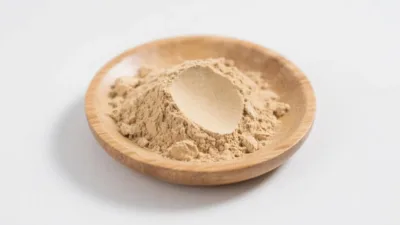
Organic Astragalus Root Powder
Produced by fine-grinding air-dried astragalus roots to 80–100 mesh, it delivers the complete plant…

Organic Astragalus Extract Powder
Produced via water-ethanol extraction at a 4:1–10:1 concentration ratio, this fine powder delivers ≥50%…

Astragalus Root Slices
Unlike single-molecule adaptogens, astragalus works through the full polysaccharide matrix — making a whole-root…
Related Posts


