
Table of Contents
What is Mannooligosaccharides Powder?
Mannooligosaccharides (MOS) is a high-performance prebiotic fiber derived from the cell walls of yeast (Saccharomyces cerevisiae) or plant-based sources. Unlike standard fibers that simply provide bulk, MOS acts as a sophisticated functional ingredient. It is designed for selective prebiotic activity and pathogen-binding functionality. For brands focusing on immunity, digestive health, and clean-label “gut-first” nutrition, MOS is a premier choice.
While other prebiotics like FOS or GOS primarily act as “food” for bacteria, MOS adds an extra layer of functionality through its pathogen-binding mechanism. It is an ideal solution for vegan, non-GMO, functional beverages, and animal health products.
What is MOS’s “Pathogen Binding” mechanism?
Mannooligosaccharides’ pathogen-binding functionality derives from its unique molecular structure. Many harmful bacteria (like E. coli and Salmonella) use mannose-specific fimbriae (hair-like hooks) to attach to the intestinal lining.
When MOS is present in the digestive tract, these pathogens mistakenly bind to the MOS molecules instead of the gut wall. This “decoy” mechanism is the basis of MOS’s positioning in immune and digestive health formulations.
What are the Technical Specifications of our MOS?
We provide a highly purified grade of MOS that ensures maximum bioactivity and stability in various manufacturing environments.
| Attribute | Specification Details |
|---|---|
| Common Names | MOS, Mannan-oligosaccharides, Glucomannan-oligosaccharides |
| Source | Yeast Cell Wall (Saccharomyces cerevisiae) |
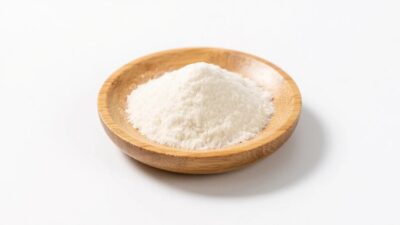
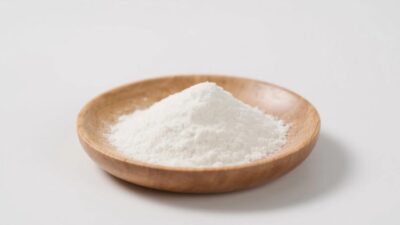
| Appearance | Fine, off-white to light yellow powder |
| MOS Content | ≥ 90% (Custom concentrations available) |
| Solubility | Highly soluble in water; forms a clear to slightly opaque solution |
| pH Stability | Stable in a range of 3.0 to 7.0 |
| Heat Stability | Maintains integrity up to 120°C (248°F) |
| Dietary Suitability | Vegan, Gluten-Free, Non-GMO, Paleo-Friendly |
How does MOS enhance functional formulations?
MOS provides multiple layers of functionality that go beyond simple fiber supplementation:
- Selective Prebiotic Effect: It is selectively utilized by Lactobacillus and Bifidobacterium species.
- Formulation Positioning: MOS’s GALT-interaction profile provides the ingredient story for immune-health product line positioning.
- Superior Stability: It is highly resistant to stomach acid and digestive enzymes, ensuring it reaches the lower intestine fully intact where it is needed most.
- Flavor Profile: It has a neutral, slightly sweet, or “yeasty” savory profile that complements protein powders, meal replacements, and functional broths perfectly.
How to Use: Practical Guidance for Formulators
Mannooligosaccharides is easy to work with, but precise dosing ensures the best functional outcome:
- In Dietary Supplements: For capsules or tablets, a dosage of 500mg to 1,500mg per day is the standard range in immune and digestive product formats.
- In Functional Beverages: Add 1g to 3g per serving. It dissolves well in smoothies, juices, and “gut shots.” Due to its heat stability, it can also be added to hot coffee or tea.
- In Pet and Animal Nutrition: MOS is a superstar in pet food. Use at a rate of 1kg to 2kg per ton of feed.
- Synergy Tip: Combine MOS with Probiotics (like Bacillus coagulans) to create a powerful “synbiotic” product that both provides beneficial bacteria and protects the environment they live in.
FAQ
Q: Is MOS a “FODMAP” ingredient?
A: Actually, MOS is generally better tolerated than many other oligosaccharides. Because it is not rapidly fermented in the upper small intestine, it is often a preferred choice for “gut-friendly” or low-FODMAP-style positioning compared to high doses of Inulin or FOS.
Q: Does MOS contain yeast allergens?
A: While derived from yeast cell walls, the purification process removes most of the proteinaceous material that causes yeast allergies. However, we provide full specification sheets to help you determine if it meets your specific “yeast-free” or “allergen-sensitive” labeling requirements.
Q: How does the “Pathogen Binding” benefit my marketing?
A: In a B2B context, this allows you to market your product not just as “fiber,” but as “active defense.” It moves your product from a passive nutritional supplement to an active functional tool for immune and digestive resilience.
Q: Can I use MOS in high-heat baking?
A: Yes. MOS is incredibly heat-stable. It can survive the extrusion process for bars or the high temperatures of commercial baking without losing its prebiotic structure.
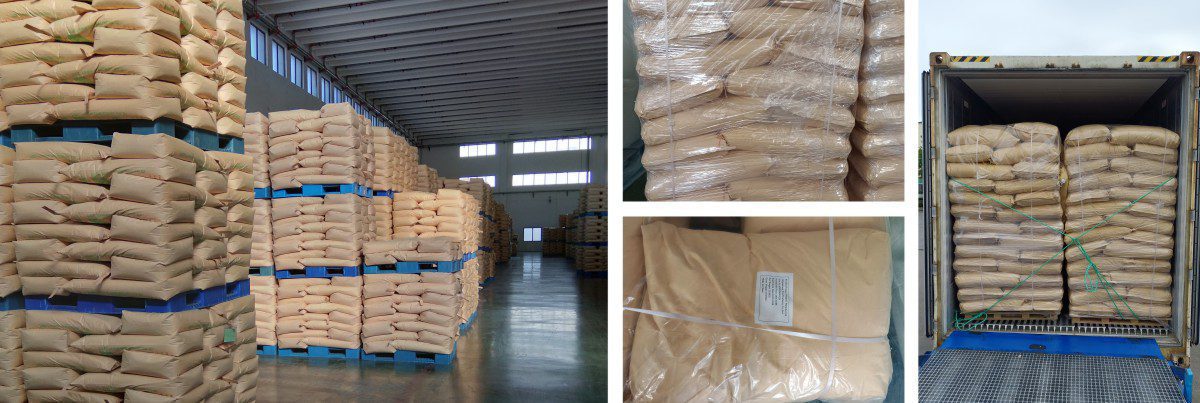
Packing