
Table of Contents
Astragalus extract is extracted from Astragalus membranaceus, which is a kind of Chinese herbal medicine, and its roots are often used for pharmaceuticals, research, etc.; Astragalus extract is taken orally for seasonal allergies, heart failure, diabetes and to strengthen and regulate the immune system; Some people use astragalus extract as a general tonic to protect the liver and fight bacteria and viruses; it is also used to prevent and reduce side effects related to cancer treatment; and astragalus extract is usually used together with other Chinese herbal medicines to achieve better Good results. The botanical source, Astragalus membranaceus (also known by its Chinese name Huang Qi), is a perennial legume native to the northern provinces of China, Mongolia, and parts of Korea, where it grows wild on sunny grassland slopes and is cultivated commercially for its sweet, fibrous root. Traditional practitioners have valued the root for more than two thousand years, harvesting four-to-seven-year-old plants in spring or autumn, slicing the dried root, and then processing it into decoctions, powders, or modern standardized extracts. Today the extract is produced by concentrating the active fractions of the root, principally the saponins known as astragalosides, the polysaccharides, and the flavonoids, into a fine, free-flowing powder that is far more convenient and dose-precise than raw root slices. Because the powdered extract dissolves readily and carries a consistent marker profile, manufacturers and formulators favor it for capsules, tablets, functional beverages, and blended herbal formulas. When you choose a supply, look for a material that states its botanical origin, country of harvest, extraction solvent, and active-marker percentage, since these details determine both safety and efficacy. At organic-way.com we focus on traceable, lab-verified botanical ingredients so that formulators and end consumers can use astragalus extract with confidence, knowing exactly what is in the package and how it was produced.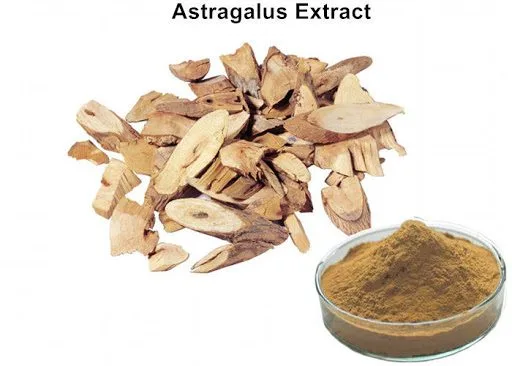
Efficacy and effects of astragalus extract
1. Reduce the side effects of chemotherapy. Astragalus extract given intravenously (intravenous), or using a mixture containing astragalus extract can reduce nausea, vomiting, diarrhea, and bone marrow suppression associated with chemotherapy. In clinical observation, patients who receive an astragalus-containing regimen alongside conventional cytotoxic drugs often report a milder burden of gastrointestinal distress, which can make it easier to maintain body weight and nutritional intake during treatment. Bone marrow suppression, the dangerous drop in white cells, red cells, and platelets that leaves patients vulnerable to infection and fatigue, appears to be partly cushioned by the extract’s supportive effect on hematopoietic activity. Researchers hypothesize that the polysaccharides in the root help stimulate the production and maturation of blood-forming cells, while the astragalosides contribute an antioxidant shield that protects healthy tissue from the oxidative fallout of chemotherapy. It is important to note that astragalus is positioned as a complementary support and never as a replacement for oncology protocols; any use during cancer care must be discussed with the treating physician so that it does not interfere with prescribed drugs or timing. Used responsibly, the extract can be a valuable part of a broader strategy to help patients tolerate demanding treatment cycles with fewer interruptions.
2. Diabetes. Early research suggests that astragalus extract and another Chinese medicine taken orally as a combination product may help control blood sugar and insulin levels in diabetic patients. The interest here centers on the extract’s ability to influence glucose metabolism at several levels: it appears to encourage peripheral tissues to take up glucose more efficiently, to moderate the rate at which the liver releases stored sugar, and to protect the insulin-producing beta cells of the pancreas from inflammatory and oxidative damage. For people managing type 2 diabetes, these combined actions can translate into smoother post-meal blood sugar curves and a reduced sense of energy crash. Combination products in the published studies typically pair astragalus with a second botanical or nutrient, which complicates the picture because the benefit cannot be attributed to a single ingredient with certainty. Still, the consistent direction of the findings makes astragalus a frequent component of traditional and modern blood-sugar support blends. Anyone using hypoglycemic medication should monitor levels carefully and keep their healthcare provider informed, because adding a glucose-lowering botanical could, in principle, require an adjustment of conventional dosing to avoid lows.
3. Seasonal allergies. Taking a specific product containing 160 mg of astragalus root extract orally every day for 3-6 weeks can improve the symptoms of runny nose, itching and sneezing in patients with seasonal allergies. The mechanism most often cited is immunomodulation: rather than simply blocking histamine like a conventional antihistamine, astragalus appears to nudge a dysregulated immune system back toward balance, calming the over-reactive Th2 response that drives the classic allergy cascade. Users commonly describe fewer bouts of sneezing, less nasal congestion, and reduced eye and throat irritation as the pollen season progresses. Because the effect builds gradually, the studied window of 3-6 weeks matters; somebody expecting instant relief on day one may be disappointed, whereas a person who begins the regimen a few weeks before peak pollen exposure is more likely to notice a meaningful difference. The 160 mg daily figure reflects a standardized preparation, so equivalent results depend on using a product of comparable strength and purity. For those who prefer a food-first approach, the same root has long been simmered into nourishing broths in East Asian kitchens, though the concentration achieved by a culinary simmer is far lower than that of a measured extract.
4. Irregular menstruation (amenorrhea). Early studies have shown that oral astragalus extract can help improve the regularity of menstrual cycles in women with irregular menstruation. In traditional practice the root is classified as a tonic for qi, the vital energy thought to underpin healthy function of the uterus and endocrine system, and modern investigators are beginning to map how its constituents might support the hypothalamic-pituitary-ovarian axis that governs the cycle. Women who experience skipped or widely spaced periods sometimes find that a course of the extract, taken consistently, helps restore a more predictable rhythm, likely through a combination of reduced stress-related cortisol interference and improved microcirculation to reproductive tissues. These are early findings rather than settled conclusions, and cycle irregularity can signal underlying conditions such as thyroid disorder or polycystic ovary syndrome that warrant proper medical evaluation. Astragalus should therefore be viewed as a supportive botanical aid within a wider picture of hormonal health, not a standalone fix, and women who are trying to conceive or who have diagnosed reproductive conditions should consult a qualified practitioner before use.
5. Chest pain (angina pectoris). Taking 20 grams of astragalus extract three times a day for 2 weeks can improve the heart function of patients with chest pain. Angina arises when the heart muscle briefly receives too little oxygen-rich blood, usually because coronary arteries are narrowed, and the resulting pain is a warning signal that the heart is under strain. In the studied regimen, a substantial daily amount of the extract was given across three divided doses, and measured improvements in cardiac function suggest the root may help the heart work more efficiently for a given oxygen supply, possibly by supporting vasodilation and easing the metabolic stress of ischemic tissue. Two weeks is a short observation window, so the result points to symptomatic and functional support rather than a cure for the arterial disease itself. People who experience chest pain should treat it as a medical priority and seek evaluation, because angina can precede a heart attack; adding a botanical supplement without addressing the underlying cardiovascular disease would be unsafe. Within that medical framework, however, astragalus has a long traditional reputation as a heart-tonifying herb worth exploring under supervision.
6. The bone marrow lacks new blood cells (aplastic anemia). Through people’s research, intravenous injection of astragalus extract and steroid Stanozolol can improve symptoms and blood cell counts, not just the use of steroids alone in patients with aplastic anemia. Aplastic anemia is a serious condition in which the bone marrow fails to produce enough red cells, white cells, and platelets, leaving patients anemic, infection-prone, and at risk of bleeding; standard therapy often includes immunosuppressive drugs such as the anabolic steroid Stanozolol. The combination described in the research added intravenous astragalus to that steroid backbone and reported better rises in blood cell counts than steroid alone, hinting that the extract’s hematopoietic and immune-modulating actions may complement the pharmaceutical approach. This is a hospital-level, physician-directed application and is not something to attempt with over-the-counter powder at home. The takeaway for a general reader is simply that the bone-marrow supportive tradition of astragalus, long noted in herbal medicine, is now being examined in rigorous combinations for severe hematologic disease, an area where careful clinical guidance is non-negotiable.
7. Asthma. People who took astragalus extract, Cordyceps extract, Shouwu, Chuan Fritillaria, and Scutellaria scutellaria extract combination significantly improved their asthma symptoms after 3 months. Asthma is a chronic airway condition marked by inflammation, reversible narrowing, and episodes of wheezing and breathlessness, and managing it usually means controlling underlying inflammation rather than only relieving attacks. The multi-herb formula studied here pairs astragalus with other traditionally used respiratory botanicals, and after a full three-month course patients reported meaningful symptom relief, suggesting that a sustained, balanced herbal program may help quiet the allergic and inflammatory drivers of airway hyper-reactivity. Because this was a combination rather than astragalus alone, the individual contribution of each herb cannot be isolated, and asthma remains a condition that demands a proper medical action plan, including rescue medication for acute attacks. Still, the study adds to a growing body of work exploring how traditional botanical blends might serve as supportive companions to conventional inhaler therapy for people whose symptoms are partly driven by immune imbalance.
8. Chronic fatigue syndrome: Some products containing extracts of astragalus can reduce the fatigue of patients with chronic fatigue syndrome. However, not all doses seem to be effective. In addition, it is not clear whether this benefit is attributable to the effects of astragalus extract. Chronic fatigue syndrome, also called myalgic encephalomyelitis, is a complex, debilitating state of profound exhaustion that is not relieved by rest and is often accompanied by cognitive fog, pain, and sleep disturbance. Theoretically, astragalus is well placed to help here because its traditional role as a qi tonic targets exactly the kind of deep tiredness and lowered resilience that sufferers describe, and its adaptogenic and mild immune-supporting actions may shore up depleted reserves. The mixed results across studies probably reflect differences in extract strength, dose, duration, and the highly variable nature of the syndrome itself, so a person should not expect a uniform response. Anyone exploring astragalus for fatigue should choose a standardized product, give it a fair multi-week trial, and track symptoms, while continuing to work with a clinician to rule out treatable causes such as anemia, thyroid dysfunction, or sleep apnea that could be driving the exhaustion.
9. Liver scar (cirrhosis). Early studies have shown that a combination of Astragalus and Salvia daily for up to 90 days may improve liver function in patients with cirrhosis. It is still too early to know if the improvement is due to astragalus, salvia or its combination. Cirrhosis is the late-stage scarring of the liver that replaces healthy tissue with fibrotic bands and impairs detoxification, protein synthesis, and bile flow; once established it is largely irreversible, which is why any signal of functional improvement draws attention. The paired botanicals, astragalus and salvia (Danshen), are classic partners in traditional liver-support formulas, with astragalus thought to nourish and protect while salvia moves blood and counters stagnation. Over a three-month course, measured markers of liver function trended upward, but because both herbs were given together the relative credit remains unknown, and ninety days is a short span against a slowly progressing disease. The responsible reading is that such botanical combinations are promising avenues for supportive care alongside, never instead of, the lifestyle and medical management that halts further damage, and that anyone with liver disease must be managed by a specialist who can monitor interactions with prescribed drugs.
10. Heart failure. Taking astragalus extract by mouth for up to 20 days can improve some symptoms of heart failure. However, some people said that compared with traditional medicine, astragalus extract seems to be less effective. Heart failure is a condition in which the heart cannot pump enough blood to meet the body’s needs, producing breathlessness, fluid retention, and fatigue; conventional therapy with diuretics, ACE inhibitors, and related drugs remains the proven foundation of treatment. Within that context, short courses of oral astragalus have been associated with modest gains in exercise tolerance and a lessening of subjective symptoms, effects traditionally explained by the root’s ability to strengthen heart qi and improve circulation. The honest caveat is that these improvements are generally smaller than those produced by standard pharmacological care, so the extract is best understood as a complementary support that may enhance wellbeing and daily capacity rather than as a substitute for evidence-based heart medication. Patients should never discontinue prescribed therapy, and any botanical addition should be cleared with the cardiology team to avoid clashes with drugs that affect fluid balance and blood pressure.
11. Diabetes. Taking astragalus extract by mouth for up to 4 months can improve fasting and postprandial blood sugar levels in diabetic patients. Oral astragalus extract seems to improve these results better than intravenous injection. Oral astragalus extract can also improve the effect of insulin on the body through the astragaloside I. This longer four-month oral window extends the shorter finding noted earlier and strengthens the case that consistent daily use is what moves the needle on glycemic control. Fasting glucose, the level after an overnight fast, and postprandial glucose, the peak after a meal, both trended lower, which together describe a more stable daily sugar profile and less metabolic turbulence. The observation that oral dosing outperformed intravenous is counterintuitive but useful, because it suggests the gut-mediated and slowly absorbed route may engage the body’s regulatory pathways more favorably than a rapid injection. Astragaloside I, one of the signature saponins of the root, is highlighted as a constituent that appears to sharpen insulin sensitivity, helping cells respond to the hormone rather than requiring more of it. As always, these benefits are supportive: diabetics must keep monitoring and coordinate with their provider, since improving insulin action could necessitate changes to medication to prevent hypoglycemia.
12. Vision problems in diabetic patients (retinopathy). This group of people taking health products containing astragalus extract for up to 10 months may improve the vision of some people with visual impairment. Diabetic retinopathy is a leading cause of vision loss in adults and develops when chronically high blood sugar damages the tiny vessels of the retina, eventually causing leakage, swelling, and abnormal new vessel growth. Because the damage accumulates over years, the studied support period is correspondingly long, up to ten months, reflecting the slow biology of the eye. Among those who took astragalus-containing products, a subset with impaired vision experienced measurable improvement, plausibly linked to the extract’s antioxidant protection of retinal microvessels and its general help in stabilizing blood sugar, the single biggest lever for slowing retinopathy. Improvement here means protection and sometimes partial recovery of function rather than a cure, and routine eye screening remains essential for anyone with diabetes. The practical message is that a botanical aid used consistently over many months may complement, but never replace, glycemic control and the regular ophthalmologic care that preserves sight.
Side effects of astragalus extract
Generally, whether it is astragalus powder or astragalus extract, we are relatively safe when using it; however, when taken orally, astragalus extract may cause skin rash, skin itching, nasal symptoms or stomach upset, dizziness or irregular heartbeat. However, these events are not common. For the large majority of healthy adults the root is well tolerated, and adverse reactions tend to be mild and self-limiting once use is paused. Skin manifestations such as a rash or itch, and respiratory signs like a runny or blocked nose, usually point to a sensitivity that resolves after discontinuation. Digestive complaints, including mild nausea or stomach discomfort, are the other commonly reported category and are often reduced by taking the extract with food rather than on an empty stomach. Dizziness or an irregular heartbeat is rarer and deserves prompt attention, since any change in cardiac rhythm should be evaluated to rule out an interaction with existing heart medication or an underlying condition. As with any supplement, starting at a lower amount and noting how the body responds is a sensible way to gauge personal tolerance, and anyone with a history of allergic reaction to legumes or related botanicals should be especially cautious given astragalus’s place in the pea family.
Special precautions and warnings for using Astragalus:
People who are pregnant and breastfeeding: Although there is no report that pregnant people have side effects due to the use of astragalus extracts, some animal research experiments have proved that astragalus extracts are toxic to animal fetuses. So in order to ensure safety, it should be avoided. The absence of documented human harm is not the same as proof of safety, and regulatory bodies reasonably advise erring on the side of caution when a substance shows fetal toxicity in animal models, because the early stages of pregnancy are precisely when developmental disruption carries the highest stakes. Breastfeeding is a similar gray zone: the extract’s active compounds can pass into maternal circulation and potentially into milk, and no robust study has established a safe threshold for the nursing infant. For these reasons the standard recommendation is to avoid astragalus supplements during pregnancy and while nursing, reserving them for a later stage when the exposure no longer reaches a developing child. Women who are planning pregnancy should also consider tapering off well before conception, and they should always raise any herbal use with their obstetric or midwifery team so that decisions rest on the fullest picture of risk and benefit.
Patients with autoimmune diseases such as multiple sclerosis, lupus, and rheumatoid arthritis should avoid using it: because astragalus extract may make the immune system more active, which may exacerbate the symptoms of autoimmune diseases. In these conditions the immune system mistakenly attacks the body’s own tissues, and the mainstay of treatment is often to dampen that overactivity with immunosuppressive or immunomodulating drugs. Because astragalus is prized precisely for its immune-enhancing and adaptogenic qualities, stimulating defender cells and cytokine activity, it could in theory push a already dysregulated response further off balance and trigger flares of joint pain, fatigue, skin lesions, or neurological symptoms. The same caution extends to people taking high-dose immunosuppressants after an organ transplant, where an unintended immune boost could threaten the survival of the graft. Anyone living with an autoimmune diagnosis or on immune-suppressing therapy should therefore treat astragalus as contraindicated unless a knowledgeable clinician explicitly approves a carefully monitored trial. For the broader population without such conditions, the immune-supporting nature of the extract is a benefit rather than a risk, which is why context and personal health history matter so much in deciding whether this traditional root belongs in a daily regimen.
Related Posts


