Table of Contents
What is Organic Malt Syrup?
Organic Malt Syrup (also labeled Organic Maltose Syrup or Malted Grain Extract) is produced by ORGANICWAY through the traditional malting and saccharification process: organic grain (barley, wheat, rye, or rice) is steeped, germinated under controlled conditions to produce active malt enzymes, and then mashed with water. The resulting mash is cooked and enzymatically converted, breaking down starches primarily into maltose (a disaccharide of two glucose units) along with higher oligosaccharides, dextrins, and glucose.
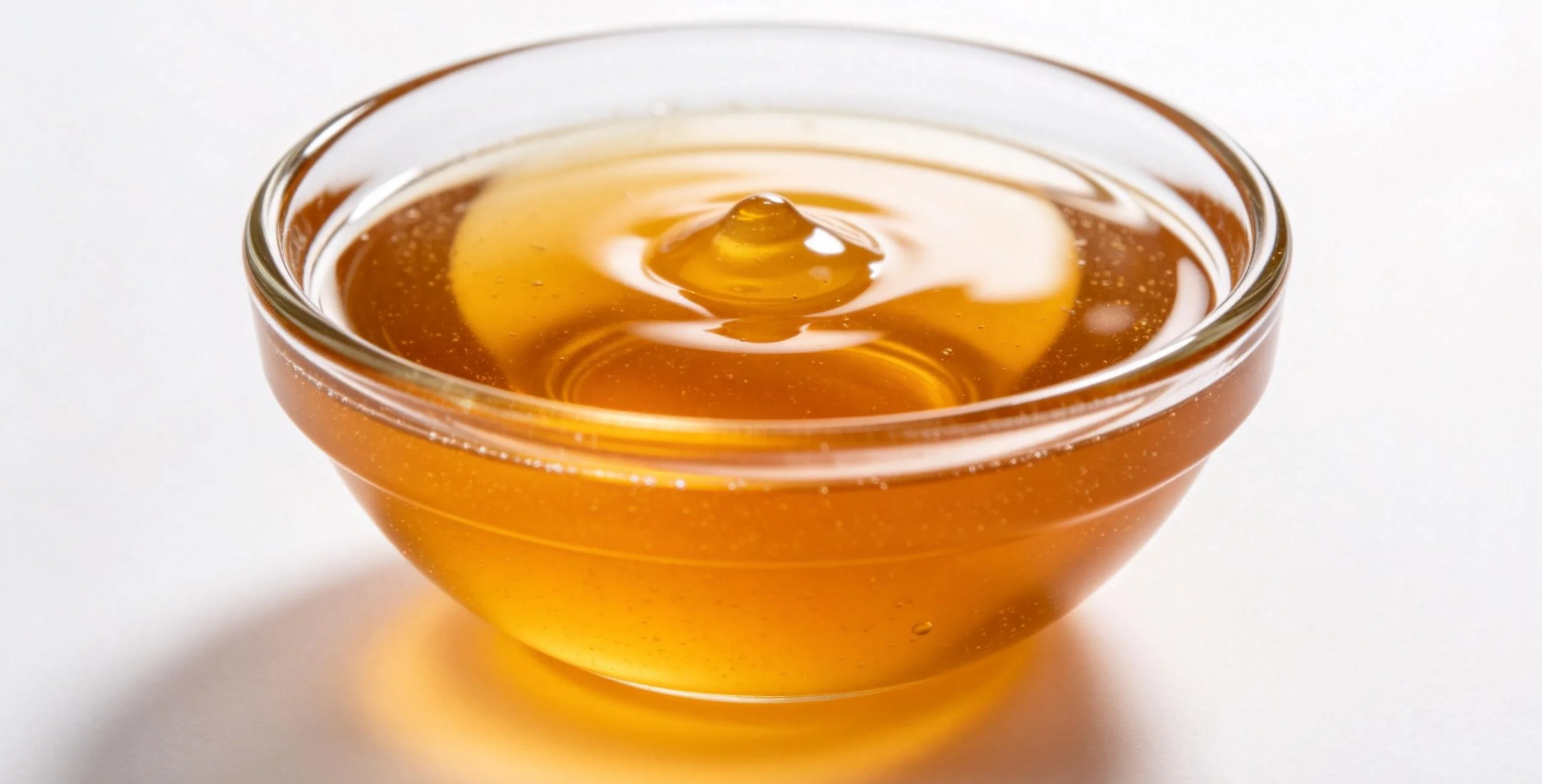
The syrup is then clarified, concentrated by evaporation to 78–80% Brix, and filled into food-grade containers. The result is a golden to amber-colored, viscous liquid with a characteristic rich malty aroma and flavor — a flavor profile that is distinctly different from corn syrup, glucose syrup, or cane sugar derivatives.
Maltose Content & Functional Properties
Maltose (C₁₂H₂₂O₁₁) is a disaccharide composed of two glucose units linked by an α-1,4 glycosidic bond. Its moderate sweetness and unique functional properties make malt syrup distinct from glucose syrup and sucrose:
- Maltose Sweetness: Approximately 50–65% as sweet as sucrose by weight. This mild sweetness makes malt syrup ideal as a flavoring syrup rather than a primary sweetener — enhancing and rounding primary flavors without dominance.
- Humectancy: Malt syrup’s hygroscopic nature makes it a powerful humectant, retaining moisture in baked goods, crackers, and snack foods. This extends shelf life and maintains eating quality over time.
- Maillard Browning: Maltose participates in the Maillard reaction, contributing to the characteristic golden-brown crust formation in breads, biscuits, and malted baked goods. The flavor compounds developed in this reaction — including furfural and hydroxymethylfurfural — give malt syrup its distinctive rich, caramel-like aroma.
- Fermentability: Maltose is readily fermented by brewer’s yeast, making malt syrup the preferred carbohydrate source in craft brewing, traditional breads (sourdough levains), and fermentation-based food applications.
- Viscosity & Body: Contributes fullness of body and mouthfeel in beverages, sauces, and liquid formulations — enhancing perceived quality and texture.
Certifications Available
USDA Organic, EU Organic, Non-GMO Project Verified, Vegan (grain-based; verify with supplier), Halal, Kosher.
Important Gluten Note: Barley-based malt syrup contains gluten. For certified gluten-free formulations, specify corn-based or rice-based malt syrup. See Section 3 for details.
Minimum Order Quantity
Sample quantities available for specification trials. Commercial volumes in 300 kg drums, 1,000 L IBC tanks, or 20 MT ISO tank containers. Contact sales for quotation and lead time.
PHYSICAL & CHEMICAL PROPERTIES
Critical: Source Material & Gluten Status
The malting process can use different grain substrates, with direct implications for allergen and gluten labeling:
| Grain Source | Gluten Status | Flavor Profile | Notes |
|---|---|---|---|
| Barley (organic malted barley) | Contains gluten | Richest malty flavor; traditional | Most common; NOT suitable for gluten-free |
| Wheat (organic malted wheat) | Contains gluten | Full malty flavor | Also NOT suitable for gluten-free |
| Rye (organic malted rye) | Contains gluten | Distinctive rye-malt character | Specialty application |
| Corn (corn starch saccharification) | Naturally gluten-free | Neutral to light malt | Recommended for gluten-free labeling |
| Rice (rice starch saccharification) | Naturally gluten-free | Very mild, neutral | Preferred for clean-label gluten-free |
Compliance Alert: If your product requires a “Gluten-Free” finished-product claim, specify the corn-based or rice-based malt syrup variant. Barley and wheat-based malt syrups contain gluten and cannot support gluten-free labeling, regardless of organic certification. Verify the grain source with sales at time of order and request a gluten test report if needed.
Product Specifications (Barley/Wheat Source — Standard Grade)
| Parameter | Specification | Notes |
|---|---|---|
| Appearance | Golden to amber-brown viscous liquid | Visual |
| Odor | Characteristic rich malty aroma | Organoleptic |
| Taste | Mild to moderate sweet, distinctive malty flavor | Organoleptic |
| Brix (Dry Solids) | 78–80% | Refractometry |
| Maltose Content (db) | 45–65% | HPLC |
| Glucose Content (db) | 5–15% | HPLC |
| Higher Saccharides (db) | 20–40% | HPLC |
| pH (20% solution) | 5.0–6.0 | Potentiometric |
| Color (EBC) | 7–12 EBC | European Brewing Convention |
| Color (ICUMSA) | ≤ 200 IU | ICUMSA Method |
| Viscosity (25°C, approximate) | 5,000–20,000 mPa·s | Brookfield |
| Sulfur Dioxide (SO₂) | < 10 ppm | IC / Distillation |
| Ash Content | ≤ 0.5% | Gravimetric |
| Protein Content | ≤ 1.5% | Kjeldahl / Dumas |
| Total Acidity | ≤ 0.1% (as lactic acid) | Titration |
Maltose Content Grades
| Grade | Maltose (db) | Glucose (db) | Higher Saccharides | Typical Application |
|---|---|---|---|---|
| High Maltose | 60–65% | 5–10% | 25–35% | Brewing, confectionery |
| Standard | 45–55% | 10–15% | 30–40% | Bakery, sauces, general |
| Low Maltose / High Dextrin | 30–40% | 5–10% | 50–60% | Humectancy, body enhancement |
Confirm available grades with sales team per production run.
MICROBIOLOGICAL & CONTAMINANT STANDARDS
Microbiological Limits
| Test | Specification | Method |
|---|---|---|
| Total Plate Count (TPC) | ≤1,000 CFU/g | ISO 4833 |
| Yeast & Mold | ≤100 CFU/g | ISO 21527 |
| E. coli | Negative (<3 MPN/g) | ISO 16649 |
| Salmonella spp. | Negative / 25g | ISO 6579 |
| Coliforms | Negative / 1g | ISO 4831 |
Heavy Metal Limits
| Metal | Specification | Method |
|---|---|---|
| Lead (Pb) | ≤0.1 mg/kg | ICP-OES / AOAC 2015.01 |
| Arsenic (As) | ≤0.05 mg/kg | ICP-OES / AOAC 2015.01 |
| Cadmium (Cd) | ≤0.2 mg/kg | ICP-OES / AOAC 2015.01 |
| Mercury (Hg) | ≤0.05 mg/kg | ICP-OES / AOAC 2015.01 |
Additional Contaminants
- Mycotoxins (OTA, DON, ZEN): Compliant with EU 1881/2006 limits for cereal-based products
- Gluten: Barley-based: positive (contains gluten); corn/rice-based: confirm < 20 mg/kg for gluten-free claims
- Pesticide Residues: Compliant with EU 396/2005 MRLs for organic crops; batch-level screening available
CERTIFICATIONS
| Certification | Status | Notes |
|---|---|---|
| USDA Organic | Available | Available for all grain sources |
| EU Organic (EC 834/2007) | Available | Available for all grain sources |
| Non-GMO Project Verified | Available | Verify per grain source |
| Vegan | Available | Confirm with sales — depends on grain source and fining agents used in malting |
| Kosher | Available | Orthodox Union (OU) or equivalent |
| Halal | Available | IFANCA or equivalent |
| Gluten-Free | Conditional | Only for corn-based or rice-based variants — not barley or wheat |
Gluten-Free Certification: Available only for corn-based and rice-based malt syrup. Barley-based and wheat-based malt syrups are NOT gluten-free. Always specify the appropriate grain source at time of order. COA and organic transaction certificates provided per batch. SDS and TDS available on request.
APPLICATIONS & USAGE GUIDELINES
Recommended Application Sectors
| Application | Recommended Grade | Typical Usage Level | Key Functions |
|---|---|---|---|
| Artisan Breads & Malt Breads | Standard / High Maltose | 2–8% of flour weight | Flavor, crust browning, crumb softness |
| Cookies & Biscuits | Standard | 3–10% of total sweetener | Humectancy, flavor, Maillard browning |
| Crackers & Savory Snacks | Standard / Low Maltose | 2–6% | Humectancy, flavor, texture |
| Energy & Cereal Bars | Standard | 5–15% | Binding, humectancy, flavor |
| Confections & Toffees | High Maltose | 10–30% | Crystallization control, flavor |
| Sauces & Marinades | Standard | 5–15% | Flavor enhancement, body, humectancy |
| Craft Brewing (ales, stouts) | High Maltose | Variable | Fermentable sugar, flavor, head retention |
| Functional Beverages | Standard | 2–10% | Body, flavor, mild sweetness |
| Ice Cream & Frozen Desserts | Standard | 2–8% | Flavor, freeze-point depression, texture |
| Malted Milk & Beverages | Standard | 2–10% | Authentic malt flavor, sweetness |
Formulation Notes
Viscosity in Sauces: At 5–15% inclusion, malt syrup increases viscosity and mouthfeel in barbecue sauces, marinades, and savory condiments without materially dominating the primary flavor profile.
In Bread and Baking: Add malt syrup to the dough at 2–8% of flour weight. Too much (>10%) will cause excessive browning and a burnt-malt taste. Reduce oven temperature by 5–10°C to control crust color. Malt syrup also feeds wild yeast in sourdough — adjust fermentation timing accordingly.
For Gluten-Free Formulations: Use corn-based or rice-based malt syrup. Barley malt contains gluten-derived proteins that can cross-react with celiac sufferers — do not use in certified gluten-free products.
In Brewing: Malt syrup (also called “malt extract”) is used in brewing as a fermentable sugar source. High-maltose syrup provides more attenuation (more alcohol) than lower maltose grades. Syrup is preferred over dried extract for its handling convenience and lower processing temperature.
Humectancy: Malt syrup’s hygroscopicity is an asset in low-moisture products (crackers, cookies, snacks) but monitor water activity (aw) — high malt syrup inclusion may raise aw above safe levels for shelf-stable products without preservatives.
Browning: Malt syrup promotes Maillard browning at moderate oven temperatures (150–200°C). Formulators using malt syrup should reduce the baking temperature compared to sucrose-only formulas to avoid excessive crust darkening.
FAQs
Q1: What is the difference between malt syrup, malt extract, and malt flour?
A: These are different formats of the same malted grain product at different stages of processing:
Malt Syrup: Liquid concentrate produced by evaporating the mashing liquid to 78–80% Brix. The most common commercial format. Ready to use; easy to incorporate into liquid formulations.
Malt Extract (dry): Powdered version of malt syrup, produced by spray-drying malt syrup. Easier to store long-term; preferred in dry-mix applications, brewing (dried malt extract / DME), and formulations requiring precise powder dosing.
Malt Flour: Ground malted grain kernels, containing the full grain matrix including protein, fiber, and enzymes. Used primarily as a baking ingredient for dough conditioning and flavor — not as a sweetener.
All three are derived from the same malting process and share a characteristic malty flavor profile.
Q2: Is Organic Malt Syrup gluten-free?
A: Only if it is corn-based or rice-based. Traditional barley-based and wheat-based malt syrups contain gluten — the gluten proteins from barley or wheat remain in the final syrup product after the malting and extraction process. For finished products making a “Gluten-Free” claim, you must specify a corn-based or rice-based malt syrup variant from ORGANICWAY. Barley and wheat malt syrups are NOT gluten-free and cannot support certified gluten-free labeling, regardless of their organic status. Always confirm the grain source with your sales contact before specifying for a gluten-free formulation.
Q3: What does malt syrup taste like, and how does it compare to honey or maple syrup?
A: Organic Malt Syrup has a rich, rounded malty flavor with moderate sweetness (approximately 50–65% the sweetness of sucrose). Unlike honey, which has floral and fruity notes, or maple syrup, which has distinctive caramel and vanilla tones, malt syrup has a grain-derived, cereal-like flavor that pairs naturally with breads, biscuits, crackers, and malted dairy products. It is less sweet per gram than honey or maple syrup, making it a better flavoring ingredient than a primary sweetener in most applications. It does not crystallize like honey.
Q4: Can malt syrup be used as a substitute for honey in baking?
A: Yes — malt syrup can partially or fully replace honey in many baking applications, with a few adjustments:
Sweetness: Malt syrup is less sweet than honey (which is approximately as sweet as sucrose). Increase usage by 10–20% or supplement with additional sweetener if equal sweetness is required.
Flavor: Malt syrup has a different flavor profile from honey. The replacement is most successful in applications where a malty/grain flavor complements the product (malt breads, cookies, crackers, crackers).
Moisture: Malt syrup has slightly different humectant properties. Reduce any added liquid in the formula by 5–10% when replacing honey with malt syrup.
Color/Browning: Malt syrup promotes good Maillard browning — similar to honey. Adjust oven temperature slightly downward to prevent over-browning when converting a honey recipe.
Q5: How does malt syrup perform in craft brewing?
A: Organic Malt Syrup is widely used in craft and specialty brewing as a fermentable adjunct sugar:
High-maltose grade provides more fermentable sugars than standard grade, increasing final alcohol content (attenuation).
Color (EBC 7–12) contributes light golden to amber color to the finished beer — suitable for pale ales, wheat beers, and golden Belgian-style ales.
Malt flavor contribution adds body, mouthfeel, and the characteristic malt aroma of craft beer.
In all-grain brewing, malt extract syrup is used to increase gravity and add fermentable sugars without scaling up the entire grain bill.
Organic malt syrup supports clean-label and organic beer formulations — important for craft breweries responding to the organic consumer trend.
Q6: Why does the page mention both barley and “gluten-free” — is there a conflict?
A: Yes — this is an important accuracy issue that should be corrected on the website. Barley-based malt syrup contains gluten and cannot be labeled or positioned as “gluten-free.” If the website intends to offer a gluten-free malt syrup variant (corn-based or rice-based), these variants should be clearly distinguished as separate product listings or clearly called out within this page as alternative grain sources. The current page’s claim of “gluten-free” while citing barley as a source is contradictory and should be reviewed. For B2B customers purchasing this ingredient for certified gluten-free products, this distinction is critical for their compliance.
Q7: What are the nutritional benefits of malt syrup compared to refined sugar?
A: Organic Malt Syrup contributes more than just carbohydrates to formulations:
Maltose is a complex disaccharide — it is broken down more slowly than glucose, providing a more gradual release of energy.
Trace minerals: The malting process concentrates minerals from the grain, including magnesium, potassium, phosphorus, and iron in small amounts.
B-Vitamins: Malting preserves B-vitamins from the grain, including small quantities of thiamine (B1), riboflavin (B2), and niacin (B3). These are not present in refined sucrose or glucose syrups.
Lower glycemic impact: Maltose has a GI of approximately 42–45, compared to sucrose at GI 65 and glucose at GI 100 — making malt syrup a lower-GI sweetener option.
These benefits are more pronounced in whole-grain malt syrups; highly refined or corn-based malt syrups may have reduced micronutrient content.
Q8: What is the minimum order quantity and lead time?
A: Sample and trial quantities available for specification verification and formulation development. For commercial volumes, Organic Malt Syrup is supplied in 300 kg net HDPE drums, 1,000 L IBC tanks, or 20 MT ISO tank containers for large-scale production. Standard lead time is 14–21 days from confirmed purchase order. ISO tank shipments require 21–28 days. Contact sales@organic-way.com with your required grain source, maltose grade, volume, destination, and certification requirements for a confirmed quotation.
PACKAGING & STORAGE
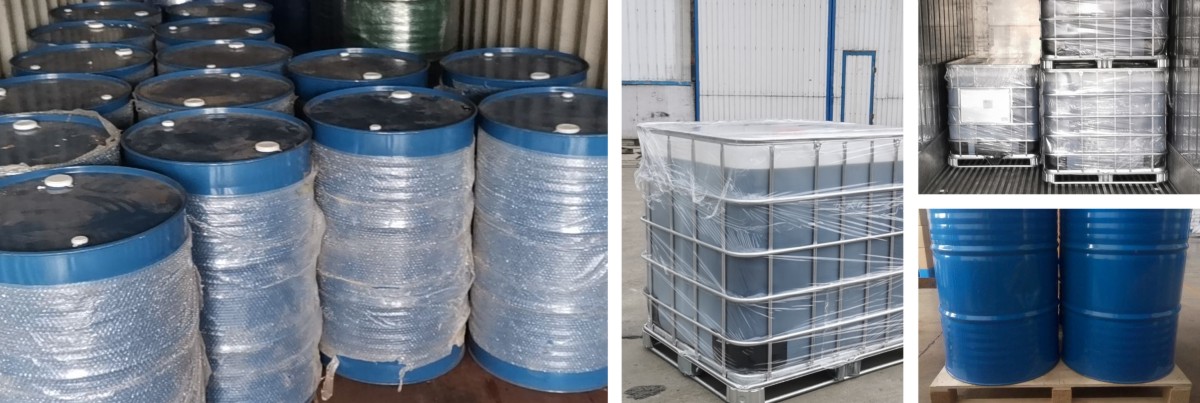
Packaging Options
| Package Size | Packaging Material | MOQ | Notes |
|---|---|---|---|
| 300 kg net | HDPE drum + food-grade liner | Trial | Standard commercial unit |
| 1,000 L | IBC tank (food-grade HDPE) | Standard | Most common bulk format |
| 20 MT | ISO tank container | Commercial | High-volume / dedicated supply |
| Custom | Flexi-tank / dedicated tanker | Commercial | Contract supply programs |
All packaging materials comply with EU 10/2011 and FDA 21 CFR food-contact regulations. Custom labeling available for contracted supply programs. Barley-based and corn-based products are filled on dedicated lines — request cross-contamination controls if needed.
Storage Conditions
- Storage temperature: 15–25°C (cool, controlled environment)
- Avoid temperatures above: 35°C (causes browning and flavor degradation)
- Avoid temperatures below: 10°C (increased viscosity; crystallization may occur)
- Shelf life: 12 months from manufacturing date when stored as directed
Related Articles
Beyond Just Sweetness: Why Organic Glucose Syrup is the Modern Confectioner’s Secret
In the dynamic world of food manufacturing and home baking, achieving the perfect texture, stability, and subtle sweetness…
Read More →
The price of organic corn and its deep-processed products is rising
Among them, the price of corn raw materials (conventional and organic) has increased by nearly 10% compared to…
Read More →