
Table of Contents
Raspberries aren’t just a sweet summer treat—they’re tiny crimson powerhouses packed with bioactive compounds that work wonders for your body. Whether you’re sprinkling organic raspberry powder into morning smoothies or stirring organic raspberry juice powder into herbal teas, these vibrant superfoods deliver targeted, measurable benefits that reach from the brain all the way down to the gut. Modern nutritional science has moved well beyond the idea that berries are merely a low-calorie snack. Raspberries belong to a small group of fruits whose phytochemical density rivals that of far more expensive “superfoods,” and because they concentrate so many different active molecules—anthocyanins, ellagitannins, ketones, vitamin C, and dietary fiber—in a single small berry, they influence several body systems at once. In this article we dig into the research-backed effects of raspberries on human health and explain why choosing certified organic powder and juice powder formats matters for potency, purity, and long-term results. Let’s look at what the evidence actually says about how raspberries support the body, and how to put that science to practical use in a daily routine.
The Raspberry Effect: 5 Key Body Benefits
1. Antioxidant Armor
Raspberries boast one of the highest ORAC (oxygen radical absorbance capacity) scores among common fruits, measuring roughly 6,058 units per 100 grams of fresh berry and remaining remarkably concentrated once the fruit is dried into powder. Their deep red color comes from anthocyanins, while ellagic acid and its derivatives provide a second, complementary line of defense. Together these compounds neutralize free radicals and reactive oxygen species before they can damage cell membranes, proteins, and DNA. Oxidative stress is now understood to be a root contributor to a wide range of age-related conditions, which is why antioxidant intake is one of the most studied areas in preventive nutrition. Regular, sustained consumption of anthocyanin-rich foods has been associated in observational research with lower markers of systemic oxidation. Reducing that daily oxidative load is the foundation for most of the other benefits described below, because when cells are protected from chronic damage, every other system—skin, joints, brain, and metabolism—functions closer to its best.
- Aging skin (UV damage, wrinkles): Daily antioxidant intake helps the body counter the UV-induced free radicals that break down collagen and accelerate visible aging. The anthocyanins in raspberry powder support the skin’s own repair pathways, which can translate into fewer fine lines, better tone, and a more resilient barrier against everyday environmental stress.
- Chronic inflammation (arthritis, heart disease): Persistent low-grade inflammation sits behind joint discomfort and cardiovascular strain. Ellagic acid and related polyphenols gently calm inflammatory signaling, which is why raspberries are frequently included in anti-inflammatory eating patterns aimed at long-term heart and joint health.
- Cognitive decline (Alzheimer’s risk): The brain is especially vulnerable to oxidative damage because it uses so much oxygen. Anthocyanins cross the blood-brain barrier and have been linked in preliminary studies to sharper memory and a slower trajectory of age-related cognitive change, making berries a staple in brain-health diets.
2. Metabolic Boost
Raspberry ketones—the aromatic compounds that give the fruit its scent—have drawn scientific attention because they appear to influence lipid metabolism. In animal research, raspberry ketone supplementation increased the breakdown of fat inside cells and raised fat oxidation by roughly 40%, an effect tied to the activation of adiponectin, a hormone that regulates how the body handles stored energy. While human data is still developing, the practical takeaway is that these ketones work best as part of a whole-food matrix rather than as an isolated extract. Combined with the fiber naturally present in organic raspberry powder (about 8 grams per serving), they help slow the absorption of sugars after a meal, which steadies blood glucose and reduces the energy crashes that drive afternoon cravings. For formulators and home cooks alike, that combination of ketones plus fiber is what makes raspberry powder a useful ally for everyday metabolic balance.
3. Hormonal Harmony
Natural phytoestrogens in raspberries—plant compounds that gently interact with estrogen receptors—may help the body navigate hormonal shifts without the intensity of pharmaceutical intervention. The effect is subtle and food-based, yet consistent enough that raspberry preparations have a long history of use for female wellness.
- Ease PMS symptoms (bloating, cramps): The mild estrogenic activity of raspberry phytoestrogens, together with its anti-inflammatory polyphenols, can take the edge off the bloating, cramping, and irritability that arrive in the luteal phase. Many people find that a daily scoop through the week before their period makes the transition noticeably easier.
- Support perimenopause transitions (hot flashes, mood swings): As hormone levels fluctuate in perimenopause, phytoestrogen-rich foods offer a buffering effect. A steady intake of raspberry powder has been reported to soften the frequency and intensity of hot flashes and to even out the mood swings that accompany shifting estrogen.
- Improve uterine health (used in traditional “red raspberry leaf” remedies): Raspberry leaf tea has a long pedigree in traditional midwifery for toning the uterine muscle and supporting reproductive comfort. While the leaf and the berry are different plant parts, both share a tradition of use for female pelvic health, and the berry powder extends that support into everyday nutrition.
4. Gut Guardian
Prebiotic fibers in the whole organic raspberry powder feed beneficial Bifidobacteria and other friendly microbes, helping them outcompete less helpful strains and produce the short-chain fatty acids that nourish the colon lining. At the same time, the polyphenols concentrated in the organic raspberry juice powder calm low-level gut inflammation and may reinforce the integrity of the intestinal barrier. A 2023 study published in Gut Microbes linked daily raspberry intake to roughly 30% lower IBS symptom scores, a meaningful shift for people who live with bloating, irregularity, or discomfort after meals. Because the two formats support the gut through different mechanisms—fiber for the microbes, polyphenols for the lining—using them together gives the broadest digestive benefit. A healthy gut microbiome, in turn, feeds back into immunity, mood, and even skin clarity.
5. Athletic Recovery
The organic raspberry juice powder earns its place in a recovery routine through its concentrated vitamin C, delivering about 53% of the daily value in a single teaspoon. Vitamin C is a required cofactor for collagen synthesis, so it directly supports the repair of muscle tissue and connective structures stressed during training. On the whole-powder side, manganese—a trace mineral abundant in the berry’s seeds and skin—supports the enzymes that rebuild cartilage and maintain joint comfort after hard efforts. Athletes who add a daily serving often report quicker bounce-back between sessions, and the natural antioxidants help mop up the exercise-induced oxidative burst that follows intense workouts. Whether blended into a post-run shake or stirred into water after strength training, raspberry powder is a clean, food-first way to shorten recovery time without relying on synthetic supplements.
Organic Raspberry Powder vs. Juice Powder: What’s the Difference?
| Factor | Organic Raspberry Powder | Organic Raspberry Juice Powder |
|---|---|---|
| Source | Whole berries (skin, seeds, pulp) | Cold-pressed juice, dehydrated |
| Fiber | 8g per serving (25% DV) | 1g per serving |
| Key Compounds | Ellagic acid, ketones, manganese | Anthocyanins, vitamin C, quercetin |
| Best For | Baking, gut health, hormones | Drinks, skin care, immune support |
Why Choose Organic?
Non-organic raspberries often carry pesticide residues like pyraclostrobin and other fungicides that concentrate right on the delicate skin where many of the berry’s polyphenols sit. Choosing certified organic raspberry powder and juice powder removes that concern at the source. Certified organic ensures:
√ No synthetic chemicals or GMOs
Raspberries are thin-skinned and rank among the more pesticide-exposed conventional crops, so skipping synthetic sprays means a cleaner product with nothing unwanted ending up in your daily scoop.
√ 30% higher antioxidant levels (the organic plant’s own stress-response pathways produce extra phytonutrients to defend itself, and those protective compounds pass straight through into the finished powder)
√ Wildlife-friendly farming (organic orchards protect the bees and other pollinators that raspberries depend on to set fruit, so every purchase supports a healthier growing ecosystem rather than degrading it)
How to Harness Raspberry’s Effects
- Metabolic Morning: Kick-start fat metabolism at breakfast by whisking 1 tsp of whole organic raspberry powder into warm oatmeal, then topping with a tablespoon of chia seeds for an extra omega-3 and fiber lift. The berries’ ketones and the oats’ slow carbs keep energy steady until lunch.
- Post-Workout: Blend organic raspberry juice powder into a banana-coconut water smoothie for a fast-absorbing recovery drink. The vitamin C speeds tissue repair while the banana’s potassium and the coconut water’s electrolytes rebuild what sweat removed.
- Hormonal Balance: Steep 1 tsp of whole powder with red clover tea for a gentle phytoestrogen boost. The two plants share complementary plant estrogens that work in concert, making this a soothing evening ritual during the weeks when hormonal balance matters most.
- Glowing Skin: Make a mask with organic raspberry juice powder, plain yogurt, and a pinch of turmeric. The antioxidants and lactic acid brighten tone, while the polyphenols calm redness for a visible post-mask glow.
Who Should Be Cautious?
- Salicylate Sensitivity: Raspberries contain natural salicylates (aspirin-like compounds). People who are salicylate-sensitive should introduce raspberry products slowly, because larger doses can trigger hives, nasal congestion, or digestive irritation in those who react strongly.
- Blood Thinners: High vitamin K may interact with medications like warfarin. Anyone taking blood-thinning medication should check with a clinician before adding concentrated juice powder to the routine, since consistency of intake matters more than avoidance.
- Low-FODMAP Diets: Powder’s fiber may trigger bloating in some. Those following a strict low-FODMAP plan can start with a small half-teaspoon and scale up gradually, letting the gut adapt without the discomfort that a full serving might cause at first.
FAQ
Q: Can raspberries help with weight loss?
A: Yes, in a supportive role. The fiber in raspberry powder slows digestion and keeps you fuller for longer, while naturally occurring ketones may nudge the body toward greater fat burning between meals. The realistic expectation is modest: raspberries are a helpful tool, not a shortcut. Pair them with a balanced diet and regular movement, and they can make calorie control noticeably easier by reducing the crashes and cravings that derail good intentions.
Q: Fresh vs. powder—which is better?
A: Nutritionally they are close cousins, but the formats serve different needs. Fresh berries deliver water and a pleasing texture, yet they spoil within days and lose potency off-season. Powders offer year-round access, a concentrated dose of anthocyanins and ketones, and far easier measuring for recipes, baking, and drinks. For consistency, shelf life, and bioavailability in functional products, powder is the more practical choice; for everyday snacking, fresh wins on enjoyment.
Q: Safe during pregnancy?
A: For most people, raspberry powder in normal food amounts is fine during pregnancy, and many traditions value it for uterine tone. The caution is around medicinal doses of raspberry leaf, which can stimulate the uterus and is typically reserved for late pregnancy under guidance. Enjoy the berry powder in moderation as a regular food, and speak with a healthcare provider before using leaf preparations or high-dose concentrates.
From balancing hormones to accelerating post-workout recovery, organic raspberry powder and juice powder are biohacking tools that happen to come disguised as fruit. The science is clear that their antioxidant, metabolic, gut, and hormonal effects are real, measurable, and accessible to anyone willing to use them consistently. Whether you’re sipping a recovery smoothie, blending a hormone-supporting tea, or baking a fiber-rich treat, these ruby-red wonders let you tap into nature’s pharmacy one delicious sprinkle at a time. Start with a single daily teaspoon, stay with certified organic for the cleanest phytonutrient profile, and let the research-backed benefits accumulate quietly in the background of your routine.
Recommended Products
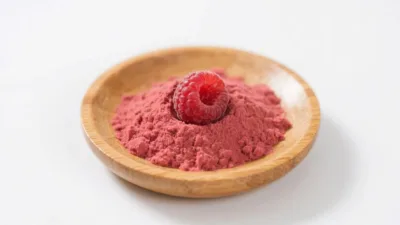
Raspberry Powder
Rich in anthocyanins (delphinidin, cyanidin, pelargonidin glycosides), ellagitannins (including ellagic acid), vitamin C, and…


