
Table of Contents
Red raspberries aren’t just a sweet treat—they’re a nutrient-dense superfood with a long history of use in both the kitchen and the apothecary. Native to Europe and northern Asia, the red raspberry (Rubus idaeus) has been cultivated for centuries, and modern processing now lets us capture its full nutritional profile in convenient, shelf-stable formats. Organic raspberry powder and organic raspberry juice powder harness the fruit’s vibrant benefits in forms that travel well, store easily, and blend seamlessly into formulations ranging from functional beverages to clean-label cosmetics. But what makes these powders so powerful, and how do they differ from one another? In the sections below, we explore their science-backed perks, the key differences between whole-fruit and juice powders, and why choosing an “organic” supply matters when you want to maximize both potency and purity. Whether you are a product formulator, a private-label brand owner, or a health-focused consumer, understanding these distinctions will help you select the right ingredient for your application and communicate its value with confidence.
6 Proven Benefits of Organic Red Raspberry Powder
- Antioxidant Powerhouse
Packed with ellagic acid and anthocyanins, raspberry powder fights free radicals linked to aging, cancer, and chronic inflammation. These naturally occurring polyphenols are concentrated during the low-temperature drying process, which preserves the delicate compounds that give the berry its deep red color. Ellagic acid, in particular, has been studied for its ability to support the body’s own antioxidant enzymes, while anthocyanins help neutralize oxidative stress at the cellular level. Regular intake of antioxidant-rich foods is associated with healthier aging and a lower burden of everyday oxidative damage, which is why formulators value raspberry powder as a clean, plant-based way to boost the ORAC value of smoothies, bars, and supplements without adding synthetic additives or artificial colorants. - Hormonal Balance
Natural phytoestrogens may ease PMS symptoms, regulate menstrual cycles, and support menopause health. Red raspberry leaf has a traditional reputation as a “woman’s herb,” and the fruit itself contains plant compounds that gently interact with estrogen receptors. For brands serving the women’s wellness market, this makes raspberry powder a compelling addition to teas, capsules, and functional blends aimed at monthly comfort and hormonal steadiness. While it is not a substitute for medical care, the gentle phytonutrient support offered by a daily serving can complement a balanced diet and an overall healthy lifestyle, especially during the transitional phases of a woman’s reproductive life when nutritional needs shift. - Heart Health Hero
Fiber and potassium lower LDL cholesterol and blood pressure, reducing cardiovascular disease risk. The soluble fiber in whole-fruit raspberry powder binds to dietary cholesterol in the digestive tract, helping the body excrete it rather than absorb it, while potassium supports healthy blood pressure by counteracting the effects of excess sodium. Together, these nutrients make raspberry powder a smart choice for brands formulating heart-friendly snacks, beverages, and supplements. Because the powder is made from the whole berry, including the skin and seeds, it retains the natural matrix of compounds that work synergistically to support circulatory wellness rather than delivering isolated, single-note actives. - Skin Radiance
Vitamin C (30% DV per serving) boosts collagen production, while zinc combats acne and redness. Vitamin C is an essential cofactor for the enzymes that build and repair collagen, the protein that keeps skin firm and youthful, and raspberry powder delivers a meaningful dose in just a small daily scoop. Zinc, present in trace amounts, helps regulate oil production and supports the skin’s natural repair processes, making the powder popular in beauty-from-within formulations and DIY masks alike. The combination of antioxidants and micronutrients is why “glow” has become such a common selling point for raspberry-based skincare and nutricosmetic products positioned for the clean beauty shopper. - Blood Sugar Control
Low-glycemic and fiber-rich, it slows glucose absorption—ideal for diabetics or keto dieters. The natural fiber in whole-fruit powder blunts the blood-sugar spike that can follow a sweet snack, helping maintain steadier energy and reducing the cravings that derail a clean eating plan. This makes raspberry powder a useful ingredient for keto, low-carb, and diabetic-friendly product lines where flavor and function must coexist. By delivering fruity sweetness alongside real fiber rather than isolated sugars, the powder supports formulations that taste indulgent without undermining metabolic balance, which is exactly what today’s label-reading consumers are looking for. - Gut Health Support
Prebiotics feed beneficial gut bacteria, improving digestion and immune function. The indigestible fibers in raspberry powder act as food for the friendly microbes that populate a healthy gut, encouraging a diverse and resilient microbiome. Since a large share of the immune system resides in the digestive tract, supporting gut flora with prebiotic fiber can have benefits that extend well beyond digestion, including better nutrient absorption and everyday resilience. For functional food brands, this positions raspberry powder as a versatile base for gut-friendly blends, fermented drinks, and daily wellness tonics that consumers can actually feel working over time.
Organic Raspberry Powder vs. Juice Powder: What’s the Difference?
| Factor | Organic Raspberry Powder | Organic Raspberry Juice Powder |
|---|---|---|
| Source | Whole berries (skin, seeds, pulp) | Dehydrated pressed juice |
| Fiber Content | High (8g per serving) | Low (fiber removed) |
| Key Nutrients | Ellagic acid, fiber, vitamins C & K | Concentrated vitamin C, antioxidants |
| Best For | Baking, smoothies, gut health | Beverages, skincare, quick energy |
| Caloric Density | Moderate (from natural fiber) | Lower (sugar-focused) |
Why Choose Organic Raspberry Powders?
Non-organic raspberries often carry pesticide residues like pyrethrins. Certified organic raspberry powders ensure:
√ No synthetic pesticides or GMOs
√ Higher antioxidant levels (organic farming enhances soil nutrients)
√ Sustainable farming (protects pollinators and soil health) Beyond the visible purity of the label, organic certification means the supply chain has been audited from farm to finished powder, giving brands and consumers a verifiable assurance of clean sourcing. Health-conscious buyers increasingly read labels for what is left out as much as what is included, and an organic claim answers that demand directly. For manufacturers, sourcing organic also future-proofs formulations against tightening residue regulations in key export markets, while supporting farming practices that keep soil, water, and pollinators healthy for the long term.
How to Use Organic Raspberry Powders
For Health
- Immunity Smoothie: Blend 1 tsp raspberry powder with spinach, banana, and almond milk. For an extra immune lift, add a pinch of turmeric or a scoop of vitamin-rich greens; the berry’s natural sweetness masks bitter notes while the fiber keeps you full. This ten-second routine is an easy way to work antioxidants into a busy morning without sacrificing flavor or convenience, and it scales beautifully into single-serve stick packs or café-style blended drinks for a finished product line.
- Hormone-Balancing Tea: Stir juice powder into hot water with ginger and honey. The juice powder dissolves cleanly, making it ideal for a soothing evening cup; ginger adds warming digestion support while honey rounds out the tart edge, creating a comforting ritual that fits neatly into a wellness routine. Because the juice powder is already concentrated, a little goes a long way, which keeps per-serving cost low for brands building a functional tea or infusion SKU.
For Beauty
- Glow Mask: Mix 1 tsp raspberry powder with yogurt and honey; apply for 10 minutes. The lactic acid in yogurt gently exfoliates while the powder’s vitamin C brightens, leaving skin visibly refreshed. Rinse with lukewarm water and follow with moisturizer for a spa-grade treatment made entirely from pantry ingredients, or batch it as a powdered mask sachet that customers simply activate with water at home for a longer shelf life.
- Lip Stain: Combine juice powder with coconut oil for a natural tint. The concentrated pigments from the juice powder deliver a pretty, buildable flush of color, while coconut oil keeps lips soft—an easy DIY alternative to synthetic cosmetics for brands exploring clean beauty. The vibrant hue also doubles as a cheek tint, making it a versatile hero ingredient in a minimalist, multi-use cosmetic range.
For Cooking
- Energy Bites: Add raspberry powder to oats, nuts, and dates. The powder binds the mixture with fruity depth and a boost of fiber, turning a basic snack ball into a genuinely functional treat that travels well in lunchboxes and gym bags alike. Its natural color means you can skip artificial dyes, an increasingly important claim for parents shopping the better-for-you snack aisle.
- Vinaigrette: Whisk juice powder with olive oil and balsamic vinegar. The bright, tangy profile cuts richness and adds a jewel-toned color to salads and grain bowls, proving the powder’s range beyond sweet applications. Chefs and dressings makers appreciate how readily it disperses in oil-based systems without grit, delivering consistent flavor batch after batch.
Who Should Try It?
- Women’s Health: Those managing PMS, PCOS, or menopause. The gentle phytonutrient support discussed earlier makes raspberry powder a natural fit for female-focused formulations and daily wellness rituals, especially in blends that pair it with other traditionally supportive botanicals for a rounded, approachable profile.
- Fitness Enthusiasts: Post-workout recovery and muscle repair. Antioxidants help manage exercise-induced oxidative stress, while the powder’s micronutrients support energy metabolism and replenishment after training, making it a clean addition to recovery shakes and protein-forward snacks.
- Skincare Lovers: Combat acne and boost collagen naturally. The vitamin C and zinc content positions the powder as a beauty-from-within staple for anyone building a clean glow routine, whether through supplements, drink mixes, or topical DIY treatments.
- Eco-Conscious Consumers: Reduce food waste with shelf-stable nutrition. A single pouch of powder captures the nutrition of many fresh punnets that would otherwise spoil, aligning with low-waste values and making it easier to keep wholesome ingredients on hand without frequent shopping trips.
Potential Side Effects
- Allergies: Rare but possible (related to strawberries/blackberries). Individuals with known sensitivities in the Rosaceae family should introduce the powder gradually and discontinue use if any reaction occurs, consulting a healthcare professional when in doubt about cross-reactivity.
- Medication Interactions: May enhance effects of blood thinners (consult a doctor). The vitamin K and phytonutrient content means those on anticoagulant therapy should check with a healthcare provider before regular use, since consistency of intake matters more than occasional small amounts.
- FODMAP Sensitivity: High fiber in powder may trigger bloating in some. Sensitive individuals can start with a smaller serving and increase slowly to let the digestive system adjust, pairing it with ample water to support comfortable tolerance over time.
FAQ
Q: Can raspberry powder help with weight loss?
A: Yes! Fiber promotes satiety, and ellagic acid may inhibit fat cell formation. By keeping you fuller for longer, the powder helps reduce overall calorie intake without the crash associated with sugary snacks. Combined with its low glycemic impact, raspberry powder is a practical addition to weight-management shakes, bars, and meal-replacement formats where both flavor and function are required, and its natural fruit identity makes the claim easy for consumers to trust.
Q: Is it safe during pregnancy?
A: In moderation—avoid high doses due to phytoestrogen content. A typical culinary sprinkle is generally considered fine, but concentrated therapeutic amounts should be discussed with a healthcare professional, since pregnancy is a period when hormonal balance is especially sensitive and individual guidance matters most. As with any supplement, listening to your body and consulting your provider is the safest path.
Q: Shelf life?
A: 2+ years in a cool, dark place (vs. fresh berries lasting 3–5 days). The removal of water during spray- or freeze-drying halts the microbial growth that spoils fresh fruit, so a sealed pouch stays potent for years. This stability makes powder far more practical for inventory, shipping, and product manufacturing than the fragile fresh berry, and it reduces spoilage-related waste across the entire supply chain.
Ready to Embrace Raspberry’s Vibrant Benefits?
Whether you choose organic raspberry powder for fiber-rich recipes or organic raspberry juice powder for glowing skin and quick nutrition, these powders let you savor summer’s sweetness year-round. From smoothies and teas to masks and vinaigrettes, the applications are limited only by your imagination, and the organic difference ensures every scoop is as clean as it is delicious. For brands, that means a flexible, shelf-stable hero ingredient; for consumers, it means everyday access to a true superfruit.
Sprinkle, blend, glow—naturally.
Recommended Products
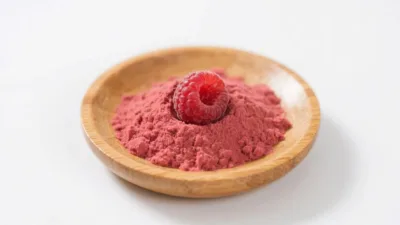
Raspberry Powder
Rich in anthocyanins (delphinidin, cyanidin, pelargonidin glycosides), ellagitannins (including ellagic acid), vitamin C, and…


