
Table of Contents
As the global demand for functional beverages continues to surge, manufacturers are seeking clean-label, plant-based, and nutrient-rich ingredients to create innovative products that meet the expectations of a new generation of health-aware consumers.
Shoppers no longer accept sugary soft drinks and artificial formulations without question; they read labels, research ingredients, and reward brands that can demonstrate genuine functional value.
Among these natural solutions, organic raspberry juice powder has become a preferred choice for beverage brands worldwide because it answers several of the most pressing formulation challenges at once.
It delivers measurable antioxidant content, a naturally vivid color, and a recognizable fruit taste, all from a single, shelf-stable raw material. For product developers working under tight margins and even tighter launch timelines, that combination of benefits in one ingredient is exactly what makes raspberry juice powder such a strategic addition to the modern functional beverage toolkit.
Made from 100% organically grown raspberries and processed using advanced drying techniques, this versatile powder offers exceptional nutritional benefits, vibrant natural color, and intense fruit flavor—perfect for modern beverage formulations that must perform both in the laboratory and on the retail shelf.
The production process typically begins with ripe fruit that is washed, pressed, and concentrated before being gently dried and milled into a fine, free-flowing powder.
Because the fruit is cultivated without synthetic pesticides or fertilizers and handled under certified organic conditions, the finished ingredient carries the credibility that today’s buyers look for.
At the same time, careful thermal control during drying helps preserve the delicate phytochemicals, pigments, and volatile aromatic compounds that give raspberries their characteristic profile.
The result is an ingredient that dissolves cleanly, ships economically, and brings real fruit identity to powdered sticks, ready-to-drink bottles, and everything in between.
Here are the top seven benefits of incorporating organic raspberry juice powder into your next functional beverage product, drawn from the practical experience of formulators who have moved the ingredient from the pilot plant into commercial scale.
Each point below addresses a specific need that beverage brands face when they try to differentiate in crowded categories such as enhanced water, wellness shots, and better-for-you juices.
By understanding not just what the powder contains but how it behaves during processing and how it reads on a label, you can plan a launch that is both technically sound and commercially compelling.
1. Rich in Natural Antioxidants
Organic raspberry juice powder contains high levels of ellagic acid, quercetin, and anthocyanins—powerful antioxidants known to support the body’s defenses against the everyday oxidative burden created by pollution, intense exercise, and normal metabolic activity.
These compounds are part of the reason consumers instinctively associate berries with health, and they give formulators a concrete, science-backed story to tell on packaging.
Ellagic acid, a polyphenol found abundantly in red fruit, has been studied for its role in cellular protection, while quercetin is a flavonoid that contributes to the broader antioxidant network within the body.
Anthocyanins are the water-soluble pigments responsible for the deep red and purple shades of raspberries, and they double as both color and function.
Together, this trio forms a naturally occurring antioxidant matrix that does not have to be synthesized or declared as an isolated additive.
- Neutralize free radicals that can otherwise damage cells and accelerate visible aging, helping your beverage position itself alongside established antioxidant categories
- Reduce oxidative stress linked to demanding lifestyles, athletic training, and environmental exposure, an increasingly relevant claim for active consumers
- Support overall cellular health by contributing to the body’s own protective systems rather than introducing foreign synthetic molecules
For brands targeting the wellness beverage market, antioxidant-rich raspberry juice powder provides a strong functional selling point that resonates across demographic groups from fitness enthusiasts to older consumers interested in healthy aging.
Unlike single-isolate antioxidants that can be difficult to communicate, a whole-fruit powder lets you speak in the familiar language of berries, which consumers already trust.
This makes the ingredient especially useful in products positioned for recovery, daily vitality, and beauty-from-within, where the antioxidant narrative reinforces the overall brand promise without requiring elaborate consumer education.
2. Naturally High in Vitamin C
Consumers increasingly prefer beverages that support immune health, a trend that accelerated as households became more deliberate about daily wellness routines.
Organic raspberry juice powder delivers a natural source of vitamin C, which remains one of the most recognizable and credible nutrients on any label, and it allows brands to make immune-support claims without resorting to synthetic ascorbic acid alone.
Vitamin C is a water-soluble nutrient that the body cannot store in large amounts, so regular dietary intake matters, and a fruit-based powder fits naturally into that daily habit.
For beverage developers, the appeal is twofold: the nutrient is genuinely present in the fruit, and the marketing story writes itself because shoppers already understand what vitamin C does.
- Boosts immune system function as part of a balanced diet, giving immunity-focused drinks a tangible and familiar functional anchor
- Promotes collagen production for healthy skin, a benefit that connects beverage consumption to the fast-growing beauty and glow category
- Supports overall vitality and energy by contributing to normal metabolic processes that keep consumers feeling their best through busy days
This makes raspberry juice powder an ideal ingredient for immunity-focused drinks and nutraceutical beverages where shoppers actively compare labels for meaningful nutrient content.
When combined with other vitamin- and mineral-rich botanicals, the powder helps build a well-rounded functional profile that stands up to scrutiny from both regulators and informed buyers.
Because the vitamin C arrives in the context of real fruit rather than as a lone synthetic addition, the finished product reads as wholesome rather than clinical, a balance that is difficult to achieve with isolated nutrients.
3. Provides a Vibrant Natural Color
One of the biggest advantages of organic raspberry juice powder is its ability to deliver a beautiful, deep red hue without synthetic additives, answering the growing regulatory and consumer pressure against artificial dyes.
In many markets, brightly colored beverages have historically relied on petroleum-derived colorants that are now facing restrictions or reformulation demands.
A fruit powder sidesteps that risk entirely by supplying color that is inherent to the ingredient itself. The anthocyanin pigments in raspberries are pH-responsive, so formulators can even tune the final shade slightly through acidity management, moving from bright pinkish reds toward deeper crimson depending on the desired brand aesthetic.
- Perfect for juices, smoothies, teas, and energy drinks where an appetizing appearance is essential to first-purchase decisions
- Enhances visual appeal and consumer perception, since a naturally colored drink signals freshness and fruit content before the first sip
- Aligns with clean-label and natural color trends that are now mainstream expectations rather than niche differentiators
In today’s market, visual impact matters—and raspberry juice powder makes your beverages look as good as they taste, which is critical at the point of sale where a product has only seconds to win attention.
Color also reinforces flavor expectations; a drink that looks authentically berry-colored sets up the palate for the taste that follows, reducing the disconnect that plagues many artificially flavored alternatives.
For private-label and branded teams alike, this natural color solution removes a major reformulation headache while keeping the ingredient statement short and reassuring.
4. Enhances Flavor Naturally
Unlike artificial flavors, organic raspberry juice powder offers an authentic, sweet-tart raspberry taste that elevates functional beverages by giving them a fruit identity consumers can immediately recognize.
Artificial raspberry character often skews candy-like and one-dimensional, whereas a juice powder carries the subtle acidity, aromatic complexity, and rounded sweetness of the actual fruit.
That authenticity matters because modern shoppers are quick to detect when a product tastes manufactured, and taste remains the single most important driver of repeat purchase in the beverage aisle.
By building flavor on a real fruit base, brands reduce the need for high sugar loads and masking agents that would otherwise compromise the health positioning of the drink.
- Works well as a primary flavor or flavor enhancer, giving developers flexibility across concentrate strengths and dosage levels
- Complements other fruits like blueberry, strawberry, and mango, enabling layered profiles that feel crafted rather than generic
- Perfect for multi-fruit blends and premium juice drinks where a signature taste helps justify a higher price point
Consumers associate natural fruit flavors with quality and wellness, giving your products a competitive edge in categories where dozens of near-identical options compete for the same shelf space.
A distinctive raspberry note can also serve as a brand signature, helping a new line stand out in a sea of citrus and tropical offerings. From a formulation standpoint, the powder’s concentrated character means a little goes a long way, supporting both flavor impact and cost efficiency across production runs of varying scale.
5. Supports Clean-Label & Vegan-Friendly Formulations
Modern consumers expect transparency and clean-label ingredients, and they increasingly scrutinize not only what is in a product but what is absent from it.
Organic raspberry juice powder is a single-source fruit ingredient that fits comfortably into the shortest possible declaration, which is precisely what clean-label strategists want to see.
There are no hidden carriers, no animal-derived processing aids, and no controversial additives to explain, so the ingredient reads honestly on the pack.
This simplicity is a strategic asset in a regulatory environment where vague or lengthy ingredient lists can erode trust and trigger questions from retailers and distributors alike.
- Certified organic under USDA & EU standards, providing internationally recognized assurance that cultivation met strict agronomic requirements
- Non-GMO and allergen-free, which broadens the product’s addressable audience and simplifies allergen-control documentation
- Vegan and gluten-free, making it suitable for plant-based and sensitivity-aware consumers without separate production lines
- Produced without artificial additives or preservatives, so the finished beverage can lean on the fruit’s own integrity rather than chemical support
These attributes make it the perfect choice for brands targeting health-conscious and plant-based consumers who actively filter products by dietary preference and ethical stance.
As vegan and flexitarian eating moves from the margin to the mainstream, an ingredient that is both plant-derived and certified organic becomes a quiet but powerful validator of brand values.
For export-oriented manufacturers, the alignment with major organic standards also smooths entry into demanding international markets where documentation and traceability are non-negotiable.
6. Versatile Applications Across Functional Beverages
Whether you’re developing energy drinks, herbal teas, ready-to-drink smoothies, or dietary supplement blends, organic raspberry juice powder fits seamlessly into various formulations because its physical and sensory properties are forgiving across processing conditions.
The powder disperses in both hot and cold systems, tolerates standard mixing and homogenization, and remains stable through typical pasteurization or ultra-high-temperature treatment when used at appropriate levels.
That process tolerance reduces the technical risk of a new launch and shortens the path from concept to commercial production. For contract manufacturers serving multiple clients, one well-specified raspberry powder can service several SKUs, improving inventory efficiency.
- Instant beverages thanks to excellent solubility, enabling stick packs and sachets that consumers can mix in seconds at home or on the go
- Sports and hydration drinks for added antioxidants, supporting recovery positioning without complicating an already electrolyte-focused formula
- Immunity shots for concentrated wellness benefits, where a small serving size still delivers meaningful fruit-derived character and color
Its versatility helps brands innovate across multiple beverage categories without re-qualifying a completely new supply chain for every product idea.A single ingredient can appear in a children’s fortified juice, a post-workout recovery drink, and a sophisticated adult wellness tonic, each with its own positioning yet drawing from the same trusted raw material.
This breadth of use protects development investment and lets marketing teams tell a consistent sourcing story across an entire portfolio rather than starting from zero with every launch.
7. Aligns with Growing Consumer Trends
The global beverage market is rapidly shifting toward formats and messages that prioritize genuine function, honest sourcing, and environmental responsibility.
Organic raspberry juice powder sits at the intersection of several of these movements, which means adopting it is less a short-term tactic and more a structural alignment with where consumer demand is heading.
Brands that build their portfolios around ingredients already favored by tomorrow’s shopper reduce the risk of costly reformulation later when regulations or preferences tighten.
The powder is not a fad nutrient; it is a familiar, beloved fruit delivered in a modern, convenient form, which gives it unusual durability as a formulation choice.
- Plant-based ingredients that meet the expectations of consumers moving away from animal-derived and heavily processed components
- Functional health claims grounded in the well-documented properties of berries, supporting credible marketing rather than empty slogans
- Clean-label transparency that reassures shoppers who read ingredient panels and reward simplicity with loyalty
- Sustainable sourcing when paired with certified organic farming that protects soil health and biodiversity over the long term
By choosing organic raspberry juice powder, your brand aligns perfectly with these fast-growing trends—helping you capture health-conscious consumers and expand market share in segments where differentiation is otherwise hard to achieve.
Early movers in better-for-you beverages have repeatedly shown that ingredient credibility compounds: each trustworthy choice builds consumer confidence that carries into future product launches.
In a market where attention is fragmented and shelf life is short, that accumulated trust is among the most defensible assets a beverage brand can develop.
Why Choose ORGANICWAY as Your Supplier
At ORGANICWAY, we are committed to providing premium organic raspberry juice powder and organic raspberry powder sourced from certified organic farms that share our strict standards for quality and traceability.
Our sourcing team works directly with growers and processing partners to verify agronomic practices, monitor harvest timing, and maintain the documentation that international buyers require.
We understand that for a beverage brand, an ingredient is only as reliable as the supply behind it, so we invest in relationships that survive seasonal variability and volume swings.
The outcome for our customers is a powder they can specify with confidence, batch after batch, year after year.
- USDA & EU Organic Certifications that open doors to major regulated markets and satisfy retailer compliance teams
- Advanced drying techniques to preserve nutrients and flavor, protecting the very compounds that make the powder valuable in finished drinks
- Stable bulk supply and competitive pricing, supported by planning that helps you avoid stockouts during peak launch periods
- Consistent quality and reliable logistics so your production schedule is never hostage to unpredictable ingredient arrivals
Partnering with us ensures your functional beverages are made with safe, natural, and sustainable ingredients backed by the technical support needed to move from prototype to production without surprises.
Beyond the raw material itself, we help customers think through dosage, stability, and label language so that the final product lives up to the promise made on the package.
That combination of ingredient quality and partnership mindset is why beverage developers return to ORGANICWAY when they scale from a single SKU into a full functional line.
Innovate Your Functional Beverages Today
Consumers are looking for nutrient-rich, natural, and clean-label drinks.By incorporating organic raspberry juice powder, your brand can deliver exceptional flavor, eye-catching color, and proven health benefits—all while staying ahead of market trends that reward authenticity over artifice.
The window for differentiation in functional beverages is open now, but it rewards brands that act with both creativity and rigor, pairing a compelling concept with an ingredient foundation that can be defended on the label and in the lab.
Raspberry juice powder offers that foundation, letting your team focus its energy on format, positioning, and the kind of sensory experience that turns first-time buyers into regular ones.
Contact us today to request samples, discuss bulk pricing, and start developing your next bestselling beverage. Our specialists will walk you through specifications, application guidance, and supply options tailored to your launch timeline, so you can move from idea to shelf with a partner who understands both the science of fruit powder and the realities of the beverage business.
Whether you are refining an existing recipe or inventing a category of your own, organic raspberry juice powder is a smart place to begin.
The Raspberry Effect: 5 Key Body Benefits
1. Antioxidant Armor
Raspberries boast one of the highest ORAC (oxygen radical absorbance capacity) scores among common fruits, measuring roughly 6,058 units per 100 grams of fresh berry and remaining remarkably concentrated once the fruit is dried into powder.
Their deep red color comes from anthocyanins, while ellagic acid and its derivatives provide a second, complementary line of defense. Together these compounds neutralize free radicals and reactive oxygen species before they can damage cell membranes, proteins, and DNA.
Oxidative stress is now understood to be a root contributor to a wide range of age-related conditions, which is why antioxidant intake is one of the most studied areas in preventive nutrition.
Regular, sustained consumption of anthocyanin-rich foods has been associated in observational research with lower markers of systemic oxidation. Reducing that daily oxidative load is the foundation for most of the other benefits described below, because when cells are protected from chronic damage, every other system—skin, joints, brain, and metabolism—functions closer to its best.
- Aging skin (UV damage, wrinkles): Daily antioxidant intake helps the body counter the UV-induced free radicals that break down collagen and accelerate visible aging. The anthocyanins in raspberry powder support the skin’s own repair pathways, which can translate into fewer fine lines, better tone, and a more resilient barrier against everyday environmental stress.
- Chronic inflammation (arthritis, heart disease): Persistent low-grade inflammation sits behind joint discomfort and cardiovascular strain. Ellagic acid and related polyphenols gently calm inflammatory signaling, which is why raspberries are frequently included in anti-inflammatory eating patterns aimed at long-term heart and joint health.
- Cognitive decline (Alzheimer’s risk): The brain is especially vulnerable to oxidative damage because it uses so much oxygen. Anthocyanins cross the blood-brain barrier and have been linked in preliminary studies to sharper memory and a slower trajectory of age-related cognitive change, making berries a staple in brain-health diets.
2. Metabolic Boost
Raspberry ketones—the aromatic compounds that give the fruit its scent—have drawn scientific attention because they appear to influence lipid metabolism.
In animal research, raspberry ketone supplementation increased the breakdown of fat inside cells and raised fat oxidation by roughly 40%, an effect tied to the activation of adiponectin, a hormone that regulates how the body handles stored energy.
While human data is still developing, the practical takeaway is that these ketones work best as part of a whole-food matrix rather than as an isolated extract.
Combined with the fiber naturally present in organic raspberry powder (about 8 grams per serving), they help slow the absorption of sugars after a meal, which steadies blood glucose and reduces the energy crashes that drive afternoon cravings.
For formulators and home cooks alike, that combination of ketones plus fiber is what makes raspberry powder a useful ally for everyday metabolic balance.
3. Hormonal Harmony
Natural phytoestrogens in raspberries—plant compounds that gently interact with estrogen receptors—may help the body navigate hormonal shifts without the intensity of pharmaceutical intervention.
The effect is subtle and food-based, yet consistent enough that raspberry preparations have a long history of use for female wellness.
- Ease PMS symptoms (bloating, cramps): The mild estrogenic activity of raspberry phytoestrogens, together with its anti-inflammatory polyphenols, can take the edge off the bloating, cramping, and irritability that arrive in the luteal phase. Many people find that a daily scoop through the week before their period makes the transition noticeably easier.
- Support perimenopause transitions (hot flashes, mood swings): As hormone levels fluctuate in perimenopause, phytoestrogen-rich foods offer a buffering effect. A steady intake of raspberry powder has been reported to soften the frequency and intensity of hot flashes and to even out the mood swings that accompany shifting estrogen.
- Improve uterine health (used in traditional “red raspberry leaf” remedies): Raspberry leaf tea has a long pedigree in traditional midwifery for toning the uterine muscle and supporting reproductive comfort. While the leaf and the berry are different plant parts, both share a tradition of use for female pelvic health, and the berry powder extends that support into everyday nutrition.
4. Gut Guardian
Prebiotic fibers in the whole organic raspberry powder feed beneficial Bifidobacteria and other friendly microbes, helping them outcompete less helpful strains and produce the short-chain fatty acids that nourish the colon lining.
At the same time, the polyphenols concentrated in the organic raspberry juice powder calm low-level gut inflammation and may reinforce the integrity of the intestinal barrier.
A 2023 study published in Gut Microbes linked daily raspberry intake to roughly 30% lower IBS symptom scores, a meaningful shift for people who live with bloating, irregularity, or discomfort after meals.
Because the two formats support the gut through different mechanisms—fiber for the microbes, polyphenols for the lining—using them together gives the broadest digestive benefit.A healthy gut microbiome, in turn, feeds back into immunity, mood, and even skin clarity.
5. Athletic Recovery
The organic raspberry juice powder earns its place in a recovery routine through its concentrated vitamin C, delivering about 53% of the daily value in a single teaspoon.
Vitamin C is a required cofactor for collagen synthesis, so it directly supports the repair of muscle tissue and connective structures stressed during training.
On the whole-powder side, manganese—a trace mineral abundant in the berry’s seeds and skin—supports the enzymes that rebuild cartilage and maintain joint comfort after hard efforts.
Athletes who add a daily serving often report quicker bounce-back between sessions, and the natural antioxidants help mop up the exercise-induced oxidative burst that follows intense workouts.
Whether blended into a post-run shake or stirred into water after strength training, raspberry powder is a clean, food-first way to shorten recovery time without relying on synthetic supplements.
Organic Raspberry Powder vs. Juice Powder: What’s the Difference?
| Factor | Organic Raspberry Powder | Organic Raspberry Juice Powder |
|---|---|---|
| Source | Whole berries (skin, seeds, pulp) | Cold-pressed juice, dehydrated |
| Fiber | 8g per serving (25% DV) | 1g per serving |
| Key Compounds | Ellagic acid, ketones, manganese | Anthocyanins, vitamin C, quercetin |
| Best For | Baking, gut health, hormones | Drinks, skin care, immune support |
Why Choose Organic?
Non-organic raspberries often carry pesticide residues like pyraclostrobin and other fungicides that concentrate right on the delicate skin where many of the berry’s polyphenols sit. Choosing certified organic raspberry powder and juice powder removes that concern at the source. Certified organic ensures:
√ No synthetic chemicals or GMOs
Raspberries are thin-skinned and rank among the more pesticide-exposed conventional crops, so skipping synthetic sprays means a cleaner product with nothing unwanted ending up in your daily scoop.
√ 30% higher antioxidant levels (the organic plant’s own stress-response pathways produce extra phytonutrients to defend itself, and those protective compounds pass straight through into the finished powder)
√ Wildlife-friendly farming (organic orchards protect the bees and other pollinators that raspberries depend on to set fruit, so every purchase supports a healthier growing ecosystem rather than degrading it)
How to Harness Raspberry’s Effects
- Metabolic Morning: Kick-start fat metabolism at breakfast by whisking 1 tsp of whole organic raspberry powder into warm oatmeal, then topping with a tablespoon of chia seeds for an extra omega-3 and fiber lift. The berries’ ketones and the oats’ slow carbs keep energy steady until lunch.
- Post-Workout: Blend organic raspberry juice powder into a banana-coconut water smoothie for a fast-absorbing recovery drink. The vitamin C speeds tissue repair while the banana’s potassium and the coconut water’s electrolytes rebuild what sweat removed.
- Hormonal Balance: Steep 1 tsp of whole powder with red clover tea for a gentle phytoestrogen boost. The two plants share complementary plant estrogens that work in concert, making this a soothing evening ritual during the weeks when hormonal balance matters most.
- Glowing Skin: Make a mask with organic raspberry juice powder, plain yogurt, and a pinch of turmeric. The antioxidants and lactic acid brighten tone, while the polyphenols calm redness for a visible post-mask glow.
Who Should Be Cautious?
- Salicylate Sensitivity: Raspberries contain natural salicylates (aspirin-like compounds). People who are salicylate-sensitive should introduce raspberry products slowly, because larger doses can trigger hives, nasal congestion, or digestive irritation in those who react strongly.
- Blood Thinners: High vitamin K may interact with medications like warfarin. Anyone taking blood-thinning medication should check with a clinician before adding concentrated juice powder to the routine, since consistency of intake matters more than avoidance.
- Low-FODMAP Diets: Powder’s fiber may trigger bloating in some. Those following a strict low-FODMAP plan can start with a small half-teaspoon and scale up gradually, letting the gut adapt without the discomfort that a full serving might cause at first.
FAQ
Q: Can raspberries help with weight loss?
A: Yes, in a supportive role. The fiber in raspberry powder slows digestion and keeps you fuller for longer, while naturally occurring ketones may nudge the body toward greater fat burning between meals. The realistic expectation is modest: raspberries are a helpful tool, not a shortcut. Pair them with a balanced diet and regular movement, and they can make calorie control noticeably easier by reducing the crashes and cravings that derail good intentions.
Q: Fresh vs. powder—which is better?
A: Nutritionally they are close cousins, but the formats serve different needs. Fresh berries deliver water and a pleasing texture, yet they spoil within days and lose potency off-season. Powders offer year-round access, a concentrated dose of anthocyanins and ketones, and far easier measuring for recipes, baking, and drinks. For consistency, shelf life, and bioavailability in functional products, powder is the more practical choice; for everyday snacking, fresh wins on enjoyment.
Q: Safe during pregnancy?
A: For most people, raspberry powder in normal food amounts is fine during pregnancy, and many traditions value it for uterine tone. The caution is around medicinal doses of raspberry leaf, which can stimulate the uterus and is typically reserved for late pregnancy under guidance. Enjoy the berry powder in moderation as a regular food, and speak with a healthcare provider before using leaf preparations or high-dose concentrates.
From balancing hormones to accelerating post-workout recovery, organic raspberry powder and juice powder are biohacking tools that happen to come disguised as fruit.
The science is clear that their antioxidant, metabolic, gut, and hormonal effects are real, measurable, and accessible to anyone willing to use them consistently.
Whether you’re sipping a recovery smoothie, blending a hormone-supporting tea, or baking a fiber-rich treat, these ruby-red wonders let you tap into nature’s pharmacy one delicious sprinkle at a time.
Start with a single daily teaspoon, stay with certified organic for the cleanest phytonutrient profile, and let the research-backed benefits accumulate quietly in the background of your routine.
Recommended Products
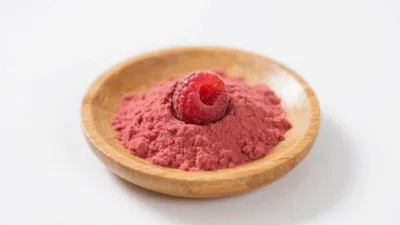
Raspberry Powder
Rich in anthocyanins (delphinidin, cyanidin, pelargonidin glycosides), ellagitannins (including ellagic acid), vitamin C, and…


