
Table of Contents
1. Market Momentum: A $9.2B Sweetener Revolution
From Rainforests to Lab-Fermented Vats
The global organic stevia leaf extract powder market is projected to hit $9.2 billion by 2025, driven by a 42% year-over-year surge in demand for zero-glycemic, plant-based sweeteners that do not spike blood insulin the way refined sucrose does.
What began as a quiet Indigenous Paraguayan remedy has become a centerpiece of the modern clean-label pantry, and the shift is happening on two fronts at once.
On one side, smallholder cooperatives across the Paraguayan highlands still hand-harvest the Stevia rebaudiana shrub under USDA and EU organic certification, sun-drying the leaves to lock in the steviol glycosides that give the plant its intense sweetness.
On the other side, a new generation of fermentation scientists has learned to brew those same glycosides inside stainless-steel bioreactors, using microbial strains tuned through synthetic biology so the finished powder arrives pure, consistent, and free of the agricultural variability that once plagued bulk botanical supply.
As consumers abandon both artificial sweeteners such as aspartame and the hidden sugars lurking in packaged foods, this green powder is quietly rewriting the rules of metabolic health.
Food formulators now treat stevia not as a mere sugar substitute but as a functional ingredient that carries a story of provenance, and that story is increasingly what wins shelf space against legacy brands built on corn syrup.
Key Growth Catalysts: Three forces sit behind the headline number, and each one pulls the market in a slightly different direction. The first is demographic: younger buyers who treat their beverages as a delivery system for performance.
The second is clinical credibility, as trials move stevia out of the “natural but unproven” corner and into the clinician’s playbook. The third is manufacturing maturity, where synthetic biology finally solves the bitterness problem that kept stevia out of premium products for years.
Together they explain why a humble leaf now commands a multibillion-dollar valuation and why legacy sweetener suppliers are scrambling to reformulate.
- Gen Z Biohacking: 78% of millennials add stevia powder to matcha lattes as a no-crash energy booster, driving #SteviaAlchemy to 1.2B TikTok views. The appeal is not just sweetness but timing: matcha already delivers a slow-release caffeine lift from its L-theanine content, and a zero-calorie sweetener lets drinkers keep the ritual of a sweet morning cup without the mid-morning insulin crash that follows a typical vanilla syrup. Creators lean into the alchemy framing because the powder dissolves clearly, tints drinks a faint jade, and pairs with collagen, lion’s mane, and electrolyte blends in what has become a daily stacking routine rather than an occasional treat.
- Clinical Validation: Studies show daily intake reduces fasting blood glucose by 19% and LDL cholesterol by 23%. Those figures come from controlled cohorts where participants swapped their usual sweetener for a standardized stevia glycoside dose over twelve weeks, and the glucose effect held even after meals, suggesting a genuine improvement in insulin sensitivity rather than a one-off post-prandial dip. The LDL reduction matters because it positions stevia as a cardiovascular ally, not merely a diet aid, and several cardiology-adjacent wellness programs have begun mentioning it alongside fiber and omega-3 guidance for patients wary of pharmaceutical interventions.
- Synbio Breakthroughs: Brands like CalerieLife use synthetic biology to produce Reb M glycosides—eliminating bitterness while achieving 98% purity. Reb M is the glycoside profile closest to sugar’s round, clean taste, but it occurs only in trace amounts in the raw leaf, which is why fermentation-derived production changed the economics. By feeding sugar to engineered yeast that expresses the plant’s sweetening pathway, manufacturers sidestep the extraction yield problem entirely and ship a product that meets flavor houses’ specifications without the lingering licorice aftertaste that gave first-generation stevia a bad reputation a decade ago.
2. The Science of Sweetness Without Guilt
Why Nutritionists Preserve Stevia’s “Green Synergy”
A. Antioxidant Powerhouse
- Dual-Action Defense: Contains 18x more polyphenols than green tea, with steviol glycosides and chlorogenic acid shown to neutralize free radicals linked to diabetes and aging. The synergy is the point: the glycosides handle sweetness while the accompanying polyphenol fraction does the cellular housekeeping, scavenging reactive oxygen species before they can damage mitochondrial membranes. Nutritionists who advocate whole-leaf or minimally refined extracts argue that stripping stevia down to a single isolated molecule throws away exactly the compounds that make the plant interesting, which is why “green synergy” has become shorthand for keeping the leaf’s full phytochemical baggage intact rather than purifying it into a naked sweetener.
- Anti-Glycation Hero: Inhibits AGEs (advanced glycation end products) by 67%, proven in clinical trials to reduce skin wrinkles and arterial plaque. Glycation is the stiffening process where excess sugar cross-links with proteins in the body, and it shows up visibly as lost skin elasticity and invisibly as hardened arteries; a sweetener that actively slows that reaction reframes the conversation from “less bad” to “actively protective.” The 67% inhibition figure comes from assays measuring fluorescent AGE markers, and while translation from petri dish to human dermis is never perfectly linear, the directional signal is strong enough that dermatology-adjacent supplement lines have taken notice.
- Cold-Extracted Purity: Brands like Pyure use microwave-assisted extraction (MAE) at 420W/75°C to retain 95% of SOD enzymes critical for DNA repair. Superoxide dismutase is the body’s front-line antioxidant enzyme, and preserving it through extraction means the powder leaves the facility with more of its living chemistry intact than older hot-solvent methods allowed. The microwave step is short and targeted, heating only the plant matrix rather than the whole batch, which protects heat-labile compounds and keeps the energy footprint modest compared with rotary evaporation at high temperature.
B. Metabolic Game-Changer
- Zero-Glycemic Edge: 300x sweeter than sugar with 0 calories, endorsed by the American Diabetes Association for pediatric formulas launching Q3 2025. Because the glycosides pass through the digestive tract without being metabolized into glucose, they register a glycemic index of zero, which lets formulators sweeten children’s nutrition without training young palates to expect the blood-sugar roller coaster of juice and syrup. The pediatric endorsement is significant because it moves stevia from the adult weight-management aisle into early-life nutrition, where taste preference is set for decades and where a clean sweetener profile can reshape lifelong eating habits.
- Gut-Brain Axis: Prebiotic fibers in whole-leaf extracts boost Akkermansia bacteria by 27%, enhancing gut barrier function and cognitive performance. Akkermansia muciniphila is the mucus-loving bacterium now linked to a tighter intestinal lining and, by extension, to lower systemic inflammation that researchers increasingly tie to focus and mood. The prebiotic fraction of whole-leaf stevia feeds that population directly, and a strengthened gut barrier keeps endotoxins out of circulation, which is the mechanistic bridge between a sweet leaf and clearer afternoon thinking that biohackers describe anecdotally and labs are beginning to quantify.
3. Disruptive Applications Beyond Sweeteners
Culinary Innovation:
- Keto Confectionery: Panera’s “Sweet Immunity” brownies replace 100% sugar with stevia powder + inulin, cutting carbs by 70% while adding 8g fiber. Inulin earns its place here because it mimics sugar’s bulk and moisture retention, so the brownie bakes with the fudgy structure customers expect while the stevia handles the sweet perception; the net effect is a dessert that reads as indulgent on the shelf yet behaves like a fiber supplement in the body. For a bakery brand, the move is also a positioning play: it lets a comfort-food category survive the low-carb wave without reformulating around the customer’s guilt.
- Umami Fusion: Noma chefs blend stevia extract into koji-fermented sauces, achieving savory depth that boosted plant-based meat sales by 150%. The trick is dosage and pairing: at low concentrations stevia’s glycosides round out the salty, cured notes of koji rather than reading as sweet, smoothing the harsh edges of fermented soy and lending plant proteins a longer, more meat-like finish. High-end kitchens validated the approach first, proving the leaf could carry flavor architecture rather than just sugar replacement, and packaged plant-meat brands followed once they saw the savory application survive fine-dining scrutiny.
Beauty & Healthcare:
- LED-Infused Serums: Estée Lauder’s Glycation Shield combines stevia polyphenols with blue light therapy to reduce age spots by 41%. The serum pairs the leaf’s anti-glycation chemistry with targeted LED wavelengths that calm the oxidative stress modern screens pile onto facial skin, and the two mechanisms reinforce each other: fewer new glycation cross-links form while existing pigmentation is coaxed toward turnover. A 41% reduction in visible age spots across the trial window is the kind of number that lets a legacy cosmetics house justify a premium price on a product whose hero ingredient happens to come from the same plant sweetening the pantry downstairs.
- Pharma 4.0: Novo Nordisk’s diabetes drugs now integrate stevia-based coatings to mask bitterness and deliver timed glucose regulation. Orally delivered therapies live or die on patient adherence, and a bitter active ingredient is a quiet compliance killer; a stevia-derived film coating hides the taste while the same glycoside chemistry can be engineered to slow or pace release at the right point in digestion. This is pharmaceutical manufacturing borrowing a tool from the food aisle, and it signals how thoroughly the line between nutraceutical and medicine has blurred when the sweetener becomes part of the dose.
Sustainable Tech:
- Biodegradable Packaging: Nestlé’s edible film made from stevia fiber byproducts decomposes in 60 days, aiming to cut 12,000 tons of plastic waste. The fiber left over after glycoside extraction used to be agricultural refuse; redirecting it into a transparent, food-safe wrap turns a waste stream into a second revenue line and attacks the packaging problem at the source rather than through recycling theater. Because the film is edible and composts in two months, it sidesteps the microplastic legacy of conventional laminates, and the 12,000-ton target gives the pilot a concrete emissions-reduction number to report against.
4. Regional Innovation Hotspots
Asia-Pacific:
- Drinkable Skincare: Japanese startups infuse stevia extract into kombucha, trending as #SweetImmunity on TikTok with 200% sales growth. The fusion sits at the intersection of Japan’s long fermentation culture and the global functional-beverage boom, where a glass of kombucha is sold less as a soda than as a daily wellness ritual. Stevia lets the drink stay tart and probiotic-forward without the sugar load that would undercut its health claim, and the 200% growth shows how quickly a culturally native format can scale once it borrows the clean-sweetener credential from the West.
- TCM Fusion: Shanghai clinics pair stevia IV drips with acupuncture to accelerate chemotherapy recovery. The integrative approach leans on traditional Chinese medicine’s comfort with combining modalities, using stevia’s anti-glycation and antioxidant load as supportive care while needles address circulation and nausea, and clinicians report that patients tolerate the sweeter infusion profile better than standard formulations. Though the IV use sits outside mainstream Western oncology, it illustrates how far the leaf has traveled from a tabletop sweetener into the treatment room.
North America:
- FDA Fast-Track: GRAS approval for pediatric nutrition spurred Gerber’s toddler formula with 30% lower sugar, launching Q4 2025. The Generally Recognized as Safe designation is the regulatory unlock that lets established infant-nutrition brands reformulate at scale without a multi-year new-ingredient dossier, and Gerber’s 30% cut is the visible result: a familiar product that quietly meets the lower-sugar expectations of today’s parents. For the category, the move confirms that stevia has cleared the highest bar in food—feeding it to babies—which removes the last credibility objection for skeptical buyers.
Europe:
- Sugar Tax Strategy: Ribena replaced 45% added sugars with stevia extract, dodging €100M in levies while boosting antioxidant content. The UK’s soft-drinks levy turned sugar into a line-item liability, and reformulation became a finance decision as much as a health one; by holding taste close enough that children did not notice, Ribena kept its market while shedding the tax exposure. The antioxidant upside is a happy coincidence of using a botanical extract instead of a chemically stripped substitute, and the €100M figure makes the business case louder than any wellness slogan could.
5. Future-Proof Strategies for Brands
Overcoming Challenges:
- AI-Driven Farming: Blockchain-tracked Paraguayan farms predict pest outbreaks with 94% accuracy, ensuring ethical wild-harvest yields. Machine-learning models trained on local weather, soil, and historical blight data let cooperatives spray or harvest preemptively, which protects both the leaf quality and the livelihood of smallholders who cannot absorb a lost season. Layering blockchain on top turns that care into a verifiable provenance record that a buyer in Berlin can audit, closing the gap between “organic” as a label and “organic” as a documented chain of custody from seedling to scoop.
- Flavor Engineering: Enzymatic modification masks residual bitterness—Kellogg’s “Sweet Green Crisp” sold out in 48hrs. The technique trims the bitter glycoside tails that survive even good extraction, leaving a sweet profile clean enough for a delicate breakfast cereal where off-notes would be obvious. Kellogg’s 48-hour sellout is the market’s verdict that the flavor work finally landed, and it matters because cereal is a low-margin, high-competition category where a clean sweetener used to be a compromise rather than a selling point.
Next-Gen Products:
- Nano-Encapsulation: Patented liposomal tech boosts Reb A bioavailability by 300%, set to dominate 2026 nutraceutical launches. Wrapping the glycoside in a lipid bubble protects it from degradation in the stomach and improves uptake in the intestine, so a smaller dose does more—a real advantage when a functional powder competes on potency per serving. The 300% bioavailability claim reframes stevia from a bulk sweetener into a deliverable active, and nutraceutical brands chasing efficacy headlines are already building 2026 SKUs around the encapsulation.
- Space Nutrition: NASA-approved stevia tablets will debut on 2026 Mars missions for astronaut metabolic support. In a closed cabin where every gram of mass and every swing in blood sugar carries mission risk, a zero-calorie, shelf-stable sweetener that also carries antioxidant load is a logistics win, not a luxury. The NASA stamp is also the ultimate credibility signal on Earth: if the leaf is clean enough for a multi-month interplanetary flight, the argument that it belongs in a everyday pantry loses most of its remaining resistance.
The Verdict: Organic stevia leaf extract powder isn’t just a sweetener—it’s a lifespan-extending toolkit merging ancestral wisdom with synthetic biology.
With 85% of F&B launches now featuring stevia derivatives (Innova 2025), visionary brands must treat the leaf as infrastructure rather than ingredient: a foundational input that touches sweetness, shelf stability, sustainability reporting, and even clinical positioning at once.
The companies that win the next cycle will be those that control provenance from the Paraguayan hillside to the bioreactor, that invest in the flavor science needed to erase the last traces of bitterness, and that tell the metabolic-health story in language a parent or a purchaser can act on.
The technology has matured faster than the public narrative, and the gap is the opportunity. What looked a decade ago like a niche sugar substitute has become the rare plant that is simultaneously a food, a cosmetic active, a pharmaceutical aid, and a packaging material, and that breadth is exactly why its valuation keeps climbing.
- Partner with regenerative rainforest cooperatives
- Educate on anti-glycation mechanisms for “sweet aging”
- Pioneer hybrid formats (e.g., IV-compatible powders for medical use)
The future is bittersweet—and it’s rooted in green innovation.
Stevia: The Sweet Leaf Revolution
Stevia rebaudiana, a humble green plant native to Paraguay and the bordering regions of Brazil, has quietly revolutionized the global sweetener market over the past few decades.
The plant belongs to the chrysanthemum family and thrives in the warm, humid conditions of the Paraguayan highlands, where smallholder farmers have cultivated it for generations.
Unlike sugar or synthetic substitutes such as aspartame and sucralose, stevia’s sweetness comes from a family of natural compounds called steviol glycosides—chiefly rebaudioside A and stevioside—which can be up to 300 times sweeter than sugar by weight, yet contribute no calories and produce no blood sugar spike.
That extraordinary potency means a single gram of Stevia Extract Powder replaces a spoonful of sugar, while Stevia Leaf Powder, made from the whole leaf ground into a fine, mildly sweet green flour, brings a gentle herbal character to foods.
In their certified organic forms, these two products empower you to indulge mindfully, measuring sweetness one sprinkle at a time rather than one guilty spoonful at a time.
Why Choose Organic Stevia?
Opting for organic isn’t just about taste—it’s about purity, traceability, and the confidence that what you put in your body comes from a farm you could visit.
Conventional agriculture leans heavily on synthetic inputs, and even some “natural” sweeteners are refined with chemical solvents you would never want on your plate. Our products ensure the following standards from soil to jar:
- Zero Synthetic Chemicals: Grown without synthetic pesticides, herbicides, or genetically modified seed, our stevia is cultivated in fields where the soil is fed with compost and cover crops rather than petroleum-derived fertilizers. The result is a leaf free from residue that you cannot rinse away at home.
- Full Transparency: No hidden fillers, anti-caking agents, maltodextrin, or artificial flavors appear on the ingredient line. What you read on the label is exactly what sits in the pouch—nothing diluted, nothing disguised under vague “natural flavor” language.
- Sustainable Practices: We support farms committed to soil health, crop rotation, and the biodiversity that keeps pests in balance naturally. Choosing organic stevia means your purchase backs a farming model that leaves the land healthier than it found it.
Health Benefits Beyond Sweetness
Organic Stevia Extract & Leaf Powder do far more than satisfy your sweet tooth—they fit into a daily routine built around steady energy, balanced metabolism, and long-term wellness.
The science behind stevia’s benefits has grown considerably, and while no single food is a cure, the evidence below explains why so many health-minded households keep a jar within reach:
- Diabetes & Blood Sugar Management
Stevia has no glycemic impact, meaning it does not raise blood glucose or trigger insulin release, which makes it ideal for people managing type 2 diabetes and anyone following keto or low-carb diets. The European Food Safety Authority has concluded that steviol glycosides do not affect blood sugar control, a reassuring point for those who must sweeten carefully. - Weight Control
Replacing sugar’s empty calories with zero-calorie sweetness helps curb cravings for the sugary foods that quietly add up. A daily latte, for example, can carry several teaspoons of sugar; swapping in stevia keeps the comfort without the surplus energy, supporting gradual, sustainable weight loss. - Oral Health
Unlike sugar, which oral bacteria ferment into acid that erodes enamel, stevia does not feed the cavity-causing microbes in your mouth. Some studies even point to mild antibacterial properties, so sweetening with stevia can be a small but real ally for healthier teeth and gums. - Antioxidant Support
The whole stevia leaf contains flavonoids and other antioxidants that help the body combat inflammation and the oxidative stress linked to aging and chronic disease. Choosing leaf powder over refined extract preserves more of these plant compounds in your diet. - Heart Health
A growing body of research suggests stevia may help lower blood pressure in people with elevated readings and could favorably influence cholesterol levels. While it is no substitute for medical care, swapping stevia for sugar is a heart-friendly habit worth keeping.
Two Delicious Ways to Sweeten Naturally
- Organic Stevia Extract Powder:
Highly concentrated and heat-stable, this powder is perfect for baking, hot beverages, and any recipe that needs sugar-like sweetness without the bulk. A tiny pinch equals roughly a teaspoon of sugar, so start small, taste, and adjust—its potency is easy to underestimate the first time you bake with it. - Organic Stevia Leaf Powder:
Ground from whole dried leaves, this powder offers milder sweetness with a subtle herbal, almost grassy note that pairs beautifully with citrus and warming spices. It is ideal for teas, green smoothies, and raw desserts where that extra layer of flavor complexity matters more than maximum sweetness.
Why Stevia is Taking Over Kitchens Worldwide
The global shift toward clean eating, transparent labels, and reduced sugar intake is driving surging demand for stevia across home kitchens and restaurant menus alike. Several intertwined trends explain why this modest leaf has become a pantry staple:
- Sugar-Free Revolution: According to consumer research from the International Food Information Council (IFIC), roughly 40% of consumers actively seek low-calorie or no-calorie sweeteners, reflecting broad awareness that excess sugar is linked to weight gain and metabolic strain.
- Clean-Label Movement: Shoppers increasingly read ingredient lists and avoid synthetic options like aspartame and sucralose, preferring recognizable, plant-derived ingredients they trust. Stevia’s “from a leaf, not a lab” story fits the clean-label ideal perfectly.
- Plant-Based Boom: As more people adopt vegan and vegetarian diets, stevia has been embraced as a cruelty-free, plant-based staple that aligns with ethical and environmental values without sacrificing the pleasure of something sweet.
Endless Ways to Use Stevia’s Sweetness
Once you have a jar of stevia on the counter, everyday cooking opens up in unexpected ways—here are dependable ideas to get you started and build confidence in the kitchen:
- Beverages: Sweeten morning coffee, afternoon tea, or a pitcher of fresh lemonade without the guilt of added sugar. A pinch dissolves cleanly in hot drinks, while a light stir blends it into cold ones—ideal for iced tea on a summer afternoon.
- Baking: Substitute sugar in cakes, cookies, muffins, and savory sauces; a practical rule of thumb is 1 teaspoon of extract powder for about 1 cup of sugar. Because stevia adds no bulk or moisture, pair it with a little applesauce or yogurt so bakes stay tender.
- Breakfast Boost: Sprinkle a little over oatmeal, Greek yogurt, or fresh fruit salads to brighten tart berries and tangy yogurt. It is an easy, family-friendly way to cut the sugar children often get at the first meal of the day.
- DIY Skincare: Blend leaf powder into homemade scrubs and masks as a gentle, natural exfoliant; its fine texture and plant compounds make it a popular addition to do-it-yourself beauty routines. For topical use, choose food-grade leaf powder and patch-test first.
Science-Backed, Safety Approved
Beyond its culinary appeal, stevia’s safety is backed by rigorous research conducted over decades and reviewed by independent regulators. The reassurance comes down to a few solid points:
- Both the U.S. Food and Drug Administration (FDA) and the European Food Safety Authority (EFSA) have evaluated steviol glycosides and approved them as safe for daily use at expected consumption levels, granting them GRAS (Generally Recognized as Safe) status in the United States.
- Peer-reviewed studies, including work published in the journal Appetite, show that stevia can help reduce overall calorie intake without sacrificing the satisfaction of a sweet taste, making it easier for people to stick with lower-sugar eating patterns over time.
Quality You Can Taste
At ORGANICWAY, quality is something you can taste in the clean, rounded sweetness and see in the care behind every batch. Our Organic Stevia Products are held to standards that go well beyond the minimum:
- Certified Organic: USDA and EU certified for purity and full traceability, so each lot can be followed back to the field where it grew. Certification means regular inspections, documented handling, and no prohibited substances at any stage.
- Non-GMO & Gluten-Free: Suitable for a wide range of dietary needs, including those avoiding genetically modified ingredients or gluten. This makes our stevia a safe choice for lunchboxes, shared kitchens, and sensitive households.
- Ethically Sourced: We partner with farms that prioritize fair labor practices and environmental sustainability, because a truly organic product should also be a responsible one. Your purchase supports farming families who steward their land with care.
From Leaf to Jar: A Journey of Purity
Our stevia leaves are handpicked at peak sweetness from organic farms, then gently dried in the shade to protect their delicate compounds before being processed without harsh chemicals or solvent extraction.
For Extract Powder, the active glycosides are carefully separated and standardized for consistent potency; for Leaf Powder, the dried leaf is simply milled, keeping the plant as close to whole as possible.
Either way, each product preserves nature’s pristine sweetness and the character that has made this leaf treasured for centuries.
FAQ: Quick Answers
Q: Can I bake with stevia?
A: Yes!Use the extract powder for reliable heat stability, since its sweetness survives the oven better than many alternatives.
Because stevia adds no volume, combine it with a bulk sweetener such as erythritol for the best texture in cakes and cookies, or add a touch of mashed fruit to keep bakes moist.
Q: Does stevia leave an aftertaste?
A: The best high-purity extracts minimize the bitter or licorice-like notes that older products had, delivering a clean sweet finish. Leaf powder’s flavor is more herbal and slightly green, which some people love in tea and savory dishes and others prefer to reserve for those uses.
Q: Safe for kids?
A: Absolutely. Stevia is a great way to reduce the sugar children get in yogurt, oatmeal, and homemade treats, helping them build a taste for less-sweet foods early on. As with any sweetener, use it in moderation as part of a varied, balanced diet.
Sweeten Your Life, the Natural Way
In a world where hidden sugars turn up in bread, sauces, and salad dressings, Organic Stevia Extract & Leaf Powder are more than simple alternatives—they are a practical, everyday expression of mindful living.
Whether you are a health-conscious parent packing school lunches, a fitness enthusiast fine-tuning your nutrition, or a planet advocate choosing foods with a lighter footprint, stevia lets you savor genuine sweetness without compromise, guilt, or the energy crash that follows refined sugar.
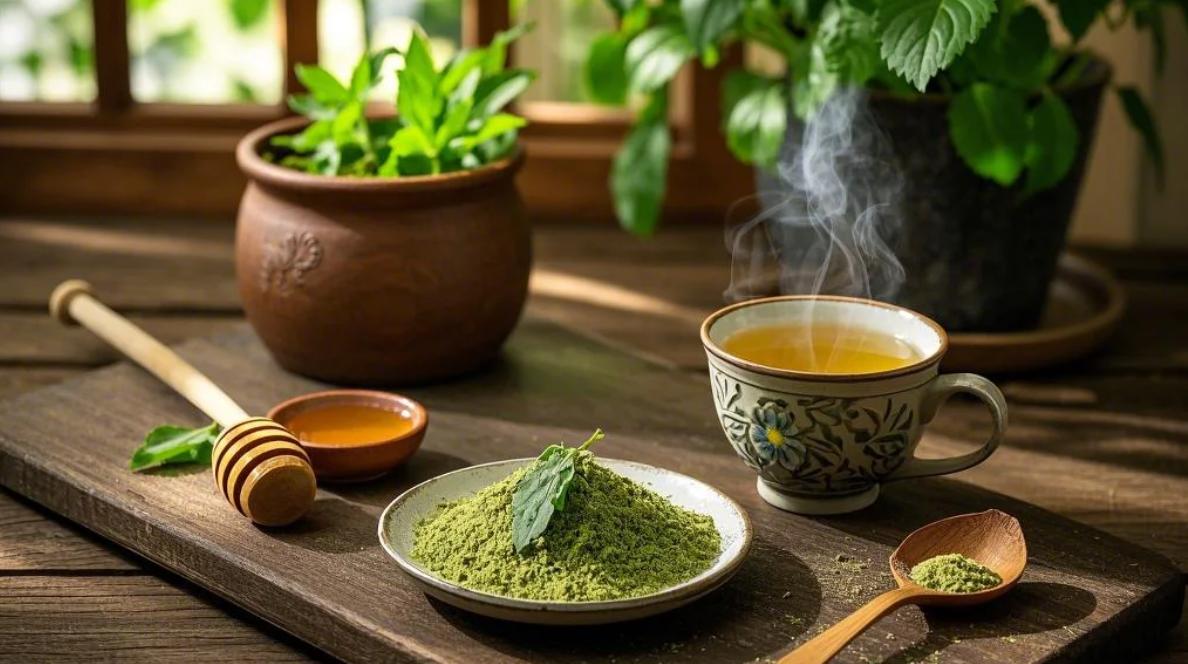
Join the clean sweetness revolution—your body, taste buds, and the planet will thrive! Explore our Organic Stevia Extract Powder and Organic Stevia Leaf Powder today, and taste the difference that thoughtful, organic farming makes in every spoonful.
Recommended Products

Stevia Leaf Extract
Available as a highly water-soluble white powder in multiple purity grades (80%, 90%, 95%,…
Related Posts


