
Table of Contents
In the world of superfoods, the avocado stands alone as a source of creamy goodness and incredible nutrients, particularly its wealth of heart-healthy monounsaturated fats. For home cooks, formulators, and wellness-minded shoppers alike, the fruit has evolved from a salad-bar staple into a versatile functional ingredient. If you’re looking to effortlessly incorporate its remarkable benefits into your daily routine—whether in smoothies, baked goods, dressings, or ready-to-drink beverages—organic avocado powder is an exceptional choice because it delivers the fruit’s signature creaminess, color, and nutrition in a shelf-stable, easy-to-dose format. But with different forms available—from the whole fruit powder to the more specific juice powder—knowing how to select a top-quality product is crucial for maximizing its effectiveness, protecting your formulation’s flavor profile, and ensuring you’re paying for nutrition rather than fillers. Avocado powder also solves a practical problem that fresh fruit cannot: it removes ripening guesswork, cuts prep time, and standardizes nutrition across every batch of a recipe, which is why product developers increasingly reach for it as a clean-label fat and flavor system.
This guide will walk you through what to look for when choosing between organic avocado fruit powder and organic avocado juice powder, explain how each is made, where it performs best in recipes and supplements, and highlight the quality signals that separate a premium powder from a diluted commodity blend.
What Makes Avocado a Superfruit? The Power of Healthy Fats & Nutrients
The avocado’s reputation as a superfruit comes from its rich content of beneficial compounds, and that reputation has only grown as clinical research continues to link daily avocado intake to improved cardiovascular markers, better nutrient absorption, and sustained satiety. Unlike most fruits, which are carbohydrate-dominant, the avocado is built around fat—and that fat is overwhelmingly the good kind. That fat-forward profile is precisely what makes avocado unique among fruits, and it is why the powder earns a place in both indulgent and functional formulations without the blood-sugar spike associated with sweet fruit powders.
- Monounsaturated Fats: Avocados are renowned for their healthy fats, particularly oleic acid, which is a key component for heart health and the same monounsaturated fat celebrated in extra-virgin olive oil. In powder form, that fat survives low-temperature drying and contributes a smooth mouthfeel that helps mask the chalkiness common in lean green powders. Regular intake is also associated with improved cholesterol ratios in several large observational studies, a benefit formulators highlight when positioning avocado powder for heart-health claims.
- Vitamins & Minerals: They are a fantastic source of vitamins K, C, E, and B vitamins, as well as potassium and magnesium—nutrients that support bone metabolism, immune resilience, and normal muscle and nerve function. A single serving of powder can meaningfully contribute to daily intake of these often-under-consumed micronutrients.
- Fiber: The whole fruit is packed with dietary fiber, which is essential for digestive health, steady blood sugar, and a feeling of fullness that keeps snack cravings at bay. Whole-fruit powder retains this fiber, while juice powder trades most of it away for concentration.
- Antioxidants: Avocados contain powerful antioxidants like lutein and zeaxanthin, which are important for eye health and may help counter the oxidative stress linked to aging and screen-heavy lifestyles. These carotenoids are fat-soluble, so the natural fat in avocado powder actually improves their absorption compared with fat-free greens.
Choosing organic avocado is essential because it guarantees you’re getting a pure product, free from the synthetic pesticides, herbicides, and GMOs you’re trying to help your body thrive, and because organic certification also imposes stricter traceability and contaminant testing across the supply chain. It also means the farmland behind your powder is managed for soil health and biodiversity, a factor that increasingly matters to brands building a credible sustainability narrative.
Understanding Your Options: Whole Fruit Powder vs. Concentrated Juice Powder
Each form of organic avocado powder offers distinct benefits, catering to different preferences and needs, so the right choice depends less on which is “better” and more on what your recipe or product is trying to achieve in terms of texture, nutrition density, and label appeal. Whole-fruit powder leans into the “whole food” story that today’s shoppers trust, while juice powder wins on solubility and label lightness—so match the format to the product, not the other way around.
1. Organic Avocado Fruit Powder (Whole Fruit Goodness):
- What it is: Made by drying and finely grinding the entire avocado fruit (excluding the pit), capturing the flesh, skin, and natural oils in a single ingredients story. This is the most common form you’ll find and the most recognizable to consumers shopping for whole-food supplements.
- Benefits: This is a whole-food approach, providing not only vitamins and minerals but also the healthy fats and beneficial dietary fiber from the fruit. It’s a holistic option that supports digestive health in addition to providing nutrients. It has a mild, creamy, and slightly nutty flavor that disappears into savory soups and creamy dressings while lending body to smoothies and protein shakes.
- Ideal for: Those who prefer a less processed, “food-based” supplement. It can be easily blended into smoothies, dips (like guacamole), or sauces for added creaminess, nutrients, and fiber, and it works especially well in better-for-you baked goods where a little fat improves crumb and shelf life.
2. Organic Avocado Juice Powder (Concentrated Potency):
- What it is: A less common but more concentrated form created by juicing fresh avocado and dehydrating the pure juice into a powder. The insoluble fiber and a significant portion of the fat are typically removed in this process, leaving a lighter, more soluble product.
- Benefits: This is a highly concentrated form, providing a potent dose of the water-soluble vitamins, minerals, and other beneficial compounds. The removal of fat and fiber makes it more nutrient-dense by weight and easier to mix into liquids without affecting texture, which is why beverage and stick-pack formulators often prefer it.
- Ideal for: Those seeking maximum nutrient potency in a highly soluble powder for beverages, supplement formulations, or specific recipes where you want a smooth texture and no added fat or fiber, such as clear drinks, effervescent tablets, or encapsulated greens blends.
Your Smart Shopping Checklist: What to Look For (Regardless of Form)
When you’re ready to select your organic avocado powder, keep these critical factors in mind, because the difference between a premium powder and a diluted one is rarely visible on the front label—it shows up in the certificate of analysis, the ingredient line, and the way the product behaves in your kitchen. A reputable supplier will gladly share a certificate of analysis showing moisture, microbial, and heavy-metal results; if that document is unavailable, treat the powder as unverified regardless of how the label reads.
- Always Verify “Organic” Certification:
- Why it Matters: This is your strongest guarantee of purity and quality. It ensures the avocado was grown organically and processed according to strict organic standards, with no sanctioned pesticide residues and no hidden conventional fillers.
- Look For: Clearly displayed organic certification logos (like USDA Organic, EU Organic, or equivalent national marks if applicable) prominently on the packaging, plus a lot code you can trace back to a specific harvest and facility.
- Examine the Color and Aroma:
- Why it Matters: These are key indicators of freshness and nutrient retention, because avocado oil and pigments degrade quickly once exposed to heat, light, and oxygen during processing.
- Look For: A light beige to pale greenish-yellow color. Avocado powder that is vibrant green may have added colorants, and a dark brown color can indicate oxidation or old stock. It should have a mild, pleasant, and slightly nutty aroma. Avoid any powders that smell musty, rancid, or “off,” as those notes signal fat spoilage rather than freshness.
- Consider the Drying Method:
- Why it Matters: The drying process significantly impacts nutrient preservation. High heat can degrade delicate fats and vitamins, while low-temperature methods protect the very compounds you’re buying the powder for.
- Look For: Terms like “freeze-dried” or “low-temperature dried.” Freeze-drying generally retains the most nutrients, color, and flavor. Avoid products where the drying method isn’t specified, or if it indicates high heat, because you may be paying commodity pricing for degraded nutrition.
- Check the Ingredients List: Purity is Paramount:
- Why it Matters: High-quality organic avocado powder should be a clean, single-ingredient product, with nothing added to bulk it out or improve flow at the expense of potency.
- For Whole Powder: The ingredient list should simply state “organic avocado powder” or “organic dried avocado.” Some premium versions also note the cultivar and country of origin, useful signals when you want to differentiate a finished product on provenance.
- For Juice Powder: The ingredient list should simply state “organic avocado juice powder.”
- Avoid: Products with added fillers (like maltodextrin, which is sometimes used for solubility but dilutes the product), artificial flavors, or preservatives, because these dilute the active nutrition and can undermine clean-label claims.
- Review Packaging and Storage:
- Why it Matters: Light, air, and moisture, particularly oxygen, can quickly degrade the delicate fats in avocado powder, leading to rancidity and a sharp, unpleasant taste within months if the product is poorly protected.
- Look For: Airtight, opaque, and resealable packaging (e.g., dark pouches or opaque jars). Store in a cool, dark, dry place once opened, or even better, in the refrigerator to extend freshness and prevent spoilage, and consider a desiccant packet for humid climates. Single-serve stick packs are another option for on-the-go products, though they use more material and should still ship in an outer opaque carton.
By applying these practical tips, you’ll be well-equipped to select a premium organic avocado powder that not only meets your dietary needs but also supports your commitment to natural health and nutritious vitality, whether you’re stocking a home pantry or specifying an ingredient for a finished product. Treat the powder as you would a delicate oil—protect it from heat and light, buy from suppliers who publish third-party tests, and you’ll capture the full spectrum of benefits the fruit is famous for.
The right powder, chosen with care, turns a simple spoonful into a daily dose of whole-food nutrition. How will you unlock the creamy power of avocado today?
Recommended Products
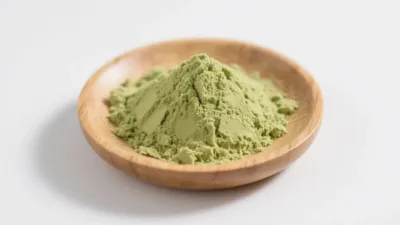
Avocado Powder
Avocado Powder is derived from carefully selected organically grown Persea americana, preserved through either…
Related Posts


