Table of Contents
What is Mung Bean Starch Powder?
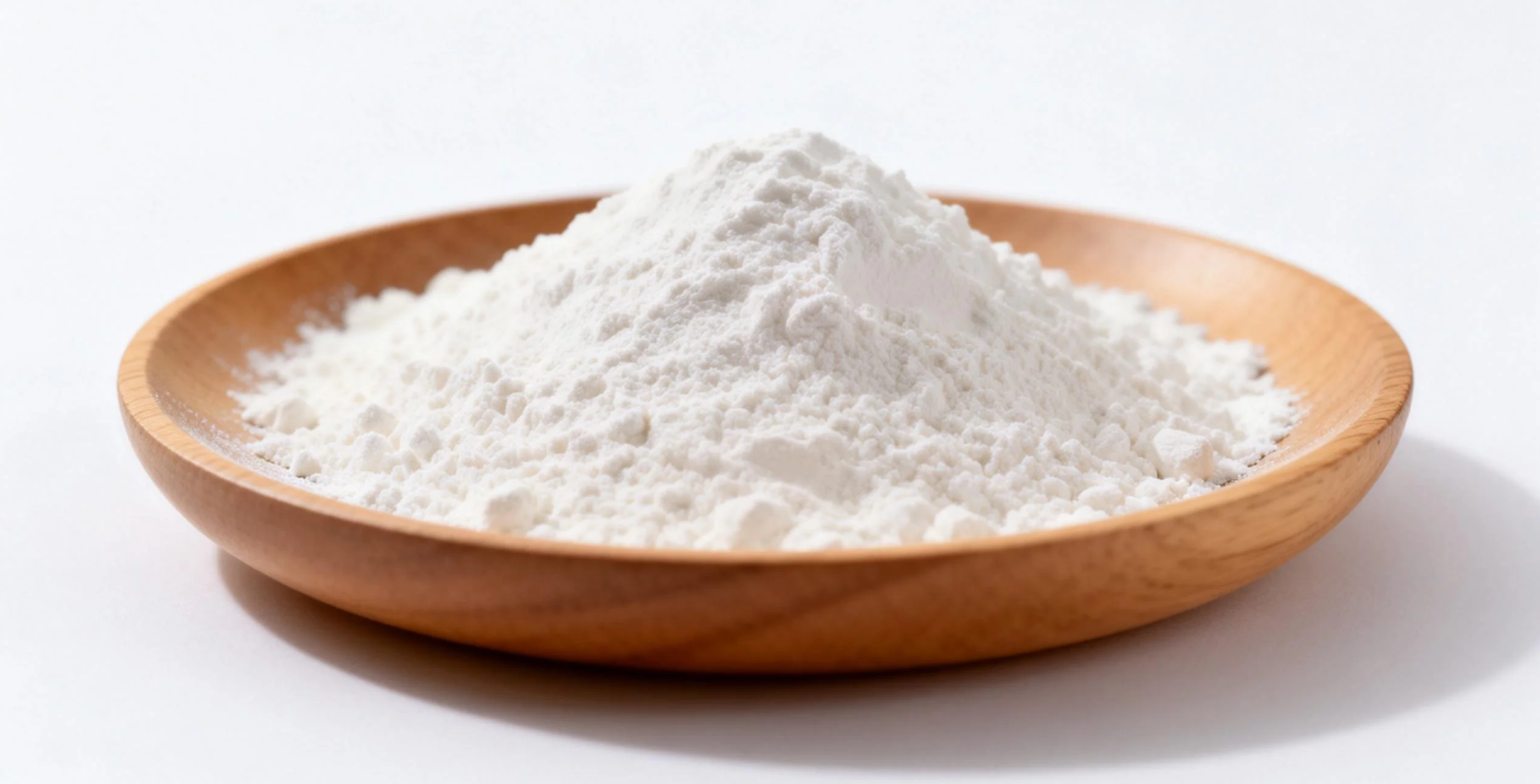
Mung Bean Starch is a premium-grade functional starch sourced exclusively from mung beans (Vigna radiata). Our multi-stage water washing process is the defining production method: by repeatedly washing and separating the starch from protein, fiber, and other non-starch components, we achieve a remarkable ≥98% starch purity with only ≤0.5% residual protein — a specification that far exceeds typical food starches and enables the crystal-clear transparency and high gel strength that distinguish mung bean starch in premium applications.
The brilliant white color is achieved through rigorous physical cleaning and filtration — no chemical bleaching agents, no synthetic solvents are used in our process. This matters for clean-label positioning: ertification mandates physical-only whitening, and the resulting clean ingredient declaration (simply “Mung Bean Starch”) builds consumer trust in an era of ingredient skepticism.
The amylose content of approximately 30–35% places mung bean starch in the high amylose category, comparable to high-amylose corn starch but with superior functional performance in several key dimensions:
- Crystal-Clear Gel Transparency: When cooked, mung bean starch produces gels of exceptional clarity — far superior to corn, potato, or wheat starch, which produce opaque or cloudy gels. This makes it the essential ingredient for glass/fantasy noodles and crystal jelly desserts — products where visual transparency is both a functional requirement and a consumer quality signal.
- Superior Gel Strength: Mung bean starch gels are notably stronger and more elastic than those formed by corn or wheat starch. This translates to clean, sharp cutting edges in gummy and jelly confectionery (no ragged or soft edges), firm bite in glass noodles, and superior shape retention in frozen applications.
- Strong Retrogradation (Amylose Recrystallization): The high amylose content means gels firm up significantly upon cooling — a property known as retrogradation. This is a feature, not a flaw: it enables products that need to hold their shape at room temperature or in refrigerated storage (firm glass noodles, cut gummies, jelly slices). For softer gel textures, blending with FOS (fructooligosaccharide) powder or combining with other starches modulates gel strength.
- Neutral Flavor: Mung bean starch has a clean, neutral taste that does not interfere with delicate flavor systems — critical for premium Asian confections and functional foods where the subtle sweetness of the base product must shine through.
In gluten-free baking, mung bean starch improves crust structure and crispiness without the grittiness associated with some grain starches. Its low protein content (≤0.5%) also means it contributes no wheat-like background flavor that could compromise gluten-free claims.
The high thickening efficiency is another practical advantage: mung bean starch’s peak viscosity is significantly higher than corn starch per unit weight, allowing a replacement ratio of 1.5 : 1 (mung bean starch : corn starch). For manufacturers reformulating corn starch-based products to a cleaner, non-GMO, this means using less starch by weight while achieving equivalent or superior thickening.
Applications span five core categories: (1) Glass / crystal noodles and starch jelly — the signature application where transparency is the product identity; (2) Plant-based gummies and Asian confections — firm, clean-cut gels that hold shape in packaging and on shelf; (3) Gluten-free baked goods — improved crust structure and crispiness; (4) Clean-label thickening for soups, sauces, and gravies — smooth, glossy surface even under high shear or acidic conditions; (5) Coatings and breadings for fried snacks — light, ultra-crispy, non-greasy finish.
Certifications: Non-GMO Project Verified · Vegan · Gluten-Free · Grain-Free · Paleo
Physical & Chemical Specifications
Product Specifications
| Parameter | Specification |
|---|---|
| Source | Mung Bean (Vigna radiata), non-GMO |
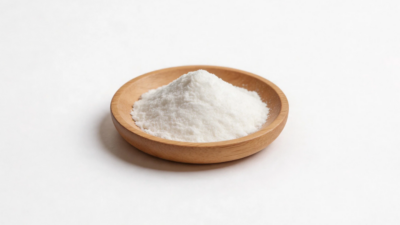
| Appearance | Ultra-fine, brilliant white powder |
| Starch Content | ≥ 98% |
| Protein Content | ≤ 0.5% (high-purity separation) |
| Moisture | ≤ 13.0% |
| Amylose Content | ~30–35% (high amylose) |
| Peak Gelatinization Temperature | 75–85°C |
| Viscosity | High peak viscosity; strong gel retrogradation |
| Color | Brilliant white (no bleaching agents) |
| Allergen Status | Free of common allergens; processed in controlled environment |
| Flavor | Neutral; does not impart taste |
| Shelf Life | 24 months |
Mung Bean Starch vs. Common Food Starches
| Parameter | Mung Bean Starch | Corn Starch | Potato Starch | Tapioca Starch |
|---|---|---|---|---|
| Source | Mung bean (Vigna radiata) | Corn (Zea mays) | Potato (Solanum tuberosum) | Cassava (Manihot esculenta) |
| Starch Purity | ≥98% | ~85–90% | ~80–85% | ~85–90% |
| Protein Residue | ≤0.5% | ~0.5–1.5% | ~0.1–0.5% | ~0.1–0.3% |
| Amylose Content | ~30–35% | ~25–28% | ~20–25% | ~17–20% |
| Gel Clarity | Crystal clear | Slightly cloudy | Cloudy / opaque | Clear to slight haze |
| Gel Strength | Very strong | Moderate | Moderate | Soft |
| Gelatinization Temp | 75–85°C (moderate-high) | 62–72°C (low) | 58–68°C (low) | 58–65°C (low) |
| Thickening Power | High (1.5x corn) | Moderate | High | Moderate |
| Retrogradation | Strong (firm on cooling) | Moderate | High | Low (soft) |
| Freeze-Thaw Stability | Good | Good | Poor | Moderate |
| Neutral Flavor | Excellent | Good | Good (slight potato) | Good |
| Gluten-Free / Paleo | ✓ | ✓ | ✓ | ✓ |
Gel Protocol
- Pre-mix starch with cold water to form a slurry (no lumps)
- Add the starch slurry to boiling liquid
- Heat to 75–85°C to reach peak gelatinization
- Hold at temperature until desired viscosity is reached
- Cool to set the gel — gel firms significantly upon cooling (retrogradation)
Dosage Reference
| Application | Suggested Usage Level |
|---|---|
| Glass Noodles / Crystal Jelly | 5–15% of total formula weight |
| Gummies / Jelly Confectionery | 5–10% (higher for firmer gels) |
| Thickening Soups / Sauces / Gravies | 2–5% |
| Gluten-Free Baking | 5–10% of flour blend |
| Coatings / Breadings (Fried Snacks) | 10–20% in coating mix |
| FOS Blend (Softer Gels) | 30–50% mung bean starch + 50–70% FOS powder |
Microbiological & Contaminant Standards
| Test Item | Specification |
|---|---|
| Total Plate Count (TPC) | ≤ 10,000 cfu/g |
| Yeast & Mould | ≤ 500 cfu/g |
| Coliforms | ≤ 100 cfu/g |
| E. coli | Negative |
| Salmonella | Negative |
| Heavy Metals (Lead) | ≤ 0.1 ppm |
| Heavy Metals (Arsenic) | ≤ 0.05 ppm |
| Heavy Metals (Cadmium) | ≤ 0.1 ppm |
| Glyphosate / Pesticide Residues | Not detected |
Certifications
| Certification | Status |
|---|---|
| Non-GMO Project Verified | ✓ |
| Vegan | ✓ |
| Gluten-Free | ✓ |
| Grain-Free | ✓ |
| Paleo | ✓ |
| Kosher | Available on request |
| Halal | Available on request |
Applications & Formulation Guidelines
Application Matrix
| Category | Applications | Formulation Notes |
|---|---|---|
| Glass / Crystal Noodles | Mung bean noodles, crystal noodles, starch jelly | 5–15% starch; crystal clarity + firm bite are essential quality markers |
| Gummies & Asian Confections | Plant-based gummies, jelly slices, traditional Asian sweets | 5–10% for firm clean-cut gels; higher = firmer; blend with FOS for softer |
| Gluten-Free Baking | Bread crusts, cookies, crackers | 5–10% in flour blend; improves crispiness and structure; no grittiness |
| Thickening (Sauces & Soups) | Gravies, sauces, broths | 2–5%; glossy smooth surface; stable under high shear and acidic pH |
| Coatings & Breadings | Fried snack coatings, tempura batter | 10–20% in coating mix; ultra-crispy, light, non-greasy finish |
| Frozen Foods | Frozen gummies, jelly desserts | Good freeze-thaw stability; firm gel maintains shape through thaw cycles |
Key Functional Benefits
| Benefit | Mechanism |
|---|---|
| Crystal-Clear Transparency | High amylose (~30–35%) + high purity (≥98%) = superior gel clarity vs. corn/potato starch |
| Strong Gel Strength | Amylose retrogradation on cooling creates firm, elastic, clean-cut gels |
| High Thickening Efficiency | 1.5x corn starch by weight — use less, achieve more |
| Clean Label | Single ingredient declaration; no modifiers; physical-only whitening |
| Neutral Flavor | No interference with delicate flavor systems in premium confectionery |
| Low Allergenicity | Processed in controlled environment; no wheat/soy/dairy cross-contact |
| Grain-Free Positioning | Bean-sourced (not grain); enables Paleo and grain-free label claims |
Synergy Tips
- With FOS Powder (Softer Gels): Blend 30–50% mung bean starch with 50–70% FOS powder to achieve softer, more tender gel textures for applications where a firm bite is not desired.
- With Pectin (Dual Network Gels): In gummy applications, combining mung bean starch with low-methoxyl pectin creates dual-network gels with both starch firmness and pectin smoothness — unique texture profile.
- With Xanthan Gum (GF Sauces): For gluten-free sauces requiring both thickening and suspension stability, add 0.1–0.3% xanthan gum to mung bean starch-thickened systems.
- With Corn Starch (Cost Optimization): If budget constraints exist, mung bean starch can partially replace corn starch (up to 50%) to improve gel quality while managing cost — though the 1.5:1 substitution ratio should be recalibrated.
FAQ
Q: Is your mung bean starch bleached?
A: No — absolutely not. Some conventional starches use chemical bleaching agents for color enhancement. Our Mung Bean Starch achieves its brilliant white color through rigorous physical cleaning and filtration only. This is mandated by standards and results in a cleaner ingredient declaration that resonates with clean-label consumers.
Q: Is mung bean starch the same as mung bean flour?
A: No. Mung bean flour contains the whole bean — including protein (~25%) and dietary fiber — giving it a yellow color and opaque appearance when cooked. Mung bean starch is a pure starch isolate: protein and fiber have been removed through multi-stage water washing. This is why it produces crystal-clear gels when cooked, rather than opaque or cloudy results. The high purity (≥98% starch, ≤0.5% protein) is the defining functional difference.
Q: Is mung bean starch truly gluten-free?
A: Yes. Mung beans are naturally gluten-free. We process our starch in a controlled environment specifically designed to prevent cross-contact with wheat or other gluten-containing grains. The ≤0.5% protein specification also confirms minimal non-starch contamination. This makes it safe for celiac and gluten-sensitive consumers and suitable for certified gluten-free product labeling.
Q: How does mung bean starch perform in frozen foods?
A: It has good freeze-thaw stability — gels maintain integrity through freezing and thawing without excessive weeping or structural collapse. However, because it forms strong, firm gels on cooling (retrogradation), it is best suited for frozen applications where a firm bite is desired — such as frozen gummies or jelly slices. For frozen applications requiring a soft, liquid sauce or glaze, a starch with lower retrogradation (e.g., tapioca) would be more appropriate.
Q: What does the amylose content (~30–35%) mean for gel texture?
A: Amylose is the linear starch polymer that retrograde (recrystallizes) upon cooling, creating firm, elastic gels. At ~30–35%, mung bean starch is classified as high amylose, which means: (1) Gels are strong and self-supporting — ideal for cut gummies and firm noodles. (2) Gels firm up significantly on cooling — this is intentional and desirable for shape-hold applications. (3) For softer gels, blend with FOS powder (30–50% mung bean starch : 50–70% FOS) to reduce retrogradation and increase tenderness.
Q: How does mung bean starch compare to corn starch in thickening power?
A: Mung bean starch delivers approximately 1.5 times the thickening power of corn starch by weight. This means 1 kg of mung bean starch provides equivalent thickening to approximately 1.5 kg of corn starch. For manufacturers replacing corn starch with mung bean starch: use 2/3 the amount of corn starch specified in your formula. This efficiency gain partially offsets the higher per-unit cost of mung bean starch.
Q: Why is the ≤0.5% protein specification important?
A: Low residual protein (≤0.5%) delivers three functional benefits: (1) Crystal clarity — protein interferes with light transmission in gels, causing cloudiness; removing it enables the signature transparent gel. (2) Clean flavor — protein carries the beany flavor notes present in mung bean flour; removing it results in neutral-tasting starch. (3) Allergen safety — protein is the fraction that triggers food allergies; the near-complete removal of protein makes cross-contact allergenicity extremely unlikely.
Q: What are the MOQ and shipping options?
A: Sample: 1 kg free of charge (FedEx / UPS / EMS). Standard batch: 25 kg per carton. Lead time: 10–20 business days. Shipping from Qingdao or Tianjin ports, China. DDP delivery available worldwide. In-stock and ready to ship — samples and PDF specification sheets on request.
Packaging & Storage
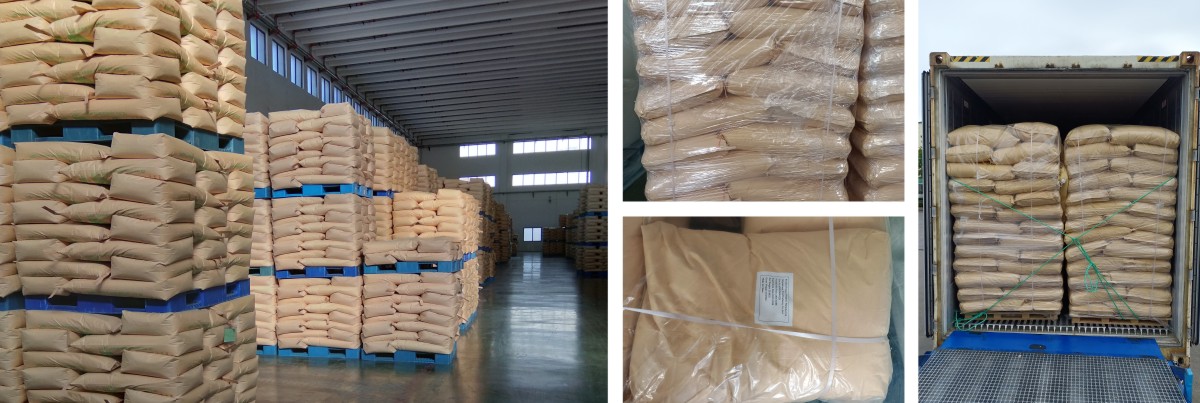
Packaging Specifications
| Package Type | Net Weight | Material |
|---|---|---|
| Standard Kraft Bag | 25 kg | Multi-layer kraft paper with food-grade PE liner |
| Foil-Lined Bag | Available on request | Aluminum foil barrier for extended shelf life |
| Customized Packaging | Available on request | Bulk bags or retail sizes |
Storage Conditions
| Parameter | Requirement |
|---|---|
| Temperature | < 25°C (cool, dry) |
| Humidity | < 60% RH; avoid moisture condensation |
| Light | Standard packaging adequate; no UV-sensitive components |
| Odor | Absorbs strong odors; keep away from pungent substances |
| Shelf Life | 24 months (from production date) |
| Handling | Keep sealed; use clean, dry scooping equipment |