Table of Contents
What is monk fruit extract?
Monk Fruit Extract (Luo Han Guo extract) is a high-intensity natural sweetener extracted from the dried fruit of Siraitia grosvenorii (Swingle) C. Jeffrey, a member of the Cucurbitaceae (gourd) family cultivated exclusively in the karst mountain regions of Guilin, Guangxi Province, China. The fruit has been used for over 800 years in traditional Chinese medicine as a cooling remedy for throat irritation and respiratory conditions — well before its remarkable sweetening properties were chemically characterized.
What distinguishes monk fruit from all other natural sweeteners is its unique sweetness profile: the mogroside glycosides responsible for monk fruit’s sweetness are not metabolized and do not interact with blood glucose, making monk fruit the ideal zero-calorie sweetener for diabetic, ketogenic, and weight-management formulations. Unlike erythritol-based sweeteners, monk fruit provides no cooling sensation or gastrointestinal discomfort at normal use levels.
The Five Standardization Advantage
Monk Fruit Extract by ORGANICWAY is produced in five standardized Mogroside V grades. This tiered approach allows formulators to precisely match the extract’s sensory profile to their application:
- 25% grade: Best for beverage applications where partial sweetness contribution is needed alongside other bulk sweeteners. More cost-effective for volume applications.
- 40–50% grade: The workhorse grade for most commercial applications. Excellent balance of sweetness intensity, taste quality, and cost.
- 80% grade: Premium grade for protein powders, meal replacements, and nutraceuticals where superior taste quality and minimal ingredient impact are valued.
- 95% grade: Ultra-pure grade for pharmaceutical and supplement applications, or products requiring the cleanest possible label declaration.
Certifications Available
Non-GMO Project Verified, Vegan, Gluten-Free, Kosher, Halal.
Minimum Order Quantity
Sample quantities available for specification verification. Commercial volumes in bulk packaging. Contact sales for quotation and lead time.
PHYSICAL & CHEMICAL PROPERTIES
Product Formats and Specifications
| Parameter | 25% Grade | 40% Grade | 50% Grade | 80% Grade | 95% Grade | Test Method |
|---|---|---|---|---|---|---|
| Active Component | Mogroside V ≥25% | Mogroside V ≥40% | Mogroside V ≥50% | Mogroside V ≥80% | Mogroside V ≥95% | HPLC |
| CAS Number | 88901-36-4 | 88901-36-4 | 88901-36-4 | 88901-36-4 | 88901-36-4 | — |
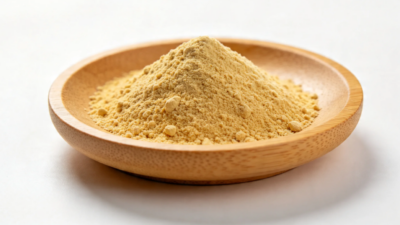
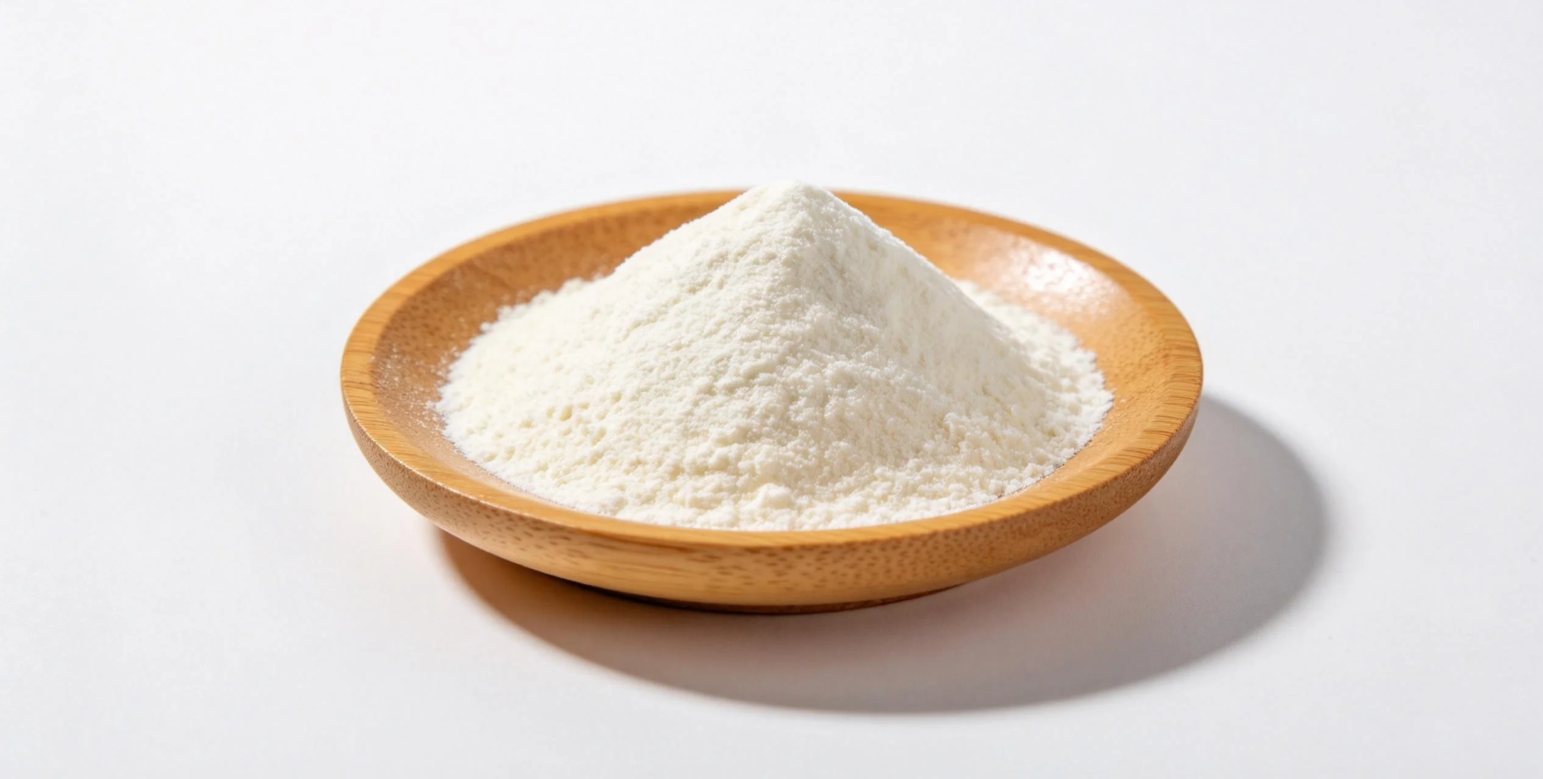
| Appearance | Fine powder, light beige to brown | Fine powder, off-white to light beige | Fine powder, white to off-white | Fine powder, white | Fine powder, white | Visual |
| Sweetness Intensity | ~150× sucrose | ~180× sucrose | ~200× sucrose | ~250× sucrose | ~300× sucrose | Sensory |
| Caloric Value | 0 kcal/g | 0 kcal/g | 0 kcal/g | 0 kcal/g | 0 kcal/g | — |
| Glycemic Index | 0 (non-glycemic) | 0 | 0 | 0 | 0 | — |
| Solubility in Water | Soluble | Soluble | Soluble | Soluble | Slightly soluble | Visual |
| pH Stability | 3.0–9.0 | 3.0–9.0 | 3.0–9.0 | 3.0–9.0 | 3.0–9.0 | Buffer test |
| Heat Stability | Stable to 200°C | Stable to 200°C | Stable to 200°C | Stable to 200°C | Stable to 200°C | Oven test |
| Moisture Content | ≤5.0% | ≤5.0% | ≤5.0% | ≤5.0% | ≤5.0% | Karl Fischer |
| Ash Content | ≤2.0% | ≤2.0% | ≤2.0% | ≤2.0% | ≤2.0% | Gravimetric |
| Particle Size | 80–120 mesh | 80–120 mesh | 80–120 mesh | 80–120 mesh | 80–120 mesh | Sieve |
| Bulk Density | 0.3–0.5 g/mL | 0.3–0.5 g/mL | 0.3–0.5 g/mL | 0.3–0.5 g/mL | 0.3–0.5 g/mL | Tapped |
| Shelf Life | 24 months | 24 months | 24 months | 24 months | 24 months | — |
Mogroside Composition by Grade — HPLC Typical Profile
| Mogroside | 25% Grade | 40–50% Grade | 80% Grade | 95% Grade | Taste Contribution |
|---|---|---|---|---|---|
| Mogroside V | 25% | 40–50% | 80% | 95% | Primary sweet compound |
| Mogroside II | 8–12% | 10–15% | 5–8% | 2–3% | Mild sweetness, slight bitterness |
| Mogroside III | 5–8% | 5–10% | 3–5% | 1–2% | Background sweetness |
| Siamenoside I | 3–5% | 3–5% | 2–3% | <1% | Enhances sweetness perception |
| Grosvenorin I | 2–3% | 2–4% | 1–2% | <1% | Flavor modifier |
Formulation Note: Lower grades (25–50%) contain more non-sweet botanical matrix, which can contribute subtle fruity or herbal notes. Higher grades (80–95%) deliver purer sweetness but may require masking agents for off-notes in certain applications.
Monk Fruit Extract vs Juice Concentrate
| Parameter | Monk Fruit Extract (Standardized) | Monk Fruit Juice Concentrate |
|---|---|---|
| Process | Water extraction + purification + spray drying | Concentration of juice |
| Mogroside Content | 25–95% standardized | 0.5–3% (unstandardized) |
| Sweetness | 150–300× sucrose | 2–5× sucrose |
| Typical Use Level | 50–200 ppm | 5–15% (w/w) |
| Appearance | White/off-white powder | Dark syrup |
| Flavor Contribution | Clean sweetness | Fruity, herbal, floral notes |
| Label Declaration | “Monk Fruit Extract” | “Monk Fruit Juice Concentrate” |
| Volume Contribution | None | Significant |
| Application | High-intensity sweetener | Natural flavor + partial sweetness |
MICROBIOLOGICAL & CONTAMINANT STANDARDS
Microbiological Limits
| Test | Specification | Method |
|---|---|---|
| Total Plate Count (TPC) | ≤10,000 CFU/g | ISO 4833 |
| Yeast & Mold | ≤100 CFU/g | ISO 21527 |
| E. coli | Negative (<3 MPN/g) | ISO 16649 |
| Salmonella spp. | Negative / 25g | ISO 6579 |
Heavy Metal Limits
| Metal | Specification | Method |
|---|---|---|
| Lead (Pb) | ≤0.1 mg/kg | ICP-OES / AOAC 2015.01 |
| Arsenic (As) | ≤0.05 mg/kg | ICP-OES / AOAC 2015.01 |
| Cadmium (Cd) | ≤0.2 mg/kg | ICP-OES / AOAC 2015.01 |
| Mercury (Hg) | ≤0.05 mg/kg | ICP-OES / AOAC 2015.01 |
Regulatory & Purity Standards
- FDA (USA): Monk fruit extract is GRAS as a sweetener and flavor enhancer (GRN No. 000415). No ADI limit established.
- EFSA (EU): Mogrosides listed as a food ingredient under EU Reg 1333/2008. ⚠️ Highly purified extracts (>95%) may require Novel Food authorization under Reg (EU) 2015/2283.
- JECFA / Codex Alimentarius: ADI “not specified” — no safety concern at current use levels.
- China (GB): Approved as food ingredient.
- Japan: Approved as natural sweetener / food ingredient.
- Canada: Approved as natural health product ingredient and food sweetener.
- FSANZ (Australia/NZ): Approved as food additive and novel food (depending on grade).
CERTIFICATIONS
| Certification | Status | Issuing Body |
|---|---|---|
| Non-GMO Project Verified | Available | Non-GMO Project |
| Vegan | Available | Third-party vegan certifier |
| Gluten-Free | Available | GFCO or equivalent |
| Kosher | Available | Orthodox Union (OU) or equivalent |
| Halal | Available | IFANCA or equivalent |
COA, TDS, SDS Certificate provided per batch.
APPLICATIONS & USAGE GUIDELINES
Recommended Application Sectors
| Application | Grade | Typical Dosage | Key Benefits |
|---|---|---|---|
| Carbonated Soft Drinks & Sparkling Water | 40–50% | 50–200 ppm | Zero calorie, heat stable, clean label |
| RTD Tea & Herbal Beverages | 40–50% | 80–300 ppm | Heat stable through HTST/UHT |
| Protein Powders & Meal Replacements | 50–80% | 0.05–0.2% | Intense sweetness, no amino acid interaction |
| Protein Bars & Energy Bites | 40–50% | 0.02–0.1% | Works with high protein matrix |
| Yogurt & Dairy Desserts | 40–50% | 100–400 ppm | pH stable in fermented dairy |
| Tabletop Sweeteners (Packets/Sticks) | 80–95% | Pure or diluted | Maximum sweetness per packet |
| Confectionery (Hard Candy, Gummies) | 40–50% | 0.02–0.1% | Heat stable; no crystallization issues |
| Sauces, Dressings & Condiments | 40–50% | 100–500 ppm | pH stable across wide range |
| Pharmaceutical Excipients | 95% | As required | Pharmaceutical-grade purity available |
| Nutritional Supplements | 50–95% | 50–500 ppm | Zero glycemic impact |
Sweetness Replacement Guide
| Grade | Relative Sweetness | Use Level (to replace 10g sucrose) | Notes |
|---|---|---|---|
| 25% Mogroside V | ~150× sucrose | ~67 mg | Most cost-effective; subtle fruity notes |
| 40% Mogroside V | ~180× sucrose | ~56 mg | Good balance of cost and taste quality |
| 50% Mogroside V | ~200× sucrose | ~50 mg | Recommended default grade |
| 80% Mogroside V | ~250× sucrose | ~40 mg | Premium taste; excellent for protein applications |
| 95% Mogroside V | ~300× sucrose | ~33 mg | Ultra-pure; best for supplements and pharmaceuticals |
Critical Formulation Note: Due to extreme sweetness intensity, monk fruit extract should be pre-blended with a carrier (maltodextrin, erythritol, or allulose) at typical dilutions of 1:10 to 1:20 for accurate weighing and uniform distribution.
Blending Guide — Synergistic Combinations
| Blend Formula | Ratio | Application | Benefits |
|---|---|---|---|
| Monk Fruit + Erythritol | 1:50 to 1:100 | Sugar-free candy, RTD beverages | 1:1 sucrose replacement possible |
| Monk Fruit + Allulose | 1:30 to 1:50 | Keto baked goods, ice cream | Allulose provides bulk and Maillard browning |
| Monk Fruit + Stevia | 1:2 to 1:5 (MF:Stevia) | Beverages, protein drinks | Reduces stevia bitterness; synergistic sweetness |
| Monk Fruit + Erythritol + Allulose | 1:40:20 | Premium keto chocolate | Best-in-class taste profile |
Formulation Notes
Maillard Browning: Monk fruit does NOT participate in Maillard reactions. For baked goods requiring browning, combine with allulose or accept a pale appearance.
Heat Stability: Stable at processing temperatures up to 200°C — suitable for baking, extrusion, and retort processing.
pH Stability: Stable across pH 3.0–9.0 — excellent for acidic carbonated beverages, citrus drinks, and fermented dairy products.
Protein Interaction: At high protein concentrations (≥20%), mogrosides may be partially adsorbed onto protein surfaces, reducing perceived sweetness by approximately 10–20%. Consider a 10–15% overage in high-protein matrices.
Off-Flavor Masking: High-purity grades (80–95%) may develop subtle bitter or metallic aftertaste above 200 ppm. Blend with erythritol or allulose to mask these off-notes.
FAQ
Q1: How do I choose the right Mogroside V grade for my application?
A: Grade selection depends on three factors: taste quality requirements, cost structure, and label impact. 40–50% grade is the recommended starting point for most commercial applications (beverages, protein powders, confectionery) — best balance of intensity, taste quality, and cost. Use 80% grade when superior taste quality is paramount and cost is less constrained (premium protein powders, meal replacements, nutraceuticals). Use 95% grade for pharmaceutical-grade applications, ultra-low-dose formulations, or products requiring the cleanest possible ingredient declaration. Use 25% grade for high-volume beverage applications where cost optimization is critical and slight fruity/herbal notes are acceptable.
Q2: What is the difference between Monk Fruit Extract and Stevia?
A: Both are natural origin zero-calorie sweeteners, but differ significantly: Source: Monk fruit (Siraitia grosvenorii) is a gourd fruit from China; Stevia (Stevia rebaudiana) is a South American shrub leaf. Sweetening Compound: Monk fruit uses mogroside glycosides; stevia uses steviol glycosides (primarily Reb A). Taste Profile: Monk fruit has a cleaner, more sucrose-like taste with minimal to no bitterness at grades below 80%. Stevia — especially high-purity Reb A extracts — often exhibits metallic or bitter aftertaste. Regulatory Status: Both are GRAS in the USA; stevia (E 960) has full EU sweetener authorization; mogrosides occupy a gray area in EU regulation (food ingredient vs. sweetener status varies by grade). Price: Monk fruit is significantly more expensive than stevia per sweetness unit. Blending Synergy: The two work exceptionally well together — monk fruit masks stevia’s bitterness while the combination provides cost-optimized sweetness.
Q3: Can Monk Fruit Extract be used in baked goods and hot beverages?
A: Yes, monk fruit extract is heat stable up to 200°C and suitable for baked goods, hot beverages, and thermal processing (pasteurization, UHT, retort). Two important limitations: Maillard Browning: Monk fruit does NOT participate in Maillard browning reactions. For cookies, cakes, and baked snacks requiring color development, pair with allulose (which does brown) or accept a pale appearance. Volume and Texture: As a high-intensity sweetener, monk fruit provides no bulk, structure, or moisture-retention function. It must be combined with bulk ingredients (allulose, erythritol, flour, almond flour) for proper formulation. Monk fruit is excellent for keto baked goods when blended with allulose as the primary bulk sweetener.
Q4: Is Monk Fruit Extract safe for children, pregnant women, and people with diabetes?
A: Yes. Monk fruit has an exceptional safety profile based on both traditional use and modern scientific evaluation. Traditional Use: The Luo Han Guo fruit has been consumed in China for over 800 years, including by children and pregnant women in traditional contexts. JECFA Assessment: ADI “not specified” — no safety concern at current use levels. Modern GRAS Review: FDA’s GRAS determination found no toxicity concerns at levels up to 400 mg/kg body weight per day. Diabetes: Monk fruit is completely non-glycemic — not metabolized for energy and does not raise blood glucose. Allergenicity: No known food allergens are associated with monk fruit. It is considered hypoallergenic.
Q5: What is the regulatory status of Monk Fruit Extract in the EU and UK?
A: ⚠️ Important regulatory warning: The EU and UK regulatory situation for monk fruit (mogrosides) is complex and requires careful navigation. EU (EFSA / Reg 1333/2008): Mogrosides from Siraitia grosvenorii are currently listed as a food ingredient (not as an authorized sweetener E number) under EU Regulation 1333/2008. This means they can be used as an ingredient without a specific sweetener authorization, but cannot be labeled as an “approved sweetener” in the same category as stevia (E 960). Additionally, highly purified mogroside extracts may be classified as Novel Foods under Regulation (EU) 2015/2283, requiring pre-market authorization. Extracts with >95% mogroside purity carry higher regulatory risk. UK (post-Brexit): The UK has its own Novel Food authorization process through the FSA/FSS. Verify Novel Food status for your specific grade and application. Contact ORGANICWAY sales for current regulatory documentation and market-specific guidance.
Q6: Can Monk Fruit Extract be combined with protein powders?
A: Monk fruit extract is compatible with protein powders and does not adversely affect amino acid stability. Unlike sweeteners that react with amino acids (Maillard-type reactions), monk fruit’s mogrosides are chemically stable and unreactive with proteins. However, there are two practical considerations: Sweetness Loss at High Protein Concentration: At protein concentrations ≥20% in the finished powder, mogrosides may be partially adsorbed onto protein surfaces, reducing perceived sweetness by approximately 10–20%. Formulators should taste-test finished products and consider a modest overage (10–15%) in high-protein formulations. Blending Recommendation: For best results in protein powders, blend monk fruit with erythritol (50:1 to 100:1 ratio). The erythritol provides bulk sweetness contribution and helps distribute the monk fruit evenly throughout the powder matrix.
Q7: What is the difference between Monk Fruit Extract and Monk Fruit Juice Concentrate?
A: These are fundamentally different products: Monk Fruit Extract (Standardized): Water extraction + purification + spray drying. Mogroside V content standardized to 25–95%. Appearance: white to off-white powder. Use level: 50–200 ppm. Label: “Monk Fruit Extract.” Application: high-intensity sweetener replacement. Monk Fruit Juice Concentrate: Concentration of monk fruit juice through evaporation. Mogroside content unstandardized (typically 0.5–3%). Appearance: dark brown syrup. Use level: 5–15%. Label: “Monk Fruit Juice Concentrate.” Application: provides both sweetness AND flavor (fruity, herbal) AND bulk in the formulation. Choose extract for clean-label sweetness replacement; choose concentrate for flavor-forward formulations.
Q8: What documentation and certifications do you provide for international regulatory compliance?
A: Each shipment includes: COA: Batch-specific with Mogroside V assay (HPLC), moisture, ash, heavy metals, and microbiological results. TDS: Full specifications, handling instructions, regulatory information. SDS: GHS-compliant safety information. Non-GMO Project Verification Certificate: Per-batch verification. Halal Certificate: Batch-specific for Muslim market compliance. Country of Origin: Per shipment. For EU market entry, documentation supporting food ingredient vs. Novel Food classification is available. For pharmaceutical excipient applications, additional specification sheets are available upon request.
PACKAGING & STORAGE
Packaging Options
| Package Size | Grade Availability | Packaging Material | MOQ |
|---|---|---|---|
| 100g | All grades | Aluminum foil pouch | Trial |
| 500g | All grades | Aluminum foil pouch | Trial |
| 1 kg | All grades | Aluminum foil pouch / tin | Trial |
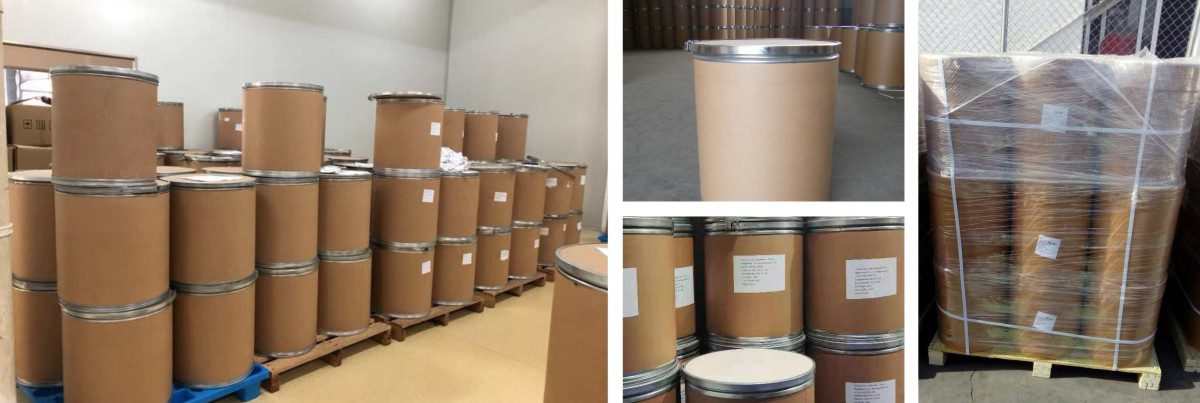
| 5 kg | 25–50% grades | Drum with PE liner | Standard |
| 10 kg | 25–50% grades | Drum with PE liner | Standard |
| 20 kg | 25–50% grades | Drum with PE liner | Standard |
| Custom | All grades | Bulk bag / customized | Commercial |
All packaging materials comply with EU 10/2011 and FDA 21 CFR food-contact regulations.
Storage Conditions
- Storage temperature: ≤25°C (cool, dry environment)
- Relative humidity: ≤55% RH
- Avoid: Moisture, humidity, strong odors, direct sunlight, temperatures above 35°C
- Shelf life: 24 months from manufacturing date (sealed, unopened)
- Precautions: Monk fruit extract is hygroscopic — minimize exposure to atmospheric moisture. Reseal packaging immediately after opening.