Table of Contents
What is yam powder?
Yam Powder occupies a distinctive category among plant-based functional ingredients because it bridges two pharmacopeial traditions — the East Asian therapeutic use of Shan Yao (Dioscorea opposita, listed in the Chinese Pharmacopoeia) and the Western herbal tradition of wild yam (Dioscorea villosa) — while meeting the technical performance standards required by contemporary food and nutraceutical manufacturers. ORGANICWAY sources and processes both enabling formulators to work with a single supplier for either species or a custom blend optimized for specific application targets.
Dioscorea opposita (Chinese Yam) — Prebiotic and Metabolic Focus
Dioscorea opposita root delivers a functionally rich nutritional matrix. Its prebiotic inulin and fructooligosaccharide content (15–20%) selectively promotes Bifidobacterium and Lactobacillus colonization in the distal colon, supporting gut microbiota balance, mucosal integrity, and systemic immune readiness. The resistant starch fraction (10–15%) provides colonic fermentation substrate distinct from soluble fiber, producing butyrate — the primary energy source for colonocytes — and improving insulin sensitivity by attenuating postprandial glucose excursion. Mucopolysaccharides, including yam-characteristic mucilage, contribute to gastric mucosal coating and gastrointestinal protective effects validated in traditional medicine and increasingly supported by modern in vitro and animal studies. The combined effect on glycemic response — reflected in a measured GI of 35, placing yam among the lower-glycemic starch sources — makes D. opposita powder particularly relevant for metabolic wellness, diabetes-friendly, and weight management formulations.
Dioscorea villosa (Wild Yam) — Hormonal and Anti-Inflammatory Focus
Dioscorea villosa contributes diosgenin at concentrations of 1.5–3% — a phytosteroid sapogenin structurally related to progesterone and DHEA. Diosgenin is not itself a hormone and does not function as one in the human body; rather, it acts as a biochemical template for in vitro synthesis of steroidal pharmaceutical intermediates and is being studied as a modulator of cholesterol metabolism, anti-inflammatory pathways (particularly COX-2 inhibition), and estrogen receptor signaling. The allantoin naturally present in wild yam root — a compound with established dermatological utility in wound healing and skin cell regeneration — supports the ingredient’s use in topical and cosmeceutical applications. The combination of diosgenin and allantoin makes wild yam powder particularly relevant for women’s health supplements, menopausal support products, and premium anti-aging skincare formulations.
Processing and Quality Foundation
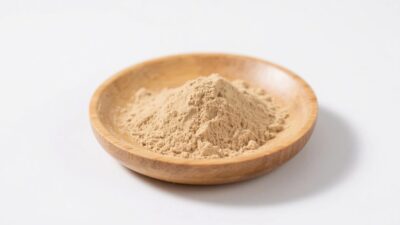
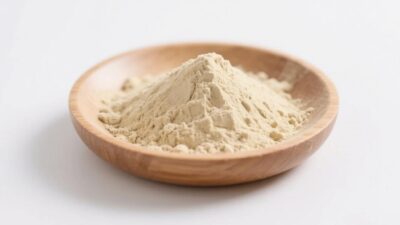
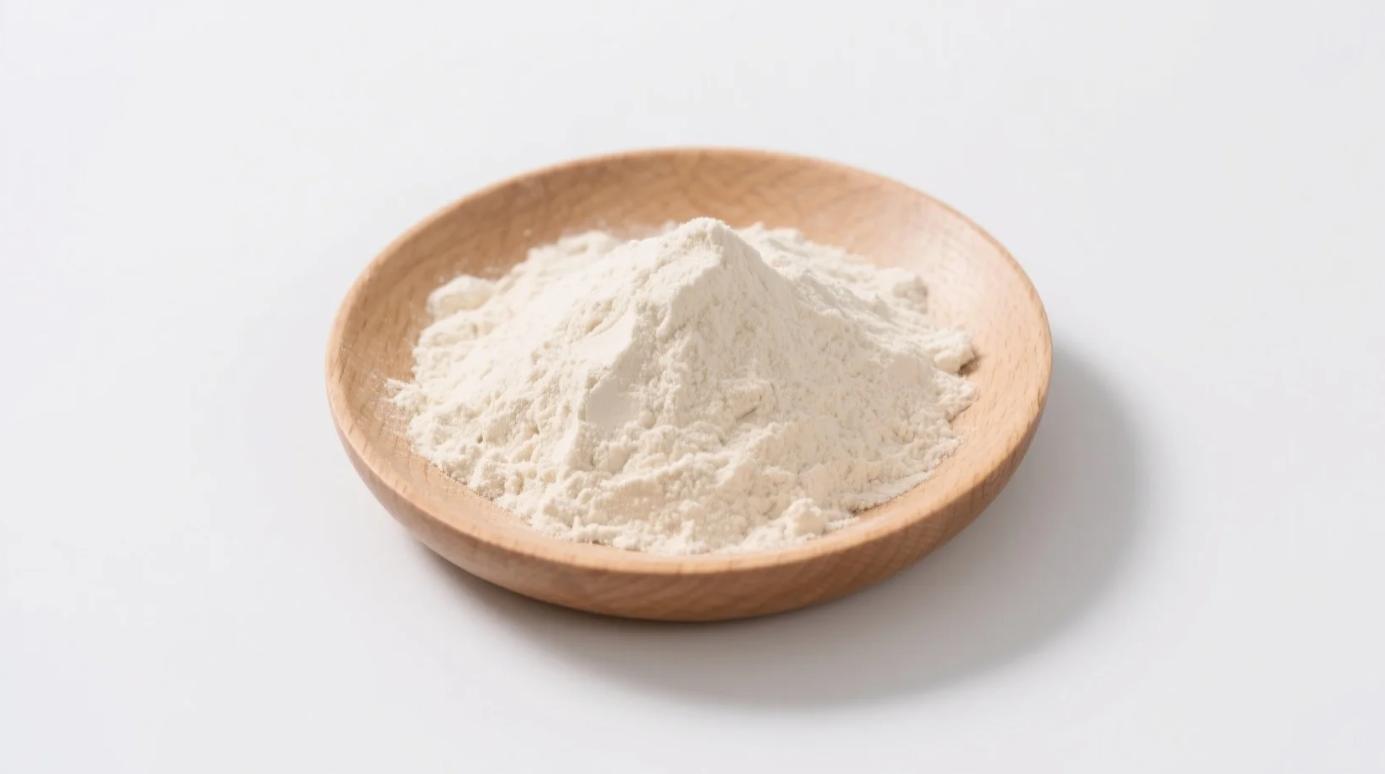
ORGANICWAY’s Yam Powder is produced through steam pasteurization followed by low-temperature drying and precision milling to 80–200 mesh. The low-temperature processing preserves heat-sensitive bioactives including diosgenin (stable to approximately 150°C) and prebiotic fiber structures while achieving the particle uniformity needed for smooth dispersion and consistent downstream performance. No chemical solvents, bleaching agents, or fillers are used at any stage. The resulting powder is a creamy-beige fine powder with a mildly sweet, earthy flavor and a water-binding capacity of approximately 3× its weight — a functional property that reduces the need for added fats and gums in certain food applications.
PHYSICAL & CHEMICAL SPECIFICATIONS
Product Specifications
| Parameter | Dioscorea opposita (Chinese Yam) | Dioscorea villosa (Wild Yam) |
|---|---|---|
| Botanical Name | Dioscorea opposita Thunb. | Dioscorea villosa L. |
| Plant Part | Root / Rhizome | Root / Rhizome |
| Processing | Steam-pasteurized, low-temp dried, stone-milled | Steam-pasteurized, low-temp dried, stone-milled |
| Appearance | Creamy-beige to light tan fine powder | Creamy-beige to light tan fine powder |
| Flavor | Mildly sweet, earthy, neutral | Mildly sweet, earthy, slightly bitter |
| Moisture | ≤7% | ≤7% |
| Particle Size | 80–200 mesh (customizable) | 80–200 mesh (customizable) |
| Diosgenin Content | Trace (not the active focus) | 1.5–3% (by HPLC) |
| Prebiotic Fiber (Inulin/FOS) | 15–20% | 5–10% |
| Resistant Starch | 10–15% | 5–8% |
| Total Starch | 60–70% | 50–60% |
| Glycemic Index | ~35 (low GI) | ~38 (low GI) |
| Allantoin | Low | 0.2–0.5% |
| Solubility | Dispersible; thickens when heated | Dispersible; thickens when heated |
| Water-Binding Capacity | ~3× weight | ~3× weight |
| Shelf Life | 24 months | 24 months |
Application Matrix
| Application | Suitability | Recommended Species | Notes |
|---|---|---|---|
| Women’s health supplements (menopausal support) | Excellent | D. villosa (wild yam) | Diosgenin content supports hormonal balance positioning |
| Gut health and prebiotic supplements | Excellent | D. opposita (Chinese yam) | High inulin/FOS content; Bifidogenic effect |
| Metabolic wellness / diabetic-friendly foods | Excellent | D. opposita | Low GI (35); resistant starch supports insulin sensitivity |
| Anti-aging and skin-health cosmetics | Excellent | D. villosa | Allantoin for skin regeneration; diosgenin for collagen support |
| Infant nutrition (prebiotic base) | Good | D. opposita | Gentle prebiotic; non-allergenic; mild flavor |
| Functional bakery and baked goods | Good | D. opposita | Flour partial substitute (15–30%); adds moisture, fiber |
| Smoothie boosters and meal replacements | Excellent | D. opposita / Blend | Natural thickening; mild sweetness; clean label |
| Sports nutrition and recovery | Good | Blend | Sustained energy from resistant starch + clean protein |
| Hormone balance capsules/tablets | Excellent | D. villosa | Diosgenin precursor for vegan DHEA/progesterone positioning |
| Traditional Chinese medicine (TCM) formulations | Excellent | D. opposita | Pharmacopoeia-listed; Shan Yao monograph |
MICROBIOLOGICAL & CONTAMINANT STANDARDS
| Test | Specification |
|---|---|
| Total Plate Count | ≤10,000 CFU/g |
| Yeast & Mold | ≤100 CFU/g |
| Coliforms | ≤100 CFU/g |
| E. coli | Negative / g |
| Salmonella | Negative / 25g |
| Staphylococcus aureus | Negative / g |
| Lead (Pb) | <0.1 mg/kg (ppm) |
| Arsenic (As) | <0.05 mg/kg (ppm) |
| Cadmium (Cd) | <0.1 mg/kg (ppm) |
| Mercury (Hg) | <0.05 mg/kg (ppm) |
| Pesticide Residues | Below EU MRL / USDA-NOP limits |
| Solvent Residues | None (no solvent extraction) |
| Allergens | Allergen-free |
| Gluten | <20 ppm |
All batches tested and released against specifications. Certificate of Analysis (CoA) available with every shipment.
CERTIFICATIONS
| Certification | Status |
|---|---|
| Non-GMO Project Verified | Yes |
| Vegan | Yes |
| Gluten-Free | Yes |
| Allergen-Free | Yes |
| Kosher | Available on request |
| Halal | Available on request |
| ISO 22000 / FSSC 22000 | Compliant |
| HACCP | Compliant |
| China NHFPC Compliant | Yes (D. opposita listed in Chinese Pharmacopoeia) |
| FDA Food Safety Compliant | Yes |
| Species Authentication | DNA barcoding + HPLC diosgenin verification |
APPLICATIONS & FORMULATION TIPS
Key Functional Benefits
1. Prebiotic Fiber System (Inulin + Resistant Starch)
The combined prebiotic fiber architecture of D. opposita powder — inulin/FOS (15–20%) plus resistant starch (10–15%) — delivers a two-stage fermentation dynamic in the colon. The soluble inulin fraction is rapidly fermented in the proximal colon, producing acetate and propionate and promoting early-stage Bifidobacterium bloom. The resistant starch fraction migrates to the distal colon for slower fermentation, generating butyrate — the preferred fuel for colonic epithelial cells — and sustaining prebiotic activity across a longer colonic transit. This two-wave fermentation profile is clinically more comprehensive than a single-fiber prebiotic strategy, and positions yam powder as a whole-food prebiotic with a nuanced mechanistic story that increasingly sophisticated gut-health formulators can leverage.
2. Diosgenin and Phytosteroid Activity (Wild Yam)
Diosgenin — the principal phytosteroid sapogenin in D. villosa — occupies a unique position in the functional ingredient landscape because it is structurally related to sex steroid hormones (progesterone, DHEA, estrogens) while not itself being a hormone and not being directly converted to hormones by human enzymes. Its mechanism of action is currently understood to include cholesterol metabolism modulation (down-regulating HMG-CoA reductase activity), COX-2 anti-inflammatory pathway inhibition, and possible estrogen receptor beta modulation at pharmacologically relevant concentrations. For supplement formulators, diosgenin enables “vegan phytosteroid support” and “natural hormonal precursor” positioning without making prohibited drug-like claims. The allantoin content of wild yam further supports a “regenerative” and “soothing” functional narrative for cosmeceutical applications.
3. Glycemic Management and Metabolic Support
The low glycemic index of yam powder (GI ~35) — significantly lower than potato starch (GI 70–85), rice flour (GI 70–90), and wheat flour (GI 71–85) — derives from both its resistant starch content and the structural characteristics of yam starch granules, which are more slowly gelatinized and digested than those of cereal starches. This makes yam powder a technically compelling partial flour substitute for manufacturers targeting diabetic-friendly, low-GI, or metabolic wellness positioning, where replacing a proportion of high-GI cereal flour with yam powder can meaningfully improve the glycemic profile of the finished product while adding prebiotic fiber and clean-label appeal.
Formulation Guidance
Beverages and Smoothies:
- Recommended inclusion: 5–15 g per serving
- Fine mesh (100–200 mesh) preferred for smooth texture
- Natural thickening effect when hydrated — reduce or eliminate gums in clean label formulations
- Mild sweet-earthy flavor pairs well with vanilla, cinnamon, and banana profiles
- Pre-disperse in cold liquid before heating to control viscosity development
Bakery and Baked Goods:
- Partial flour replacement: 15–30% substitution level without dough-structure compromise
- Adds moisture retention, extending product shelf life
- Reduces water activity through starch hydration, improving microbial stability
- Natural earthy sweetness may reduce added sugar requirement by 5–10% depending on formulation
- Adjust hydration: yam powder’s ~3× water-binding capacity requires increased total liquid content
Nutraceuticals — Capsules and Tablets:
- D. villosa (wild yam) powder: 500 mg–2 g per serving for hormonal support positioning
- D. opposita (Chinese yam) powder: 2–5 g per serving for prebiotic gut health positioning
- Blend with complementary botanicals (black cohosh, dong quai) for women’s health formulations
- Combine with probiotics (Bifidobacterium longum, Lactobacillus acidophilus) for synbiotic formulations
- Appropriate for both powder sachet and encapsulated formats
Cosmetics and Topical Formulations:
- D. villosa extract or powder for cream, serum, and mask formulations
- Allantoin from wild yam provides skin-soothing and cell-renewal claims (typically 0.2–1% inclusion)
- Diosgenin supports “phytosteroid collagen stimulation” and “menopausal skin support” claims
- Compatible with standard cosmetic bases; test pH compatibility before finalization
FAQ
Q: What is the difference between Dioscorea opposita (Chinese yam) and Dioscorea villosa (wild yam)?
A: Dioscorea opposita, known as Chinese yam or Shan Yao, is the yam species most commonly used in East Asian functional food and traditional Chinese medicine contexts. It is the species listed in the Chinese Pharmacopoeia and is prized for its high inulin and mucopolysaccharide content, prebiotic fiber profile, and gentle metabolic effects. Dioscorea villosa, or wild yam, is the North American species with a significant diosgenin content (1.5–3%) that underlies its use in Western herbal medicine for women’s health, hormonal balance, and anti-inflammatory support. ORGANICWAY can supply either species individually or as a custom blend depending on your formulation target. D. opposita is the preferred choice for food and prebiotic applications; D. villosa is the preferred choice for hormonal support supplements and cosmeceuticals.
Q: Does yam powder contain natural progesterone or DHEA?
A: No. Yam powder — whether from D. villosa or D. opposita — does not contain progesterone, DHEA, or any other mammalian steroid hormone. D. villosa contains diosgenin, a phytosteroid sapogenin that is structurally related to progesterone and DHEA and can be chemically converted to these hormones in a pharmaceutical laboratory setting. However, the human body does not convert diosgenin into progesterone or DHEA on its own. Products positioned around wild yam for hormonal support are making a claim about the botanical’s diosgenin content as a “precursor” or “phytosteroid support” ingredient — not a claim about actual hormone delivery. Formulators should ensure marketing claims comply with applicable regulations in their target markets.
Q: How does yam powder differ from yam extract or yam starch?
A: Yam Powder is the whole root processed into a fine powder, retaining the full spectrum of bioactive constituents — prebiotic fiber, resistant starch, diosgenin (in wild yam), mucopolysaccharides, and minerals — in their natural matrix. Yam extract (e.g., diosgenin extract standardized to 16% or 20% diosgenin) is a concentrated form isolating a specific bioactive for high-potency supplement applications; it involves solvent or hydroalcoholic extraction and delivers a much higher diosgenin dose per gram. Yam starch is the isolated starch fraction of the root, used as a functional food ingredient for thickening and texturizing with a GI advantage over potato or corn starch, but without the prebiotic fiber or diosgenin of the whole root powder. ORGANICWAY primarily supplies the whole-food powder; contact us regarding extract specifications for high-potency supplement applications.
Q: Is yam powder suitable for infant nutrition applications?
A: Dioscorea opposita (Chinese yam) powder is suitable for infant nutrition formulations at appropriate inclusion levels. Its prebiotic inulin and FOS content supports infant gut microbiota development, aligning with the bifidogenic prebiotic profile associated with healthy early-life colonization. The ingredient is allergen-free, non-GMO, and has a long history of use in infant foods in East Asia. Dioscorea villosa (wild yam) is NOT recommended for infant nutrition due to the presence of diosgenin and its traditional association with hormonally active applications; its use in products intended for children requires careful regulatory review. Formulators should verify applicable infant nutrition regulations in their target market before use.
Q: What is the water-binding capacity of yam powder, and why does it matter?
A: Yam powder has a water-binding capacity of approximately 3× its weight — meaning that 10 g of yam powder can absorb and retain approximately 30 g of water. This functional property matters for several reasons: in beverages and smoothies, it creates a natural thickening effect that can partially or fully replace hydrocolloid gums (xanthan, guar, carrageenan), which is a significant clean label formulation advantage. In baked goods, the high water-binding capacity improves moisture retention, extending shelf life and maintaining soft crumb texture over time. In meat analogs and plant-based foods, it functions as a natural binder and texture modifier. Formulators should account for this water-binding by increasing total liquid content when substituting yam powder for conventional flour or starch.
Q: What is the glycemic index of yam powder, and how does it compare to other starches?
A: Yam powder from D. opposita has a measured glycemic index of approximately 35 — placing it in the “low GI” category (GI <55). This compares favorably to potato starch (GI 70–85), white rice flour (GI 72–89), and wheat flour (GI 71–85), and is broadly comparable to oat flour (GI 55) and barley flour (GI 28–34). The low GI results from yam starch’s unique granule structure — which is more resistant to amylolytic digestion — combined with the resistant starch and inulin fraction that escapes small intestinal digestion entirely. For manufacturers targeting diabetic-friendly, metabolic wellness, or low-GI labeling claims, partial replacement of high-GI flours with yam powder (15–30%) can provide both a meaningful GI reduction and an added fiber/prebiotic benefit.
Q: What is the minimum order quantity and lead time?
A: 1 kg free sample with full Certificate of Analysis is available for qualifying buyers via FedEx, UPS, or EMS. Commercial orders start at 25 kg. Custom blend orders (D. opposita + D. villosa) require a minimum of 50 kg. Private label orders require 100 kg minimum. Lead time: 10–20 working days from order confirmation. Standard packaging: 25 kg multi-ply kraft paper bags. Custom packaging including fiber drums, IBC super sacks, and branded private label packaging available upon request. Incoterms available: FOB Qingdao or Tianjin, DAP, DDP. Payment terms: T/T, L/C, D/P, D/A. Documentation package includes CoA, non-GMO certificate, species authentication certificate, MSDS, and TDS with every shipment.
PACKAGING & STORAGE
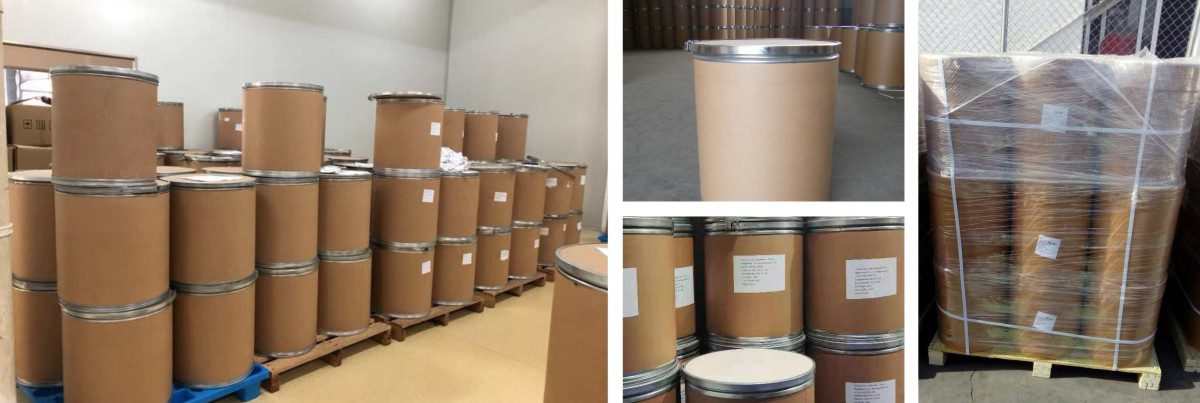
Packaging
| Format | Standard Packaging | Custom Options |
|---|---|---|
| Yam Powder (25 kg) | Multi-ply kraft paper bag with PE inner liner | 5 / 10 / 20 kg bags; fiber drums; IBC super sacks; branded packaging for private label |
Storage Conditions
| Parameter | Value |
|---|---|
| Temperature | Cool, dry place; ≤25°C recommended |
| Humidity | <60% RH |
| Light | Avoid direct sunlight |
| Odor | Store away from strong odors |
| Shelf Life (sealed) | 24 months from production date |
| Opened Packaging | Use within 6 months; reseal tightly after each opening |