Table of Contents
What is Organic Stachyose Powder?
Organic Stachyose occupies a distinctive position in the prebiotic landscape due to its unique tetrasaccharide structure and dual prebiotic mechanism. Unlike disaccharide prebiotics such as FOS or GOS, stachyose is a tetrasaccharide — four monosaccharide units linked together — which confers two functionally distinct advantages. First, its larger molecular size means it is entirely resistant to salivary and gastric digestion, arriving intact in the colon where resident bacteria ferment it. Second, this structural specificity translates into a selectively bifidogenic fermentation profile: stachyose is preferentially metabolized by Bifidobacteria and Lactobacilli — the two genera most strongly associated with clinical gut health outcomes — rather than producing broad-spectrum fermentation that generates gas and gastrointestinal discomfort.
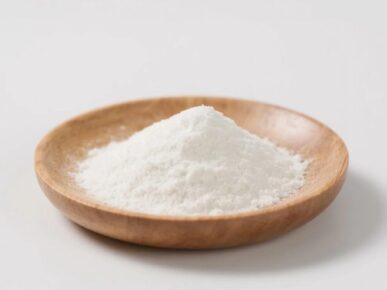
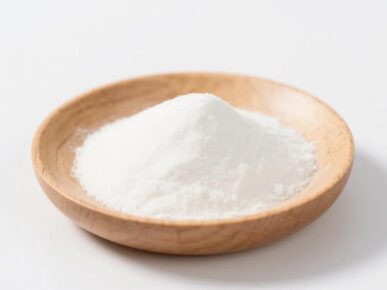
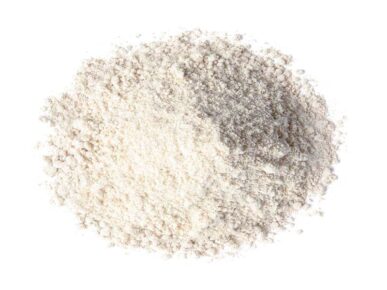
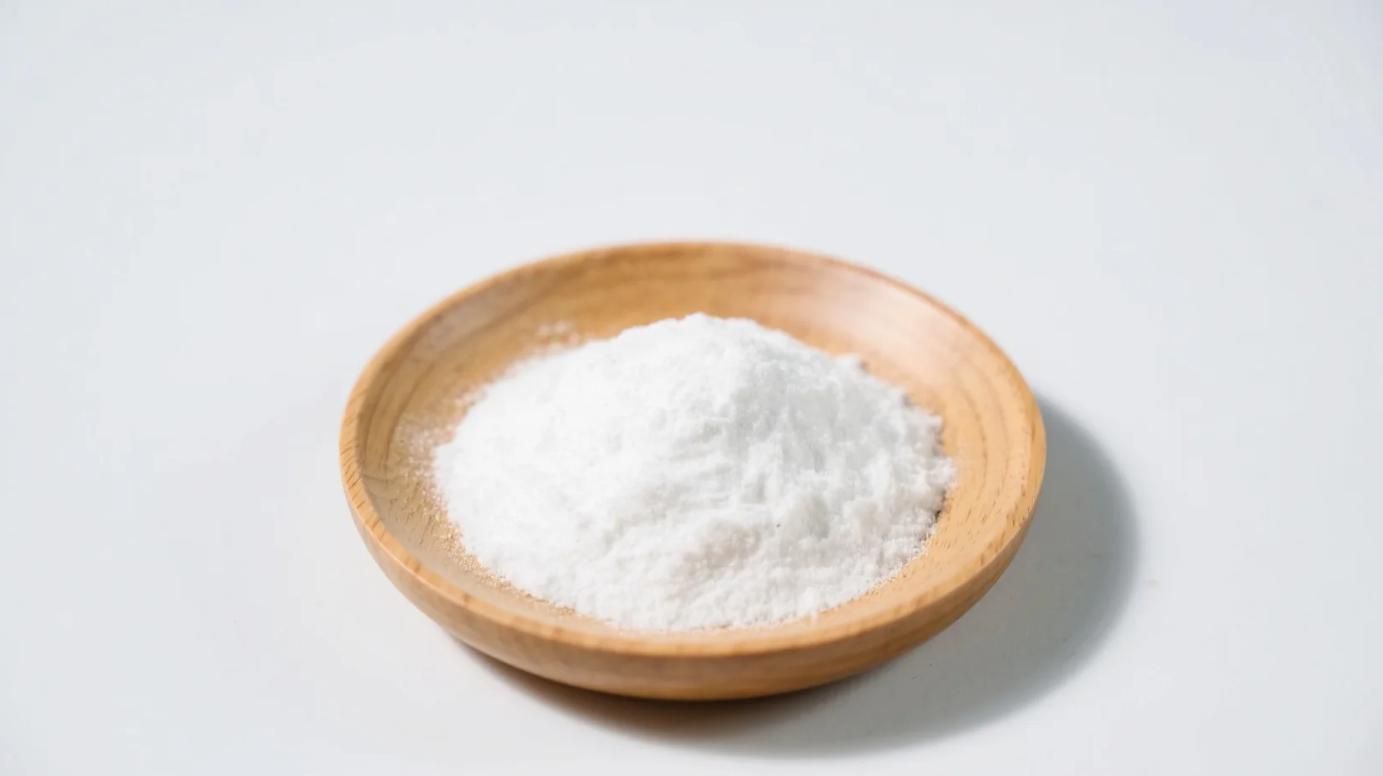
ORGANICWAY’s Organic Stachyose is extracted from organic Stachys Floridana and non-GMO soybeans using hot water extraction followed by ion exchange chromatography purification, yielding a white crystalline powder with a purity of ≥95% (HPLC tested), customizable from 90–98% for specific application requirements. Its exceptional heat stability — stable up to 160°C — distinguishes it from most other commercial prebiotics and enables its use in high-temperature processed foods such as baked goods, pasteurized functional beverages, and extruded snack products, where most heat-labile prebiotics would degrade. The mineral absorption benefit adds a second clinically relevant dimension: stachyose fermentation in the colon produces short-chain fatty acids that lower colonic pH, converting mineral salts to more bioavailable forms and increasing calcium and magnesium absorption by 15-20% — a finding with direct implications for bone health, osteoporosis prevention, and children’s nutrition.
The neutral taste profile of stachyose is a significant formulation advantage: unlike some prebiotics that introduce bitter, metallic, or off-flavor notes, stachyose is essentially tasteless at effective doses, allowing it to function invisibly in finished products without competing with or masking the flavor profile of the base food or beverage.
PHYSICAL & CHEMICAL SPECIFICATIONS
Product Specifications
| Parameter | Value |
|---|---|
| Appearance | White crystalline powder |
| Botanical Source | Stachys Floridana / non-GMO soybeans |
| Extraction | Hot water extraction, ion exchange purification |
| Stachyose Purity | ≥95% (HPLC); customizable 90-98% |
| Solubility | ≥98% in water |
| Moisture | ≤5.0% |
| Particle Size | 80-120 mesh |
| pH Stability | Stable at pH 2.0-8.0 |
| Heat Stability | Stable up to 160°C |
| Caloric Value | ~2 kcal/g |
| Taste | Neutral |
| Shelf Life | 24 months |
Application Matrix
| Application | Suitability | Notes |
|---|---|---|
| Prebiotic capsules and tablets | Excellent | Low-dose efficacy; neutral taste; powder form ideal |
| Chewable tablets (children/elderly) | Excellent | Neutral taste; safe and gentle |
| Synbiotic formulations | Excellent | Natural complement to Bifidobacterium and Lactobacillus strains |
| Prebiotic bars and granola | Excellent | Heat stable through baking process up to 160°C |
| Greek yogurt and dairy | Excellent | Disperses without texture disruption |
| Functional beverages | Excellent | Soluble, pH-stable in acidic drinks |
| Baked goods and cookies | Excellent | Survives high-temperature baking; neutral flavor |
| Plant-based protein powders | Good | Neutral taste; compatible with plant protein profiles |
| Infant formula and baby food | Excellent | Breast milk-like prebiotic profile; FDA GRAS compliant |
| Bone health formulations | Excellent | Calcium and magnesium absorption synergy |
| Elderly nutrition products | Excellent | Gentle low-dose efficacy; no GI discomfort |
MICROBIOLOGICAL & CONTAMINANT STANDARDS
| Test | Specification |
|---|---|
| Total Plate Count | ≤1,000 cfu/g |
| Yeast & Mold | ≤100 cfu/g |
| E. coli | Negative / g |
| Salmonella | Negative / 25g |
| Heavy Metals (Pb) | <0.1 mg/kg (ppm) |
| Arsenic (As) | <0.05 mg/kg (ppm) |
| Pesticide Residues | Below EU ML / USDA-NOP limits |
| Allergens | Allergen-free |
| Gluten | <20 ppm |
All batches tested and released against specifications. CofA available with every shipment.
CERTIFICATIONS
| Certification | Status |
|---|---|
| USDA Organic | Yes |
| EU Organic (834/2007) | Yes |
| Non-GMO Project Verified | Yes |
| Kosher | Available |
| Halal | Available |
| FSSC 22000 | Available |
| FDA GRAS | Yes |
| EFSA Novel Food Compliant | Yes |
| China NHFPC Compliant | Yes |
| Vegan | Yes |
| Gluten-Free | Yes |
| Allergen-Free | Yes |
APPLICATIONS & FORMULATION TIPS
Key Functional Benefits
Organic Stachyose’s three most significant functional advantages are microbiome selectivity, mineral absorption enhancement, and exceptional heat stability. The microbiome selectivity — preferential metabolism by Bifidobacteria and Lactobacilli — is the foundational clinical benefit: these two genera are among the most consistently associated with measurable gut health outcomes, including reduced infection risk, improved vaccine response, reduced allergy incidence in infants, and enhanced mood and cognitive markers via the gut-brain axis. Unlike FOS, which ferments broadly across the gut microbiota and produces gas and bloating as byproducts of non-selective fermentation, stachyose’s selective fermentation profile minimizes gastrointestinal side effects at effective doses — a critical compliance factor for daily-use supplements and children’s products.
The mineral absorption enhancement — a 15-20% improvement in calcium and magnesium bioavailability — adds a second clinically validated dimension that few prebiotics can match. This benefit is particularly relevant for bone health products targeting postmenopausal women, adolescents, and older adults, as well as children’s nutrition formulations where mineral bioavailability during growth phases is paramount.
The heat stability advantage — stable up to 160°C — sets stachyose apart from most other prebiotic oligosaccharides. GOS, for example, degrades significantly above 70-80°C; inulin loses structural integrity above 100°C. Stachyose’s thermal resilience enables it to survive baking, pasteurization, and extrusion processes that would destroy competing prebiotics, opening applications in baked goods, shelf-stable functional beverages, and extruded snack products that are simply not viable with heat-labile alternatives.
Formulation Guidance
The 3-5 g/day effective dose for adults — with a recommended starting dose of 1 g/day for tolerance assessment — means stachyose is ideally suited to capsule and tablet formats where small-volume dosing is natural. For synbiotic formulations, stachyose’s natural biochemical complementarity with Bifidobacterium infantis, B. longum, and Lactobacillus rhamnosus GG creates a synergistic combination that outperforms either ingredient alone in clinical outcomes. For bone health applications, combining stachyose with calcium citrate or calcium hydroxyapatite and vitamin D3 creates a three-way synergy: stachyose improves mineral absorption in the colon, vitamin D3 enhances calcium transport in the small intestine, and the SCFA produced by stachyose fermentation further mobilizes calcium for bone mineralization. The neutral taste and exceptional water solubility simplify incorporation into liquid and semi-solid formats; the heat stability above 160°C enables use in baked goods where most prebiotics would degrade. Stachyose is classified as a soluble dietary fiber for labeling purposes in most markets including the US (FDA), EU (EFSA), and China (GB standards).
FAQ
Q: What is the botanical source of organic stachyose, and how is it extracted?
A: Organic Stachyose is extracted from the roots of Stachys Floridana (also known as Stachys sieboldii or Chinese artichoke) and from non-GMO organic soybeans, both certified to USDA Organic and EU Organic standards. The extraction process uses hot water extraction followed by ion exchange chromatography purification — a clean, sustainable process that uses no synthetic solvents. The result is a white crystalline powder with ≥95% stachyose purity as measured by HPLC, with the option to customize purity to 90% or 98% depending on the application requirement. Non-GMO verification is maintained throughout the supply chain, which is particularly important for infant nutrition and dietary supplement applications where GMO status is a consumer concern.
Q: How does stachyose’s heat stability compare to other prebiotics, and why does it matter?
A: Stachyose is stable up to 160°C — one of the highest thermal tolerances among commercial prebiotics. This compares to GOS, which degrades significantly above 70-80°C; inulin, which loses structural integrity above 100°C; and FOS, which is heat-stable to approximately 120°C but still more susceptible to degradation in high-temperature applications. The practical consequence of stachyose’s 160°C tolerance is that it can survive pasteurization, hot-fill beverage processes, baking, and extrusion without significant degradation. This opens applications that are simply not viable with heat-labile prebiotics: granola bars and cookies where the prebiotic survives baking, pasteurized functional beverages where the ingredient survives hot-fill processing, and extruded snacks where the prebiotic remains active through the extrusion barrel’s high temperature and pressure.
Q: How does stachyose improve mineral absorption, and is there clinical evidence?
A: Stachyose fermentation in the colon produces short-chain fatty acids (primarily acetate, propionate, and butyrate), which lower the colonic pH. This more acidic environment converts mineral salts such as calcium phosphate and magnesium salts from their relatively insoluble forms to more bioavailable ionized forms that are more readily absorbed across the colonic mucosa. Multiple animal and human studies have demonstrated 15-20% improvements in calcium and magnesium balance with stachyose supplementation, particularly under conditions of low dietary mineral intake. This makes stachyose particularly relevant for bone health formulations targeting postmenopausal women and older adults, for children’s nutrition where calcium bioavailability during growth phases is critical, and for populations with lactose intolerance or dairy-free diets who may already have marginal mineral intake.
Q: Why is stachyose particularly suitable for infant nutrition and baby food formulations?
A: Stachyose is one of the most abundant oligosaccharides naturally present in human breast milk, along with its structural relative raffinose and the human milk oligosaccharide family. Its prebiotic profile — selectively promoting bifidobacteria and lactobacillus colonization in the infant gut — mirrors the gut microbiota composition that pediatric research associates with healthy infant development, immune maturation, and allergy risk reduction. Stachyose’s inclusion in infant formula and follow-on formula is supported by its FDA GRAS status, EFSA novel food compliance, and China NHFPC regulatory approval. The ingredient is allergen-free, non-GMO, and certified organic, meeting the full suite of regulatory and quality standards required for infant nutrition. Its gentle low-dose efficacy (1-3 g/day for infants) and excellent digestive tolerance further support its suitability for this sensitive application.
Q: How does stachyose’s digestive tolerance compare to FOS and other oligosaccharide prebiotics?
A: Stachyose’s prebiotic selectivity — preferential metabolism by bifidobacteria and lactobacilli rather than broad-spectrum fermentation — results in significantly lower gas production and gastrointestinal discomfort compared to FOS at equivalent prebiotic doses. FOS’s non-selective fermentation by a wide range of colonic bacteria produces hydrogen, carbon dioxide, and methane as byproducts, causing bloating and flatulence that limit its use in high doses and in sensitive populations such as children and individuals with functional gut disorders. Stachyose’s selective fermentation profile means that effective prebiotic doses (3-5 g/day for adults) are achieved with minimal gas production and without the osmotic diarrhea risk that constrains sorbitol and other polyol use. This makes stachyose particularly suitable for daily-use products, children’s supplements, and elderly nutrition where digestive tolerance is a primary formulation constraint.
Q: What is the minimum order quantity and lead time?
A: 1 kg free sample with full CofA is available for qualifying buyers (FEDEX/UPS/EMS). Commercial orders start at 25 kg. Private label orders require 100 kg minimum. Custom purity (90% or 98%) and carrier agent blending are available for qualifying volumes. Lead time: 10-20 working days from order confirmation. Standard packaging: 25 kg kraft paper bags (powder). Custom packaging including fiber drums, IBC super sacks, and branded private label packaging available. Available incoterms: DAP, DDP, FOB Qingdao or Tianjin. Acceptable payment terms: T/T, L/C, D/P, D/A. Documentation package includes CofA, organic certificate, non-GMO certificate, GRAS documentation, MSDS, and TDS with every shipment.
PACKAGING & STORAGE
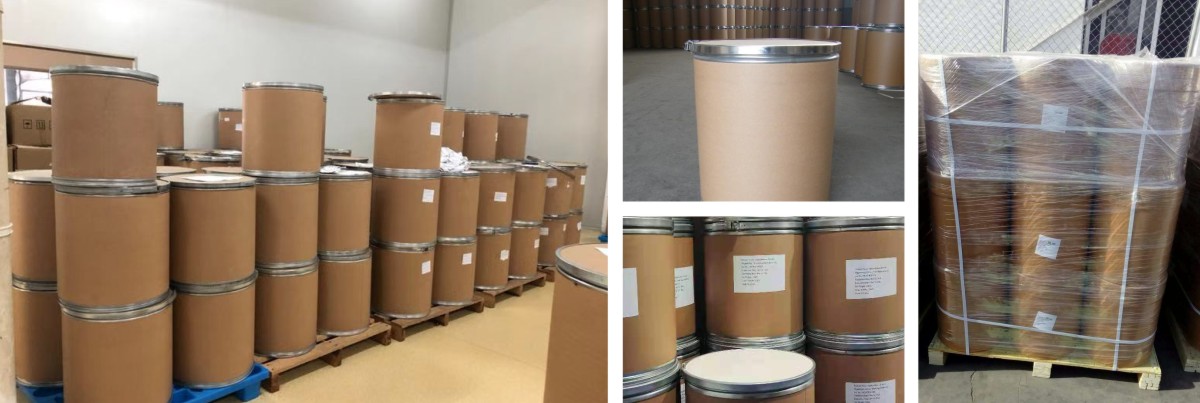
Packaging
| Format | Standard Packaging | Custom Options |
|---|---|---|
| Stachyose Powder | 25 kg kraft paper bags | 5 / 10 / 20 kg bags; fiber drums; IBC super sacks; branded packaging for private label |
Storage Conditions
| Parameter | Value |
|---|---|
| Temperature | Cool, dry place; ≤25°C recommended |
| Humidity | <60% RH |
| Light | Avoid direct sunlight |
| Odor | Store away from strong odors |
| Shelf Life (sealed) | 24 months |
| Opened Packaging | Use within 6 months; reseal tightly after each opening |