Table of Contents
What’s L-Arabinose Powder?
L-Arabinose occupies a unique position in the functional sweetener category because it does not merely replace sweetness — it intercepts the metabolic fate of sucrose itself. Unlike high-intensity sweeteners that deliver sweetness without calories but contribute no physiological benefit, or sugar alcohols that replace bulk but carry digestive tolerance constraints, L-Arabinose targets the enzymatic step that converts sucrose into absorbable glucose and fructose. By competitively inhibiting intestinal sucrase (alpha-glucosidase), it reduces postprandial glucose spikes and insulin demand while limiting the caloric conversion of sucrose into body fat. Clinical trials demonstrate a 50-70% reduction in sucrose absorption at oral doses of 3-5 g per meal.
ORGANICWAY’s L-Arabinose is extracted from non-GMO corn cobs through a clean process using only water and food-grade ethanol. No hexane or synthetic solvents are used. The finished powder achieves >=98% purity with <=0.5% moisture, dissolves readily in water at >=98%, and remains thermally stable up to 160 C — well above typical baking temperatures. At 1.5 kcal/g, it delivers a meaningful caloric reduction compared to sucrose’s 4 kcal/g while functioning as a prebiotic fiber once it reaches the colon. The undigested sucrose-arabinose complex is selectively fermented by Bifidobacterium and Lactobacillus species, producing short-chain fatty acids including acetate, propionate, and butyrate that support gut barrier integrity, systemic inflammation reduction, and metabolic health.
With GRAS-reviewed safety, and approved use in Japan as a FOSHU ingredient, L-Arabinose represents a clean-label, science-backed solution for formulators seeking to address the growing consumer demand for ingredients that manage both sweetness and metabolic health.
PHYSICAL & CHEMICAL SPECIFICATIONS
Product Specifications
| Parameter | Value |
|---|---|
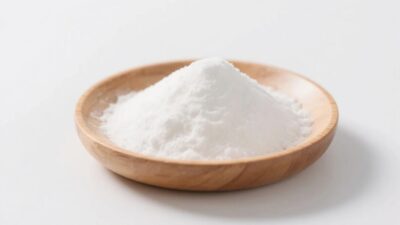
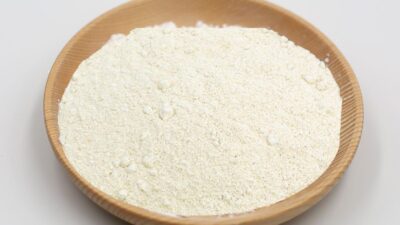
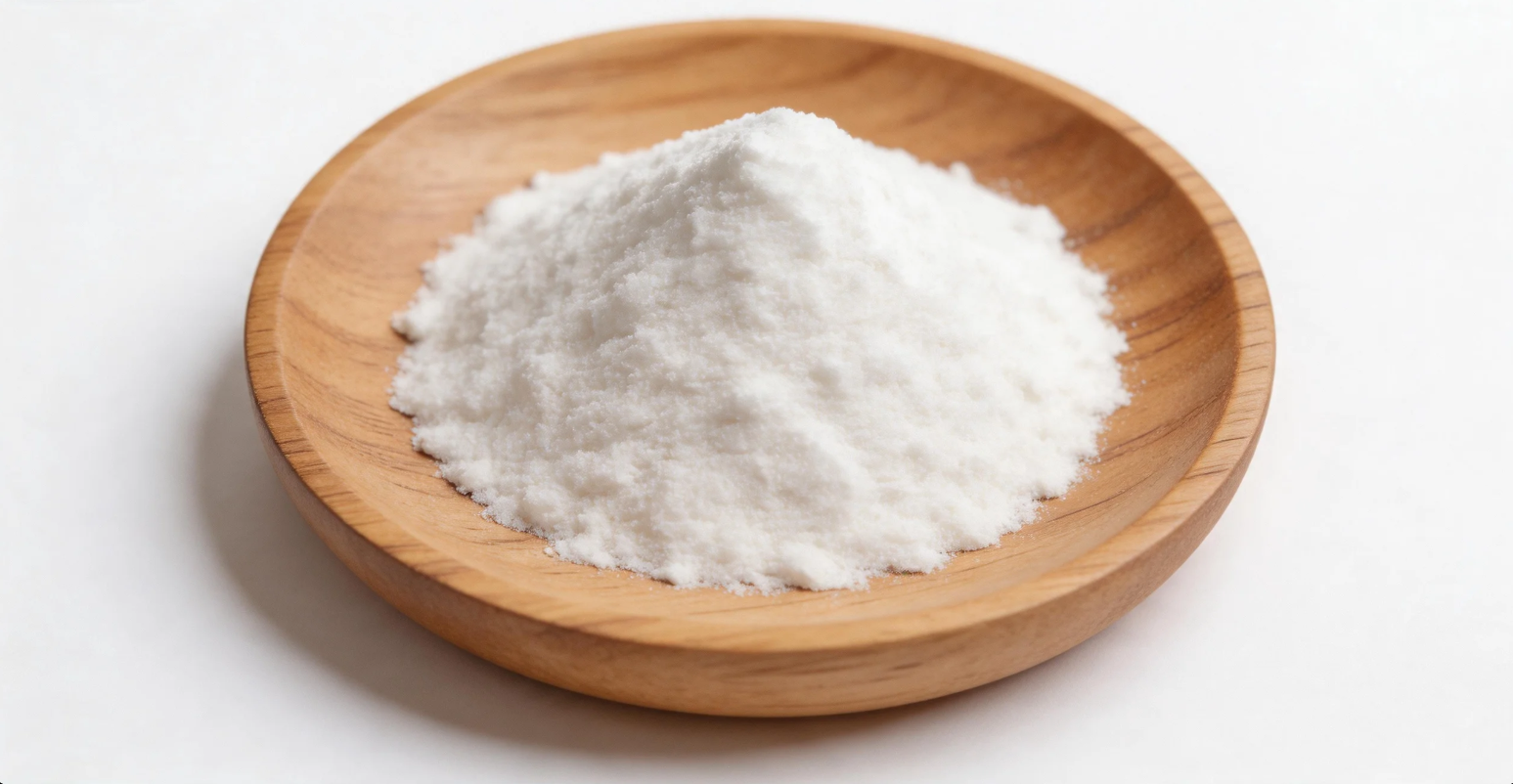
| Appearance | White to off-white fine crystalline powder |
| Source | Corn cobs, beet fiber, or arabic gum |
| Processing | Water and food-grade ethanol extraction; no hexane |
| L-Arabinose Purity | >=98.0% |
| Moisture | <=0.5% |
| Solubility in Water | >=98% |
| Bulk Density | 0.50-0.70 g/mL |
| Particle Size | 80-100 mesh (customizable) |
| Heat Stability | Stable up to 160 C |
| CAS No. | 5328-37-0 |
| Molecular Formula | C5H10O5 |
| Sweetness | Near-neutral; mild sweet taste |
| Caloric Value | ~1.5 kcal/g |
| Glycemic Index | Near-zero impact on blood glucose |
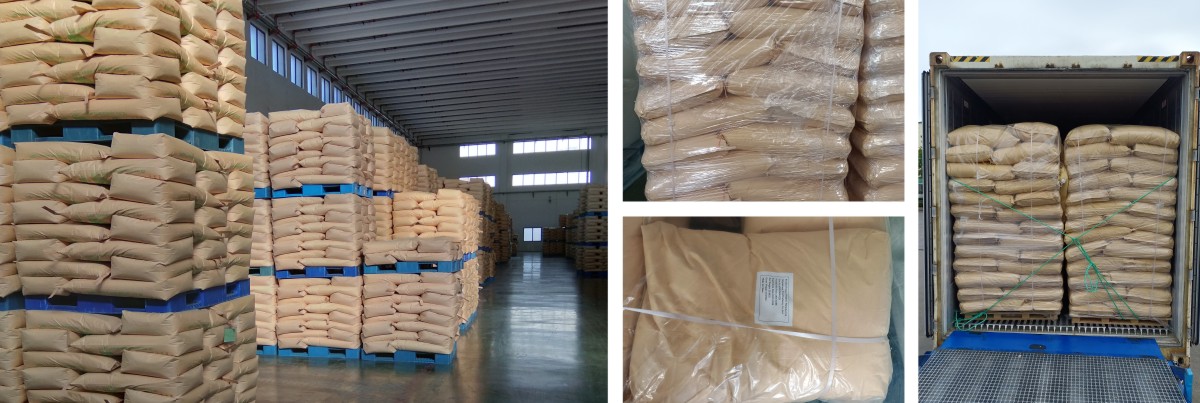
| Packaging | 25 kg multi-layer kraft paper bags |
| Shelf Life | 24 months |
Application Matrix
| Application | Suitability | Notes |
|---|---|---|
| Sugar-reduction bakery and snacks | Excellent | Sucrose reduction up to 70%; glycemic control |
| Functional beverages | Excellent | Clean-label sweetness; gut health positioning |
| Dietary supplements | Excellent | Blood sugar management; weight control formulas |
| Confectionery | Good | Reduced calories; prebiotic fiber effect |
| Pharmaceutical / metabolic health | Good | Adjunct for T2DM and metabolic syndrome management |
MICROBIOLOGICAL & CONTAMINANT STANDARDS
| Test | Specification |
|---|---|
| Total Plate Count | <=1,000 cfu/g |
| Yeast & Mold | <=100 cfu/g |
| E. coli | Negative |
| Salmonella | Negative |
| Heavy Metals (Pb) | <0.5 mg/kg |
| Arsenic (As) | <0.5 mg/kg |
All batches tested and released against specifications. CofA available with every shipment.
CERTIFICATIONS
| Certification | Status |
|---|---|
| Non-GMO Project Verified | Yes |
| Vegan | Yes |
| Gluten-Free | Yes |
| Allergen-Free | Yes |
APPLICATIONS & FORMULATION TIPS
Key Functional Benefits
L-Arabinose’s three most significant functional advantages are sucrose inhibition, near-zero glycemic impact, and prebiotic fiber effect. The sucrose inhibition mechanism — competitive binding to intestinal sucrase — is the primary differentiator: at 3-5 g per meal, clinical trials demonstrate 50-70% reduction in sucrose absorption, reducing postprandial glucose spikes and limiting caloric conversion of sucrose into body fat. Unlike alpha-glucosidase inhibitors such as acarbose or miglitol, which inhibit a broad panel of carbohydrate-digesting enzymes and carry significant gastrointestinal side effects, L-Arabinose is selective for sucrase only, leaving starch and maltose digestion largely intact. The near-zero glycemic impact — confirmed by clinical AUC measurements — makes it suitable for diabetic and blood-sugar-management formulations without the digestive burden of high-dose fiber supplements. The prebiotic effect — undigested sucrose-arabinose reaching the colon — selectively promotes Bifidobacterium and Lactobacillus species, producing SCFAs that support gut barrier integrity and systemic metabolic health.
Formulation Guidance
When incorporating L-Arabinose into formulations, note that its near-neutral sweetness (~10% of sucrose) means it functions best as a sucrose reduction agent rather than a direct sweetener replacement. In practice, it is typically combined with stevia, allulose, or monk fruit to achieve target sweetness while reducing total sucrose content by 30-70%. The >=98% water solubility and neutral flavor profile make it easy to incorporate into both hot and cold beverage systems. The 160 C thermal stability exceeds typical baking temperatures, preserving sucrase-inhibitory activity in cookies, cakes, and bread. In beverages, its prebiotic fiber component contributes to dietary fiber labeling while maintaining clarity in acidic drinks (stable at pH 2.5+). For maximum prebiotic benefit, formulations should avoid excessive heat processing after L-Arabinose addition.
FAQ
Q: How does L-Arabinose block sugar absorption, and how effective is it?
A: L-Arabinose acts as a competitive inhibitor of intestinal sucrase (alpha-glucosidase). By binding to the same enzyme active site as sucrose, it slows the hydrolysis of sucrose into glucose and fructose in the small intestine. Clinical studies demonstrate a 50-70% reduction in sucrose absorption at oral doses of 3-5 g per meal. The undigested sucrose-arabinose complex then passes to the colon, where it functions as a prebiotic — a mechanism distinct from alpha-glucosidase inhibitors such as acarbose, which inhibit a broad enzyme panel and carry significant gastrointestinal side effects.
Q: Is L-Arabinose safe for long-term daily use?
A: Yes. L-Arabinose holds GRAS (Generally Recognized As Safe) status per FDA review, and has been approved as a FOSHU (Food for Specified Health Uses) ingredient in Japan. Clinical studies demonstrate safety at daily intakes of 15 g (distributed as 3-5 g per meal). At very high doses exceeding 20 g/day, some individuals may experience mild flatulence due to colonic fermentation — a normal response shared with other prebiotic fibers. No serious adverse events have been reported in human trials up to 12 months.
Q: How does L-Arabinose compare to artificial sweeteners like sucralose or aspartame?
A: Unlike high-intensity sweeteners that provide sweetness without calories but contribute no metabolic benefit, L-Arabinose delivers 1.5 kcal/g and functions as a functional ingredient that actively reduces sugar absorption and supports gut health. It does not trigger sweetness addiction pathways and can be combined with stevia or allulose for formulations seeking both sweetness reduction and blood sugar management. Unlike sugar alcohols, it does not carry significant digestive tolerance constraints at typical use levels.
Q: Can L-Arabinose be used in baked goods without losing efficacy?
A: Yes. L-Arabinose is thermally stable up to 160 C, well above typical baking temperatures of 150-220 C. It maintains sucrase-inhibitory activity during baking and is suitable for cookies, cakes, and bread formulations. In Maillard browning reactions, L-Arabinose’s aldehyde form may contribute mild sweetness and slightly enhance crust color development. For maximum prebiotic benefit, addition at the end of the production process is recommended to minimize thermal exposure.
Q: Is L-Arabinose suitable for a ketogenic diet?
A: Yes. With near-zero impact on blood glucose and only 1.5 kcal/g, L-Arabinose is compatible with ketogenic principles. It does not raise insulin levels and the prebiotic fiber component supports gut health without disrupting ketosis. For strict keto formulations targeting net carb counts, L-Arabinose can be counted as dietary fiber or deducted from total carbohydrates in most regulatory jurisdictions. Regulatory classification varies by market; confirm with local requirements.
Q: What is the minimum order quantity and lead time?
A: 1 kg free sample with full CofA is available for qualifying buyers (FEDEX/UPS/EMS). Commercial orders start at 25 kg (packaged in 25 kg multi-layer kraft paper bags). Private label orders require 100 kg minimum with full packaging customization. Lead time: 10-20 working days from order confirmation. Available incoterms: DAP, DDP, FOB Qingdao or Tianjin. Acceptable payment terms: T/T, L/C, D/P, D/A, MoneyGram, Western Union, Credit Card.
PACKAGING & STORAGE
Packaging
| Format | Standard Packaging | Custom Options |
|---|---|---|
| L-Arabinose Powder | 25 kg multi-layer kraft paper bags; 40 bags/pallet | 5 / 10 / 20 kg bags; fiber drums; IBC super sacks; branded packaging for private label |
Storage Conditions
| Parameter | Value |
|---|---|
| Temperature | Cool and dry; ambient temperature below 25 C |
| Humidity | <60% RH |
| Light | Store away from direct sunlight |
| Odor | Store away from strong odors |
| Shelf Life (sealed) | 24 months |
| Opened Packaging | Use within 6 months; reseal tightly after opening |