Table of Contents
What is Organic Allulose Sweetener?
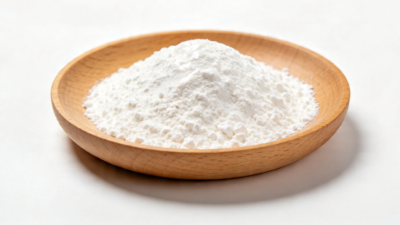
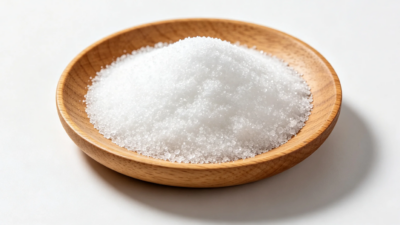
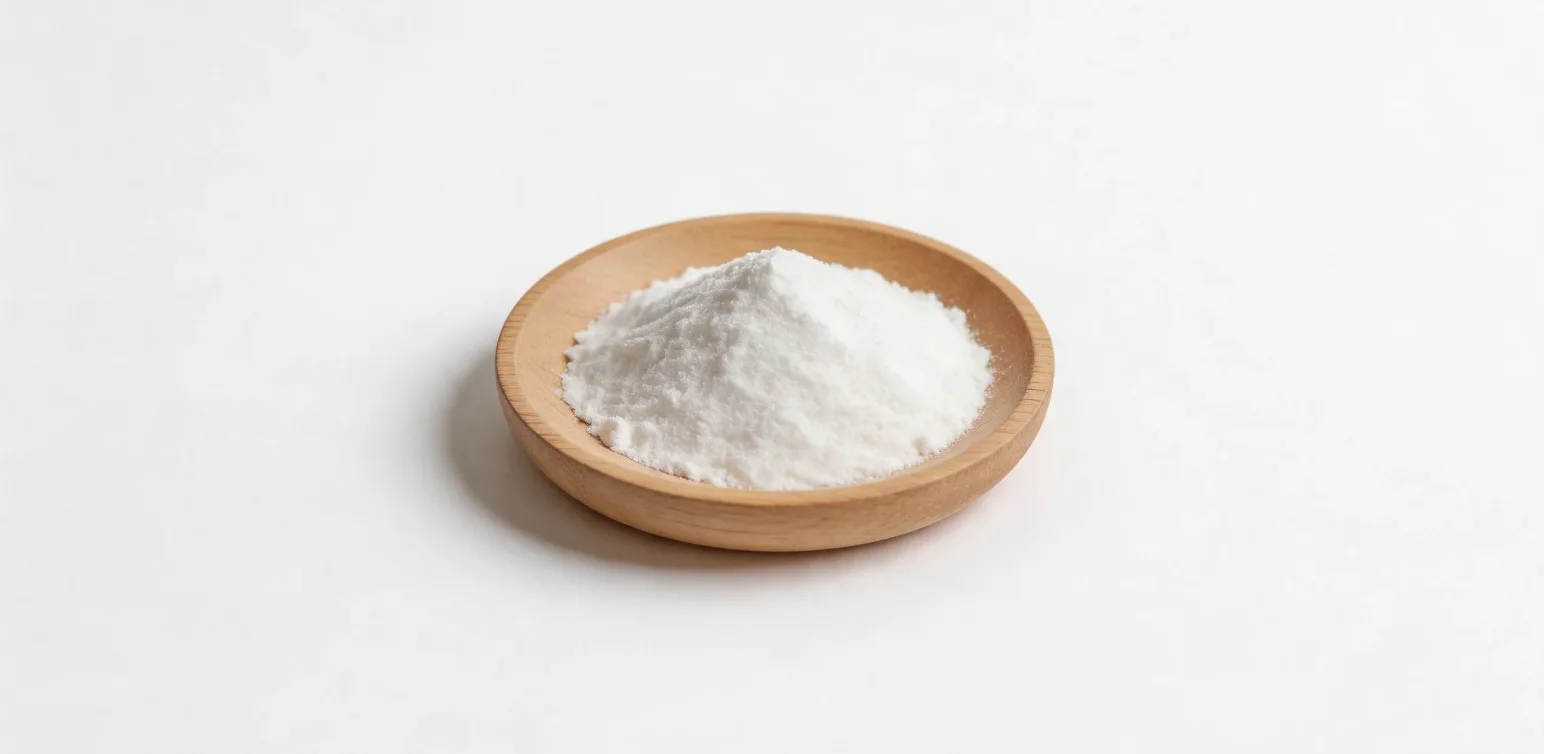
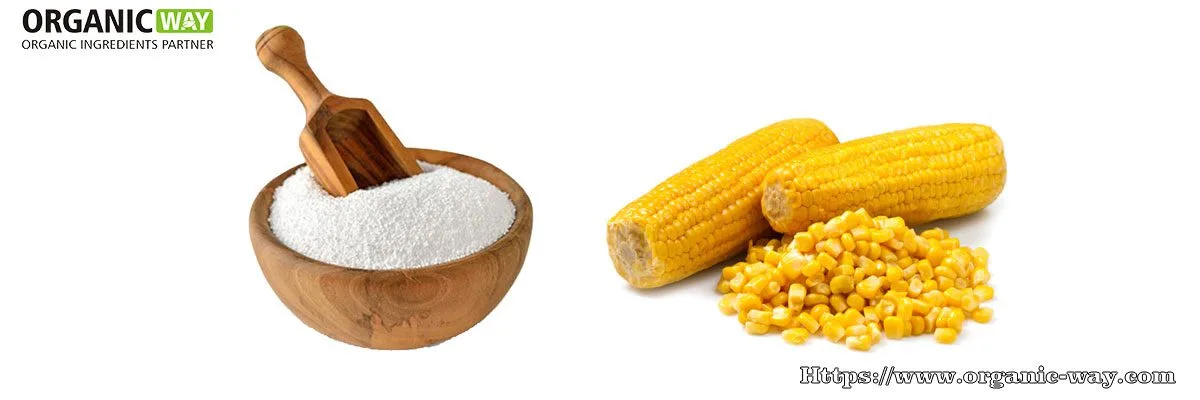
Organic Allulose (systematic name: D-ribo-2-hexulose; common name: D-psicose) is classified as a “rare sugar” — a monosaccharide present in only trace quantities in nature ( figs, raisins, and certain cereals). Produced commercially through enzymatic isomerization of organic fructose derived from certified organic, non-GMO corn starch, Organic Allulose by ORGANICWAY delivers a consistent, high-purity rare sugar sweetener in both powder and liquid formats.
What distinguishes allulose from every other non-calorie sweetener is its combination of taste authenticity, functional bulk, and metabolic uniqueness:
- Taste: Allulose tastes indistinguishable from sucrose in blind taste tests at equal sweetness levels — no bitter aftertaste, no metallic notes, no cooling sensation. Its sweetness is approximately 60–70% that of sucrose by weight.
- Bulk: Unlike high-intensity sweeteners (stevia, monk fruit, sucralose), allulose is a true carbohydrate with molecular weight and physical properties comparable to sucrose. It provides the structural volume, crystallization behavior, and moisture-retention characteristics required for baking, confectionery, and texture-critical formulations.
- Browns Like Sugar: Allulose participates in the Maillard reaction — the chemical process responsible for the characteristic browning and flavor development in baked goods. This makes it uniquely capable of replacing sucrose in cookies, cakes, and snack foods where color, crust formation, and flavor development matter.
- Metabolism: Allulose is absorbed in the small intestine but is not metabolized for energy. Approximately 70–80% is excreted unchanged in urine within 24 hours. The remaining 20–30% is metabolized hepatically via a minor pathway, contributing minimal caloric and glycemic impact.
Certifications Available
USDA Organic, Non-GMO Project Verified, Vegan, Gluten-Free, Kosher, Halal.
Minimum Order Quantity
Sample quantities available for specification verification. Commercial volumes in 20 kg bags (powder), 300 kg drums or 1,000 L IBC tanks (syrup). Contact sales for quotation and lead time.
PHYSICAL & CHEMICAL PROPERTIES
Product Formats and Specifications
| Parameter | Organic Allulose Powder | Organic Allulose Syrup | Test Method |
|---|---|---|---|
| Chemical Name | D-Psicose (D-ribo-2-hexulose) | D-Psicose (dry basis) | HPLC |
| CAS Number | 551-68-8 | 551-68-8 | — |
| Molecular Formula | C₆H₁₂O₆ | C₆H₁₂O₆ | — |
| Molecular Weight | 180.16 g/mol | 180.16 g/mol | — |
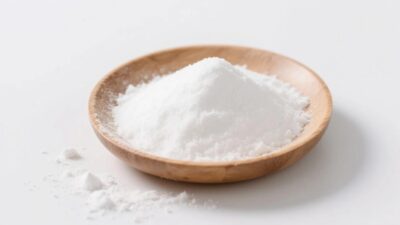
| Appearance | White, free-flowing crystalline powder | Clear, colorless to light straw liquid | Visual |
| Purity (HPLC, dw) | ≥98% | ≥95% (on dry solids) | HPLC |
| Dry Solids (Brix) | N/A (powder) | 70–78% | Refractometry |
| Caloric Value | 0.4 kcal/g | 0.4 kcal/g (calculated on dw) | Per FDA calculation |
| Glycemic Index (GI) | 0–3 (Non-glycemic) | 0–3 (Non-glycemic) | Clinical data |
| Relative Sweetness | ~60–70% of sucrose | ~60–70% of sucrose | Sensory evaluation |
| pH (10% solution) | 3.0–7.0 | 3.0–7.0 | Potentiometric |
| Moisture Content | ≤0.5% | 22–30% (syrup water content) | Karl Fischer |
| Ash Content | ≤0.05% | ≤0.05% | Gravimetric |
| Bulk Density | 0.60–0.80 g/mL | N/A (liquid) | Tapped |
| Particle Size | 80–120 mesh | N/A | Sieve analysis |
| Color (ICUMSA) | ≤ 20 IU | ≤ 30 IU | ICUMSA GS2/3-9 |
| Odor | Odorless, clean sweet taste | Mild, characteristic | Organoleptic |
| Solubility in Water | Fully soluble at 20°C | Fully miscible | Visual |
| Heat of Solution | Neutral (no cooling effect) | Neutral | Calorimetry |
| Shelf Life | 24 months (powder) | 12 months (syrup) | — |
Allulose vs Other Sweetener Categories — Functional Comparison
| Property | Organic Allulose | Erythritol | Stevia / Monk Fruit | Sucralose | Sorbitol |
|---|---|---|---|---|---|
| Caloric Value | 0.4 kcal/g | 0.2 kcal/g | 0 kcal/g | 0 kcal/g | 3.0 kcal/g |
| Glycemic Impact | GI 0–3 | GI 0 | GI 0 | GI 0 | GI 9 |
| Sugar Classification | Rare sugar (monosaccharide) | Sugar alcohol | Plant glycoside | Chlorinated disaccharide | Sugar alcohol |
| Relative Sweetness | ~60–70% sucrose | ~70% sucrose | 200–400x sucrose | 600x sucrose | ~60% sucrose |
| Bulk / Volume | Yes — full bulk | Granular only | No bulk | No bulk | Yes |
| Maillard Browning | Yes | No | No | No | No |
| Cooling Effect | None | Yes | None | None | None |
| Heat Stability | Excellent | Excellent | Excellent | Excellent (up to 225°C) | Good |
| pH Stability | Excellent (pH 2–9) | Excellent | Excellent | Stable (pH 3–9) | Good |
| Crystallization | Crystallizes like sugar | Crystallizes | N/A (liquid) | N/A (liquid) | Crystallizes |
| Laxative Threshold | None at normal use levels | >50g/day may cause GI distress | None | None | >20g/day may cause GI distress |
| FDA Sugar Labeling | NOT “Added Sugar” | Listed as “Sugar Alcohol” | Listed as “Added Sugar” (US) | Listed as “Added Sugar” (US) | Listed as “Sugar Alcohol” |
MICROBIOLOGICAL & CONTAMINANT STANDARDS
Microbiological Limits
| Test | Specification | Method |
|---|---|---|
| Total Plate Count (TPC) | ≤1,000 CFU/g | ISO 4833 |
| Yeast & Mold | ≤100 CFU/g | ISO 21527 |
| E. coli | Negative (<3 MPN/g) | ISO 16649 |
| Salmonella spp. | Negative / 25g | ISO 6579 |
Heavy Metal Limits
| Metal | Specification | Method |
|---|---|---|
| Lead (Pb) | ≤0.1 mg/kg | ICP-OES / AOAC 2015.01 |
| Arsenic (As) | ≤0.05 mg/kg | ICP-OES / AOAC 2015.01 |
| Cadmium (Cd) | ≤0.2 mg/kg | ICP-OES / AOAC 2015.01 |
| Mercury (Hg) | ≤0.05 mg/kg | ICP-OES / AOAC 2015.01 |
Regulatory & Purity Standards
- FDA (USA): Allulose (D-psicose) is Generally Recognized as Safe (GRAS) for use as a sweetener. FDA has confirmed allulose does not require “Added Sugars” or “Total Sugars” declaration on Nutrition Facts labels (Federal Register: Vol. 84, No. 185).
- EFSA (EU): Novel food authorization application under review. Contact sales for current market availability and regulatory status in EU.
- Japan: Approved as a food additive (designated as “rare sugar D-psicose”).
- South Korea: Approved as a food ingredient.
- Codex Alimentarius: Pending.
- FCC (Food Chemicals Codex): Allulose monograph in development; interim purity standards applied.
CERTIFICATIONS
| Certification | Status | Issuing Body |
|---|---|---|
| USDA Organic | Available | USDA-accredited certifier |
| Non-GMO Project Verified | Available | Non-GMO Project |
| Vegan | Available | Third-party vegan certifier |
| Gluten-Free | Available | GFCO or equivalent |
| Kosher | Available | Orthodox Union (OU) or equivalent |
| Halal | Available | IFANCA or equivalent |
COA, TDS, SDS, and Organic Transaction Certificate provided per batch. All certificates issued against the specific production batch.
APPLICATIONS & USAGE GUIDELINES
Recommended Application Sectors
| Application | Format | Typical Dosage | Key Benefits |
|---|---|---|---|
| Keto Cookies & Biscuits | Powder | 30–80% sugar replacement | Brownability, texture, sweetness |
| Keto Cakes & Muffins | Powder | 25–60% sugar replacement | Volume, browning, moisture retention |
| Protein Bars & Energy Bites | Powder | 15–40% sugar replacement | Bulk, sweetness, low net carb |
| Chocolate & Sugar-Free Confectionery | Powder | 40–100% sugar replacement | Crystallization, bulk, no aftertaste |
| Ice Cream & Frozen Desserts | Powder / Syrup | 5–15% | Freeze-point depression, scoopability, sweetness |
| Carbonated Soft Drinks | Syrup | 3–10% | Sweetness, clean label, pH stability |
| RTD Tea & Functional Beverages | Syrup | 2–8% | Clean sweetness, heat stability, clarity |
| Yogurt & Dairy Desserts | Powder / Syrup | 2–10% | Sweetness, no sugar crystallization |
| Sauces & Dressings | Syrup | 2–12% | Sweetness, humectancy, flavor balance |
| Protein Powders & Supplements | Powder | 5–20% | Sweetness, dissolution, neutral profile |
Sweetness Replacement Guide
Allulose is approximately 60–70% as sweet as sucrose by weight. Use the following replacement ratios as a starting point for formulation:
| Desired Sweetness Level | Allulose Replacement Rate | Notes |
|---|---|---|
| Equal to sucrose | 1.4–1.7× sucrose by weight | Adjust to taste; allulose less cloying than sucrose |
| 75% sucrose sweetness | 1.0× sucrose by weight | Good for calorie reduction without all sweetness loss |
| 50% calorie reduction | 0.7× sucrose by weight | Common keto positioning; monitor texture |
| Maximum bulk replacement | 100% allulose (in crystal form) | For sugar-free crystalline confectionery |
Formulation Tip: Allulose is approximately 60–70% as sweet as sucrose, meaning you need ~1.4–1.7× the weight of sugar to achieve equal sweetness. This is significantly more bulk than high-intensity sweeteners — formulate accordingly.
Formulation Notes
- Baking and Maillard Browning: Allulose participates in Maillard browning reactions at oven temperatures of 150–200°C. Expect slightly lighter browning than sucrose at equal weights — consider a 10–15% increase in baking time or temperature for equivalent color development. Allulose browning produces qualitatively similar flavors.
- Crystallization in Confectionery: Allulose crystallizes from supersaturated solutions — making it suitable for hard candy, toffee, and crystalline confectionery applications. Monitor crystallization kinetics; seed crystals may be required for controlled texture.
- Freeze-Point Depression: Allulose depresses the freezing point in ice cream and frozen desserts. Each 5% addition lowers the freezing point by approximately 0.8–1.2°C. Adjust stabilizer systems and overrun accordingly.
- pH Stability: Allulose is stable across a wide pH range (pH 2–9) — suitable for acidic carbonated beverages, citrus-based drinks, and fermented dairy products.
- Heat Stability: Stable at typical food processing temperatures up to 200°C. Does not decompose or form off-flavors under normal baking or cooking conditions.
- Blending with High-Intensity Sweeteners: Allulose pairs effectively with stevia extract, monk fruit, and sucralose. Allulose provides bulk and sweetness profile improvements; high-intensity sweeteners fill the sweetness gap. A common ratio is 70–80% of target sweetness from allulose + 20–30% from stevia/monk fruit.
- Humectancy: Allulose has humectant properties — it retains moisture in baked goods and can help maintain freshness and soft texture in low-moisture products like cookies and crackers.
FAQ
Q1: How should Allulose be labeled on Nutrition Facts panels — is it an “Added Sugar”?
A: Under current FDA guidance (USA), allulose is classified as a carbohydrate but is not required to be listed in the “Total Sugars” or “Added Sugars” line of the Nutrition Facts panel. It is included in “Total Carbohydrate” and contributes 4 kcal/g to the total caloric value per FDA’s Atwater general factor system. However, because allulose is not metabolized like a typical carbohydrate, FDA allows manufacturers to subtract allulose grams from total carbohydrates when calculating “Net Carbs” for voluntary labeling purposes. Always verify labeling requirements with the relevant regulatory body for your target market (e.g., EFSA for EU, Health Canada for Canada, etc.).
Q2: How do I calculate “Net Carbs” for a keto product using Allulose?
A: Since allulose is absorbed but not metabolized for energy (70–80% excreted unchanged in urine), it does not contribute meaningful calories or glycemic impact. To calculate net carbs for a product using allulose: Net Carbs = Total Carbohydrates − Allulose (g). For example, if a product contains 20g total carbohydrates including 18g allulose: Net Carbs = 20 − 18 = 2g. This makes allulose the most keto-friendly bulk sweetener available for clean-label formulations. Note: Some regulatory jurisdictions may have specific rules about net carb calculations — verify with local food labeling regulations.
Q3: Does Allulose have a cooling effect like Erythritol?
A: No. Allulose has a neutral heat of solution — it dissolves in water without absorbing or releasing significant heat. This means it provides no cooling or refreshing sensation in the mouth. Erythritol, by contrast, has a strongly endothermic dissolution that produces a characteristic minty/cooling aftertaste, which some consumers find undesirable in non-mint applications. Allulose delivers pure sucrose-like sweetness without any temperature-associated sensory effects, making it a preferred choice for applications where neutral taste is paramount — such as chocolate, vanilla ice cream, or fruit-flavored products.
Q4: Is Allulose stable in high-acid beverages?
A: Yes. Organic Allulose is highly stable across a wide pH range (pH 2–9) and under typical beverage processing conditions (HTST pasteurization, UHT). It does not degrade, hydrolyze, or lose sweetness in acidic environments. This makes it an excellent sweetener choice for carbonated soft drinks, sports drinks, citrus juices, kombucha, and any acidic functional beverage where stability is critical for shelf life and label-claim integrity.
Q5: Can Allulose replace sugar in chocolate formulations?
A: Allulose can be used as a bulk sweetener in chocolate, but with important formulation considerations. At typical inclusion levels (20–50%), allulose chocolate requires adjustment of the cocoa butter ratio and conching conditions due to allulose’s different melting and crystallization behavior. Full sucrose replacement in standard conching processes is challenging; partial replacement (30–50%) with allulose is more practical. For sugar-free dark chocolate, a blend of allulose + stevia or monk fruit typically provides the best sensory result. The FDA has approved allulose for use in chocolate as a GRAS ingredient.
Q6: What are the sensory differences between Allulose Powder and Allulose Syrup?
A: Both formats are chemically identical (D-psicose) and taste the same when adjusted for concentration. The practical differences are logistical and formulation-specific: Powder is preferred for dry-blend formulations (protein powders, baking mixes, dry beverage sachets, confectionery), provides precise dosing in small-scale trials, and offers a longer shelf life (24 months). Syrup is preferred for liquid formulations (beverages, sauces, ice cream base, dressings), eliminates dissolution steps in wet-process manufacturing, and integrates more efficiently in high-volume production lines where dry metering is impractical. Both formats meet the same purity standards on a dry basis.
Q7: What certifications are available for Organic Allulose, and are organic finished products supported?
A: Our organic allulose carries USDA Organic, Non-GMO Project Verified, Vegan, Gluten-Free, Kosher, and Halal certifications. For your finished product’s organic certification, each shipment includes an organic transaction certificate (OTC) documenting the organic chain of custody from organic-certified corn through to the finished allulose. This is the required documentation for your organic certification body to verify the organic integrity of this ingredient in your formulation.
Q8: What is the minimum order quantity and lead time?
A: Sample and trial quantities are available for specification verification and formulation development. For commercial volumes: Organic Allulose Powder is supplied in 20 kg net kraft paper bags with PE liner; Organic Allulose Syrup in 300 kg net HDPE drums or 1,000 L IBC tanks. Standard lead time is 14–21 days from confirmed purchase order. ISO tank shipments require 21–28 days. Contact sales@organic-way.com with your required format, volume, destination, and certification requirements for a confirmed quotation.
PACKAGING & STORAGE
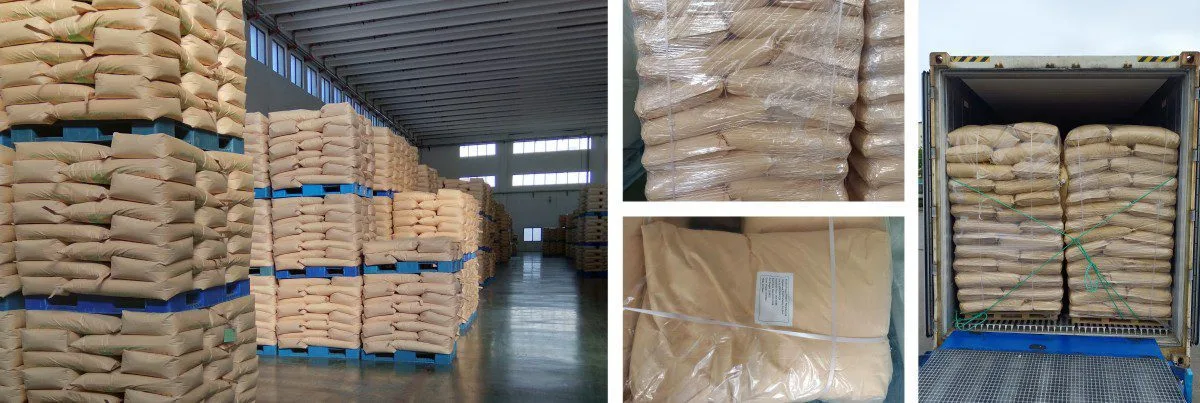
Packaging Options
| Package Size | Format | Packaging Material | MOQ |
|---|---|---|---|
| 1 kg | Powder | Aluminum foil pouch | Trial |
| 5 kg | Powder | Aluminum foil pouch | Trial |
| 20 kg | Powder | Kraft paper bag + PE liner | Standard |
| 25 kg | Powder | Kraft paper bag + PE liner | Standard |
| 300 kg net | Syrup | HDPE drum + food-grade liner | Trial |
| 1,000 L | Syrup | IBC tank (food-grade HDPE) | Standard |
| Custom | Both | Bulk bag / dedicated container | Commercial |
All packaging materials comply with EU 10/2011 and FDA 21 CFR food-contact regulations. Custom labeling and COA customization available for contracted supply programs.
Storage Conditions — Powder
- Storage temperature: ≤25°C (cool, dry environment)
- Relative humidity: ≤55% RH
- Avoid: Moisture, humidity, strong odors, direct sunlight
- Shelf life: 24 months from manufacturing date (sealed, unopened)
Storage Conditions — Syrup
- Storage temperature: 15–25°C
- Avoid temperatures above: 35°C (may cause color darkening)
- Avoid temperatures below: 10°C (increased viscosity; crystallization risk)
- Shelf life: 12 months from manufacturing date when stored as directed