
Table of Contents
Jujube, botanically known as Ziziphus jujuba and affectionately called the red date across much of Asia, has occupied a respected place in Traditional Chinese Medicine for well over two thousand years. Ancient herbalists classified it as a gentle tonic for the spleen and stomach, a soothing agent for the spirit, and a daily food-medicine capable of nourishing the body without creating the harsh imbalances sometimes associated with stronger botanicals. Its calming, immune-supporting, and digestion-friendly reputation has now travelled far beyond the clinics of Asia and into the kitchens, smoothie bars, and supplement shelves of health-conscious consumers around the world. As organic jujube powder and organic jujube juice powder gain steady popularity among formulators, athletes, and everyday wellness seekers, a reasonable and increasingly common question follows: are there hidden risks to this so-called “superfruit” supplement, and do the celebrated benefits come with a trade-off that buyers should understand before committing to a daily scoop? In the sections below we explore the science-backed side effects, the practical safety tips that keep those effects manageable, and the specific reasons why choosing a certified organic product matters for both personal health and supply-chain transparency. Whether you are a brand developer evaluating an ingredient, a retailer answering customer questions, or an individual simply curious about adding jujube to your routine, this guide walks through what the evidence actually says so you can make a confident, informed decision.
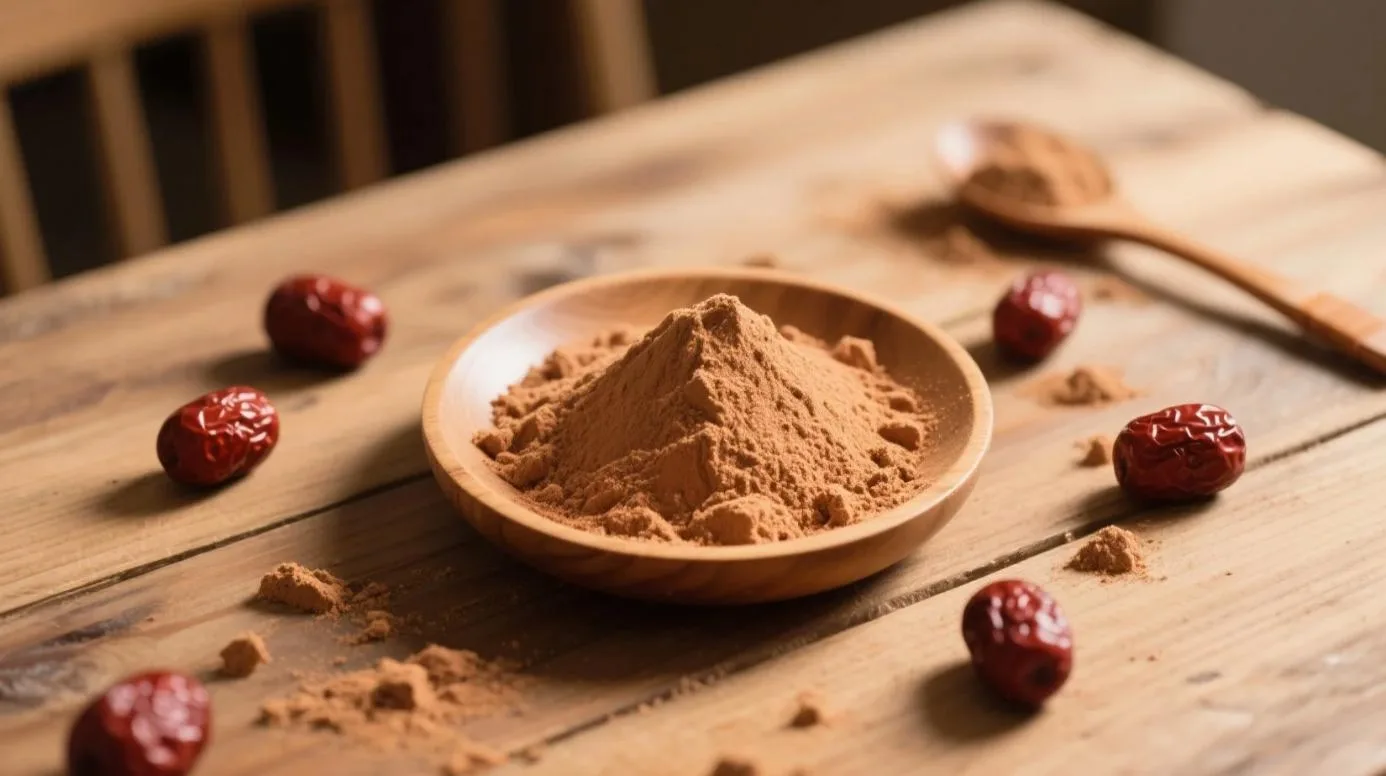
Jujube Powder 101: Benefits at a Glance
Before diving into the risks and the precautions that responsible users should keep in mind, it is worth taking a moment to acknowledge exactly why jujube has earned such a devoted following in the first place. The fruit is not a modern marketing invention; it is a time-tested botanical whose appeal rests on a genuinely impressive nutritional and phytochemical profile. Below are the headline benefits most often cited by researchers, practitioners, and daily users alike, each of which helps explain why so many people are willing to work around the relatively minor side effects discussed later in this article.
- Stress Relief: Natural sedative properties improve sleep and anxiety. Modern pharmacological research has begun to confirm what Traditional Chinese Medicine practitioners have claimed for generations. Jujube contains a family of bioactive compounds, including flavonoids, saponins, and triterpenic acids such as jujuboside, that appear to act on the central nervous system in ways reminiscent of mild calming agents. Several small human and animal studies report improvements in sleep onset, sleep duration, and subjective feelings of anxiety when jujube preparations are consumed regularly. Rather than forcing sleep the way a strong pharmaceutical sedative might, the fruit seems to gently encourage relaxation, which is precisely why it is so often paired with evening teas and nighttime routines. For brands formulating sleep-support or relaxation products, this mild profile is a meaningful selling point, though it also explains why the herb can interact with stronger sedatives, a point we return to in the side-effects section.
- Gut Health: High in soluble fiber (pectin) to soothe constipation and bloating. A single serving of whole-fruit jujube powder delivers a meaningful dose of soluble fiber, particularly pectin, which acts as a gentle bulking and prebiotic agent in the digestive tract. By holding water and softening stool, pectin helps regulate bowel movements and can ease the discomfort of occasional constipation without the harsh cramping associated with stimulant laxatives. At the same time, the fiber serves as fuel for beneficial gut bacteria, supporting a more balanced microbiota over time. Many users report reduced bloating and a steadier digestive rhythm after introducing the powder gradually. This gut-friendly reputation is a major reason formulators choose whole-fruit organic jujube powder over juice powder, because the juicing step strips away much of the very fiber that delivers these benefits.
- Immunity Boost: Rich in vitamin C, antioxidants, and anti-inflammatory compounds. Jujube is unusually dense in vitamin C relative to many common fruits, and it also supplies a broad spectrum of polyphenols and flavonoids that help neutralize free radicals circulating in the body. Chronic oxidative stress is linked to premature aging and a weakened immune response, so supplying the body with antioxidant raw material is a sensible preventive strategy. Additionally, several of the fruit’s compounds demonstrate measurable anti-inflammatory activity in laboratory settings, suggesting a dual action of calming irritation while reinforcing the body’s natural defenses. While no single food should be treated as a cure or a replacement for medical care, the consistent nutrient density of organic jujube powder makes it a sensible component of a broader immune-support regimen.
- Blood Sugar Support: May enhance insulin sensitivity, per animal studies. Early animal research indicates that certain jujube extracts can improve how efficiently cells respond to insulin, which in turn helps maintain steadier blood glucose levels after meals. This is encouraging for individuals interested in metabolic wellness, but it is important to be honest about the evidence base: most of the compelling data comes from rodent models, and large, well-controlled human trials are still limited. That gap is exactly why the side-effects discussion later in this article treats blood sugar lowering as both a benefit and a potential risk, depending on the user’s existing medication and health status. Used in moderation by healthy adults, the effect is generally subtle and supportive rather than dramatic.
Potential Side Effects of Jujube Powder
While generally safe for most people, overconsumption or specific health conditions can trigger these issues: Jujube is, for the overwhelming majority of users, a well-tolerated and gentle ingredient, and serious adverse events are uncommon. That said, no botanical is entirely without caveats, and responsible education means being transparent about the situations in which jujube powder can cause trouble. The most frequently reported concerns fall into five categories, ranging from medication interactions that demand professional oversight to mild digestive adjustments that simply require a slower introduction. The following sections outline each potential issue in plain language, explain who is most likely to experience it, and offer a practical mitigation strategy so that the benefits of the fruit can be enjoyed with minimal downside.
1. Drug Interactions
- Sedatives: Jujube’s calming effects may amplify medications like benzodiazepines or sleep aids. Because the fruit naturally encourages relaxation and can shorten the time it takes to fall asleep, stacking it on top of prescription sedatives, anti-anxiety medications, or over-the-counter sleep aids may produce an unexpectedly strong drowsiness. This is rarely dangerous for an occasional user, but for someone managing a measured dose of a benzodiazepine or a similar agent, the combined effect can impair next-morning alertness and coordination. Anyone regularly taking a prescribed calming medication should view jujube as an additive influence rather than a neutral food.
- Diabetes Drugs: Its blood sugar-lowering properties could interact with insulin or metformin. As noted in the benefits section, jujube may improve insulin sensitivity, and that same action can become problematic when layered on top of prescribed glucose-lowering therapy. The combined effect could push blood sugar lower than intended, producing the symptoms of hypoglycemia discussed later. Patients using insulin, sulfonylureas, or metformin should therefore monitor their levels closely and coordinate any new supplement with their clinician.
- Blood Thinners: Contains salicylates, which may enhance anticoagulant effects (e.g., warfarin). Jujube naturally contains salicylate-like compounds, the same family of substances found in willow bark and certain pain relievers. In sensitive individuals, particularly those already taking prescription anticoagulants such as warfarin or direct oral anticoagulants, additional salicylate exposure could theoretically increase bruising or bleeding tendency. This is a precautionary concern rather than a documented epidemic, but it is one that matters for surgical patients and anyone with a bleeding disorder.
- Solution*: Consult a doctor if taking these medications. The single most effective safeguard is a brief conversation with a prescribing physician or pharmacist before adding jujube powder to a regimen that already includes sedatives, glucose-lowering drugs, or blood thinners. A quick professional review can confirm whether the combination is appropriate or whether dosing adjustments are warranted, turning a potential risk into a managed, low-concern choice.
2. Digestive Discomfort
- High fiber content (especially in organic jujube powder) may cause gas, cramps, or diarrhea in sensitive individuals. The same soluble fiber that supports gut health can backfire when introduced too quickly, particularly for people whose diets have been low in fiber or whose digestive systems are naturally sensitive. Rapidly adding a large scoop of powder can ferment in the gut and produce gas, mild cramping, or looser stools as the microbiota adjusts. The effect is usually temporary and self-limiting, but it is uncomfortable enough that first-time users should respect a gradual ramp rather than assuming more is better.
- Solution*: Start with ½ tsp daily and increase gradually. Begin with a small half-teaspoon mixed into a warm beverage or food, then increase the amount every few days as tolerance builds. Spreading intake across meals and pairing the powder with adequate water further smooths the transition, allowing the gut to adapt without the spike in discomfort that a sudden large dose can cause.
3. Hypoglycemia Risk
- Overconsumption may lower blood sugar excessively, leading to dizziness or fatigue in diabetics. While gentle blood sugar support is a benefit for many, consuming jujube powder in large amounts, especially on an empty stomach, can drive glucose below a comfortable range in people who are already prone to lows. The resulting dizziness, shakiness, or fatigue is a signal that the dose or timing needs adjustment. This risk is magnified when jujube is combined with diabetic medication, which is why the two concerns are discussed together.
- Solution*: Monitor glucose levels and stick to recommended doses (1–2 tsp/day). Keeping daily intake within the commonly suggested one to two teaspoon range, and checking blood sugar during the first weeks of use, allows users to enjoy the metabolic support without tipping into hypoglycemia. Diabetics should fold jujube into their existing monitoring routine rather than treating it as a free addition.
4. Allergic Reactions
- Rare but possible, especially in those allergic to dates or other stone fruits. Symptoms include itching, swelling, or rashes. Although jujube allergy is uncommon, the fruit belongs to a botanical family with relatives that do trigger reactions in susceptible people, and cross-reactivity with date or stone-fruit allergies has been reported. The immune system can mistake proteins in the powder for a threat, producing skin itching, localized swelling, or hives. Severe reactions are very rare, but anyone with a known tree-fruit or date allergy should approach the ingredient with appropriate caution.
- Solution*: Patch-test by applying a small amount to the skin before consuming. A simple precaution is to mix a tiny amount of powder with water and apply it to a small patch of skin, then wait and observe for redness or irritation before ingesting. If no reaction appears after a day, oral introduction at a low dose is a reasonable next step, and any sign of swelling or breathing difficulty should trigger immediate medical attention rather than continued use.
5. Pregnancy Concerns
- Limited research on safety during pregnancy. Some traditional practices advise caution due to uterine-stimulating properties. Despite centuries of culinary use, rigorous modern studies on jujube supplementation during pregnancy are sparse, and traditional medicine texts sometimes note that the fruit’s warming, circulation-moving qualities could be considered stimulating to the uterus in concentrated form. This is not proof of harm, but the absence of solid safety data means the conservative, widely recommended posture is to avoid concentrated supplements during pregnancy unless a qualified provider explicitly approves.
- Solution*: Avoid unless approved by a healthcare provider. The prudent approach is to set aside jujube powder supplements during pregnancy and breastfeeding, enjoying the whole fruit in normal food amounts if desired, and deferring concentrated powder forms until a clinician confirms they are appropriate for the individual situation.
Organic Jujube Powder vs. Juice Powder: Key Differences
| Factor | Organic Jujube Powder | Organic Jujube Juice Powder |
|---|---|---|
| Fiber Content | High (contains pulp): because the whole fruit is dried and milled, much of the original dietary fiber, including pectin, survives into the final powder, supporting the gut benefits described above. | Low (fiber removed during juicing): the pressing process extracts liquid and discards most of the solid pulp, leaving a product that is lighter but far less fibrous. |
| Sugar Concentration | Natural fruit sugars only: the sweetness comes entirely from the fruit’s own sugars, with no added sweeteners and no concentration step that magnifies sugar per gram. | Higher sugar per serving (no fiber): removing the fiber means a given scoop delivers more concentrated natural sugar relative to its weight, which can matter for those watching intake. |
| Best For | Digestive health, baking: the fiber and bulk make it ideal for gut-support blends, granolas, and baked goods where texture and nutrition both count. | Quick energy, beverages: the lighter, more soluble profile dissolves easily into drinks and supplies fast natural energy without grittiness. |
Why Organic Jujube Powder Reduces Risks
Non-organic jujubes may carry pesticide residues like chlorpyrifos, a concern that becomes more relevant when the fruit is consumed daily in concentrated powder form rather than occasionally as a fresh snack. Conventional orchards sometimes rely on synthetic sprays to protect the thin-skinned fruit, and residues can concentrate through the drying and milling process. Certified organic jujube powder minimizes side effects by ensuring:
√ No synthetic pesticides or chemical preservatives — grown under organic standards that prohibit most synthetic crop treatments and post-harvest chemical preservation.
√ Non-GMO and unbleached processing — the fruit is handled without genetic modification and without bleaching agents that could alter its natural compounds.
√ Higher antioxidant retention (linked to safer, more effective use) — gentler handling helps preserve the polyphenols and vitamin C that give jujube its value.
Choosing organic therefore does more than satisfy a label preference; it directly reduces the avoidable chemical load on the body and protects the very compounds that make the supplement worthwhile.
Safe Usage Guidelines
- Dosage: 1–2 tsp (5–10g) daily, mixed into teas, oatmeal, or smoothies. This range is widely cited as both effective and comfortably within safe limits for healthy adults; measuring with a standard teaspoon rather than estimating by eye keeps intake consistent and prevents the accidental overconsumption that drives most side effects.
- Timing: Avoid taking with sedatives or before driving. Because jujube can encourage drowsiness, the most logical time to use it is in the evening or alongside a wind-down routine, and it should be kept clear of activities requiring full alertness as well as of prescribed sedative medication.
- Storage: Keep in a cool, dark place to prevent mold (jujube is moisture-sensitive). Like many natural fruit powders, jujube readily absorbs humidity, so a sealed container away from heat and light preserves freshness, prevents clumping, and protects against the mold growth that could otherwise introduce its own health concerns.
Who Should Avoid Jujube Powder?
- Pregnant/Nursing Women: Insufficient safety data. As discussed in the pregnancy section, the lack of robust studies means the cautious default is to avoid concentrated powder forms during these life stages unless a qualified healthcare provider gives explicit approval.
- Hypoglycemia Patients: Risk of dangerously low blood sugar. Individuals already managing low blood sugar, whether through medication or diet, should treat jujube’s glucose-lowering tendency as a real variable and either avoid it or use it only under supervision with close monitoring.
- Surgery Patients: Discontinue 2 weeks pre/post-surgery due to bleeding risks. Because of the salicylate content and possible effects on blood clotting, most clinicians advise pausing jujube powder for roughly two weeks before and after any surgical procedure to reduce the chance of excessive bleeding during or after the operation.
The Verdict
When used mindfully, organic jujube powder is a safe, nutrient-dense supplement for most people. While minor side effects exist, they’re easily managed with proper dosing and professional guidance. Opting for organic minimizes exposure to harmful additives, maximizing benefits. The overall safety picture is reassuring: the overwhelming majority of users tolerate the ingredient well, and the documented concerns are either mild and self-correcting or relevant only to specific populations such as pregnant women, surgical patients, or those on interacting medications. The practical takeaway is not fear but informed moderation. A measured daily dose, a gradual introduction, careful storage, and a quick check with a clinician when relevant medications are involved will address essentially every risk outlined above. Choosing a certified organic product further removes the avoidable variable of pesticide residues and preserves the antioxidant compounds that justify using jujube in the first place. In short, jujube powder earns its reputation as a gentle, beneficial botanical, provided it is respected as a concentrated food rather than a casual free-for-all.
Ready to Harness Jujube’s Natural Power?
Try our certified organic jujube powder—lab-tested for purity and crafted to deliver nature’s calming sweetness without compromise. Whether you’re sipping, baking, or blending, experience the ancient wisdom of jujube, modernized for your wellness. If you are formulating a new product or simply upgrading your pantry, sourcing a verifiably organic, lab-tested powder is the step that turns this guide’s cautions into non-issues, giving you the fruit’s benefits with the confidence that comes from clean, traceable sourcing.
Nourish wisely, thrive effortlessly.


