
Table of Contents
Over the past decade, elderberry has surged in popularity across the nutraceutical and functional-food industries, prized above all for its immune-supporting reputation and a dense profile of naturally occurring antioxidants, including anthocyanins, flavonols, and a broad range of phenolic acids. From private-label supplement capsules to ready-to-drink wellness shots and flavored gummy formats, manufacturers and formulators have embraced elderberry as a hero botanical ingredient. But as with any concentrated plant supplement introduced into a daily routine, practical questions naturally arise among buyers, product developers, and end consumers alike: Is elderberry genuinely safe for regular use? Are there side effects that procurement teams, quality managers, or retailers should be aware of before adding it to a formulation? In this balanced, evidence-informed overview, we take a clear-eyed look at the potential downsides of both organic elderberry powder and organic elderberry juice powder, examining not only what the side effects are but also why they occur, who may be most sensitive, and how responsible sourcing and correct usage allow brands and individuals to enjoy elderberry’s well-documented benefits with confidence and peace of mind.
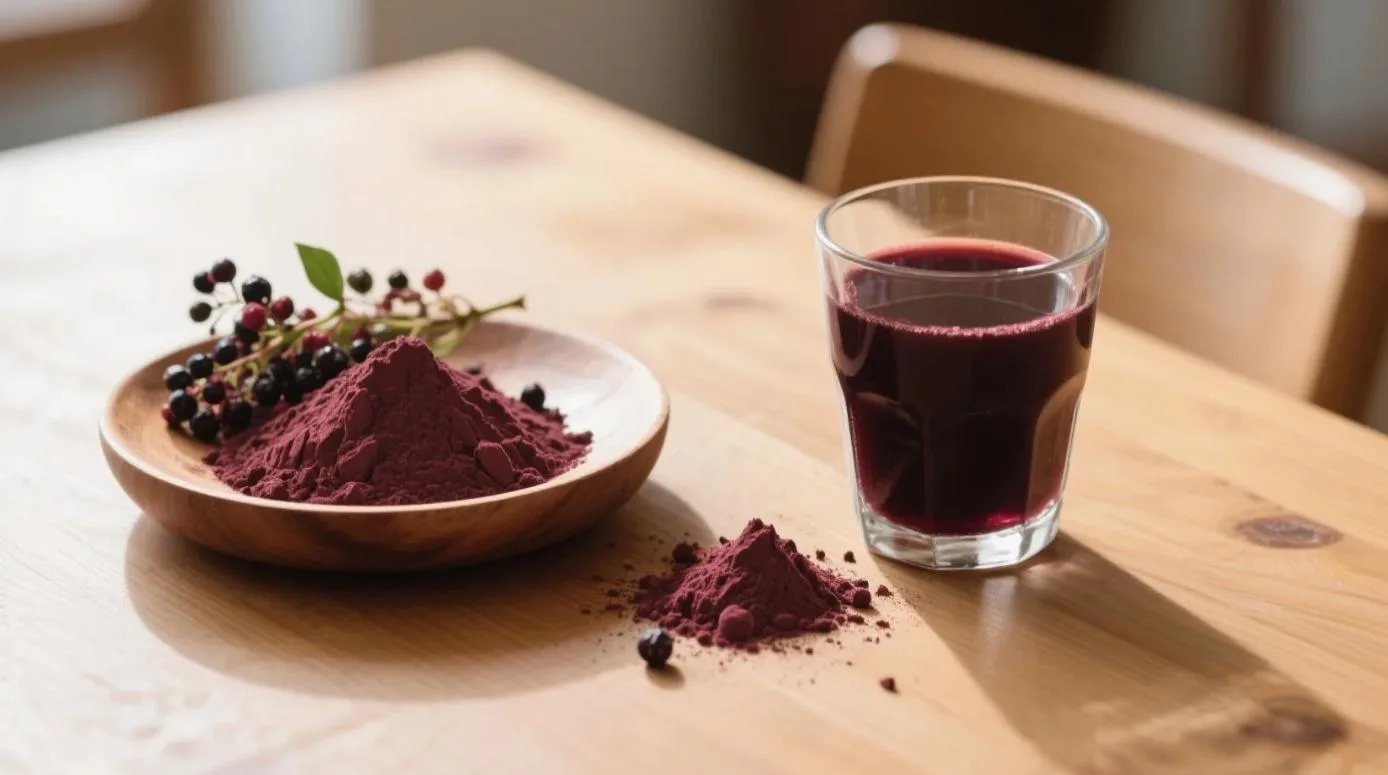
Elderberry’s Safety Profile: The Basics
From a toxicological standpoint, elderberries that have been properly harvested, fully ripened, and correctly processed are generally recognized as safe for the vast majority of healthy adults when consumed in normal food or supplement amounts. The plant itself, Sambucus nigra, is a well-established traditional food crop in Europe and is increasingly cultivated and processed in North America. The caveat, however, lies entirely in the raw material: raw or unripe elderberries, along with the leaves, seeds, and stems of the plant, naturally contain cyanogenic glycosides. When these compounds are ingested, the body can metabolize them into small amounts of cyanide, and concentrated exposure—most often the result of home foraging mistakes or improperly prepared extracts—may trigger unpleasant acute symptoms such as nausea, vomiting, abdominal cramping, or dizziness. This botanical reality is precisely why certified organic elderberry products from reputable, audited suppliers matter so much: commercial processing methods, including controlled heating and standardized extraction, are designed to neutralize these naturally occurring toxins so that the finished powder delivers the beneficial phytochemicals without the risk associated with unprocessed plant material.
Potential Side Effects of Elderberry Powders
While serious adverse events remain uncommon in the published literature and in real-world use of properly manufactured products, it is still worth understanding the side effects that may occur, particularly if elderberry powder is consumed improperly, in excessive amounts, or by individuals with specific sensitivities. The following categories cover the most frequently discussed concerns among clinicians, nutritionists, and supplement users, and they should be read as practical guidance rather than cause for alarm. None of these points suggest elderberry is dangerous; rather, they help responsible users and formulators anticipate and avoid avoidable discomfort.
- Digestive Upset
: At higher doses, elderberry powder—and especially whole-berry powder that retains the fruit’s natural dietary fiber—may place additional load on the digestive system. The fiber fraction, while valuable for gut health in moderate amounts, can be surprising to consumers who are unaccustomed to concentrated botanical powders. Individuals who exceed the suggested serving, or who mix a large scoop into a smoothie on an empty stomach, sometimes report transient digestive discomfort. The typical manifestations include:
- Stomach cramps: Mild, short-lived abdominal cramping as the gut adjusts to increased fiber and anthocyanin intake, usually resolved by reducing the portion.
- Diarrhea: Loose stools, more likely when intake significantly exceeds recommendations or when the powder is taken without food to slow absorption.
- Bloating: A feeling of fullness or gas, generally temporary and easily managed by splitting the dose across the day.
These effects are self-limiting and almost always resolve once intake is brought back within the recommended range.
- Allergic Reactions: True allergic responses to elderberry are rare, but they remain possible, particularly for individuals who already know they are allergic to honeysuckle, elderflower, or other members of the Sambucus family. Because cross-reactivity between botanically related species is well documented, anyone with a known sensitivity to these plants should exercise caution. Reported allergic symptoms are typically mild and localized, including skin itching, hives or rash, and occasional lip or facial swelling. In the unlikely event of more systemic involvement such as difficulty breathing, standard emergency guidance applies and medical help should be sought immediately. For most consumers, however, the risk is minimal.
- Blood Sugar Interactions: Several laboratory and preliminary clinical studies suggest that elderberry, like some other dark-pigmented berries, may influence carbohydrate metabolism and could contribute to lower blood glucose levels. For the general population this is rarely a concern, but it becomes relevant for individuals who are already managing diabetes with prescription medications such as insulin or oral hypoglycemics. In such cases, combining elderberry powder with medication could theoretically amplify the glucose-lowering effect and increase the risk of hypoglycemia. This is why healthcare professionals consistently advise anyone on diabetes medication to consult their doctor before adding elderberry supplements to their routine, so that dosing can be monitored and adjusted if necessary.
- Immune System Overstimulation: Elderberry’s well-known immune-modulating properties, while a selling point for seasonal wellness, introduce a theoretical consideration for people living with autoimmune conditions such as rheumatoid arthritis, lupus, or multiple sclerosis, or for those taking immunosuppressant medications following an organ transplant. Because elderberry may encourage immune activity, there is a hypothetical risk that it could interfere with the careful immune balancing these individuals require. The evidence here is largely precautionary rather than conclusive, but the prudent approach—recommended by many clinicians—is for anyone with an autoimmune diagnosis or on immune-affecting drugs to discuss elderberry use with their physician first.
- Overconsumption Risks : Perhaps the most straightforward risk is simply taking too much. Elderberry powder is a concentrated ingredient, and exceeding the manufacturer’s recommended dose does not improve results—it only raises the likelihood of the milder side effects described above. More is not better with botanicals, and disciplined adherence to serving guidelines is the simplest safeguard. Brands that provide clear, evidence-based dosing instructions on their labels play an important role in helping consumers avoid this pitfall, and formulators should treat the suggested serving as a ceiling rather than a starting point.
Organic Elderberry Powder vs. Juice Powder: Side Effects Compared
| Factor | Organic Elderberry Powder | Organic Elderberry Juice Powder |
|---|---|---|
| Fiber Content | High and naturally retained, delivering meaningful gut-health benefits but capable of causing digestive discomfort in sensitive users or at high doses. | Low, because the juice is expressed from the fruit before drying, making it noticeably gentler on sensitive stomachs. |
| Cyanide Risk | None, provided the product is sourced from a supplier that processes raw berries to eliminate natural toxins. | None, for the same reason—reputable juice-powder production neutralizes cyanogenic compounds during extraction. |
| Concentration | Moderate, reflecting the whole-fruit matrix including pulp, skin, and seed material. | High, since juice powder is a more concentrated extract and may deliver potentially stronger effects per gram. |
| Best For | Daily wellness routines and fiber-focused consumers who want the full fruit profile. | Quick immune support and easy digestion, ideal for those who prioritize convenience and tolerability. |
Why Organic Matters for Safety
Non-organic elderberry products, particularly those sourced through less transparent supply chains, carry a higher likelihood of containing pesticide residues, heavy-metal contamination, or the results of improper processing that fails to fully neutralize the plant’s natural toxins. For brands building a clean-label product, this is a meaningful differentiator. Certified organic powders address these concerns on three fronts. √ No toxic residues from prohibited pesticides or synthetic chemicals, because organic certification restricts the inputs used throughout cultivation and post-harvest handling.
√ Safe processing to neutralize the natural toxins present in raw elderberries, removing the risk that accompanies unprocessed material.
√ Transparent sourcing for quality control, with documented traceability from farm to finished ingredient that strengthens confidence and gives procurement teams the audit trail they need. Together, these factors make organic certification a practical safety and trust signal rather than a marketing nicety.
How to Minimize Risks
- Follow Dosage Guidelines : The single most effective way to avoid side effects is to respect the label. Stick to the recommended servings—for most elderberry powders this means roughly one to two teaspoons daily, though the exact amount depends on the product’s concentration and the intended application. Formulators should calculate finished-product dosing carefully rather than assuming that more is beneficial, and they should document rationale for each SKU.
- Start Small : Whether you are a first-time consumer or a brand running a pilot formulation, introduce elderberry gradually. Beginning with a smaller portion allows the individual to test personal tolerance and lets the digestive system adapt to the fiber and bioactive load before scaling up to the full serving, reducing the chance of avoidable stomach upset.
- Consult Your Doctor : This step is essential for certain groups. Anyone who is pregnant, breastfeeding, or currently taking prescription medications—especially for diabetes, autoimmune conditions, or immune suppression—should speak with a qualified healthcare provider before using elderberry powder. A short conversation can prevent avoidable complications and provide personalized guidance.
- Choose Reputable Brands : Finally, source wisely. Opt for organic, third-party lab-tested products that publish clear labeling, including origin, batch information, and Certificates of Analysis. Reputable suppliers stand behind their ingredients with transparency, and that transparency is the foundation of safe, consistent, and compliant use across every batch.
Elderberry Powder vs. Fresh Berries: Which Is Safer?
- Fresh Elderberries : Raw, uncooked berries are toxic and must always be heated—through cooking, baking, or proper commercial extraction—to destroy the cyanide-containing compounds before they are safe to eat. Home preparation carries real risk if temperatures or timing are off, which is why fresh elderberry is rarely consumed casually and is best left to experienced handlers.
- Organic Powders : By contrast, commercial organic powders are pre-processed, safe by design, and shelf-stable, requiring no cooking or special preparation. They deliver the same beneficial compounds in a convenient, measured format, which is a major reason formulators and busy consumers prefer them over handling fresh fruit.
The Bottom Line
When used correctly and sourced from trustworthy suppliers, both organic elderberry powder and organic elderberry juice powder are safe for the overwhelming majority of people and offer a compelling range of wellness benefits, from antioxidant support to seasonal immune reinforcement. The side effects discussed above are rare in practice and are far more often linked to overuse, unrealistic dosing, or low-quality products than to the ingredient itself. With sensible handling, elderberry remains one of the most approachable functional botanicals available to modern formulators and consumers alike.
By choosing certified organic, following clear dosage guidelines, and paying attention to how your own body responds, you can harness elderberry’s natural power with confidence rather than worry. Responsible use, combined with transparent sourcing, turns a traditional remedy into a reliable modern ingredient that earns its place in a clean-label product line.
Ready to Try Elderberry Safely?
Explore our premium organic elderberry powder for fiber-rich daily wellness, or our organic elderberry juice powder for concentrated, easy-to-digest immune support—both crafted with purity, safety, and your health in mind, and backed by the transparent sourcing standards that define a trustworthy ingredient partner.
Nourish wisely, and let nature do the rest!
Recommended Products

Elderberry Powder
Elderberry Powder and Elderberry Juice Powder are derived from premium Sambucus nigra using freeze-drying…
Related Posts


