Clicky

Organic Orange Powder: Health Benefits

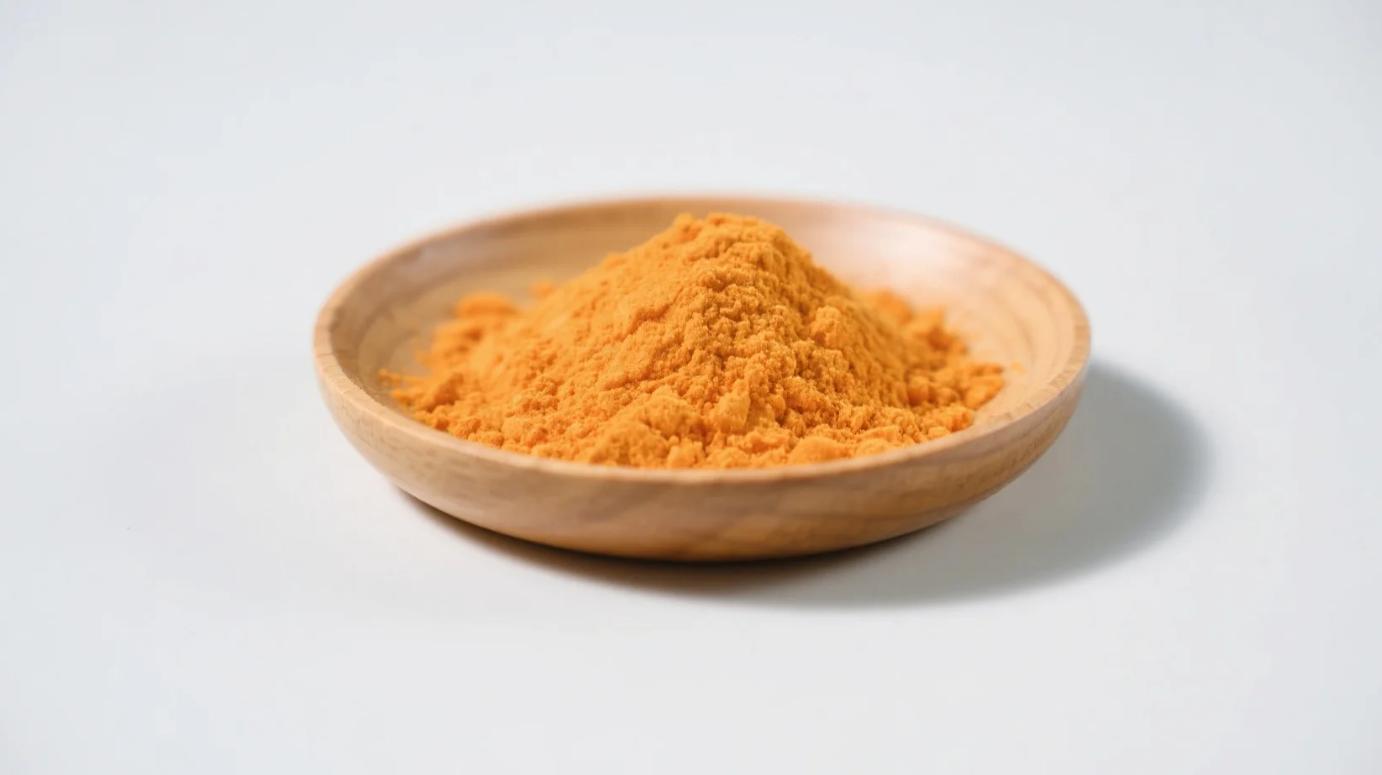
In a world where convenience often compromises nutrition, organic orange powder emerges as a vibrant bridge between nature’s bounty and modern living. This radiant powder—crafted from sun-ripened citrus—captures the essence of orchards in every spoonful, offering a burst of vitamin C, versatility, and sustainable goodness. For food manufacturers, formulators, and private-label brands, it solves a problem that fresh fruit can never address: how to deliver consistent citrus character, year-round, without the spoilage, freight weight, or seasonal price swings that whole oranges impose. Let’s peel back the layers of this golden innovation and examine why a single dehydrated ingredient has become a quiet workhorse across beverages, bakery, nutraceuticals, and clean-label product development.


1. From Grove to Glass: The Art of Crafting Organic Orange Powder

The journey begins in USDA-certified organic orchards, where oranges ripen under the Mediterranean sun, untouched by synthetic pesticides. The magic unfolds through a tightly controlled chain of custody that starts long before the fruit is picked. Growers monitor brix levels—the measure of natural sweetness—so that only fruit at peak maturity is selected, because a powder is only as expressive as the raw material behind it. Once harvested, the fruit is washed, inspected, and processed within a short window to protect volatile aromatic oils. What separates a premium organic orange powder from a commodity citrus dust is not a single machine but a disciplined sequence of choices: when to harvest, how to dry, whether to use the whole fruit, and how to keep microbes in check without reaching for chemical preservatives. Each of those decisions is reflected in the flavor, color, and nutrient profile that eventually lands in the finished product.

  • Low-Temperature Dehydration: Freeze-drying at -40°C preserves 98% of nutrients vs. traditional drying (retains only ~60%). By removing water while the fruit is still frozen, this method protects heat-sensitive compounds such as vitamin C and the delicate terpenes responsible for orange aroma. Conventional hot-air drying drives off moisture at temperatures that also drive off flavor and antioxidants, which is why powders made the old way often taste flat and dull. The result is a finished ingredient that reconstitutes with a brightness remarkably close to the fresh fruit.
  • Whole-Fruit Utilization: Peel, pulp, and juice are powdered together, locking in bioactive compounds lost in juicing. The flavedo and albedo—the colorful outer peel and the white pith beneath it—are where much of the flavonoid content lives, yet most juice extraction discards them. By keeping the entire fruit in the recipe, the powder captures a broader spectrum of plant compounds and a more authentic, layered citrus taste that pure juice concentrate simply cannot match.
  • Microbial Safety: UV-treated and cold-milled to retain color and flavor without preservatives. After drying, the brittle fruit is milled into a fine, free-flowing powder at low temperature to avoid scorching. A pass under ultraviolet light helps reduce surface microbial load, giving formulators a clean, shelf-stable ingredient that meets food-safety specifications while staying true to an organic, additive-free promise.

Certifications Matter:
✓ Non-GMO Project Verified
✓ Vegan Society Approved
✓ Carbon Neutral Production

For procurement teams, these marks are more than decoration. Non-GMO Project Verified gives retailers and consumers confidence that the supply chain was audited against genetic-engineering thresholds. Vegan Society Approved confirms no animal-derived processing aids were used, which matters for plant-based and free-from positioning. Carbon Neutral Production documents that emissions from farming through milling have been measured and offset, an increasingly important line item for brands with public sustainability targets. Together they let a buyer put a finished SKU on shelf with claims that survive scrutiny.


2. Nutritional Powerhouse: More Than Just Vitamin C

While famed for its immune-boosting vitamin C (1 tsp = 45mg, 75% DV), organic orange powder shines with a supporting cast of phytonutrients that rarely make the label. The appeal for formulators is precisely this synergy: a single ingredient supplies recognizable nutrition plus the less-visible compounds that research keeps linking to everyday wellness. Rather than adding a synthetic ascorbic acid spike and calling it “fortified,” a brand can lean on a whole-food source whose nutrients arrive in the company of their natural cofactors. That story resonates with shoppers who read ingredients panels and distrust isolated additives, and it gives product developers a credible foundation for functional claims.

  • Hesperidin & Naringin: Flavonoids that enhance blood circulation and reduce inflammation (study: Journal of Agricultural Food Chemistry, 2023). These citrus-specific polyphenols are concentrated in the peel fraction, which is exactly why whole-fruit powder outperforms juice. Emerging clinical and observational work continues to associate them with vascular comfort and antioxidant balance, making them attractive pillars for heart-health and active-lifestyle products.
  • Dietary Fiber: 3g per serving—supports gut health and slows sugar absorption. Because the powder includes pulp and pith, it carries insoluble and soluble fiber that plain juice lacks. In a beverage or bar, that fiber contributes to satiety and helps blunt the glycemic response, a practical advantage for better-for-you formulations that still want a naturally sweet citrus note.
  • D-Limonene: A terpene in orange peels with proven anticancer properties (NIH research). Beyond its role as the signature scent of fresh peel, D-limonene is one of the most studied citrus volatile oils, with a body of laboratory evidence pointing to supportive effects on cellular health. Its presence is a reminder that the “waste” part of the fruit is often the most interesting part nutritionally.

Pro Tip: Mix with warm water for a “Golden Elixir” that rivals green tea in antioxidants. The gentle heat helps the powder dissolve and lifts the aromatic oils, producing a comforting cup that doubles as a morning ritual. For brands, the same idea scales into a single-serve sachet, a functional tea line, or a post-workout hydration mix—proof that an ingredient this simple can anchor an entire product concept with almost no formulation risk.


3. Beyond the Breakfast Table: Unexpected Uses

A. Culinary Wizardry

  • Baking Boost: Replace 20% flour in muffins for moist texture + citrus zing. The powder contributes natural acidity that reacts with baking soda for a better rise, while its soluble fiber holds moisture so baked goods stay tender longer on shelf. Pastry chefs also use it to standardize flavor across batches, since fresh zest varies with the season and the fruit.
  • Savory Surprise: Blend into salad dressings or spice rubs—pairs brilliantly with smoked paprika. A teaspoon transforms a vinaigrette or a barbecue rub, adding brightness that cuts through fat and rounds out roasted or grilled dishes. Development kitchens value it as a clean-label alternative to artificial citrus flavorings in marinades and glazes.
  • Zero-Waste Cocktails: Rim margarita glasses with orange powder + Himalayan salt. Beyond the glass, the same rimming trick works for craft mocktails and functional drinks, giving bartenders a visually striking, edible garnish with no perishable fruit prep. It is a small touch that signals care and elevates the perceived quality of the serve.

B. Beauty from Within (and Outside!)

  • Glow Mask: Mix 1 tsp powder + yogurt + turmeric for brightening. The vitamin C and natural acids in the powder make it a favorite in DIY and professional spa formats alike, where it lends a fresh scent and a gentle resurfacing feel. For cosmetics brands, the ingredient supports “food-derived” positioning in masks, scrubs, and bath products.
  • DIY Electrolyte Packs: Combine with coconut water powder and magnesium. The natural citrus flavor masks the metallic note of mineral salts, making a home-blended hydration mix that tastes like a treat rather than a supplement. This same trio is the backbone of many commercial electrolyte and effervescent tablet formulas.

C. Sustainable Hacks

  • Natural Cleaner: Sprinkle powder + vinegar to degrease surfaces. The citric acid cuts grease and leaves a clean citrus scent without synthetic fragrances, a wins with households moving away from harsh chemicals. Small-batch cleaning brands sometimes build entire surface-spray lines around upcycled citrus fractions.
  • Compost Catalyst: Accelerates decomposition with natural acidity. Added to a compost heap, the powder introduces readily available citrus acids and sugars that feed microbial activity, speeding breakdown of kitchen scraps. It is a tidy closing loop for operations already handling orange by-products.

4. Science Spotlight: Why Powder Beats Fresh

MetricFresh OrangeOrganic Orange Powder
Vitamin C RetentionLoses 30% in 7 daysStable for 24 months
PortabilityPerishableShelf-stable
Waste Generated40% peel discarded100% fruit utilized
Carbon FootprintHigh (refrigeration)Low (lightweight shipping)

Fun Fact: NASA includes orange powder in astronaut diets for its space-safe nutrients and mood-lifting aroma. The logic mirrors every earthly supply chain: a lightweight, sterile, long-keeping source of vitamin C and familiar flavor is far easier to ship and store than fresh fruit, and the cheerful scent offers a small but real psychological lift in confined environments. Back on the ground, the same properties make it a dependable anchor for emergency rations, expedition food, and any product that must perform far from a cold chain.


5. The Ethical Choice: Farming with Purpose

Organic orange farms combat climate change by treating the orchard as a living system rather than a monoculture extraction site. Soil health, water discipline, and pollinator safety are managed together, because each one reinforces the others. Healthier soil stores more carbon and needs less input; precise irrigation protects local watersheds; and a chemical-free bloom keeps the insects that citrus trees depend on. For mission-driven brands, sourcing from farms like these is not a marketing footnote but the core of a credible sustainability narrative that customers can verify through the certifications attached to the ingredient.

  • Regenerative Practices: Intercropping with nitrogen-fixing plants like clover. Legumes woven between the trees return nitrogen to the soil naturally, reducing the need for applied fertilizer and suppressing weeds that would otherwise compete with young groves. The diversified ground cover also shelters beneficial insects and lowers erosion on sloping land.
  • Water Wisdom: Drip irrigation cuts usage by 60% vs. conventional groves. Delivering water drop by drop at the root zone eliminates the runoff and evaporation losses of flood or sprinkler systems, a decisive advantage in arid citrus regions. Lower water draw eases pressure on shared aquifers and stabilizes yield through drought years.
  • Bee Guardians: No neonicotinoids—support pollinators critical to citrus ecosystems. Citrus flowers must be visited by bees for a full set of fruit, so protecting pollinators is quite literally how the orchard reproduces itself. Avoiding systemic insecticides keeps hive health intact and safeguards the broader biodiversity that keeps pest pressure in balance.

A 2023 study showed organic citrus farms host 300% more butterfly species than conventional counterparts. That headline number is a useful proxy for overall ecological richness: where butterflies thrive, a wider web of native plants, pollinators, and predators tends to thrive alongside them. For buyers, it is evidence that an organic specification delivers measurable environmental returns, not just a cleaner ingredient label.


6. How to Choose & Use

Selecting Quality:

  • Look for vibrant color (pale hues indicate oxidation). A deep, even orange signals that the fruit was processed quickly and protected from light and air; a faded, brownish tone usually means prolonged exposure or heat damage that also cost flavor and nutrients. Color is the fastest visual quality check a buyer can perform at intake.
  • Check solubility—premium powder dissolves fully in 10 seconds. Rapid, clump-free dispersion matters in beverages and instant mixes, where grit or floating flecks read as poor quality. A quick lab or kitchen test in cold water reveals whether the milling and drying were done to a fine enough specification for the intended application.
  • Avoid added “anti-caking” agents; true organic powder flows freely. Free-flowing behavior should come from proper low-moisture milling, not from silicon dioxide or similar flow aids. Buying the clean version keeps the ingredient list short and defensible, which is exactly what premium and organic positioning demands.

Storage Hacks:

  • Keep in amber jars away from light. Ultraviolet exposure steadily degrades color and vitamin C, so opaque, airtight containers—especially amber glass or foil pouches—preserve both nutrition and appearance through the long shelf life the powder is known for.
  • Freeze for 3+ year shelf life (thaws in minutes). At sub-zero temperatures the already-low moisture activity effectively halts any remaining enzymatic change, extending potency well beyond typical ambient storage. Because the powder is dry, it returns to free-flowing condition within minutes of reaching room temperature, with no clumping to fight.

7. The Future of Citrus

Innovators are pushing boundaries with formulations and infrastructure that make citrus both more functional and more responsible. The direction of travel is clear: take the parts of the fruit once thrown away, concentrate their value, and power the process with renewable energy. For brands watching the category, these moves preview the next generation of citrus ingredients—more targeted in their benefits, more transparent in their footprint, and more integrated into products consumers have not yet imagined.

  • Orange Powder “Gummies”: 3D-printed snacks for pediatric vitamins. Precise deposition lets manufacturers control dose per piece and build appealing shapes without the sugar load of traditional gummies, while the natural orange base carries flavor and a vitamin boost that parents actually trust.
  • Biodegradable Packaging: Made from orange peel cellulose. The same pectin- and fiber-rich by-product that gives powder its body can be spun into films and trays, turning processing residue into the wrapper itself and closing the loop on single-use plastic.
  • Solar-Powered Mills: Zero-emission production in Morocco’s Sahara Solar Project. siting dehydration and milling at solar-rich sites cuts the energy cost of removing water—the most energy-intensive step—to near zero, shrinking the ingredient’s footprint exactly where it is largest.

A Squeeze of Sunshine, Anytime
Organic orange powder isn’t just a pantry staple—it’s a passport to year-round vitality. By condensing nature’s brilliance into a jar, it empowers urbanites, adventurers, and eco-conscious families to savor the orchard’s goodness without compromise. Whether stirred into morning oats, blended into post-workout shakes, or sprinkled into eco-cleaners, this powder proves that the simplest innovations often bear the sweetest rewards. Its real strength is reliability: the same bright citrus note, the same nutrient baseline, available every day of the year regardless of harvest or hemisphere.

In an age of artificial additives and food miles, organic orange powder stands as a testament to humanity’s ability to harmonize tradition with technology—one radiant spoonful at a time. It honors the oldest part of the story, the fruit itself, while quietly fixing the modern problems of waste, distance, and inconsistency that fresh produce cannot solve alone. For the brands willing to build around it, that balance of heritage and engineering is not just good sourcing; it is a better product, told honestly.

Looking for High-Quality Organic Ingredients? Contact Us Today

Work with a certified supplier offering bulk supply, customization, and global delivery.