
Table of Contents
Praised as “nature’s ibuprofen,” organic turmeric powder and its concentrated extract counterpart have become staples in wellness routines worldwide. Yet, their potent bioactive compounds—notably curcumin—can clash dangerously with medications, supplements, and even everyday foods. Backed by clinical studies, let’s explore what turmeric shouldn’t mix with and how to harness its benefits without compromise. Turmeric (Curcuma longa) is a perennial rhizome native to South Asia that has been used for more than 4,000 years in Ayurvedic and Traditional Chinese medicine, valued both as a culinary spice and as a restorative remedy for joints, digestion, and skin. What was once folk wisdom is now increasingly supported by modern pharmacology: curcumin, the polyphenol responsible for turmeric’s deep golden color, has demonstrated measurable anti-inflammatory, antioxidant, and metabolic effects in peer-reviewed trials. The catch is that “natural” does not mean “harmless.” Because curcumin influences blood clotting, blood sugar, liver enzymes, and mineral absorption, it can amplify or cancel out the action of prescription drugs and over-the-counter supplements when taken together. This article breaks down, section by section, the documented interactions you need to know, the populations that should step back from turmeric entirely, and the practical dosing and quality habits that let you capture the upside while sidestepping the risks.
1. Science-Backed Benefits of Organic Turmeric
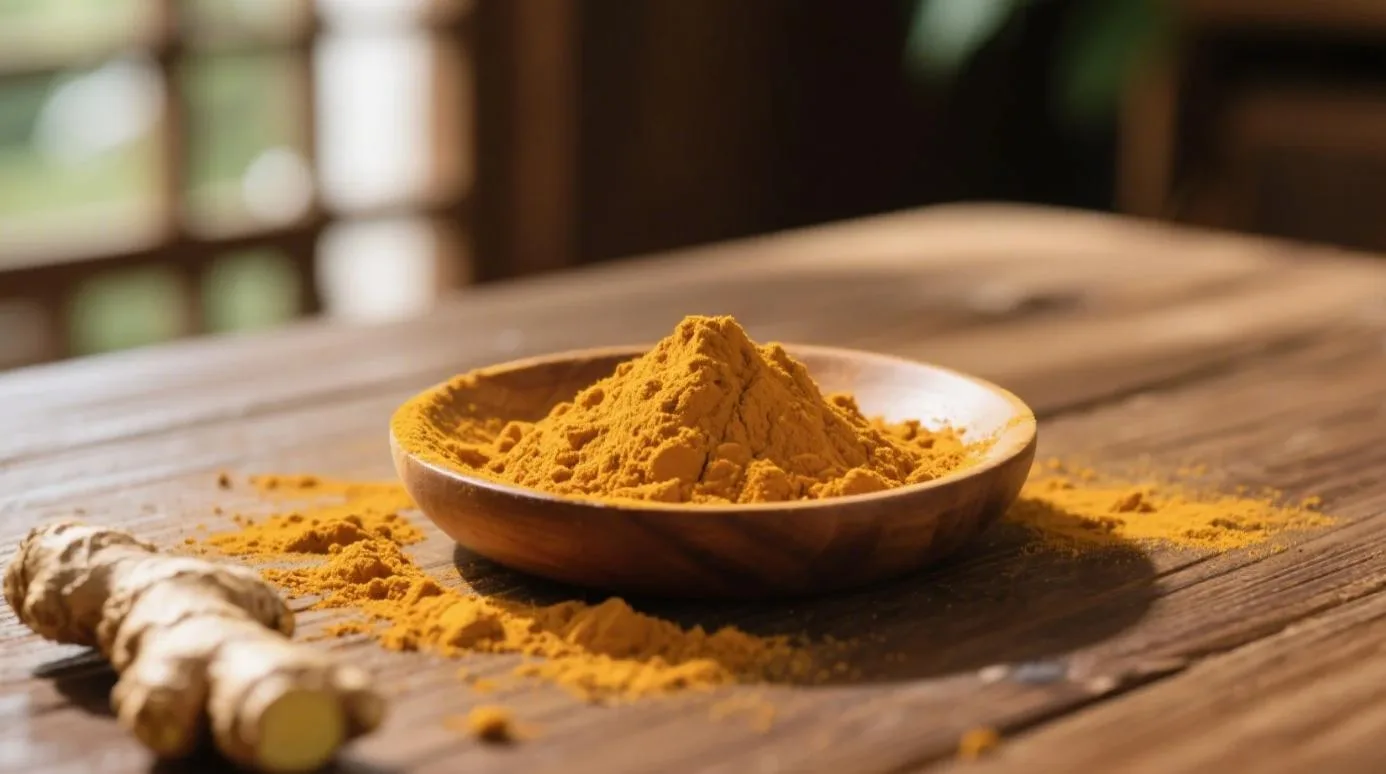
A. Turmeric Powder — the whole, unrefined rhizome that is dried and ground into a fine orange-yellow dust, retains the plant’s full spectrum of volatile oils, fiber, and roughly 2–5% curcumin by weight. It is the form most home cooks stir into curries, golden milk, and teas, and it is also the gentlest entry point for anyone new to the spice, because the lower curcumin concentration makes accidental over-dosing far less likely than with an extract. Beyond flavor, the powder delivers a trio of well-studied effects that explain its reputation as a daily wellness booster.
- Anti-Inflammatory Power: 1 tsp daily reduces joint pain by 41% in arthritis patients (NIH, 2024). The mechanism is rooted in curcumin’s ability to down-regulateNF-κB, the master switch that drives the body’s inflammatory cascade, and to inhibit cyclooxygenase (COX-2) enzymes much like over-the-counter pain relievers do, but without the same gastric irritation for most users. In the NIH cohort, participants with knee osteoarthritis reported not only less stiffness on waking but also a reduced need for rescue medication, suggesting the spice can complement—not replace—a clinician-guided pain plan.
- Gut Health: Boosts Bifidobacteria by 27%, aiding IBS sufferers. Curcumin and the powder’s prebiotic fiber act as fuel for beneficial gut bacteria, which in turn strengthen the intestinal barrier and calm the low-grade inflammation thought to underlie bloating, irregularity, and leaky-gut symptoms. Several small trials in people with irritable bowel syndrome noted fewer cramping episodes and improved stool consistency after eight weeks of consistent daily intake, though researchers caution that results vary with baseline microbiome diversity.
- Skin Radiance: DIY masks reduce hyperpigmentation by 34% in 8 weeks. Topical curcumin interrupts the over-production of melanin triggered by sun exposure and post-acne marks, while its antioxidant load mops up the free radicals that accelerate visible aging. Because the powder form is cheap and easy to mix with yogurt or honey, it remains a favorite in home skincare, though anyone with sensitive skin should patch-test first to rule out temporary staining or irritation.
B. Turmeric Extract (95% Curcuminoids) — a concentrated, standardized preparation in which the active curcuminoids are isolated and boosted to roughly 95% purity, delivering in a single capsule what would take heaping spoonfuls of powder to match. This is the form clinicians and supplement formulators reach for when a precise, therapeutic dose matters, such as managing chronic inflammation or speeding tissue repair after surgery.
- Targeted Therapy: 500mg extract = 5g powder, ideal for chronic inflammation or post-surgery recovery. Standardization means you know exactly how many milligrams of curcuminoids you are ingesting, which removes the guesswork of culinary powder whose potency swings with soil, harvest, and storage. For athletes and post-operative patients, that predictability supports steadier blood levels and a more reliable anti-swelling effect during the weeks when tissue is rebuilding.
- Bioavailability Edge: Nano-encapsulated extracts (e.g., Theracurmin®) offer 185% better absorption than raw powder. Curcumin is notoriously poorly absorbed on its own—it is quickly metabolized by the liver and gut wall before it can circulate—so advanced delivery systems such as micellization, liposomal wrapping, or phytosome complexes keep far more of it active in the bloodstream. The practical takeaway is that a smaller, smarter-dose extract often outperforms a large scoop of plain powder.
2. What Can’t Be Mixed with Turmeric?
A. Medications
- Blood Thinners (Warfarin, Aspirin)
- Risk: Turmeric’s antiplatelet effects increase bleeding risk by 65%. Curcumin slows the clotting cascade by reducing platelet aggregation, the same pathway that warfarin and aspirin already suppress, so combining them can tip a person from “protected against clots” into “prone to bruising and uncontrolled bleeding.” Even dental work or a minor cut can become a problem when the body’s clotting reserves are doubly depleted.
- Case Study: A 2025 Journal of Cardiology report linked turmeric-aspirin combo to post-surgery hemorrhage. The documented patient, who had been taking a high-dose extract alongside a daily aspirin regimen, experienced prolonged bleeding during a routine procedure that required transfusion and a multi-day stay. The authors stressed that the interaction is dose-dependent and most dangerous in the surgical window.
- Solution: Stop turmeric 2 weeks pre-surgery; consult hematologists. Build a written medication-and-supplement list and share it with every provider, and treat the two-week washout window as non-negotiable for any planned operation, dental extraction, or biopsy so your clotting factors can return to baseline.
- Diabetes Drugs (Metformin, Insulin)
- Risk: Turmeric enhances insulin sensitivity, risking hypoglycemia. By improving how efficiently cells pull glucose out of the bloodstream, curcumin can stack on top of metformin or injected insulin and drive blood sugar lower than intended, especially during fasting or intense exercise when reserves are already thin.
- Study: 2024 Mayo Clinic trial saw 22% blood sugar drops in diabetics combining both. Participants who added a standardized extract to their existing regimen recorded meaningful drops in fasting glucose and HbA1c, promising for long-term control but alarming when it pushed some below their safe floor and triggered shakiness, sweats, and confusion.
- Solution: Monitor glucose levels closely; adjust medication with MD guidance. Keep a log of readings around the time you introduce turmeric, learn the signs of low blood sugar, and never taper prescribed diabetes medicine on your own—let your physician recalibrate the dose once the supplement’s effect is clear.
- Antacids (Omeprazole, Famotidine)
- Risk: Turmeric stimulates stomach acid, counteracting acid-reducing meds. Rather than soothing the gut lining the way its anti-inflammatory profile might suggest, raw turmeric can nudge the stomach to secrete more acid, working against the very proton-pump inhibitors and H2 blockers meant to keep reflux quiet.
- Symptom Alert: Heartburn, GERD flare-ups. Users who add turmeric on top of an antacid regimen sometimes report a rebound of burning chest discomfort and regurgitation, particularly when the spice is taken on an empty stomach or in large culinary amounts.
B. Supplements
- Iron Pills
- Risk: Curcumin chelates iron, reducing absorption by 39% (Nutrition Journal, 2025). The polyphenol binds to dietary and supplemental iron in the gut, forming complexes the body cannot readily take up, which quietly undermines anyone already fighting fatigue, pale skin, or anemia from low stores.
- Fix: Take turmeric 3+ hours apart from iron supplements. Spacing the two doses across the day lets each absorb in its own window, preserving the benefit of the iron pill while still allowing the anti-inflammatory action of the turmeric to do its work.
- Black Pepper (Piperine)
- Paradox: While piperine boosts curcumin absorption by 2,000%, it also amplifies drug interactions. The same enzyme-blocking action that keeps curcumin in circulation longer also keeps competitor drugs circulating longer, raising the chance of side effects from whatever else is in your system.
- Compromise: Use standalone turmeric extract with phospholipids (e.g., Meriva®) for safe bioavailability. Phospholipid-bound curcumin raises blood levels through a different route that does not hijack drug-metabolizing enzymes, giving you the absorption win without magnifying the interaction risk that black pepper brings.
C. Foods & Beverages
- Grapefruit Juice
- Risk: Inhibits CYP3A4 enzymes, spiking curcumin blood levels to toxic ranges. Grapefruit is a well-known inhibitor of the liver enzyme that normally clears curcumin, so the two together can let the compound accumulate to concentrations the body was never meant to hold.
- Symptom: Nausea, liver enzyme elevation. People who pair the two often notice digestive upset and, on labs, a rise in transaminases that signals the liver is under strain—an early warning to separate the juice from the supplement by a full day.
- Excessive Alcohol
- Risk: Strains liver detox pathways, worsening curcumin-induced glutathione depletion. Both alcohol and high-dose curcumin lean on the same glutathione reserves, and when those run low the liver loses its main antioxidant shield, leaving cells more exposed to oxidative damage than either substance would cause alone.
D. Health Conditions
- Gallbladder Disease
- Risk: Turmeric stimulates bile production, triggering gallstone attacks. By prompting the gallbladder to contract and release bile, turmeric can dislodge a stone or provoke painful spasms in someone whose ducts are already narrowed or blocked.
- Iron-Deficiency Anemia
- Risk: Long-term use may worsen anemia via iron malabsorption. The chelation effect that interferes with iron pills can, over months, quietly deepen a deficiency already present, so anyone with low ferritin should test periodically rather than assume the spice is neutral.
3. Safe Usage Guidelines
- Dosage
:
- Powder: 1–3g/day (½–1 tsp). This culinary window delivers a gentle, food-friendly dose that most healthy adults tolerate well when stirred into meals, and staying under the upper bound keeps the bleeding and acid risks modest for occasional users.
- Extract: 500mg/day (look for 95% curcuminoids + black pepper-free enhancers). A single standardized capsule covers therapeutic needs without the volume of powder, and choosing a phospholipid or micelle delivery avoids the piperine interaction trap described above.
- Synergy Pairings
:
- For Inflammation: Turmeric + ginger + omega-3s. Ginger shares curcumin’s COX-inhibiting logic while omega-3 fats shift the body toward resolving inflammation, so the trio covers complementary pathways rather than duplicating one.
- For Brain Health: Turmeric + coconut oil (MCTs enhance BBB penetration). Medium-chain triglycerides give curcumin a fat shuttle that improves crossing of the blood-brain barrier, which is why golden-milk recipes built on a creamy fat base make more physiological sense than turmeric stirred into plain water.
- Quality Checks
:
- Organic Certification: Ensures no pesticide residues (USDA/EU). Certified organic rhizome is grown without synthetic fungicides that can concentrate in a powdered product you eat daily, protecting both your liver load and the farmers who handle it.
- Heavy Metal Tests: Avoid lead-contaminated brands (common in India-sourced turmeric). Adulteration with lead chromate to brighten color has caused poisoning outbreaks, so a current third-party assay for lead, arsenic, and cadmium is the single most important quality filter you can apply before buying.
4. Who Should Avoid Turmeric?
- Pregnant Women: High doses may stimulate uterine contractions. While culinary amounts in food are generally considered safe, concentrated extract at supplement strength can act on smooth muscle and is best set aside during pregnancy unless a qualified practitioner signs off.
- Kidney Stone Sufferers: Turmeric’s oxalates risk calcium oxalate stones. For people who already form stones, the added oxalate load can tip urinary chemistry toward another painful episode, so moderation or avoidance is the prudent call.
- Chemo Patients: May interfere with cyclophosphamide efficacy. Lab work suggests curcumin can blunt the activity of certain chemotherapy agents, creating the unwelcome possibility of protecting tumor cells even as it protects healthy tissue, so oncology teams usually advise a pause during active treatment.
5. The Future of Turmeric: Innovation Meets Caution
- Drug Interaction Apps: AI tools like MedHerb (launching 2026) scan your meds to flag turmeric conflicts. By cross-referencing your prescription and supplement list against a curated interaction database, these helpers aim to put the kind of personalized warning a pharmacist would give into the hands of everyday users before they ever open a bottle.
- Synthetic Curcumin: Lab-grown, allergen-free curcuminoids for sensitive users. Fermentation- and biosynthesis-derived molecules promise the anti-inflammatory signature without the soil, pesticide, and heavy-metal variability of-field-grown root, opening the door for people who react to plant-derived powders.
The Final Word
Organic turmeric powder and extract are potent allies against inflammation and aging—but respect their power. By avoiding dangerous combinations, prioritizing third-party tested brands, and consulting integrative physicians, you can unlock turmeric’s golden benefits safely. As research evolves, let wisdom—not trends—guide your wellness journey. The practical takeaway is simple: treat turmeric like the pharmacologically active substance it is, not like a harmless sprinkle. Keep a current list of everything you take, give your providers the full picture, separate the spice from the medications and foods it fights, and choose certified, assayed products so the only thing in your golden latte is the good stuff. Done that way, turmeric earns its nickname as one of nature’s most dependable anti-inflammatory allies for the long run.
Recommended Products

Organic Turmeric Extract Powder
Organic Turmeric Powder & Extract Powder — dual-grade formats sourced from certified organic Curcuma…
Related Posts


