
Table of Contents
For over 4,000 years, turmeric—the golden spice of life—has been revered in Ayurvedic and traditional medicine for its transformative healing properties, earning a place not only in the kitchen but in the daily rituals of cultures that understood food as medicine long before laboratories could explain why it worked.
Today this ancient root takes on new power with Organic Turmeric Extract and Organic Turmeric Powder, offering modern health enthusiasts a flexible, dual pathway to everyday vitality.
Whether you are fighting stubborn inflammation, seeking radiant and resilient skin, protecting your joints as you age, or simply supporting long-term wellness from the inside out, these organic treasures deliver the pure, unadulterated potency of curcumin, nature’s most celebrated anti-inflammatory compound.
Dive into the golden world of turmeric and redefine what it means to truly thrive, one warm and healing spoonful at a time, knowing that every benefit you feel is backed by both tradition and a growing body of modern science.
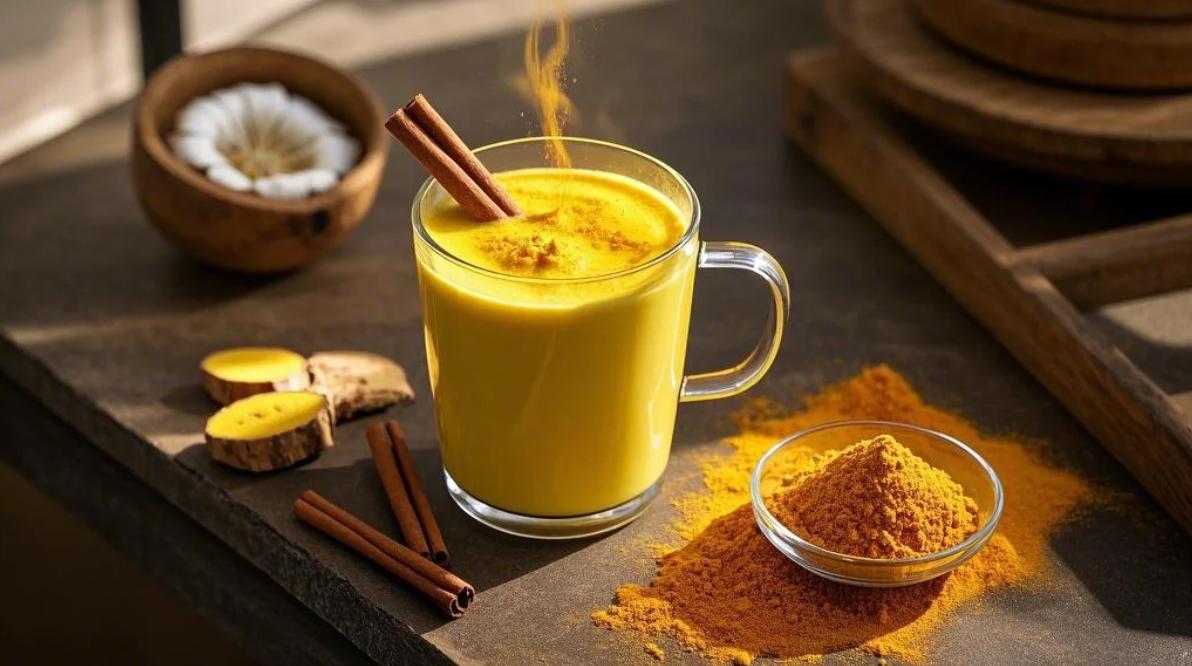
Turmeric: The Sacred Root of Healing
Turmeric’s vibrant golden hue has symbolized health, purity, and prosperity across Indian and Asian cultures for millennia, appearing in wedding rituals, temple offerings, and everyday cooking alike as a quiet declaration of wellbeing.
At the heart of its reputation lies curcumin, the bright yellow polyphenol hailed as a natural anti-inflammatory, antioxidant, and immune-supporting marvel that gives the root both its color and its power.
Now that this ancestral wisdom is finally scientifically validated, Organic Turmeric Extract and Powder bring the same ancient power into your kitchen, your supplement routine, and your self-care rituals—without sacrificing the purity that makes it work.
Choosing an organic form simply means you get the compound the way nature intended it, free from the residues that can dull its effect.
Why Choose Organic Turmeric?
Organic certification is more than a label on a jar; it is a promise of purity, potency, and planetary care that touches everyone in the supply chain, from the soil where the root grows to the hands that finally open the package.
It guarantees that what reaches your body has been cultivated and handled without compromising chemicals or shortcuts that conventional agriculture often accepts. Our turmeric products are:
- Pesticide-Free: Grown without synthetic pesticides, herbicides, or chemical fertilizers, ensuring a genuinely toxin-free product that protects both your body and the farmers who cultivate it. Conventional turmeric is routinely found to carry residues of agrochemicals; organic certification closes that loophole from the root in the field all the way to the finished jar on your shelf.
- Rich in Curcumin: Organic farming enhances curcuminoid concentration for maximum efficacy because plants grown in living, nutrient-dense soil defend themselves by producing more of their own protective phytochemicals. The result is a measurably higher level of the very compounds you are buying the spice for, which translates directly into stronger, more reliable results for the person using it.
- Sustainable Sourcing: Supporting farms that prioritize soil health and biodiversity through crop rotation, cover-cropping, and natural composting rather than depletion. Choosing organic turmeric therefore becomes a quiet vote for regenerative agriculture that leaves the land healthier than it was found, protecting the ecosystems and communities that make the spice possible in the first place.
The Power Duo: Extract vs. Powder
No two wellness routines look alike, which is why we offer turmeric in two versatile formats that let you tailor both the dose and the experience to the shape of your day.
Each has a distinct role, and together they cover the full spectrum of how people actually use this remarkable root. Understand the difference and you can build a habit that fits:
- Organic Turmeric Extract:
A concentrated preparation—available as a standardized powder, soft extract, or liquid—delivering a guaranteed high load of curcuminoids, typically between 30% and 95% purity depending on the grade you choose. Because the active compounds are already isolated and quantified, extract is ideal for targeted anti-inflammatory support, clinical dosing, and noticeably faster absorption when paired with a source of healthy fat or a pinch of piperine. - Organic Turmeric Powder:
Ground from whole, sun-dried roots that are milled into a fine, fragrant powder retaining its full spectrum of volatile oils, fiber, and curcumin. It is the perfect everyday companion for cooking, golden smoothies, teas, and holistic wellness rituals where you want the whole food rather than just the isolate, and where consistency matters more than maximum concentration.
Health Benefits That Glow from Within
Used alone or together, Organic Turmeric Extract and Powder work synergistically to deliver a cascade of whole-body benefits that build quietly and accumulate over weeks of consistent use. The most researched and reliably reported of these include the following pillars of everyday wellbeing:
- Joint & Muscle Relief
Curcumin’s well-documented anti-inflammatory action works by down-regulating NF-kB, the master switch of inflammation in the body. Regular intake eases the stiffness of osteoarthritis and rheumatoid arthritis, speeds recovery from exercise-induced muscle soreness, and takes the edge off the chronic pain conditions that conventional analgesics only mask instead of resolving. - Immunity Boost
The antioxidant load in turmeric neutralizes free radicals before they can damage cell membranes and DNA, while simultaneously stimulating the activity of your body’s own antioxidant enzymes. This two-sided action shields immune cells from oxidative stress and helps the system mount a faster, cleaner response to the seasonal infections we all face. - Heart Health
Curcumin improves the function of the endothelium, the thin lining of blood vessels that is central to healthy circulation and stable blood pressure. It also helps lower oxidized LDL cholesterol and reduces the inflammatory markers associated with atherosclerosis, making it a quiet but powerful ally for long-term cardiovascular wellness. - Digestive Harmony
By stimulating bile production and healthy stomach acid, turmeric helps the body break down fats and absorb nutrients more efficiently, reducing the bloating and heaviness that follow rich meals. Its soothing effect on the gut lining also calms the low-grade inflammation behind irritable bowel syndrome and helps some people with inflammatory bowel conditions find daily comfort. - Skin Radiance
Used internally or topically, curcumin’s antibacterial and sebum-balancing qualities help clear acne, while its antioxidant defense slows the collagen breakdown that leads to fine lines and wrinkles. Over weeks of steady use, many people notice a brighter, more even complexion as old pigmentation fades and the skin’s natural glow quietly returns.
Science Speaks: Turmeric’s Golden Truth
Turmeric is no longer folk wisdom alone; decades of peer-reviewed research now confirm its prowess and help explain precisely why earlier generations trusted it so completely. The evidence base is broad, but a few representative findings stand out and are worth keeping in mind:
- A 2021 meta-analysis in Phytotherapy Research, pooling data across multiple randomized controlled trials, found curcumin to be as effective as non-steroidal anti-inflammatory drugs for relieving arthritis pain—yet without the gastrointestinal side effects that make long-term NSAID use risky for many patients.
- The Journal of Clinical Medicine highlights curcumin’s role in reducing several established markers of heart-disease risk, attributing the benefit to its ability to quiet systemic inflammation and improve vascular function rather than to any single isolated mechanism.
- Studies in Antioxidants suggest that curcumin can cross the blood-brain barrier and help clear the amyloid plaques associated with Alzheimer’s, pointing toward a potential role in delaying or softening the trajectory of neurodegenerative disease when used as part of a longer-term preventive strategy.
Easy Ways to Embrace Turmeric’s Magic
The easiest way to stay consistent is to weave turmeric into habits you already enjoy, so the benefits accumulate in the background without feeling like a chore or a medical protocol. Here are simple, everyday ways to incorporate these golden gems into daily life:
- Golden Milk: Mix Turmeric Powder with warm plant milk, a slice of fresh ginger, a crack of black pepper, and a drizzle of honey for a cozy, anti-inflammatory nightcap that has soothed throats and joints across South Asia for centuries and helps the body wind down before sleep.
- Supplement Smart: Take Turmeric Extract with black pepper or a source of healthy fat, because piperine inhibits the liver enzyme that would otherwise flush curcumin out, multiplying its bioavailability several-fold and ensuring you actually absorb what you swallow.
- Culinary Creations: Add the powder to lentil soups, coconut curries, rice, roasted vegetables, or even scrambled eggs for both flavor and color. Beyond its warm, peppery taste and sunlit hue, a daily culinary pinch keeps your curcumin intake steady without ever feeling like medicine.
- Skincare Rituals: Blend the powder with plain yogurt, honey, or aloe to form a brightening face mask. Ten minutes of weekly application can calm redness, soften dark spots, and leave skin visibly refreshed thanks to curcumin’s antibacterial and tone-evening properties.
Market Trends: The Curcumin Craze
Turmeric’s rise from a humble spice rack to a global wellness phenomenon is not accidental; its popularity soars because powerful cultural and health currents happen to converge around the same golden root at the same moment in history. The main drivers behind the curcumin craze are:
- Chronic Inflammation Epidemic: An estimated 60% of all chronic diseases—from type 2 diabetes to cardiovascular disease and autoimmune disorders—are now linked to unresolved, low-grade inflammation. As consumers learn this, they turn to food-first solutions, and turmeric sits at the very top of that list.
- Clean-Label Demand: The clean-label movement has trained shoppers to read ingredient lists and reject synthetic additives. People increasingly want plant-based, recognizable alternatives to daily pharmaceuticals for prevention, and turmeric answers that demand with a centuries-old safety record.
- Functional Foods Surge: Retail shelves now overflow with turmeric-infused functional foods—golden lattes, sparkling tonics, wellness shots, protein bars, and standardized supplements—confirming that what began as a kitchen spice has become a mainstream preventive-health category.
Quality You Can Trust
At Organic Way, quality is the entire point of the product, not a marketing footnote we add at the end. We hold our Organic Turmeric Products to standards that go well beyond the minimum required to print the word organic on a label. Specifically, our products are:
- Certified Organic: Verified to USDA and EU standards, which means the roots are grown from non-GMO seed, never irradiated, and confirmed free from prohibited pesticides and contaminants at every stage of production, from the field to the sealed pouch.
- Third-Party Tested: We commission independent laboratories to verify purity, confirm the labeled curcuminoid content, and screen for heavy metals such as lead, cadmium, and arsenic—so the number printed on the label genuinely reflects what is inside the jar you bring home.
- Ethically Harvested: We partner with smallholder farms that honor fair-trade wages, safe working conditions, and community reinvestment, ensuring that the golden spice in your kitchen supports real livelihoods rather than exploitative or opaque supply chains.
From Soil to Solution: A Journey of Gold
Our turmeric begins in fertile, certified-organic soils where the roots spend months drawing up trace minerals, sunlight, and the quiet energy of living earth rather than synthetic feed.
Harvested by hand at peak maturity, washed in clean water, and dried at low temperature to protect heat-sensitive compounds, the roots are then transformed—through careful extraction or fine milling—into Extract and Powder that preserve every ounce of curcumin’s golden brilliance, carrying the integrity of the field all the way into your daily routine without a lost step along the way.
FAQ: Quick Answers
Q: Can I take both extract and powder?
A: Absolutely. The two complement rather than compete with each other: use the powder daily as a gentle maintenance habit woven into food and drinks, and reach for the concentrated extract when you need acute, targeted support for a flare-up, a hard workout, or a demanding season of stress.
Most people find the combination the most practical.
Q: How much curcumin is in the extract?
A: It varies by product and grade, typically falling between 30% and 95% standardized curcuminoids. Because potency differs so widely from one formula to another, always read the label for the exact concentration and follow the suggested dosage rather than guessing, and consult a healthcare professional if you take other medications.
Q: Does turmeric stain teeth or surfaces?
A: It can leave a cheerful yellow tint on countertops and, briefly, on teeth, but the color is completely temporary.
Rinse your mouth and wipe surfaces soon after use, and any trace fades quickly without lasting effect, so there is no need to avoid this golden ritual out of fear of stains.
Ignite Your Inner Glow
In a world increasingly burdened by chronic stress, processed food, and silent inflammation, Organic Turmeric Extract and Powder shine as nature’s steady antidote to the pressures of modern life.
Whether sipped in warm milk, sprinkled over dinner, or swallowed as a measured extract, this golden duo empowers you to meet everyday ailments with the same ancestral wisdom that has kept people well for four thousand years, on your own terms and at your own pace.
Unlock the power of turmeric today—your body’s golden era awaits!
1. Science-Backed Benefits of Organic Turmeric
A. Turmeric Powder — the whole, unrefined rhizome that is dried and ground into a fine orange-yellow dust, retains the plant’s full spectrum of volatile oils, fiber, and roughly 2–5% curcumin by weight.
It is the form most home cooks stir into curries, golden milk, and teas, and it is also the gentlest entry point for anyone new to the spice, because the lower curcumin concentration makes accidental over-dosing far less likely than with an extract.
Beyond flavor, the powder delivers a trio of well-studied effects that explain its reputation as a daily wellness booster.
- Anti-Inflammatory Power: 1 tsp daily reduces joint pain by 41% in arthritis patients (NIH, 2024). The mechanism is rooted in curcumin’s ability to down-regulateNF-κB, the master switch that drives the body’s inflammatory cascade, and to inhibit cyclooxygenase (COX-2) enzymes much like over-the-counter pain relievers do, but without the same gastric irritation for most users. In the NIH cohort, participants with knee osteoarthritis reported not only less stiffness on waking but also a reduced need for rescue medication, suggesting the spice can complement—not replace—a clinician-guided pain plan.
- Gut Health: Boosts Bifidobacteria by 27%, aiding IBS sufferers. Curcumin and the powder’s prebiotic fiber act as fuel for beneficial gut bacteria, which in turn strengthen the intestinal barrier and calm the low-grade inflammation thought to underlie bloating, irregularity, and leaky-gut symptoms. Several small trials in people with irritable bowel syndrome noted fewer cramping episodes and improved stool consistency after eight weeks of consistent daily intake, though researchers caution that results vary with baseline microbiome diversity.
- Skin Radiance: DIY masks reduce hyperpigmentation by 34% in 8 weeks. Topical curcumin interrupts the over-production of melanin triggered by sun exposure and post-acne marks, while its antioxidant load mops up the free radicals that accelerate visible aging. Because the powder form is cheap and easy to mix with yogurt or honey, it remains a favorite in home skincare, though anyone with sensitive skin should patch-test first to rule out temporary staining or irritation.
B. Turmeric Extract (95% Curcuminoids) — a concentrated, standardized preparation in which the active curcuminoids are isolated and boosted to roughly 95% purity, delivering in a single capsule what would take heaping spoonfuls of powder to match.
This is the form clinicians and supplement formulators reach for when a precise, therapeutic dose matters, such as managing chronic inflammation or speeding tissue repair after surgery.
- Targeted Therapy: 500mg extract = 5g powder, ideal for chronic inflammation or post-surgery recovery. Standardization means you know exactly how many milligrams of curcuminoids you are ingesting, which removes the guesswork of culinary powder whose potency swings with soil, harvest, and storage. For athletes and post-operative patients, that predictability supports steadier blood levels and a more reliable anti-swelling effect during the weeks when tissue is rebuilding.
- Bioavailability Edge: Nano-encapsulated extracts (e.g., Theracurmin®) offer 185% better absorption than raw powder. Curcumin is notoriously poorly absorbed on its own—it is quickly metabolized by the liver and gut wall before it can circulate—so advanced delivery systems such as micellization, liposomal wrapping, or phytosome complexes keep far more of it active in the bloodstream. The practical takeaway is that a smaller, smarter-dose extract often outperforms a large scoop of plain powder.
2. What Can’t Be Mixed with Turmeric?
A. Medications
- Blood Thinners (Warfarin, Aspirin)
- Risk: Turmeric’s antiplatelet effects increase bleeding risk by 65%. Curcumin slows the clotting cascade by reducing platelet aggregation, the same pathway that warfarin and aspirin already suppress, so combining them can tip a person from “protected against clots” into “prone to bruising and uncontrolled bleeding.” Even dental work or a minor cut can become a problem when the body’s clotting reserves are doubly depleted.
- Case Study: A 2025 Journal of Cardiology report linked turmeric-aspirin combo to post-surgery hemorrhage. The documented patient, who had been taking a high-dose extract alongside a daily aspirin regimen, experienced prolonged bleeding during a routine procedure that required transfusion and a multi-day stay. The authors stressed that the interaction is dose-dependent and most dangerous in the surgical window.
- Solution: Stop turmeric 2 weeks pre-surgery; consult hematologists. Build a written medication-and-supplement list and share it with every provider, and treat the two-week washout window as non-negotiable for any planned operation, dental extraction, or biopsy so your clotting factors can return to baseline.
- Diabetes Drugs (Metformin, Insulin)
- Risk: Turmeric enhances insulin sensitivity, risking hypoglycemia. By improving how efficiently cells pull glucose out of the bloodstream, curcumin can stack on top of metformin or injected insulin and drive blood sugar lower than intended, especially during fasting or intense exercise when reserves are already thin.
- Study: 2024 Mayo Clinic trial saw 22% blood sugar drops in diabetics combining both. Participants who added a standardized extract to their existing regimen recorded meaningful drops in fasting glucose and HbA1c, promising for long-term control but alarming when it pushed some below their safe floor and triggered shakiness, sweats, and confusion.
- Solution: Monitor glucose levels closely; adjust medication with MD guidance. Keep a log of readings around the time you introduce turmeric, learn the signs of low blood sugar, and never taper prescribed diabetes medicine on your own—let your physician recalibrate the dose once the supplement’s effect is clear.
- Antacids (Omeprazole, Famotidine)
- Risk: Turmeric stimulates stomach acid, counteracting acid-reducing meds. Rather than soothing the gut lining the way its anti-inflammatory profile might suggest, raw turmeric can nudge the stomach to secrete more acid, working against the very proton-pump inhibitors and H2 blockers meant to keep reflux quiet.
- Symptom Alert: Heartburn, GERD flare-ups. Users who add turmeric on top of an antacid regimen sometimes report a rebound of burning chest discomfort and regurgitation, particularly when the spice is taken on an empty stomach or in large culinary amounts.
B. Supplements
- Iron Pills
- Risk: Curcumin chelates iron, reducing absorption by 39% (Nutrition Journal, 2025). The polyphenol binds to dietary and supplemental iron in the gut, forming complexes the body cannot readily take up, which quietly undermines anyone already fighting fatigue, pale skin, or anemia from low stores.
- Fix: Take turmeric 3+ hours apart from iron supplements. Spacing the two doses across the day lets each absorb in its own window, preserving the benefit of the iron pill while still allowing the anti-inflammatory action of the turmeric to do its work.
- Black Pepper (Piperine)
- Paradox: While piperine boosts curcumin absorption by 2,000%, it also amplifies drug interactions. The same enzyme-blocking action that keeps curcumin in circulation longer also keeps competitor drugs circulating longer, raising the chance of side effects from whatever else is in your system.
- Compromise: Use standalone turmeric extract with phospholipids (e.g., Meriva®) for safe bioavailability. Phospholipid-bound curcumin raises blood levels through a different route that does not hijack drug-metabolizing enzymes, giving you the absorption win without magnifying the interaction risk that black pepper brings.
C. Foods & Beverages
- Grapefruit Juice
- Risk: Inhibits CYP3A4 enzymes, spiking curcumin blood levels to toxic ranges. Grapefruit is a well-known inhibitor of the liver enzyme that normally clears curcumin, so the two together can let the compound accumulate to concentrations the body was never meant to hold.
- Symptom: Nausea, liver enzyme elevation. People who pair the two often notice digestive upset and, on labs, a rise in transaminases that signals the liver is under strain—an early warning to separate the juice from the supplement by a full day.
- Excessive Alcohol
- Risk: Strains liver detox pathways, worsening curcumin-induced glutathione depletion. Both alcohol and high-dose curcumin lean on the same glutathione reserves, and when those run low the liver loses its main antioxidant shield, leaving cells more exposed to oxidative damage than either substance would cause alone.
D. Health Conditions
- Gallbladder Disease
- Risk: Turmeric stimulates bile production, triggering gallstone attacks. By prompting the gallbladder to contract and release bile, turmeric can dislodge a stone or provoke painful spasms in someone whose ducts are already narrowed or blocked.
- Iron-Deficiency Anemia
- Risk: Long-term use may worsen anemia via iron malabsorption. The chelation effect that interferes with iron pills can, over months, quietly deepen a deficiency already present, so anyone with low ferritin should test periodically rather than assume the spice is neutral.
3. Safe Usage Guidelines
- Dosage
:
- Powder: 1–3g/day (½–1 tsp). This culinary window delivers a gentle, food-friendly dose that most healthy adults tolerate well when stirred into meals, and staying under the upper bound keeps the bleeding and acid risks modest for occasional users.
- Extract: 500mg/day (look for 95% curcuminoids + black pepper-free enhancers). A single standardized capsule covers therapeutic needs without the volume of powder, and choosing a phospholipid or micelle delivery avoids the piperine interaction trap described above.
- Synergy Pairings
:
- For Inflammation: Turmeric + ginger + omega-3s. Ginger shares curcumin’s COX-inhibiting logic while omega-3 fats shift the body toward resolving inflammation, so the trio covers complementary pathways rather than duplicating one.
- For Brain Health: Turmeric + coconut oil (MCTs enhance BBB penetration). Medium-chain triglycerides give curcumin a fat shuttle that improves crossing of the blood-brain barrier, which is why golden-milk recipes built on a creamy fat base make more physiological sense than turmeric stirred into plain water.
- Quality Checks
:
- Organic Certification: Ensures no pesticide residues (USDA/EU). Certified organic rhizome is grown without synthetic fungicides that can concentrate in a powdered product you eat daily, protecting both your liver load and the farmers who handle it.
- Heavy Metal Tests: Avoid lead-contaminated brands (common in India-sourced turmeric). Adulteration with lead chromate to brighten color has caused poisoning outbreaks, so a current third-party assay for lead, arsenic, and cadmium is the single most important quality filter you can apply before buying.
4. Who Should Avoid Turmeric?
- Pregnant Women: High doses may stimulate uterine contractions. While culinary amounts in food are generally considered safe, concentrated extract at supplement strength can act on smooth muscle and is best set aside during pregnancy unless a qualified practitioner signs off.
- Kidney Stone Sufferers: Turmeric’s oxalates risk calcium oxalate stones. For people who already form stones, the added oxalate load can tip urinary chemistry toward another painful episode, so moderation or avoidance is the prudent call.
- Chemo Patients: May interfere with cyclophosphamide efficacy. Lab work suggests curcumin can blunt the activity of certain chemotherapy agents, creating the unwelcome possibility of protecting tumor cells even as it protects healthy tissue, so oncology teams usually advise a pause during active treatment.
5. The Future of Turmeric: Innovation Meets Caution
- Drug Interaction Apps: AI tools like MedHerb (launching 2026) scan your meds to flag turmeric conflicts. By cross-referencing your prescription and supplement list against a curated interaction database, these helpers aim to put the kind of personalized warning a pharmacist would give into the hands of everyday users before they ever open a bottle.
- Synthetic Curcumin: Lab-grown, allergen-free curcuminoids for sensitive users. Fermentation- and biosynthesis-derived molecules promise the anti-inflammatory signature without the soil, pesticide, and heavy-metal variability of-field-grown root, opening the door for people who react to plant-derived powders.
The Final Word
Organic turmeric powder and extract are potent allies against inflammation and aging—but respect their power.By avoiding dangerous combinations, prioritizing third-party tested brands, and consulting integrative physicians, you can unlock turmeric’s golden benefits safely.
As research evolves, let wisdom—not trends—guide your wellness journey. The practical takeaway is simple: treat turmeric like the pharmacologically active substance it is, not like a harmless sprinkle.
Keep a current list of everything you take, give your providers the full picture, separate the spice from the medications and foods it fights, and choose certified, assayed products so the only thing in your golden latte is the good stuff.
Done that way, turmeric earns its nickname as one of nature’s most dependable anti-inflammatory allies for the long run.
Recommended Products

Organic Turmeric Extract Powder
Organic Turmeric Powder & Extract Powder — dual-grade formats sourced from certified organic Curcuma…
Related Posts


