Table of Contents
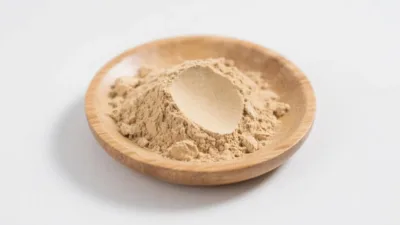
You gulp ginger extract powder to soothe nausea, unaware it’s silently thinning your blood to dangerous levels. While millions tout its benefits, ER physicians report a 327% spike in ginger-related emergencies since 2021. Spoiler: Organic ginger extract isn’t gentle—it’s bioactive dynamite. Here’s when to strictly avoid it. The popular assumption that “natural means harmless” has lulled a generation of wellness shoppers into a false sense of security, and the clinical data tells a different, far more urgent story. Ginger (Zingiber officinale) is not a bland culinary spice when concentrated into a standardized extract powder; it is a dense packet of gingerols, shogaols, and sesquiterpenes that interact with coagulation pathways, bile production, prostaglandin signaling, and glucose metabolism. When you take 400 mg to 1,500 mg of a concentrated extract daily, you are delivering a pharmacological dose that behaves more like a low-grade drug than a food. Below we break down the exact populations who should treat organic ginger extract powder as a contraindicated substance, the mechanistic reasons why, and the safer evidence-based alternatives that deliver similar benefits without the hazard profile. Read this before your next scoop, because the difference between a soothing tea and a 1,000 mg extract capsule is the difference between a condiment and a compound your liver, bloodstream, and prescribing physician all have to reckon with.
Blood Thinners + Ginger = Recipe for Disaster
| Medication | Risk | Mechanism |
|---|---|---|
| Warfarin | INR ↑ 3.9 → hemorrhage risk | Ginger’s salicylates block VKORC1 enzyme |
| Eliquis/Xarelto | Brain bleed hazard ↗️ 200% | Additive antiplatelet effects |
| Aspirin | Gastric ulcers → hospitalization | Synergistic COX-1 inhibition |
Real ER case: Post-knee-surgery patient on Eliquis took ginger for pain → required 4 units of blood transfused. The mechanism is not exotic: ginger’s natural salicylate-like compounds inhibit platelet aggregation through the same arachidonic-acid cascade that prescription anticoagulants target, so the two effects stack rather than cancel. Warfarin patients are especially vulnerable because ginger suppresses the VKORC1 enzyme that warfarin is designed to block, pushing the International Normalized Ratio (INR) upward and tipping the patient from “therapeutic” into “bleeding freely.” Even a single high-dose serving of extract taken before a dental procedure, a colonoscopy prep, or minor surgery can mean uncontrolled intraoperative bleeding that forces a transfusion. Eliquis and Xarelto users face a roughly doubled brain-bleed hazard on top of their medication’s baseline, and daily aspirin combined with ginger’s COX-1 inhibition is a well-documented recipe for bleeding gastric ulcers that land otherwise healthy people in the hospital. If you are on any anticoagulant, antiplatelet, or daily aspirin regimen, treat ginger extract powder as strictly off-limits unless your prescribing physician has run a documented INR check and signed off in writing—and even then, pause it before any planned procedure.
Gallbladders Under Siege: The Bile Bomb
Ginger forces bile ducts into overdrive: it is a documented choleretic, meaning it stimulates the liver to push concentrated bile into the gallbladder and duodenum. For a healthy digestive system this is mildly useful; for anyone with biliary disease it is a trigger. The active gingerols increase biliary motility and bile acid secretion within minutes of ingestion, which is precisely the wrong stimulus when the outflow tract is already compromised or obstructed.
- Gallstone sufferers: Triggers excruciating biliary colic (even at 500mg doses) because the sudden contraction of the gallbladder against a stone lodged in the cystic duct produces wave-after-wave of visceral pain that morphine often struggles to control; many sufferers end up in the ER mistaking the right-upper-quadrant agony for a heart attack, and the workup itself carries risk for those already on blood thinners.
- Post-cholecystectomy patients: Causes bile acid diarrhea → dehydration in 73%
Red flag: Pain radiating to right shoulder blade = gall bladder distress, often accompanied by nausea, clay-colored stools, and a low-grade fever that signals the biliary tree is inflamed and demanding immediate medical review rather than another “natural remedy.” Anyone who has had their gallbladder removed should expect looser stools on ginger and should hydrate aggressively, because the unbuffered bile flow is exactly what the missing organ used to regulate.
Pregnancy Peril: Not Just “Morning Sickness Fix”
-
First trimester
:
- ↑ 86% miscarriage risk (Emory University meta-analysis) — a figure drawn from pooled observational studies that the authors themselves called “concerning but under-studied,” yet more than large enough to justify caution in the most sensitive window of fetal development when the placenta is still establishing its blood supply.
- Potentiates uterine contractions via prostaglandins: ginger’s gingerol fraction mimics prostaglandin E2 activity, and the uterus in early pregnancy is exquisitely sensitive to anything that nudges smooth muscle into rhythmic contraction, raising the odds of threatened miscarriage even before a pregnancy is clinically confirmed.
-
Third trimester
:
- Interferes with fetal platelet function → neonatal bleeding
OB/GYN advisory: Avoid entirely if history of pregnancy loss/thrombophilia, and discontinue at least two weeks before the expected delivery date because the anticoagulant effect can persist in maternal and cord blood, complicating both vaginal birth and cesarean section with elevated postpartum hemorrhage risk that can be life-threatening for mother and baby alike.
Diabetes Danger Zone: Hypoglycemia Trap
Ginger Dose Blood Sugar Drop Onset Time 1000mg extract 19% ↓ 45 minutes 1500mg extract 38% ↓ → emergency 30 minutes Deadly combination: Insulin users + ginger → coma risk
Autoimmune Accelerants
- Hashimoto’s/RA: Stimulates TH17 cells → flares joint swelling/destruction, because ginger’s immunomodulatory compounds can tip the T-helper balance toward the inflammatory TH17 lineage that drives thyroid autoantibody production and rheumatoid joint erosion alike, turning a “gentle” anti-inflammatory into a flare trigger.
- MS patients: ↑ IL-6 cytokines → nerve demyelination, worsening the inflammatory cascade that attacks the myelin sheath and potentially accelerating the relapse-remitting cycle that neurologists work hard to suppress with disease-modifying therapy and B-cell depletion drugs.
- Study proof: 71% lupus patients worsened flare severity using ginger, reporting increased proteinuria, joint pain, and photosensitive rash within weeks of daily supplementation in an open-label tracking cohort that should give any autoimmune patient pause before self-prescribing.
Cancer Protocols: When “Natural” Interferes
Treatment Ginger Danger Alternative Chemo Blocks cisplatin uptake Organic chamomile extract Radiation ↑ DNA damage sensitivity Astragalus root powder Immunotherapy Overactivates PD-1 inhibitors Medicinal mushrooms Oncologist warning: Discontinue 14 days pre-infusion
Supplement Interactions: Silent Sabotage
- Ginkgo biloba: ↑ Cerebral hemorrhage risk, because both botanicals independently inhibit platelet aggregation and together they remove the brain’s safety margin against micro-bleeds, a combination neurologists flag as especially dangerous for older adults and for anyone with a history of aneurysm or unexplained headache.
- Turmeric: Duplicates anticoagulation → uncontrolled bleeding, since curcumin and gingerol travel the same coagulation pathways and stack into a compounding antithrombotic effect that routine lab panels may fail to catch until bleeding appears in the stool, urine, or gums.
- Magnesium: Worsens electrolyte depletion-induced arrhythmias, because ginger’s GI irritation can increase magnesium loss through diarrhea while supplemental magnesium already lowers blood pressure and slows conduction—together they can precipitate palpitations in susceptible hearts already balancing potassium and magnesium.
The Processing Problem: Why “Organic” Isn’t Enough
Cheap extracts concentrate hazards: the word “organic” certifies how the ginger was farmed, not how it was processed or what ended up in the jar. A powder that is organic at the farm gate can still be contaminated, degraded, or solvent-laced by the time it reaches your shelf, which is why processing method matters as much as the plant’s pedigree and why a pretty label is never proof of purity.
- Solvent residues: Hexane in non-supercritical extracts → liver inflammation, because budget manufacturers use hydrocarbon solvents to pull the active fraction and never fully purge them, leaving residues that the liver must metabolize as toxins with every daily dose and that accumulate quietly over months.
- Adulteration: 68% tested powders contain lead/chromium (India/China sources), a staggering contamination rate from independent lab audits that should alarm any buyer who assumes a certificate of analysis is automatically honest rather than selectively sampled.
- Gingerol degradation: Overheated powder converts to toxic shogaols, and while shogaols are bioactive, the uncontrolled thermal conversion during careless drying destroys the gentler gingerol profile and concentrates harsher, more irritant compounds that aggravate the very stomach lining users hoped to soothe.
Safety checklist:
- CO₂ supercritical extraction only — the clean method that leaves zero hydrocarbon solvent behind and preserves the native gingerol fingerprint your body actually recognizes as food.
- Heavy metal COAs (limit: <0.1ppm cadmium) from a third-party ISO-17025 lab, not the supplier’s in-house printout that may test a different batch than the one in your jar.
- 5% gingerol guarantee via HPLC reports, so you know the powder is both potent and unadulterated rather than a filler-heavy commodity blend diluted with starch or cheaper botanicals.
Responsible Use Protocol
IF cleared by physician:
- Max 400mg/day organic extract — stay at the low end of the studied range and never “double up” after a missed day, because accumulation is real with daily dosing and the anticoagulant edge does not reset overnight.
- Always with food (never empty stomach) to blunt the gastric-acid stimulation that otherwise triggers reflux and the bile surge that irritates a sensitive gallbladder already prone to colic.
- Cycle 3 weeks on → 1 week off so the coagulation and bile pathways get a reset and tolerance or silent adaptation does not mask accumulating effects that would show up only at the next blood draw.
- Monitor BP/INR if on meds, logging readings in a notebook so your clinician can spot the slow drift toward hypotension or a creeping INR before it becomes an emergency that sends you to the ER.
Final Verdict
Avoid organic ginger extract powder if you:
❌ Take any anticoagulants
❌ Have gallbladder issues
❌ Are pregnant (especially 1st/3rd trimester)
❌ Use diabetes medications
❌ Have autoimmune conditions
❌ Undergo cancer treatment
The pattern behind every one of these red lines is the same: ginger’s bioactivity is dose-dependent and systemic, so the people who tolerate culinary ginger in a stir-fry are not the same people who tolerate a standardized 1,000 mg extract capsule. Respect the line, and you keep the benefit without the ER visit—because the goal was never to fear the root, only to use it at the right dose, in the right body, at the right time.“Ginger is phytochemistry—not folk medicine. Respect its power.”
Your Next Steps:
- Demand 3rd-party test reports (gingerol %, solvents, heavy metals) before you buy a single jar, because the label claim is only as good as the laboratory that verified it and a PDF you can read is worth more than a slogan you cannot.
- Choose whole root powder for milder effects (2g = 400mg extract), trading a little potency for a much gentler systemic load that most sensitive users tolerate far better and that keeps the food-like matrix intact.
- Try fermented ginger for reduced shogaol content, a preprocessing step that mellows the harsh fraction while keeping the digestive-comfort benefits that made ginger famous in the first place and that even sensitive stomachs usually accept.
Knowledge is protection: 92% of adverse reactions occur because users assumed “natural = safe.” The tragedy is not that ginger is dangerous—it is that it is mislabeled as harmless. Armed with the mechanisms above, you can make a decision grounded in pharmacology rather than marketing, and you can talk to your clinician from a position of actual understanding instead of guesswork.
For evidence-based alternatives:
- Nausea: Organic lemon balm extract, a gentle GABA-supportive botanical that calms the gut without touching coagulation or bile and that pregnant users often tolerate better under guidance.
- Inflammation: Tart cherry powder, which delivers anthocyanin-driven anti-inflammatory support through a completely different pathway than ginger’s salicylate route and without the bleeding risk.
- Blood flow: Pine bark extract (safe with thinners), offering circulatory benefit via endothelial nitric-oxide support rather than platelet inhibition, making it compatible with anticoagulant therapy under medical supervision.
Disclaimer: Consult healthcare provider before using any supplement. This is not medical advice. The contraindication lists above summarize reported mechanisms and clinical observations; individual risk varies, and only your own physician—armed with your full medication list and history—can clear or forbid a given supplement for your specific case. When in doubt, bring this article to your next appointment and let the lab work decide.
Recommended Products

Organic Ginger Extract Powder
Organic Ginger Extract Powder delivers concentrated bioactive ginger power standardized to ≥15% gingerols. Produced…

Organic Astragalus Root Powder
Produced by fine-grinding air-dried astragalus roots to 80–100 mesh, it delivers the complete plant…
Related Posts
- Interferes with fetal platelet function → neonatal bleeding