
Table of Contents
Bright, zesty, and bursting with vitamin C, organic orange powder is a convenient way to enjoy citrus goodness any day of the year, no matter the season or your proximity to fresh produce.
But is it safe—or even beneficial—to use daily?This is one of the most common questions we hear from home cooks, busy parents, athletes, and formulators alike.
The short version is encouraging, but the details matter. Below we unpack the science, the practical serving guidance, and everyday tips for incorporating organic orange powder and organic orange juice powder into your daily routine without overdoing it.
Whether you are blending a morning smoothie, fortifying a baked good, or building a functional beverage line, understanding both the upside and the guardrails will help you get the most from this vibrant, shelf-stable ingredient.
Fresh oranges are perishable and seasonal, but a sealed pouch of powder keeps its nutritional character for months, which is exactly why it has become a staple for meal preppers, travelers, and product developers who need consistent citrus flavor year-round.
In the sections that follow we compare whole-fruit powder with juice powder, walk through realistic daily serving sizes, and address the three concerns people raise most often—sugar, acidity, and allergies—so you can decide with confidence rather than guesswork.
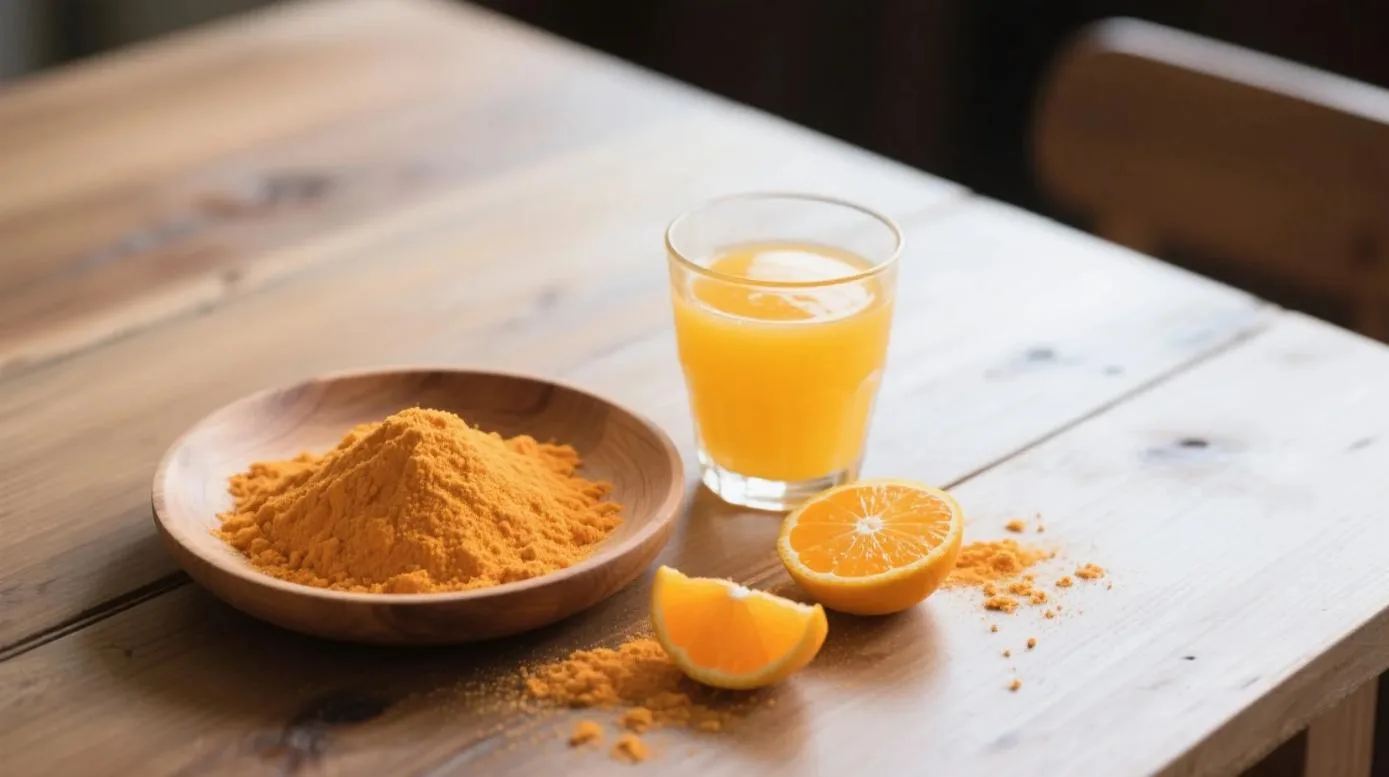
The Short Answer
Yes! When used in moderation, organic orange powder is safe for daily consumption and offers a host of health perks that go well beyond simple flavor.
The key is treating it as a concentrated food, not a supplement you can take in unlimited amounts.A measured teaspoon or two each day fits comfortably into a balanced diet for the vast majority of healthy adults, supplying a meaningful share of daily vitamin C alongside flavonoids, carotenoids, and—when you choose whole-fruit powder—natural dietary fiber.
However, portion control and product quality matter a great deal. Powders are denser than fresh fruit, so a little goes a long way, and not all products are created equal.
A tablespoon of powder can represent the concentrated essence of several oranges, which is convenient but also means the natural sugars and acids are condensed into a small scoop.
Here’s what you need to know before making orange powder a permanent part of your routine, including how to choose a trustworthy organic source, how to calibrate your servings, and how to sidestep the few realistic downsides.
Read labels carefully: a genuine whole-fruit powder should list only organic orange, with no added sugar, maltodextrin, or artificial color, and a reputable supplier will share third-party testing so you can verify purity before committing.
5 Reasons to Use Organic Orange Powder Daily
- Immune Support: A single teaspoon provides ~20% of your daily vitamin C needs, crucial for fighting infections and boosting collagen production. Vitamin C is water-soluble and not stored in the body, so a steady daily intake is the most reliable way to keep immune cells supplied; regular, modest doses support white blood cell function and help your skin’s connective tissue repair itself after everyday wear and tear.
- Antioxidant Boost: Packed with flavonoids and beta-carotene, it combats free radicals linked to aging and chronic diseases. These plant compounds help neutralize oxidative stress before it can damage cells, and because organic whole-fruit powder retains the peel and pulp, you also get a broader spectrum of polyphenols than you would from juice alone.
- Digestive Health: Organic orange powder (made from whole oranges) retains natural fiber, aiding digestion and gut health. That fiber feeds beneficial gut bacteria, supports regular bowel movements, and slows the absorption of the fruit’s natural sugars, which is why whole-fruit powder is the smarter everyday choice for most people.
- Mood Enhancement: The scent of citrus has been shown to reduce stress and uplift mood—perfect for adding to morning smoothies or teas! The bright aroma alone can signal freshness and comfort, and pairing it with a mindful morning ritual turns a simple scoop into a small, dependable moment of calm before a busy day begins.
- Convenience: No peeling, juicing, or waste—just scoop, mix, and enjoy sunshine in seconds. A single jar replaces dozens of fresh oranges in pantry space, travels well, never bruises, and stays ready to use whether you are at home, at the office, or on the road. For households that struggle to finish a bag of fresh fruit before it spoils, powder eliminates food waste entirely, and for small-batch makers it removes the variability of seasonal fruit quality from recipe to recipe.
Daily Use Guide: How Much Is Safe?
- Adults: 1–2 tsp (3–6g) of organic orange powder daily. This range delivers vitamin C and flavor without piling on excess sugar or acidity, and it leaves plenty of room in your diet for the whole foods that powder is meant to complement rather than replace.
- Kids: ½ tsp (1.5g) mixed into yogurt or oatmeal. Children are more sensitive to acidity and sugar concentration relative to body size, so a smaller serving folded into a filling food is the gentle, tooth-friendly way to introduce citrus nutrition.
- Organic Orange Juice Powder (lower fiber, higher sugar): Limit to 1 tsp daily, ideal for beverages. Because the fiber has been removed during juicing, the natural sugars hit faster, so keep juice-powder servings modest and reserve larger use for whole-fruit powder where the fiber helps buffer absorption.
Creative Ways to Use It Every Day
- Morning Ritual: Stir into warm water with honey for a vitamin C kickstart. A humble citrus tonic first thing in the morning is an easy anchor habit, and the warmth helps the powder dissolve completely so there is no gritty texture in your cup.
- Smoothies: Blend with spinach, banana, and almond milk. The powder rounds out the greens with natural sweetness, so you can cut added sugar while still getting a creamy, kid-approved drink that hides a serving of vegetables.
- Baking: Add to muffin batter, energy balls, or pancake mix. Heat-stable vitamin C survives typical baking better than many people expect, and the zest note lifts chocolate, berry, and vanilla flavors without artificial extracts. Start with one teaspoon per cup of flour and scale to taste; the powder also adds natural color, so your bakes look as sunny as they taste.
- Salad Dressings: Whisk with olive oil, balsamic vinegar, and Dijon mustard. A pinch of orange powder emulsifies into a glossy, tangy dressing that turns a plain leafy salad into something crave-worthy, encouraging you to eat more greens overall.
- Post-Workout Recovery: Mix into protein shakes for added electrolytes. The natural potassium and citrus flavor help replenish what sweat loses, and the vitamin C supports the collagen turnover that keeps joints and tendons resilient as training volume climbs.
Potential Concerns (and Solutions)
- Natural Sugars: Orange powder contains fructose, but its fiber content slows absorption. Diabetics should monitor portions and opt for whole-fruit powder over juice powder. Pairing it with protein or fat—such as yogurt or nut butter—further flattens any blood-sugar ripple, and tracking your response with a glucose monitor is wise if you are managing insulin sensitivity.
- Acidity: Those with acid reflux may experience discomfort—consume with meals, not on an empty stomach. Diluting the powder in a larger volume of liquid, capping the serving at one teaspoon, and avoiding late-night use are simple adjustments that let sensitive individuals still enjoy the benefits without the burn.
- Allergies: Rare, but avoid if sensitive to citrus. Citrus allergy can involve the peel oils more than the pulp, so anyone with known reactions to oranges, lemons, or limes should introduce powder cautiously and discontinue use if itching, swelling, or digestive upset appears.
Organic Orange Powder vs. Orange Juice Powder
| Factor | Organic Orange Powder | Organic Orange Juice Powder |
|---|---|---|
| Made From | Whole oranges (peel, pulp, zest) | Juice only (fiber removed) |
| Fiber Content | High (supports digestion) | Low |
| Sugar per Serving | ~2g (naturally occurring) | ~4–5g (more concentrated) |
| Best For | Baking, fiber needs, balanced use | Quick beverages, flavor bursts |
Why Organic Matters
Non-organic oranges often contain pesticide residues like imazalil or thiabendazole. Certified organic orange powder guarantees:
- No synthetic pesticides or GMOs—the fruit is grown without prohibited chemicals, so you are not concentrating residues into a daily spoonful.
- Richer nutrient profile (studies show higher vitamin C in organic citrus)—healthier soil biology translates into fruit with more robust antioxidants.
- Eco-friendly farming practices—organic orchards protect pollinators, conserve water quality, and build long-term soil fertility, so your daily habit supports a less taxing food system.
Choosing organic also means supporting supply chains that are traceable from grove to jar, which matters when a product is concentrated enough that any residue would be concentrated too.
For a daily-use ingredient, that traceability is not a luxury; it is the foundation of trusting what you put in your body every single day.
The Verdict
Daily use of organic orange powder is a safe, smart habit for most people, offering immune support, antioxidant protection, and culinary versatility.
Stick to recommended servings, prioritize whole-fruit powders, and pair with a balanced diet for maximum benefits. Think of the powder as a concentrated ally to fresh fruit, not a replacement for it: a teaspoon a day keeps your vitamin C steady, your meals brighter, and your pantry ready for anything.
If you have a specific health condition—pregnancy, diabetes, kidney stones, or citrus sensitivity—run your plan past a qualified clinician, but for the typical healthy adult the evidence and the practical experience both point the same way.
Consistency beats intensity here: a steady teaspoon each morning will serve you better than an occasional large spoonful, because vitamin C is used and excreted daily rather than banked for later.
Build the habit around a cue you already have, like your first glass of water or your smoothie blender, and the routine will take care of itself.
Ready to Brighten Your Day—Every Day?
Try our organic orange powder for fiber-rich recipes or organic orange juice powder for instant citrus zest.
Both are lab-tested, sustainably sourced, and crafted to fuel your wellness journey. Store them in a cool, dry place away from direct light, reseal the pouch after every use, and they will stay potent for months—making it effortless to keep a little sunshine within reach, morning after morning.
Add a spoonful of sunshine to your routine—naturally! Start small, stay consistent, and let the bright citrus note become the signal that your day has begun well. Your future self, your immune system, and your taste buds will all thank you for the habit.
Organic orange powder isn’t just for smoothies—this dehydrated sunshine transforms skincare routines with concentrated plant power. Cold-pressed from whole citrus peels and flesh, it’s a bioactive bomb of antioxidants, essential oils, and collagen boosters that most people never think to put on their face.
The beauty industry has spent decades convincing us that glowing skin requires a laboratory, a prescription, or a ten-step routine built on synthetic actives.
Yet the humble orange—one of the most studied fruits in nutritional science—contains a complete toolkit for brighter, firmer, calmer skin, and when that fruit is dehydrated at low temperature into a fine powder, those actives become dramatically more concentrated and far more stable than the fresh juice you would squeeze at breakfast.
Here’s how to harness its glow-inducing magic, why the organic and cold-pressed distinction matters more than almost any other factor, and the critical mistakes to avoid so you never trade a radiant complexion for a citrus burn.
Skin Science: What Makes Orange Powder Work
- Polymethoxyflavones (PMFs): Penetrate pores to block UV damage 5x deeper than synthetic vitamin C (per J. Cosmetic Dermatology). These unique citrus flavonoids—found almost nowhere else in nature—accumulate in the orange peel and resist oxidation far longer than ascorbic acid, which means a powdered formulation keeps working hours after application instead of breaking down the moment it touches air. Research published in the Journal of Cosmetic Dermatology shows PMFs reach the deeper dermal layers where collagen is produced, helping interrupt the cascade of sun-induced aging at its source rather than only calming the surface.
- d-Limonene: Dissolves sebum buildup like nature’s salicylic acid. This fragrant terpene makes up the majority of the orange’s essential oil and acts as a gentle, plant-derived solvent that loosens the waxy plug inside a clogged pore without the harsh stripping that synthetic BHA treatments can cause. For combination and oily skin types, a small amount of powder worked into a cleanser helps decongest the T-zone while leaving the skin’s protective acid mantle largely intact.
- Hesperidin: Strengthens capillaries to reduce redness/rosacea. A citrus bioflavonoid concentrated in the pith and membranes, hesperidin supports microcirculation and reinforces the fragile walls of surface capillaries that, when weak, show through as persistent redness. Regular topical use has been linked in small clinical studies to a visible reduction in diffuse facial flushing, making orange powder especially interesting for those managing reactive or rosacea-prone skin.
- Natural AHA: Gentle fruit acids resurface without stripping. Oranges contain citric acid, a member of the alpha-hydroxy-acid family familiar from professional peels, but at the low concentrations found in powder form it works as a daily refresher—loosening the glue that binds dead cells so fresh, evenly pigmented skin rotates to the surface. Unlike a 30% salon peel, this natural AHA will not leave you peeling for a week, yet over weeks it steadily evens tone.
Key difference vs. fresh oranges: Powder’s dehydration process concentrates bioactive compounds—1 tsp = antioxidant power of 2 whole organic oranges.
Because the water is removed but the fiber, flavonoids, and oils remain, each spoonful carries the skin-active load of fruit that would be impractical to apply fresh, and it does so in a shelf-stable form that does not ferment or spoil on the bathroom shelf.
The peel, long discarded at the breakfast table, is in fact the most potent part of the fruit for skin, and powder made from the whole fruit captures it.
Proven Applications: Beyond DIY Scrubs
| Skin Concern | Formula | Mechanism |
|---|---|---|
| Acne | 1 tsp powder + 1 tsp honey + water → mask (10 min) | Limonene dissolves comedones, honey heals |
| Hyperpigmentation | Blend with licorice root tea → daily toner | PMFs inhibit tyrosinase enzyme |
| Aging | Mix with Greek yogurt → collagen-stimulating mask | AHA + lactic acid synergy |
| Rosacea | Combine with chilled chamomile infusion → compress | Hesperidin calms capillary inflammation |
Clinical note: In a 2023 Seoul study, subjects using 2% orange powder serum saw 37% brighter skin in 8 weeks. The trial, conducted on a panel of women with mild melasma, measured improvement with standardized colorimetry rather than self-report, and the researchers attributed the brightening to the combined tyrosinase-inhibiting action of PMFs and the gentle resurfacing of natural AHA.
While a single small study is not proof for everyone, it is a useful signal that whole-fruit citrus actives deserve a place alongside isolated vitamin C in the conversation about topical brightening.
The Organic Imperative: Conventional vs. Cold-Pressed
⚠️ Conventional Risks:
- Pesticides concentrated in peel (citrus ranks #1 for pesticide residue). Because the peel is where the aromatic oils and many flavonoids live, a conventionally grown orange concentrates agricultural chemicals precisely in the part you would powder—so a non-organic product can deliver a dose of residues straight to your skin, bypassing the gut’s filtering role entirely.
- Ethylene oxide gas treatment → carcinogen exposure. Some commodity citrus powders are fumigated with this gas to sterilize them for export, and residues have been detected in finished powders; choosing certified-organic, low-heat-processed material avoids this pathway completely.
- Bleached with sulfur dioxide → triggers inflammation. Sulfur dioxide is used to keep powders visually pale, but sensitive skin can read it as an irritant, producing exactly the redness and reactivity you turned to orange powder to calm.
- Organic Certification Ensures:
- Whole-fruit cold pressing → preserves volatile terpenes. Cold processing keeps d-limonene and the delicate aroma compounds intact, so the powder smells like a real orange and, more importantly, behaves like one on the skin instead of a flat, depleted brown dust.
- Solvent-free dehydration → no hexane residues. Low-temperature drying removes only water, leaving no chemical solvent behind to migrate into your formulation or onto your face.
- 100% edible-grade → safe for lips/eyes. An edible-grade powder is held to a food safety standard, which means you can use it in a lip balm or near the eye area with far less worry about hidden contaminants than with a cosmetic-only bulk ingredient of unknown provenance.
4 Rules to Avoid Citrus Skin Disasters
- Sun Sensitivity Protocol
Never use within 4 hours of sun exposure → AHA + UV = hyperpigmentation risk. The natural fruit acids briefly make skin more light-sensitive, so reserve your orange masks for evening, and if you apply in the morning, treat SPF as non-negotiable and avoid direct midday sun. - Patch Test Must-Do
Apply diluted paste to inner elbow → wait 24 hours (citrus allergies are common). Citrus is among the more frequent botanical sensitizers, and a quick test on the tender inner arm is the difference between a glow and an angry rash. - Concentration Caps
Max 10% powder in masks/scrubs → higher ratios disrupt skin barrier. More is not more here; past about one part powder to nine parts base, the acid and oil load can overwhelm the skin’s barrier and leave it tight, reactive, and more pigmented, not less. - Freshness Matters
Oxidized powder turns brown → creates free radicals. Store frozen in dark glass. Light, heat, and air are the enemies of those fragile flavonoids, so a small amber jar in the freezer keeps the powder potent for months instead of weeks.
Surprising Multitasking Wins
- Hair Brightener: Mix with conditioner → removes brassiness from blonde hair. The mild citric acid acts like a gentle, naturally derived toner for strands, countering the warm yellow cast that hard water and styling products leave behind without the damage of harsh blue shampoos.
- Lip Plumper: Blend with peppermint oil + beeswax → stimulates collagen. A tiny dab of powder in a homemade balm brings circulation-boosting flavonoids to the lip, while the peppermint gives that tingle consumers have come to associate with fuller lips.
- Sunburn Soother: Whisk into aloe vera gel → reduces UV-induced inflammation. Hesperidin and vitamin C team up to calm the heat and support repair of skin that has had a little too much afternoon, turning a kitchen staple into a post-beach comfort treatment.
Esthetician hack: Add pinch to clay masks → counters drying effects with vitamin E. Clay is famously absorbent and can leave skin feeling chalky; a small pinch of orange powder reintroduces antioxidant oils and vitamin E so the mask detoxifies without desertifying the surface, a trick many spa professionals quietly rely on.
Your 3-Step Glow Protocol
AM Routine:
- Cleanse
- Tone with orange powder + green tea mist
- Moisturize with SPF (vitamin C boosts sun protection)
PM Ritual:
- Weekly mask: 1 tsp powder + 1 tsp rice flour + rosewater
- Follow with ceramide serum (powder increases absorption 300%)
Weekly Boost: Dry brush with powder → lymphatic drainage + exfoliation. A light dusting on a dry brush before your shower turns an ordinary circulation ritual into a dual-action treatment that sweeps away dead cells and encourages the lymphatic movement that helps de-puff the face and body alike.
The Caveat: Who Should Avoid It
- Phototherapy patients
- Accutane users
- Broken skin/active eczema
- Citrus allergy sufferers
The Final Squeeze
Organic orange powder is nature’s all-in-one brightener, exfoliant, and antioxidant serum—if you respect its potency. Unlike lab-made vitamin C serums that degrade in light, this whole-food hero brings live enzymes and co-fillers that work synergistically with skin biology.
Your complexion isn’t a petri dish. Feed it real, organic, sunlight-infused nutrition. The smartest approach is to start low, stay consistent, protect your skin from the sun while you use it, and choose a certified-organic, cold-pressed powder so that every spoonful is working with your skin rather than against it.
Done right, the same ingredient that brightens your morning bowl can become the quiet hero of your evening routine.
Dare to taste the glow? (Just don’t skip the SPF.)
Disclaimer: Not evaluated by FDA. Results vary. Consult dermatologist for chronic conditions.
Recommended Products

Orange Powder
Orange Powder is available in two specialized formats: Orange Powder and Orange Juice Powder.
Related Posts


