Table of Contents
What is Organic Brown Rice Protein Powder?
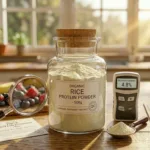
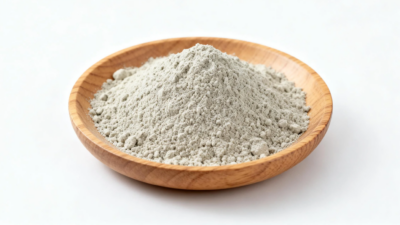
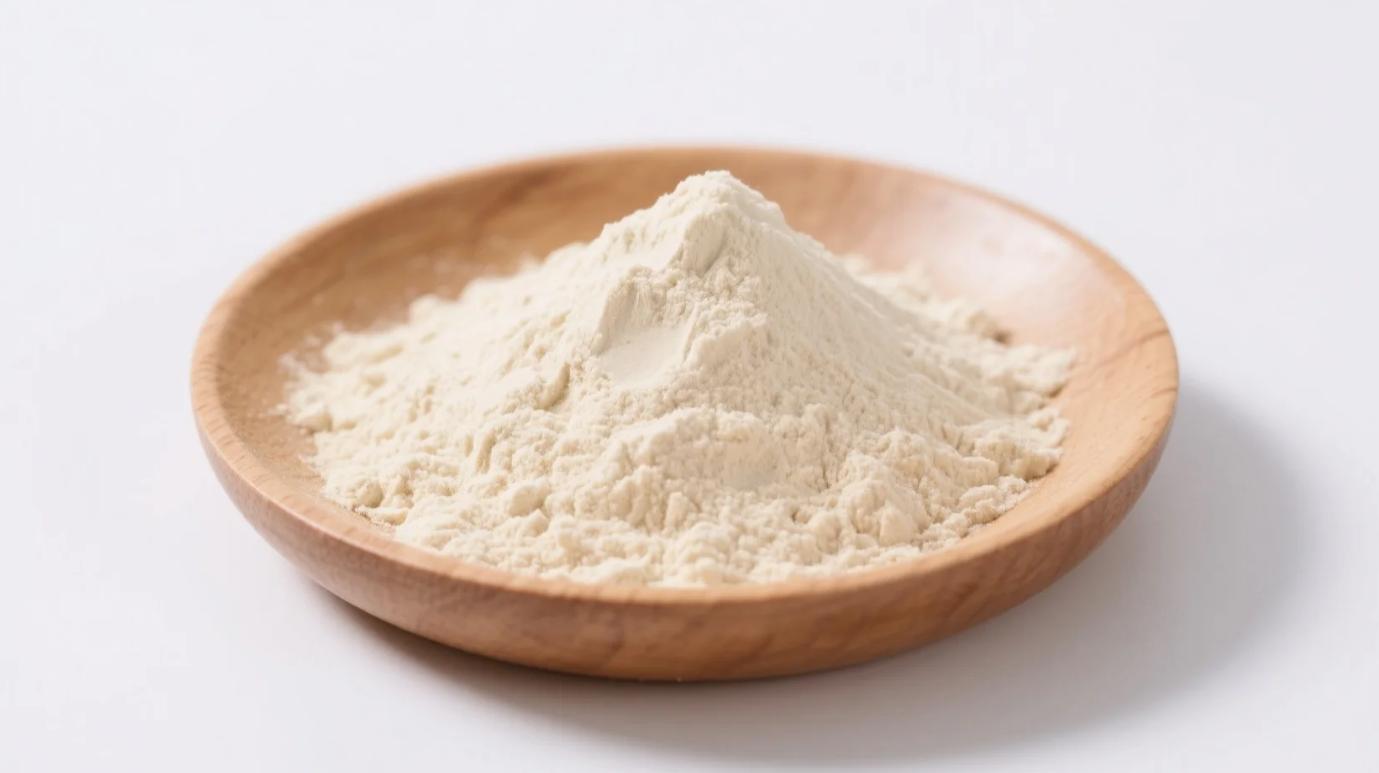
Organic Brown Rice Protein Powder is a clean-label, plant-based protein ingredient manufactured by ORGANICWAY. Derived from whole-grain organic brown rice (Oryza sativa) grown on certified organic farms, our brown rice protein undergoes enzymatic hydrolysis followed by membrane filtration and ultra-fine milling to produce a free-flowing powder with ≥80% protein content by dry basis.
Unlike animal-derived proteins, brown rice protein is naturally free from common food allergens (milk, eggs, fish, shellfish, tree nuts, peanuts, wheat, soy — noting our facility also processes soy), making it a preferred hypoallergenic protein source for specialty dietary, infant formula, clinical nutrition, and clean-label food formulations.
Nutritional Profile
While rice protein was historically considered an incomplete protein due to lower lysine content, our enzyme-extraction process concentrates protein fractionation to deliver a balanced essential amino acid profile. The PDCAAS score of 0.88 reflects high digestibility, and when combined with lysine-rich foods (such as legumes), it achieves protein quality comparable to dairy. The brown rice variant retains natural fiber (≤5%) and rice bran oil (≤4%), providing additional nutritional functionality.
Production & Quality Standards
Our manufacturing facility operates under FSSC 22000 food safety certification. Each production batch undergoes rigorous quality control including:
- Protein content verification (AOAC 991.20)
- Microbiological testing (total plate count, E. coli, Salmonella)
- Heavy metal screening (lead, arsenic, cadmium, mercury)
- Aflatoxin B1 testing (<0.1 ppb — well below EU and FDA limits)
- Allergen screening (gluten <5 ppm — below EU threshold for “gluten-free”)
- Amino acid profile analysis (HPLC-FD)
- PDCAAS digestibility verification
Certifications Available
We support buyer compliance requirements with the following certifications available for this product: USDA Organic, EU Organic, Organic, Non-GMO Project Verified, Kosher (OU), Halal (IFANCA), and FSSC 22000.
Minimum Order Quantity
MOQ: 20 kg for sample and trial orders. Bulk pricing available for quantities of 200 kg and above.
TECHNICAL SPECIFICATIONS
Product Grades — Brown Rice Protein vs. Rice Protein Isolate
| Parameter | Brown Rice Protein | Rice Protein Isolate |
|---|---|---|
| Protein Content (db) | ≥80% | ≥85% |
| PDCAAS Score | 0.88 | 0.92 |
| Moisture | ≤8.0% | ≤7.0% |
| Ash | ≤4.5% | ≤3.0% |
| Fat | ≤4.0% | ≤0.5% |
| Fiber | ≤5.0% | ≤1.0% |
| Particle Size (D90) | ≤80 µm | ≤50 µm |
| Particle Mesh | 100–120 mesh | 120–150 mesh |
| Solubility (pH 7.0) | ≥75% | ≥85% |
| Flavor | Mild nutty | Neutral |
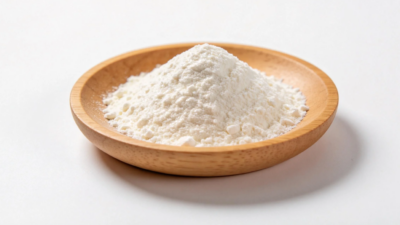
| Color | Cream to light beige | White to off-white |
| Bulk Density | 0.3–0.5 g/mL | 0.4–0.6 g/mL |
| pH (10% solution) | 6.0–7.5 | 6.5–7.5 |
Microbiological Standards
| Test | Limit |
|---|---|
| Total Plate Count | ≤5,000 CFU/g |
| Yeast & Mold | ≤200 CFU/g |
| E. coli | Negative (<10 CFU/g) |
| Salmonella | Negative / 25g |
| Staphylococcus | ≤100 CFU/g |
Heavy Metal Standards
| Test | Limit |
|---|---|
| Lead (Pb) | ≤0.1 mg/kg |
| Arsenic (As) | ≤0.2 mg/kg |
| Cadmium (Cd) | ≤0.1 mg/kg |
| Mercury (Hg) | ≤0.1 mg/kg |
Toxin & Contaminant Standards
| Test | Limit |
|---|---|
| Aflatoxin B1 | ≤0.1 ppb |
| Total Aflatoxins | ≤4.0 ppb |
| Gluten | <5 ppm (below EU gluten-free threshold) |
Testing Methods
Protein: AOAC 991.20 / ISO 16634; Moisture: AOAC 925.09; Ash: AOAC 942.05; Heavy Metals: ICP-OES per AOAC 2015.01; Aflatoxin: LC-MS/MS per AOAC 991.31; Gluten: ELISA (R5 Mendez method); PDCAAS: FAO/WHO 1991 protocol.
CERTIFICATIONS
| Certification | Status | Issuing Body |
|---|---|---|
| USDA Organic | Available | USDA-accredited certifier |
| EU Organic | Available | EU-authorized certifier |
| Organic | Available | MAFF Japan |
| Non-GMO Project Verified | Available | Non-GMO Project |
| Kosher (Pareve) | Available | Orthodox Union (OU) |
| Halal | Available | IFANCA |
| FSSC 22000 | Available | Accredited certification body |
| Gluten-Free (<5 ppm) | Verified per batch | Third-party laboratory |
COA (Certificate of Analysis) and C/A (Certificate of Conformance) provided with each batch. SDS and TDS available on request.
APPLICATIONS & USAGE GUIDELINES
Recommended Application Sectors
| Application | Recommended Dosage | Notes |
|---|---|---|
| Protein Bars & Energy Balls | 15–30% | Good binding; neutral flavor; use 85% grade for high-protein claim |
| Nutritional Protein Shakes | 10–25% | Excellent solubility in neutral pH; smooth texture |
| Functional Beverages & RTD | 5–15% | Use ultra-fine 120 mesh grade for mouthfeel |
| Sports & Fitness Supplements | 20–40% | High-protein format; PDCAAS 0.88 supports muscle retention |
| Hypoallergenic / Medical Nutrition | 10–30% | Allergen-free profile; suitable for sensitive populations |
| Infant Formula & Clinical Nutrition | 5–20% | Meets purity standards; verify with regulatory team |
| Plant-Based Meat Analogs | 5–15% | Neutral flavor; complements pea/sorghum texture |
| Breakfast Cereals & Snacks | 5–15% | Heat-stable at recommended addition levels |
| Baking Mixes | 5–15% | Neutral flavor; mild nutty note in brown rice variant |
| Pet Food Formulations | 5–20% | Highly palatable; hypoallergenic profile |
Formulation Notes
- Rice protein has a neutral to mild nutty flavor, making it highly versatile across sweet and savory applications. It blends well with vanilla, chocolate, fruit, caramel, and unflavored profiles.
- Solubility tip: Disperse in water at pH 6.5–7.5 for best results. Below pH 4.0, solubility decreases significantly. Use a high-shear mixer for rapid hydration in beverage formulations.
- Foaming properties: Rice protein exhibits natural foaming behavior — useful for meringue-style products or aerated textures (AOCS Cc 46-90 verified).
- Heat stability: Stable up to 180°C for short-exposure processes (extrusion, baking). Not recommended for extended high-temperature applications above 200°C.
- Lysine supplementation: Combine with pea protein (20:80 ratio) to achieve a complete amino acid profile matching whey protein quality.
FAQ
Q1: What is the difference between Brown Rice Protein and Rice Protein Isolate?
A: Brown Rice Protein is extracted from whole-grain brown rice, retaining the bran and germ fractions. This gives it higher fiber (≤5%), slightly higher fat (rice bran oil, ≤4%), and a mild nutty flavor — with ≥80% protein and PDCAAS 0.88. Rice Protein Isolate is extracted from polished white rice, producing a purer protein powder with ≥85% protein, ≤0.5% fat, neutral flavor, and PDCAAS 0.92. Choose the Brown Rice variant for whole-food nutritional profiles and fiber content; choose the Isolate for maximum protein density and neutral flavor.
Q2: Is rice protein suitable for people with allergies?
A: Yes. Rice protein is naturally free from the “Big 8” food allergens (milk, eggs, fish, shellfish, tree nuts, peanuts, wheat, soybeans) under FDA and EU Regulation EU 1169/2011. It is also naturally gluten-free, lactose-free, and soy-free (noting our facility also processes soy — request our allergen statement for cross-contamination details). This makes rice protein an excellent choice for hypoallergenic, vegan, and specialty clinical nutrition formulations.
Q3: How does the PDCAAS score of 0.88 compare to whey and other plant proteins?
A: PDCAAS (Protein Digestibility-Corrected Amino Acid Score) measures protein quality based on amino acid profile and human digestibility. Whey protein scores 1.0 (highest), rice protein scores 0.88–0.92, and pea protein scores ~0.82. While rice protein’s lower lysine content limits its standalone PDCAAS, it compares favorably to most plant proteins and exceeds wheat gluten (0.25) and corn (0.42). In practice, combining rice protein with a lysine-rich protein (pea:rice at 20:80 ratio) can reach a combined PDCAAS of ~0.95.
Q4: Can rice protein replace whey protein in formulations?
A: Yes — rice protein is an effective plant-based alternative to whey in most food and beverage applications, with comparable digestibility (PDCAAS 0.92 for isolate grade). Key considerations: (1) supplement with lysine-rich ingredients for complete amino acid coverage; (2) use the ultra-fine 120-mesh isolate grade for smooth texture in beverages; (3) note that rice protein is insoluble in acidic conditions (pH <4.0) — adjust formulation pH accordingly.
Q5: Is brown rice protein suitable for keto and low-carb diets?
A: Yes. Brown rice protein powder contains less than 5g net carbohydrates per 30g serving (with 2g fiber and 1g sugar), making it compatible with ketogenic and low-carb dietary formulations. The high protein-to-carb ratio supports satiety and lean muscle retention. Both our Brown Rice Protein and Rice Protein Isolate meet the macro profile for ketogenic product development.
Q6: What is the shelf life and how should the product be stored?
A: Shelf life is 24 months from the date of manufacture when stored as directed. Store in a cool (≤25°C), dry place with relative humidity below 60%. Keep sealed in original packaging and avoid exposure to strong odors, direct sunlight, or moisture. After opening, transfer to airtight containers and use within 60 days. For long-term storage, vacuum-sealed or nitrogen-flushed packaging is recommended to prevent oxidative rancidity of the rice bran oil fraction (in Brown Rice Protein variant).
PACKAGING & STORAGE
Packaging Options
| Package Size | Packaging Material | MOQ |
|---|---|---|
| 1 kg | Aluminum foil pouch | Trial |
| 5 kg | Aluminum foil pouch | Trial |
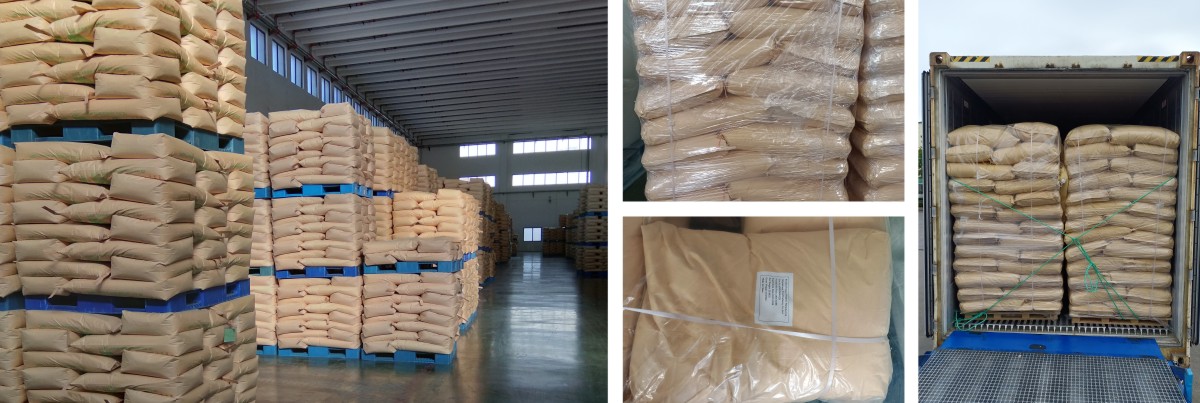
| 20 kg | Kraft paper bag + PE liner | Standard |
| 25 kg | Kraft paper bag + PE liner | Standard |
| Bulk bag | 25 kg or 500 kg FIBC | Commercial |
Custom packaging (private label, branded bags, nitrogen flush) available for orders ≥500 kg.
Storage Conditions
- Storage temperature: 0–25°C (cool, dry place)
- Relative humidity: ≤60% RH
- Avoid: Direct sunlight, moisture, strong odors
- Shelf life: 24 months from manufacturing date when stored as directed
- Special note for Brown Rice Protein: Due to rice bran oil content (≤4%), consider nitrogen-flushed packaging or cold storage for extended shelf life in warm climates.
Shipping
- Available for international shipping (air freight and sea freight)
- Temperature-controlled shipping recommended for long transit or hot climates
- All shipments include COA, bill of lading, and commercial invoice