Table of Contents
What is Hemp Peptide Powder?
Hemp peptide powder is a hydrolyzed form of hemp seed protein — produced by enzymatic hydrolysis of hemp seed press cake using specific proteases (such as alcalase and flavourzyme), followed by ultrafiltration to concentrate low-molecular-weight peptides (≤5,000 Da) and spray drying. This process breaks the native hemp seed proteins (primarily Edestin and Albumin) into bioactive oligopeptides and free amino acids that are more readily absorbed in the human gut.
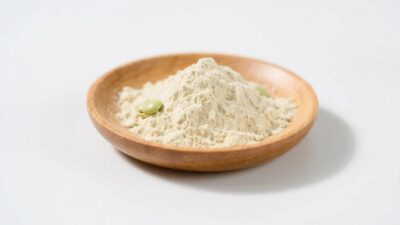
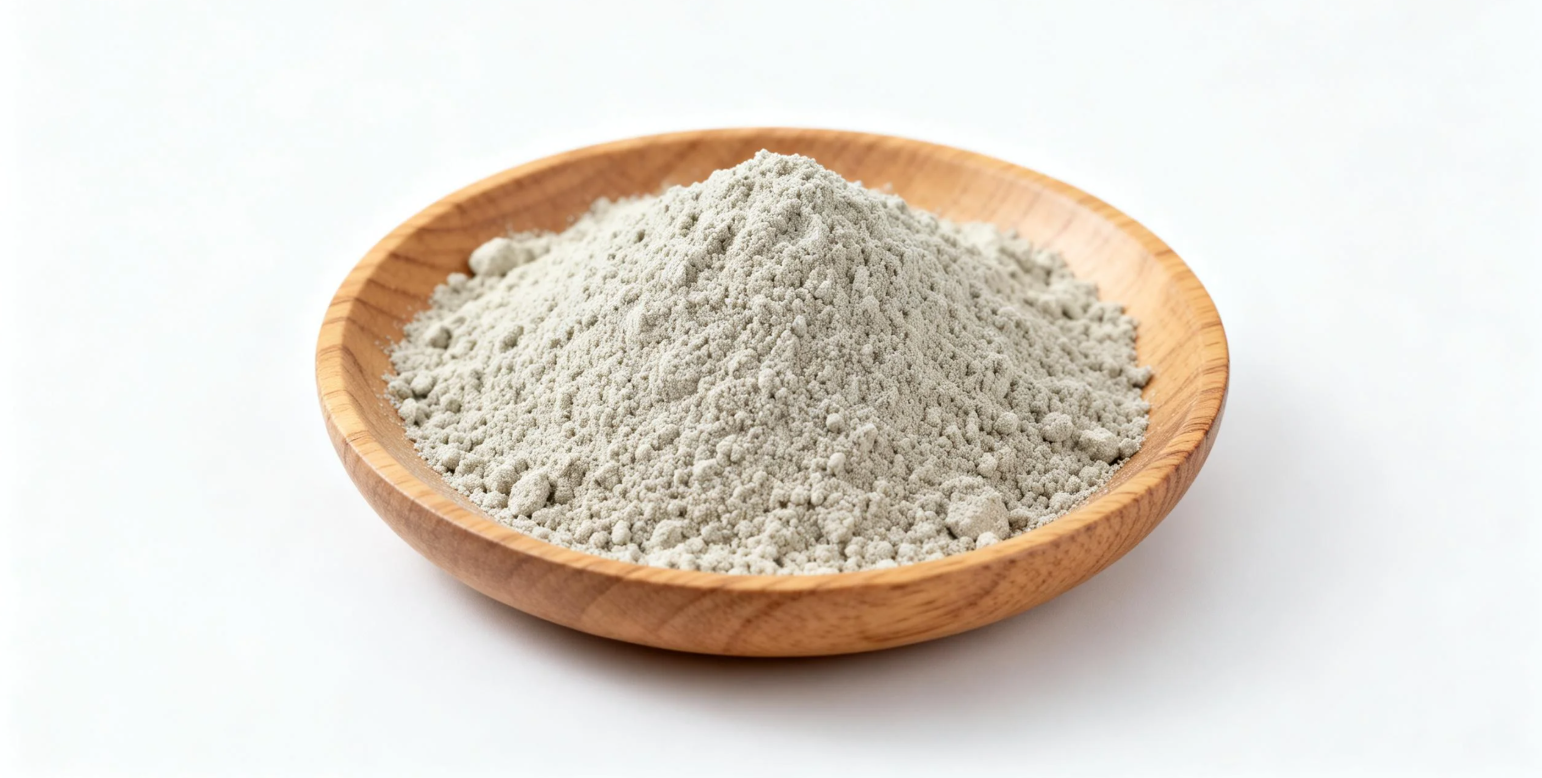
The result is a water-soluble, light green powder with mild nutty aroma — significantly more functional in beverages and emulsions than conventional hemp protein isolate.
Key Structural Components:
- Edestin (~65% of total protein): A 7S globulin uniquely similar to human plasma globulin; rich in essential amino acids; highly digestible
- Albumin (~25% of total protein): A 2S sulfur-rich albumin; complements Edestin in amino acid profile
- Oligopeptides (≥20% by HPLC): Bioactive peptides ≤5,000 Da; enhanced absorption vs intact protein; a fit for gut-health positioned formulations
Why Hemp Peptides Over Conventional Hemp Protein:
- Superior digestibility: Enzymatic hydrolysis reduces molecular weight; absorption rate significantly higher than intact hemp protein
- Water solubility: Fully dispersible in cold water, acidic media, and high-pH beverages — superior formulatability
- Reduced antigenicity: Hydrolysis denatures anti-nutritional factors (trypsin inhibitors, phytic acid reduced during processing)
- Clean flavor profile: Lighter color and milder aroma than conventional hemp protein; more compatible with flavored formulations
- Gut-health line focus: Positioned for gut-health product lines; the preclinical evidence base (Module 7) is available for brand-side substantiation review
Critical Compliance Note — THC Testing & Regulatory: Hemp peptide powder is derived from Cannabis sativa with THC content <0.3% in the seed. The hydrolysis and processing further reduces residual THC. Every batch must be tested for THC by GC-MS (limit: <5 mg/kg or per destination market regulation). THC-free status is critical for US FDA food additive compliance, EU Novel Food regulation, and international export clearance. Confirm destination market THC threshold with your regulatory team. Delta-9-THC and total THC reporting on COA is mandatory for B2B customers.
Production & Quality Assurance:
- Non-GMO organic hemp seed sourcing (documented seed stock, THC <0.3%)
- Cold pressing → hemp seed oil extraction → hemp seed press cake
- Enzymatic hydrolysis (alcalase/flavourzyme, controlled pH 7.0–8.5, T 50–55°C)
- Ultrafiltration (membrane cutoff ≤5,000 Da) → concentration
- Spray drying (inlet T ≤180°C)
- Lot-specific COA: protein, oligopeptide content (HPLC), moisture, ash, heavy metals, microbiology, THC (GC-MS)
- Third-party verification (SGS / Eurofins) available on request
Technical Specifications
Product Specifications
| Parameter | Specification | Test Method |
|---|---|---|
| Source | Cannabis sativa hemp seeds | — |
| Processing | Enzymatic hydrolysis, ultrafiltration, spray drying | — |
| Protein Content | ≥80.0% (dry basis, Dumas/Kjeldahl) | AOAC 992.15 |
| Oligopeptide Content | ≥20.0% (HPLC, MW ≤5,000 Da) | HPLC-UV |
| Edestin Content | ~65% of total protein | SDS-PAGE |
| Albumin Content | ~25% of total protein | SDS-PAGE |
| Moisture | ≤7.0% | Karl Fischer / AOAC 930.15 |
| Ash | ≤6.0% | AOAC 942.05 |
| Fat | ≤5.0% | Soxhlet / AOAC 991.36 |
| Carbohydrates | ≤8.0% | By difference |
| Fiber | ≤2.0% | AOAC 985.29 |
| pH (10% solution) | 6.0–7.5 | pH meter |
| Bulk Density | 0.35–0.55 g/mL | USP <616> |
| Particle Size | 80–200 mesh | Sieve analysis |
| Solubility | ≥90% (cold water, 25°C) | NSI method |
| Color | Light green powder | Visual |
| Flavor | Mild nutty aroma | Sensory |
| THC Content | <5 mg/kg (GC-MS) | GC-MS / HPLC |
| Lead (Pb) | <0.05 ppm | ICP-MS |
| Arsenic (As, total) | <0.03 ppm | ICP-MS |
| Cadmium (Cd) | <0.1 ppm | ICP-MS |
| Mercury (Hg) | <0.05 ppm | ICP-MS |
| Aflatoxin B1 | <4 µg/kg | EU 2023/915 |
| TPC | ≤10,000 CFU/g | ISO 4833 |
| Yeast & Mold | ≤100 CFU/g | ISO 21527 |
| E. coli | Negative/1g | ISO 16654 |
| Salmonella | Negative/25g | ISO 6579 |
⚠️ Note on Arsenic: As limit of 0.03 ppm is notably stricter than typical Prop 65 (≤0.1 ppm for As). Confirm this is achievable and consistent across batches with supplier. If borderline, request per-lot testing with full speciation (As III vs As V) for accurate Prop 65 risk assessment.
Microbiological Specifications
| Parameter | Specification | Test Method |
|---|---|---|
| Total Plate Count (TPC) | ≤10,000 CFU/g | ISO 4833 |
| Yeast & Mold | ≤100 CFU/g | ISO 21527 |
| Coliforms | ≤100 CFU/g | ISO 4832 |
| E. coli | Negative/1g | ISO 16654 |
| Salmonella | Negative/25g | ISO 6579 |
| Staphylococcus aureus | Negative/1g | ISO 6888 |
Heavy Metals & Contaminants
| Parameter | Specification | Regulatory Standard |
|---|---|---|
| Lead (Pb) | <0.05 ppm | Prop 65 / EFSA / Codex |
| Arsenic (As, total) | <0.03 ppm | Prop 65 |
| Cadmium (Cd) | <0.1 ppm | EU Regulation 2023/915 |
| Mercury (Hg) | <0.05 ppm | Prop 65 |
| THC (total) | <5 mg/kg | US FDA / EU Reg 1308/2013 |
| Aflatoxin B1 | <4 µg/kg | EU 2023/915 |
| Pesticide Residues | ND (per EC 396/2005) | GC-MS/MS |
Certifications
| Certification | Issuing Body |
|---|---|
| Non-GMO Project Verified | Non-GMO Project |
| Kosher | KSA / OU (lot-specific) |
| Halal | MUI / IFRC (lot-specific) |
| USDA Organic | USDA NOP |
| EU Organic | EU Reg. (EC) No 834/2007 |
| FSSC 22000 | Bureau Veritas / SGS |
| GMP | Internal / Third-party |
⚠️ Important Note on Organic Certification: The product URL contains “hemp-peptide-powder” (not “organic-hemp-peptide-powder”), and the page itself does not list USDA Organic or EU Organic certifications in its spec table — only Non-GMO, Kosher, and Halal are explicitly stated. B2B buyers seeking certified organic hemp peptide should confirm organic status with the supplier before purchase.
Applications & Formulation Guidance
| Application | Recommended Grade | Typical Addition | Notes |
|---|---|---|---|
| Functional Beverages / RTD | Standard (≥80%) | 2–5% | Water-soluble; stable in pH 3.5–7.5; light green color visible in transparent bottles |
| Protein Powders / Blends | Standard (≥80%) | 15–30% of blend | Pairs well with pea protein; mitigates pea off-notes |
| Gut-health / Sports Nutrition | Standard (≥80%) | 10–25g per serving | Oligopeptide fraction may support gut barrier integrity |
| Bars / Energy Bites | Standard (≥80%) | 8–15% of formula | Light color; mild nutty flavor; less beany than hemp protein |
| Baked Goods (cookies, protein bread) | Standard (≥80%) | 5–12% of flour weight | Heat-stable; retains peptide functionality through baking |
| Emulsified Products (mayonnaise, dressings) | Standard (≥80%) | 1–5% | Emulsifying properties from albumin fraction |
| Capsules / Tablets | Standard (≥80%) | Per dosage | High protein content per capsule |
| Pet Nutrition | Standard (≥80%) | 5–15% of recipe | Hemp peptides easier to digest for dogs vs intact protein |
Formulation Notes:
- Protein complementarity: Hemp peptide is lysine-limited (3.9g/100g). For complete EAA in finished product, blend with lysine-rich proteins: pea protein (Lys 7.2g/100g), mung bean (Lys 6.7g/100g), or soy (Lys 6.5g/100g). A 70:30 pea:hemp ratio provides near-complete EAA coverage.
- Emulsification: Albumin fraction (25%) contributes natural emulsification — suitable for clean-label emulsified dressings and plant-based mayo.
- Color note: Light green color is natural and may intensify in alkaline conditions. Use in clear beverages requires careful pH monitoring or addition of masking agents.
- THC disclaimer: Finished product labels may require a THC disclosure statement depending on destination market regulations (US: FDA; EU: EFSA; UK: FSA).
FAQ
Q1: What is the difference between Hemp Peptide Powder and conventional Hemp Protein Powder?
A: The key difference is molecular weight and digestibility. Hemp Peptide Powder is produced via enzymatic hydrolysis using specific proteases, which break intact hemp seed proteins (Edestin and Albumin, ~11S–7S globulins) into low-molecular-weight oligopeptides (≤5,000 Da) and free amino acids. This hydrolysis increases water solubility and dispersibility in cold water, reduces anti-nutritional factors, improves absorption rate vs intact protein, and results in lighter color and milder flavor. Conventional hemp protein powder is produced by mechanical extraction without enzymatic hydrolysis.
Q2: How much THC is in Hemp Peptide Powder, and is it safe for food products?
A: Hemp peptide powder is derived from Cannabis sativa hemp seeds with THC content <0.3% in the raw seed. The hydrolysis and spray-drying process further reduces residual THC concentration. Every batch is tested by GC-MS for THC (total). Typical residual THC in finished peptide powder: <5 mg/kg, well below international food safety thresholds. For US market: THC <0.01 mg/g (10 µg/g) is recommended for GRAS status. THC reporting must appear on every COA. The peptide product itself has no psychoactive effects.
Q3: What is the Edestin content, and why is it significant?
A: Edestin is a 7S globulin storage protein that makes up approximately 65% of hemp seed protein (and therefore ~52% of this hemp peptide product by protein weight). Edestin is structurally similar to human plasma globulin — it contains all nine essential amino acids in relatively balanced proportions and is highly digestible. Most plant protein sources are deficient in sulfur-containing amino acids, but Edestin contains moderate levels (~4.5g/100g total sulfur AAs), giving hemp better protein quality metrics than typical seed proteins.
Q4: Is Hemp Peptide Powder suitable for allergen-free formulations?
A: Yes. Hemp is not a Big 9 major food allergen (US FDA) or EU FIC allergen. It is generally recognized as allergen-friendly and suitable for “free-from” label positioning. No common allergens (soy, peanut, tree nuts, dairy, egg, wheat, fish, shellfish, sesame) are present in the production process — a full allergen-free declaration is available on request.
Q5: What is the minimum order quantity (MOQ) and lead time?
A: Standard MOQ is 500kg per batch (25kg kraft bags). Production lead time: 10–14 business days from confirmed PO. Samples (500g) available within 3–5 business days. Private-label packaging from 2,000kg. THC testing and organic certification (if confirmed available) are included in lot-specific COA. Contact sales@organic-way.com for volume pricing.
Q6: Can Hemp Peptide Powder be blended with other plant proteins to improve PDCAAS?
A: Yes — and this is recommended for sports nutrition applications. Hemp peptide powder has a PDCAAS of ~0.66–0.69, limited by lysine. Blending with a lysine-rich plant protein dramatically improves the final PDCAAS: 70% Pea Protein Isolate + 30% Hemp Peptide achieves PDCAAS ~0.88–0.91 — suitable for complete EAA coverage. Note: Hemp seeds are rich in omega-3 ALA and omega-6 GLA in whole seed form, but the peptide powder is produced from hemp seed press cake after oil extraction, so omega content in the peptide is minimal.
Packing & Storage
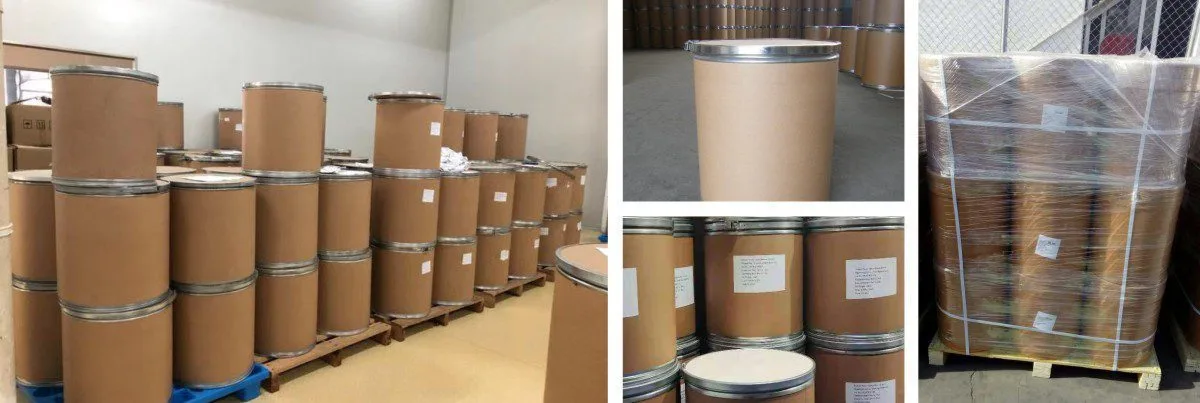
| Format | Net Weight | MOQ | Notes |
|---|---|---|---|
| Kraft paper bag (inner PE liner) | 25 kg | 500 kg | Standard B2B; moisture barrier |
| White woven PP bag | 25 kg | 500 kg | Export; humid climates |
| Fiber drum (inner PE) | 25 kg | 500 kg | Long-term storage |
| Aluminum foil pouch | 5 kg | 100 kg | Premium; superior moisture barrier |
| Private-label retail | 500g / 1kg | 2,000 kg | Retail / Amazon |
| GMP bottle (pharmaceutical grade) | 500g / 1kg | 200 kg | Premium supplements |
Storage Conditions: ≤25°C, RH ≤60%, sealed, away from direct sunlight, strong odors, and volatile substances. Hemp peptides are hygroscopic — minimize exposure to humid air. Shelf life: 24 months from manufacture date (sealed, original packaging). After opening: reseal immediately; use within 30 days. Do not freeze (may affect peptide solubility).