What is Maltitol Powder?
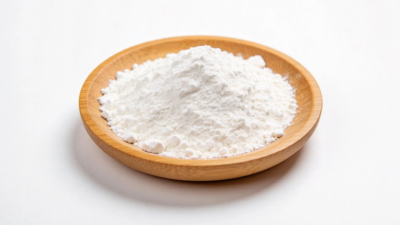
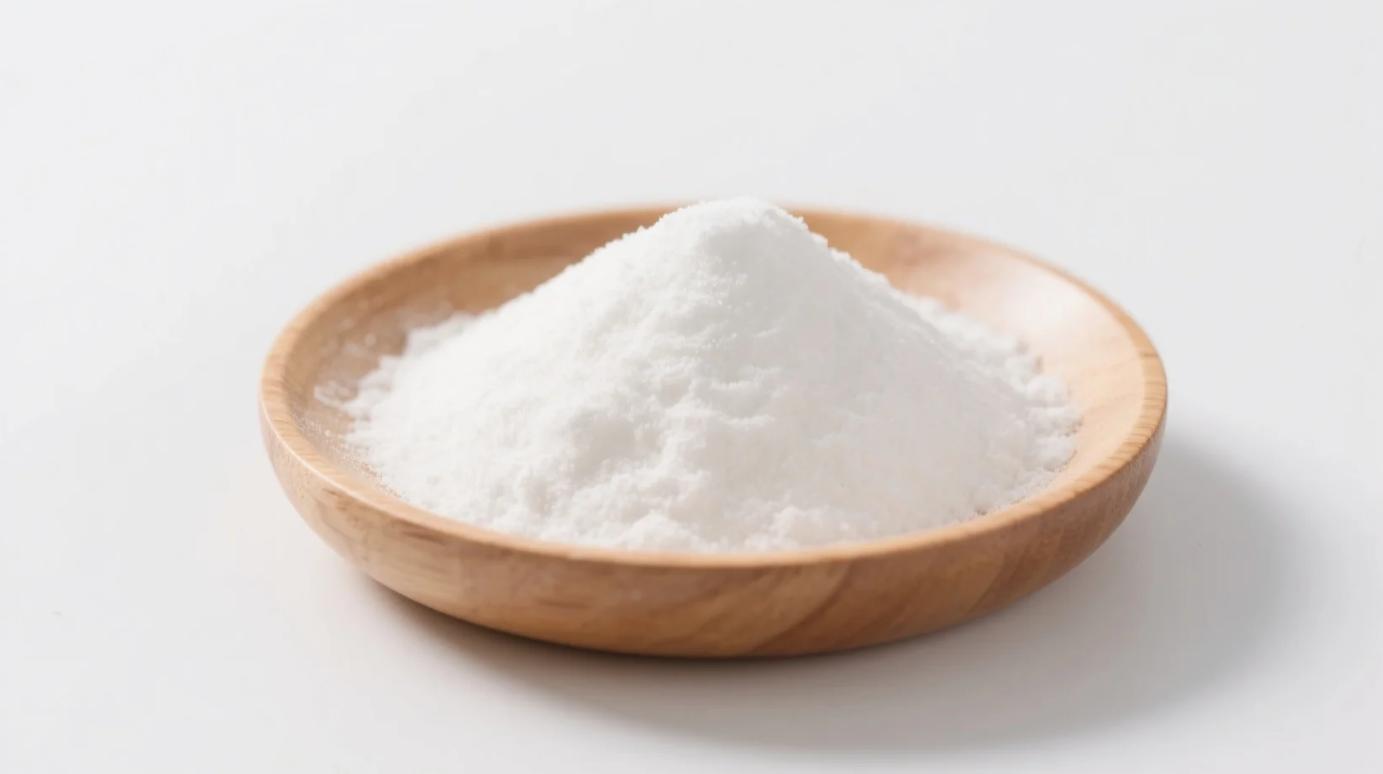
Maltitol Powder is a white crystalline powder with a sweetness of approximately 90% of sucrose — one of the highest sweetness equivalences among mainstream sugar alcohols — making it the most straightforward sugar replacement in terms of formulation simplicity. Unlike most high-intensity sweeteners that require significant reformulation to replicate sugar’s bulk, texture, and browning behavior, maltitol can often replace sucrose on a near one-to-one weight basis with minimal adjustments to other ingredients. This property — combined with its excellent crystallization behavior and clean, neutral taste with no aftertaste — makes maltitol the preferred sugar alcohol for chocolate, hard candy, and toffee applications where texture and mouthfeel are critical quality attributes.
The product’s glycemic index of 35 is notably lower than sucrose (~65), producing a significantly reduced blood glucose and insulin response — a key advantage over xylitol (GI ~12, but with high-dose gastrointestinal limitations) and erythritol (near-zero GI, but at only ~70% sucrose sweetness with cooling sensation). Maltitol’s ~2.1 kcal/g caloric value is approximately 50% of sucrose’s 4 kcal/g, enabling meaningful calorie reduction claims even in products that replace sugar on a near one-to-one basis.
In confectionery applications, maltitol’s excellent crystallization behavior produces a smooth, non-gritty texture that closely resembles sucrose-based products — a significant advantage over erythritol, which can crystallize with an unpleasant cooling sensation. Its caramelization temperature of 165°C (vs sucrose at 160°C) enables standard confectionery cooking processes without modification, and its resistance to Maillard browning means it will not contribute to unwanted browning in products where color control is critical. For chocolate applications, maltitol produces acceptable fat bloom resistance at typical replacement levels, though full-fat chocolate formulations may require reformulation for optimal tempering behavior.
Digestive tolerance is a consideration for maltitol at high doses: the recommended maximum is ≤40 g/day (compared to erythritol’s more generous ≤60 g/day threshold). Individual tolerance varies, and excessive consumption may produce gastrointestinal effects similar to other sugar alcohols. The LD50 of >20 g/kg body weight (OECD 423 certified) confirms low acute toxicity.
PHYSICAL & CHEMICAL SPECIFICATIONS
Product Specifications
| Parameter | Value |
|---|---|
| Appearance | White crystalline powder |
| Source | Maltose (hydrogenated) |
| Processing | Hydrogenation of maltose |
| Sweetness | ~90% of sucrose |
| Caloric Value | ~2.1 kcal/g |
| Glycemic Index (GI) | 35 |
| Moisture | ≤1.5% |
| Bulk Density | 0.8–1.0 g/cm³ |
| Solubility | Highly soluble in water |
| pH (10% solution) | 4.0–7.0 |
| Caramelization Temperature | 165°C |
| Packaging | 25 kg kraft drums, fiber drums, or customized |
| Shelf Life | 24 months |
Application Matrix
| Application | Suitability | Notes |
|---|---|---|
| Sugar-free chocolate | Excellent | Near one-to-one replacement; fat bloom monitoring needed |
| Hard candy and lozenges | Excellent | Crystallization behavior replicates sucrose; smooth texture |
| Toffee and caramel | Excellent | Caramelization at 165°C; use 0.1% citrate to prevent crystallization |
| Chewing gum | Excellent | Clean taste; non-cariogenic; good texture retention |
| Baked goods | Good | Low Maillard browning; adjust for color; prevents crystallisation |
| Protein and energy bars | Good | Low-GI sweetener; bulk replacement |
| Dietary supplements (tablets, sachets) | Excellent | Neutral taste; compressibility; moisture ≤1.5% |
| Sugar-free beverages | Moderate | High solubility but may require combination with high-intensity sweeteners |
MICROBIOLOGICAL & CONTAMINANT STANDARDS
| Test | Specification |
|---|---|
| Total Plate Count | ≤10,000 cfu/g |
| Yeast & Mould | ≤100 cfu/g |
| E. coli | Negative / g |
| Salmonella | Negative / 25g |
| Heavy Metals (Pb) | ≤1.0 mg/kg |
| Residues | Below EU ML / USDA-NOP limits |
All batches tested and released against specifications. CofA available with every shipment.
CERTIFICATIONS
| Certification | Status |
|---|---|
| Non-GMO Project Verified | Yes |
| Kosher | Yes |
| Halal | Yes |
| ISO 22000 | Yes |
| HACCP | Yes |
| Vegan | Yes |
| Gluten-Free | Yes |
APPLICATIONS & FORMULATION TIPS
Key Functional Benefits
Maltitol’s three most significant functional advantages are near-equal sweetness equivalence, superior crystallization behavior, and broad confectionery compatibility. The 90% sucrose sweetness equivalence means maltitol is the most formulation-friendly sugar alcohol: unlike sorbitol (60%), xylitol (~100%), or erythritol (~70%), maltitol can often replace sucrose on a near one-to-one weight basis without requiring significant adjustments to ingredient ratios, resulting in products that taste remarkably similar to their full-sugar counterparts. The crystallization behavior — producing smooth, non-gritty textures in hard candy, toffee, and chocolate — is unmatched by other sugar alcohols and is the primary reason maltitol dominates the sugar-free confectionery market. The caramelization temperature of 165°C (vs sucrose’s 160°C) enables standard confectionery cooking processes with minimal parameter adjustment. Combined with its non-cariogenic property — documented in multiple dental health studies — maltitol enables “sugar-free” and “tooth-friendly” positioning that full-sugar products cannot claim.
Formulation Guidance
When replacing sucrose with maltitol, note that maltitol does not contribute to Maillard browning reactions — for baked goods where golden color is a quality attribute, either accept a lighter color or supplement with caramel color. For toffee and caramel applications, adding 0.1% citrate (sodium citrate or citric acid) prevents unwanted crystallization during cooling and storage. In chocolate formulations, maltitol produces acceptable results at typical replacement levels but may affect tempering curves and fat bloom stability; trials are recommended for dark chocolate specifically. Maltitol’s glycemic index of 35 enables “low-GI” label claims, though it remains metabolized as a carbohydrate contributing ~2.1 kcal/g. For ketone-friendly formulations, maltitol’s 35 GI and ~2.1 kcal/g mean it does not qualify as net-carb-excludable; erythritol or allulose are more commonly used for strict keto positioning.
FAQ
Q: How does maltitol’s sweetness compare to sugar, and what are the formulation implications?
A: Maltitol delivers approximately 90% of sucrose’s sweetness per weight — one of the highest among common sugar alcohols. This means maltitol can often replace sucrose on a near one-to-one weight basis with minimal reformulation, producing products that taste remarkably similar to full-sugar versions. This is the primary advantage over other sugar alcohols: sorbitol (~60%), erythritol (~70%), and xylitol (~100%) all require more significant ingredient adjustments. The ~2.1 kcal/g caloric value (vs sucrose’s 4 kcal/g) enables meaningful calorie reduction even at high replacement ratios.
Q: What is maltitol’s digestive tolerance profile, and how does it compare to erythritol?
A: Maltitol’s recommended maximum is ≤40 g/day, with individual tolerance varying. At typical confectionery use levels (10–20 g per serving), most consumers experience no issues. The primary gastrointestinal limitation is that maltitol is partially absorbed in the small intestine and partially fermented in the colon, producing gas and osmotic effects at high doses. For comparison, erythritol has a more favorable tolerance profile (≤60 g/day) because it is almost completely absorbed in the small intestine before reaching the colon. The choice between maltitol and erythritol depends on the application: maltitol’s 90% sweetness and superior crystallization make it ideal for confectionery; erythritol’s better tolerance and near-zero GI make it more suitable for high-dose applications like RTD beverages.
Q: Can maltitol caramelize like sugar?
A: Yes, maltitol caramelizes at 165°C — slightly higher than sucrose’s 160°C — enabling standard confectionery cooking processes without modification. For toffee and caramel applications, adding 0.1% citrate (sodium citrate or citric acid) is recommended to prevent unwanted crystallization during cooling and storage. Note that maltitol’s resistance to Maillard browning means it will not produce the same brown color development in baked goods where Maillard reactions contribute to flavor and appearance; this may require adjustment of expectations or supplementation with caramel color.
Q: Is maltitol suitable for keto or diabetic diets?
A: For diabetic diets: yes, with a glycemic index of 35, maltitol produces a significantly reduced blood glucose and insulin response compared to sucrose. It supports “low-GI” and “suitable for diabetics” label claims. For strict ketogenic diets: maltitol’s GI of 35 and ~2.1 kcal/g mean it does not qualify for net-carb-exclusion in most strict keto frameworks. Erythritol (GI ~0, not metabolized) and allulose (minimal impact on blood glucose) are more commonly used in strict keto formulations. Always recommend consulting a healthcare professional for individual dietary guidance.
Q: How does maltitol perform in chocolate applications?
A: Maltitol produces acceptable results as a sugar replacement in chocolate at typical replacement levels (up to ~50% of total solids). Key considerations: maltitol may affect tempering curves and fat bloom stability — trials are recommended for dark chocolate specifically. The cooling sensation associated with erythritol is not present with maltitol. For products requiring “sugar-free” and “non-cariogenic” claims, maltitol is an excellent choice; for products where near-identical texture and mouthfeel to conventional chocolate are critical, full reformulation trials are advisable.
Q: What are your minimum order quantities and shipping options?
A: We offer 1 kg free samples via FedEx, UPS, or EMS for quality verification. Minimum order is 25 kg. Private label orders require 500 kg. Private label orders require 100 kg minimum. Production lead time is typically 10–20 working days. We ship from Qingdao or Tianjin ports and accept payment via T/T, L/C, D/P, D/A, MoneyGram, Western Union, or Credit Card. Documentation including CofA, non-GMO certificate, MSDS, and TDS is provided with every shipment.
PACKAGING & STORAGE
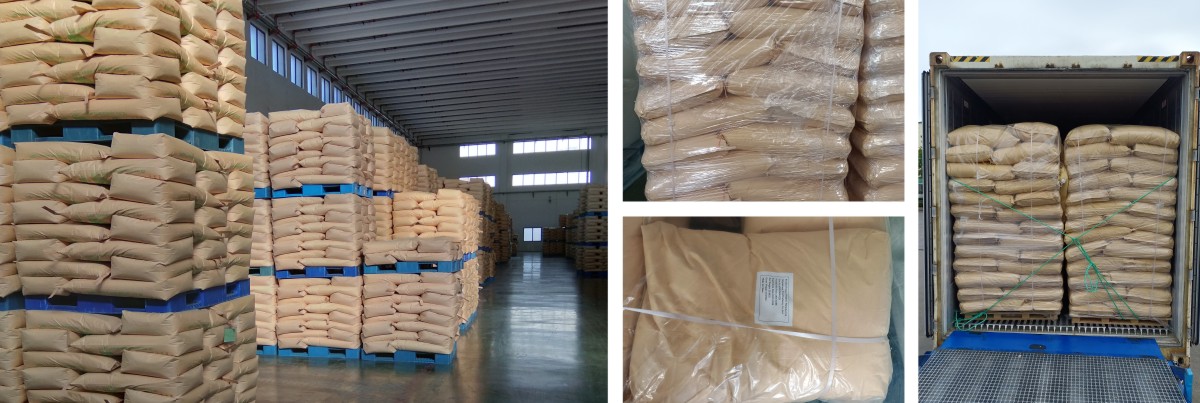
Packaging
| Format | Standard Packaging | Custom Options |
|---|---|---|
| Maltitol Powder | 25 kg multi-layer kraft paper bags; fiber drums | 5 / 10 / 20 kg bags; IBC super sacks; branded packaging for private label |
Storage Conditions
| Parameter | Value |
|---|---|
| Temperature | Cool and dry place; ≤25°C recommended |
| Humidity | Low humidity; sealed packaging |
| Light | Away from direct sunlight |
| Odor | Away from strong odors |
| Shelf Life (sealed) | 24 months |
| Opened Packaging | Reseal tightly after opening; use within 6 months |