Table of Contents
What’s Coix Seed?
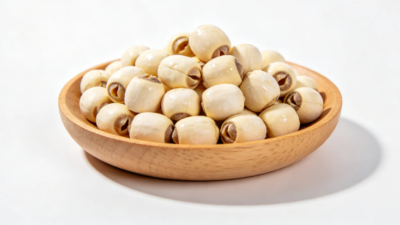
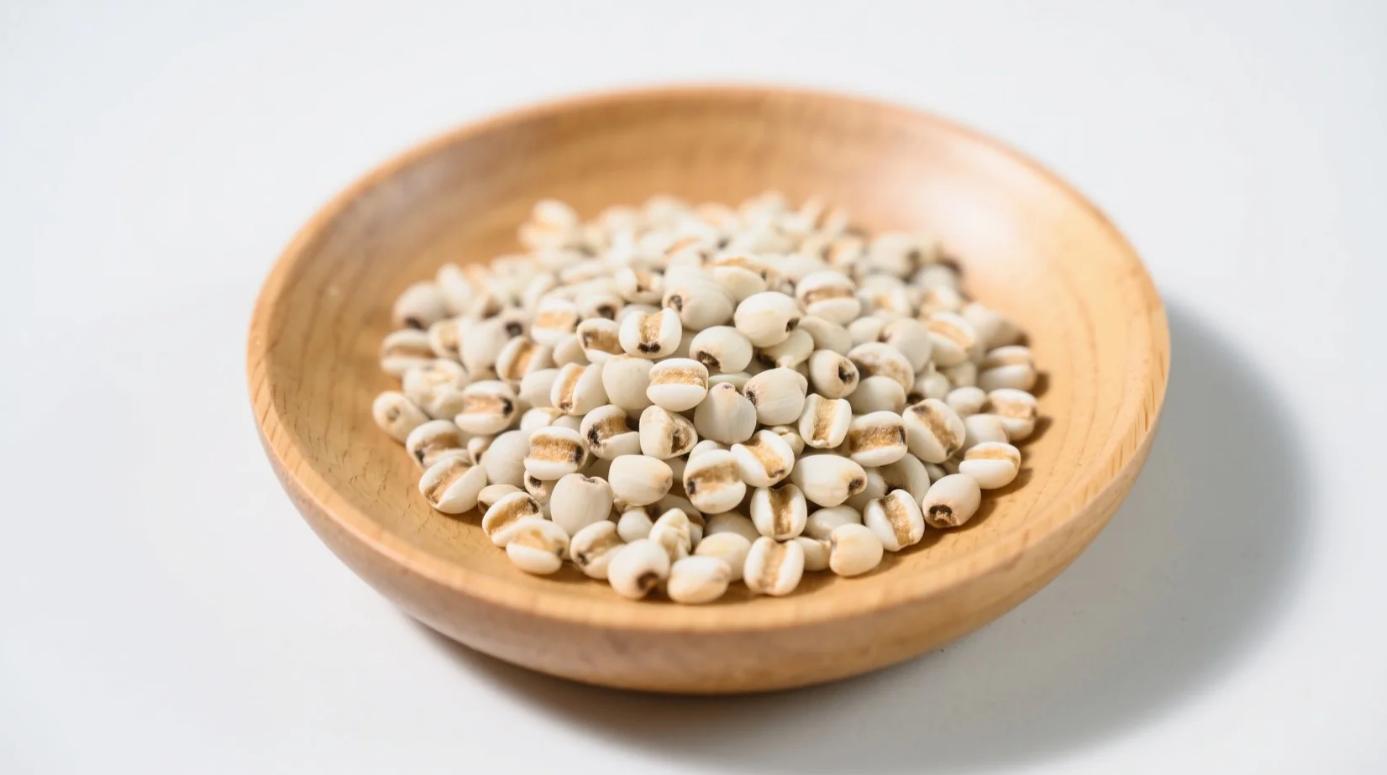
Coix Seed (also known as Job’s Tears, Adlay, or Coix lacryma-jobi) is a premium, gluten-free ancient grain. Revered for centuries in traditional Eastern wellness for its “detoxifying” and skin-brightening properties, Coix seed is a nutritional powerhouse. It is richer in protein and essential amino acids than almost any other cereal grain. Whether used as a whole grain, a toasted tea, or a fine functional powder, our Coix Seed provides a clean-label, nutrient-dense solution for the modern “Beauty-from-Within” and holistic health markets.
Why is Coix Seed the ultimate “Functional Beauty” grain?
Our Coix Seed stands out in the superfood category due to its unique concentration of coixenolide and coixol—bioactive compounds credited with supporting metabolic health and healthy skin tone. Unlike conventional grains, Coix seed contains nearly double the protein of rice and is packed with fiber, B vitamins, and minerals like iron and magnesium. For brands targeting the “Inner Glow” or “Anti-Inflammatory” trends, this grain offers a sophisticated, tradition-backed ingredient that aligns with the highest standards of purity and sustainability.
What are the technical specifications of our Coix Seed?
We ensure every batch is processed using low-temperature drying to preserve the delicate oils and bioactive compounds within the seed.
| Attribute | Specification Details |
|---|---|
| Common Names | Job’s Tears, Chinese Pearl Barley, Adlay, Coix Seed |
| Source | Non-GMO Coix lacryma-jobi |
| Appearance | Pearly white to light cream (Polished) or Brown (Hulled) |
| Protein Content | 13% – 18% (Significant for a cereal grain) |
| Fat Content | 5% – 7% (Rich in unsaturated fatty acids) |
| Moisture Content | ≤ 12% |
| Purity | ≥ 99% |
| Dietary Suitability | Vegan, Gluten-Free, Non-GMO, Keto-Friendly |
Which premium applications benefit most from Coix Seed?
The mild, nutty flavor and functional profile of Coix Seed make it highly versatile:
- Nutricosmetics & Beauty Supplements: Used in powders and capsules to promote “skin clarity”.
- Functional Beverages & Teas: Toasted Coix seed is a popular caffeine-free coffee alternative, offering a rich, roasted aroma and digestive benefits.
- Gluten-Free Flour Blends: When milled into a fine powder, it adds a unique nutritional boost and smooth texture to GF breads, cookies, and pancakes.
- Breakfast Cereals & Granola: Whole or puffed Coix seeds provide a satisfying crunch and high-protein content for breakfast formulations.
- Plant-Based Soups & Porridges: A traditional staple used to thicken soups naturally while adding a layer of creamy, nutty flavor.
How to Use: What are the professional formulation tips?
- Preparation of Whole Grain: Coix seeds are denser than rice. For culinary use, we recommend soaking for 2–4 hours before boiling to achieve a tender, chewy “pearl” texture.
- Activating the Flavor: Lightly toasting the seeds before milling or steeping significantly enhances the nutty, toasted notes, making it ideal for beverage applications.
- Milling for Solubility: For instant drink mixes, use our pre-gelatinized (instant) Coix powder, which dissolves easily in hot water without the need for cooking.
- Skin Care Formulations: The extract of Coix Seed can be used topically in skincare to soothe inflammation and support even skin pigmentation.
FAQ
Q: Is Coix Seed the same as Pearl Barley?
A: No. Although often called “Chinese Pearl Barley,” Coix seed is a completely different species (Coix lacryma-jobi). Most importantly, Coix seed is naturally gluten-free, whereas true barley contains gluten.
Q: Can it be used in “Low-Glycemic” diets?
A: Yes. Coix seed has a lower glycemic index than white rice or wheat, and its high fiber and protein content help regulate blood sugar response.
Q: Does it have any specific contraindications?
A: Traditionally, Coix seed is avoided during pregnancy in some Eastern cultures due to its strong “diuretic” and “moving” properties. We recommend checking specific regional regulatory guidelines for label warnings.
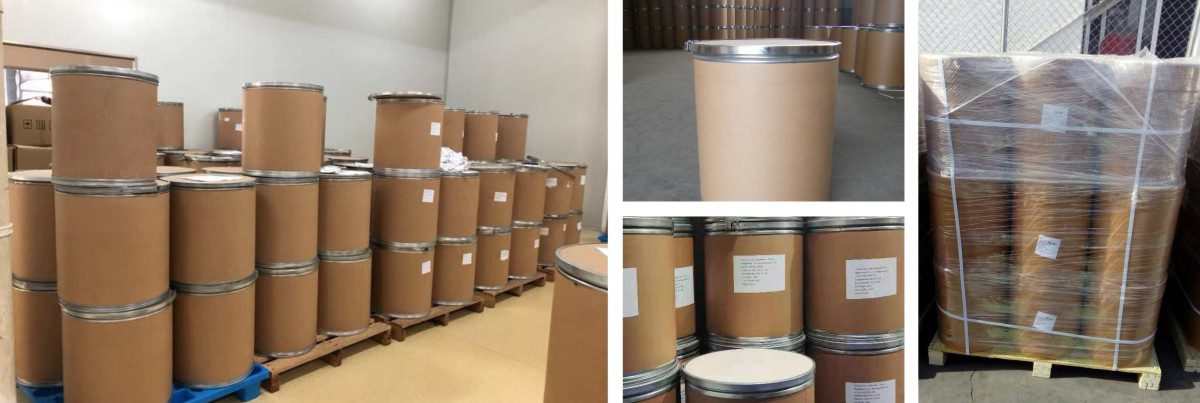
Packing