Table of Contents
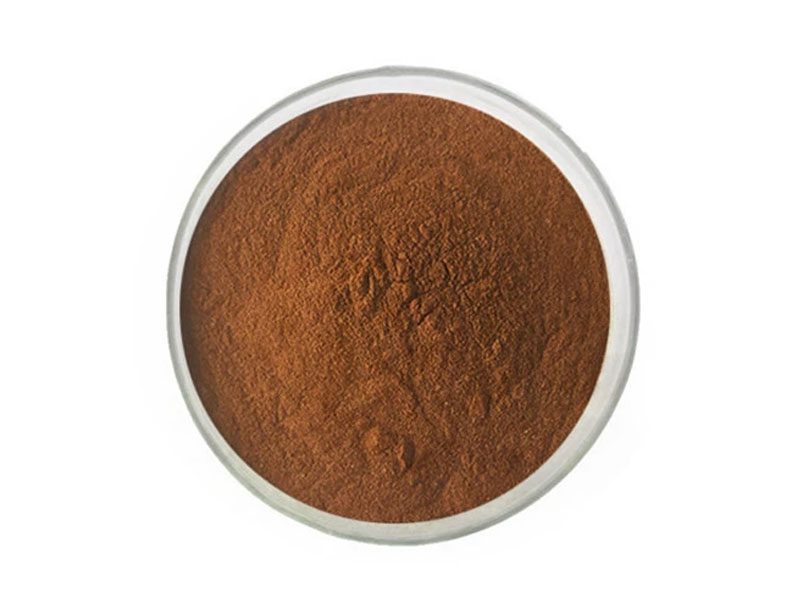
Black tea is a type of tea that is more oxidized than oolong, green, and white tea. Black tea is generally stronger in flavor than the less oxidized teas. All four types are made from leaves of the shrub(or small tree) Camellia sinensis. Two principal varieties of the species are used – the small-leaved Chinese variety plant (C. Sinensis subsp. Sinensis), used for most other types of teas, and the large-leaved Assamese plant (C. Sinensis subsp. assamica), which was traditionally mainly used for black tea, although in recent years some green and white have been produced.
In Chinese, “black tea” is a commonly used classification for post-fermented teas, such as Pu-erh tea; outside of China and its neighboring countries, “red tea” more commonly refers to rooibos, a South African herbal tea.
Benefits
Adjusts blood lipid extraordinarily. On one hand, it can reduce high blood lipids, blood serum cholesterol, triglyceride, and the content of low-density lipoprotein cholesterol. On the other hand, it can enhance high-density lipoprotein cholesterol.
Fights against atheroma hardening.
Anti-coagulant improves blood consistency.
Lipid peroxide.
Protects injured animals from heart myocytes and brain damage.
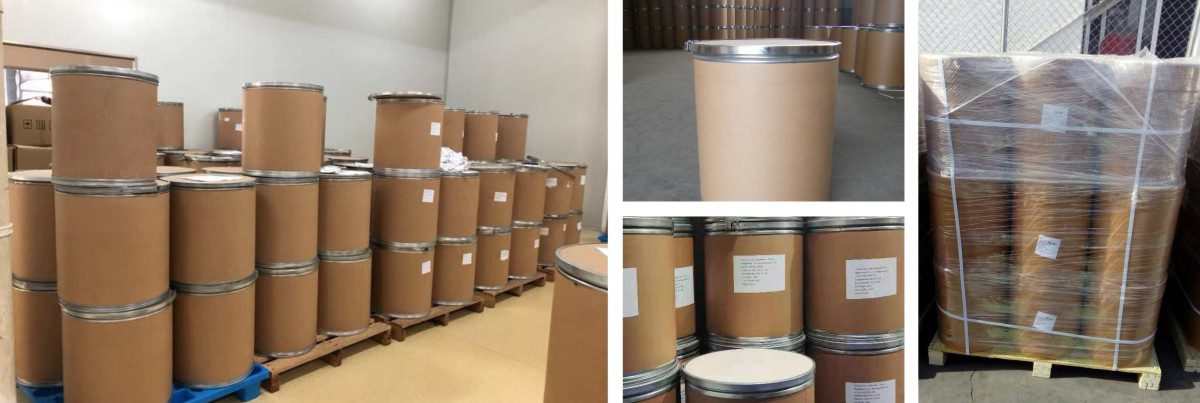
Packing
Related Articles
How to Choose Organic Dextrose Powder vs Conventional Dextrose Powder: A Professional Guide
In modern food, beverage, and nutrition formulations, dextrose powder is far more than “just another sweetener.” It is…
Read More →
How to Choose Organic Glucose Syrup: A Professional Buyer’s Guide for Food Brands
Choosing the right organic glucose syrup is not just a technical decision – it is a strategic choice…
Read More →
What Is Organic Polydextrose Powder and Syrup and Why Are They Essential for Modern Food Formulation?
As the global demand for healthier, low-calorie, and high-fiber foods continues to rise, food manufacturers are under increasing…
Read More →