
Table of Contents
Garlic is a cornerstone of global cuisine, revered for its pungent flavor and potent health benefits. For convenience and versatility, organic garlic powder is an indispensable pantry staple. It offers the concentrated essence of garlic, ready to enhance any dish, without the fuss of peeling and mincing. But not all garlic powders are created equal. If you’re looking for true flavor, unquestionable purity, and maximum potency, knowing how to select the best organic option is key. Across kitchens from home cooks to professional chefs, garlic powder has quietly become one of the most relied-upon flavor foundations, bridging the gap between fresh aromatics and shelf-stable practicality. Understanding the difference between a truly premium organic product and a mass-market filler is the first step toward cooking with confidence and consistency.
Let’s dive into what truly matters when choosing your organic garlic powder for superior taste and wellness. Whether you are building a weeknight marinade, blending a dry rub for slow-smoked meats, or simply seasoning roasted vegetables, the quality of your garlic powder subtly shapes every bite. A thoughtfully chosen product delivers consistent results batch after batch, while a weak or adulterated one leaves dishes flat and one-dimensional. In the sections that follow, we break down the practical criteria that separate exceptional organic garlic powder from the rest of the shelf, so your next purchase is an informed one rather than a hopeful guess.
Why Choose Organic Garlic Powder? Beyond Just Convenience
Before we get to the buying tips, let’s quickly remember why organic garlic powder stands out: organic cultivation protects both the soil and the final ingredient from synthetic inputs, and that protection shows up on the plate. Beyond the obvious absence of prohibited pesticides, organic garlic tends to be grown in healthier, living soils that encourage a more robust flavor profile in the bulb itself. When that bulb is dehydrated and milled into powder, the resulting aroma is fuller, sweeter, and more complex than powder made from commodity garlic grown purely for yield. Choosing organic is therefore not only a health decision but a flavor decision, rewarding you with a spice that tastes like garlic should.
- Concentrated Flavor: Offers a powerful, consistent garlic taste without the moisture of fresh cloves, perfect for rubs, marinades, and dry mixes. Because the water has been removed during dehydration, the flavor compounds are present in a denser ratio, so a small measured spoonful goes a long way. This concentration also means the taste stays stable through long cooking, unlike fresh garlic that can scorch or turn bitter in a hot pan. For spice blends and seasoning salts, that reliability is exactly what a repeatable recipe demands, eliminating the variable of clove size and pungency from batch to batch.
- Convenience: No peeling, chopping, or sticky fingers. Simply scoop and season. Fresh garlic requires time, a sharp knife, and cleanup; garlic powder collapses that entire step into a single motion. For meal-prep routines, busy weeknights, and high-volume kitchens, that saved labor adds up to real value over a year of cooking. It also eliminates the waste that comes from cloves that sprout or spoil before you get to them, quietly reducing both cost and food scraps in the process.
- Versatility: Ideal for a wide range of dishes, from savory bakes and roasts to dressings and dips. Garlic powder disperses evenly through batters, doughs, and liquids where minced fresh garlic would sink, clump, or burn. It seasons popcorn, roasted nuts, compound butters, and broth with equal ease. Because it dissolves smoothly, it is a natural fit for recipes where you want garlic character without visible pieces or an uneven texture that distracts from the rest of the dish.
- Health Benefits: Retains many of the beneficial compounds found in fresh garlic, including antioxidants and allicin precursors. While fresh crushing triggers the most allicin formation, quality powder still carries organosulfur compounds such as S-allyl cysteine that survive the drying process. These compounds are the focus of extensive research into cardiovascular and immune support, which is why many people keep garlic in their daily routine. Selecting an organic source helps ensure those delicate compounds are not diluted by fillers or degraded by harsh, high-heat processing.
- Clean Label: Choosing organic ensures no synthetic pesticides or GMOs. For brands and home cooks building transparent ingredient statements, organic certification provides third-party verification rather than a marketing claim. It aligns with clean-label expectations from consumers who actually read the back of the package. That trust is difficult to win and easy to lose, which makes thoughtful sourcing matter far more than the price on the shelf at the moment of purchase.
Your Smart Shopping Checklist: What to Look For
When you’re ready to add organic garlic powder to your spice rack, keep these critical points in mind: a short checklist applied consistently will save you from disappointing purchases and wasted seasoning. Treat the label, the color, and the aroma as three independent signals that together tell the full story of how the product was grown, processed, and stored. The more of these boxes you can confidently check, the more likely you are holding a genuinely premium spice rather than a commodity blend dressed up with clever packaging.
- Always Verify “Organic” Certification:
- Why it Matters: Garlic can be a crop where pesticides are used. The “organic” label is your strongest guarantee of purity, ensuring the garlic was grown without synthetic pesticides, herbicides, or genetically modified organisms (GMOs). This is vital for a product you’ll use frequently. Because garlic is used in such small amounts yet so often, cumulative exposure to residues matters more than the per-serving number suggests on its own. Certification also implies record-keeping and traceability back to a specific farm or cooperative that stands behind the harvest.
- Look For: Clearly displayed organic certification logos (like USDA Organic, EU Organic, or JAS if in Japan) prominently on the packaging. A credible certifier name and license number are stronger signals than a generic green leaf graphic. Check that the certification applies to the garlic itself and not merely to the facility that packaged it. When in doubt, the certifier’s public database can confirm a producer’s status in seconds, turning uncertainty into confidence before you buy.
- Examine the Ingredients List: Purity is Paramount:
- Why it Matters: High-quality organic garlic powder should be just that: 100% pure garlic. Some conventional powders might contain anti-caking agents (like silicon dioxide) or fillers. For the best flavor and purity, avoid these. Fillers not only dilute flavor but can introduce textures and aftertastes you never intended in the dish. Anti-caking agents are not inherently harmful, yet they signal a product engineered for shelf life over character, which is rarely the trade-off a serious cook wants.
- Look For: An ingredient list that simply states “organic garlic powder” or “dried organic garlic.” Short, unambiguous ingredient statements are a hallmark of premium spice houses. If you see sugar, maltodextrin, or vegetable oil listed, the product has been cut or treated for flow. Pure organic garlic powder should flow freely enough on its own when kept dry and cool, needing nothing added to keep it from clumping in the jar.
- Assess Color and Aroma:
- Why it Matters: These are key indicators of freshness and potency. Garlic powder should be vibrant and aromatic. Color and smell are the oldest quality controls in the spice trade for good reason: they reflect both the raw material and the care taken in drying. A product that looked right at the factory can still fade in poor storage, so evaluating aroma at home remains essential rather than optional once the jar is in your kitchen.
- Look For: A light tan to off-white color. Avoid powders that look too yellow, brown, or dull, as this can indicate age or improper processing. It should have a strong, pungent, characteristic garlic aroma even before you open the container fully. If it smells stale or weak, pass on it. Fresh, well-made powder should make your eyes water just slightly when you lean in, a sign the volatile oils are still alive and ready to perfume the dish.
- Consider the Granularity (Powder vs. Granulated):
- Why it Matters: “Garlic powder” is typically a very fine grind, while “garlic granulated” (or “granulated garlic”) is a coarser consistency. Your preference depends on how you plan to use it. The grind size changes how quickly flavor releases and how it sits in a dish. Matching granularity to application is a small choice that noticeably improves the eating experience, because particle size governs both mouthfeel and the rate at which aromatic oils reach the palate.
- Look For:
- Fine Powder: Best for smooth sauces, rubs, dips, and when you want the flavor to disperse completely without texture. It vanishes into liquids and creams, making it ideal for mayonnaise, aioli, and salad dressings where any grittiness would be unwelcome. The even suspension prevents pockets of concentrated seasoning from forming in a finished sauce, so every spoonful tastes the same as the last.
- Granulated: Ideal for sprinkling on roasted vegetables, in marinades where you want a little more texture, or when you want the garlic to release flavor slower. Some brands might offer both. The larger particles toast gently in the oven, lending a subtle roasted note that fine powder cannot replicate, and they hold up better in dry rubs subjected to direct, sustained heat on a grill.
- Review Packaging and Storage:
- Why it Matters: Light, air, and moisture are the enemies of spice potency. Proper packaging preserves flavor. Once ground, garlic’s volatile compounds begin a slow escape that good packaging can dramatically slow. The difference between a sealed amber jar and a thin cellophane bag is often the difference between a spice that lasts a year and one that tastes stale within a month of opening.
- Look For: Airtight, opaque containers (dark glass jars or sturdy pouches) that protect from light. Store in a cool, dark, dry place away from heat sources. Ensure the container is well-sealed. A resealable closure you actually use matters more than the material alone, since repeated exposure to humid kitchen air is the real culprit behind clumping and the quiet loss of aroma over time.
By keeping these guidelines in mind, you’ll be well-equipped to select a premium organic garlic powder that not only meets your dietary needs but also elevates your cooking with its authentic flavor and healthful benefits. Get ready to enjoy the rich, aromatic power of pure organic garlic! The small effort of reading a label and trusting your senses pays back in every meal you season. Over time, you will develop a feel for what great garlic powder should be, and substandard options will become easy to spot on sight. That confidence is the real takeaway from a mindful shopping habit built on quality first, and it turns a routine grocery trip into a small act of culinary craft.
Recommended Products
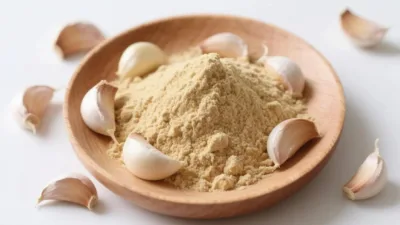
Organic Garlic Powder
Organic Garlic Powder delivers potent, concentrated garlic essence from 100% organically grown Allium sativum.…
Related Posts


