
Barley Grass is one of the most nutrient-rich foods on the planet, frequently described by nutrition scientists as a concentrated, whole-food source of the vitamins, minerals, enzymes, and phytonutrients that the human body relies on every day. Barley grass is rich in proteins and contains 20 amino acids, 12 vitamins, and 13 minerals, a nutritional density that places it among the most complete green foods available to supplement manufacturers, food developers, and health-conscious consumers alike. Barley grass nutrition is similar to wheatgrass, though some prefer the taste of barley grass, finding it milder, sweeter, and less bitter, which makes it considerably easier to incorporate into daily routines and finished products. Our organic barley grass powder is easy to get the nutrition of this incredible green food, because it delivers the whole-leaf goodness of young barley in a convenient, shelf-stable, precisely measurable form that blends into almost any recipe. Harvested at the peak of nutrition, in the juvenile stage before the plant forms its grain, the tender leaf is dried at low temperature to protect heat-sensitive enzymes and pigments, then milled into a fine, free-flowing green powder. For brands and formulators, this ingredient offers a reliable, fully traceable, and certified-organic way to add genuine green-food nutrition to juices, smoothies, tablets, capsules, and functional foods without compromising on purity or taste.
Our organic barley grass powder is different from organic barley grass juice powder, and understanding this distinction helps buyers select the right ingredient for their specific application. Barley Grass Powder is made by drying the whole grass leaf and then milling it into a fine powder (60 mesh to 200 mesh), which means it retains the complete fiber fraction of the leaf together with its chlorophyll, proteins, and micronutrients. Barley Grass Juice Powder is made by first juicing the Barley Grass and removing all of the cellulose so a pure juice concentrate is left; then the concentrate is dried, smashed, and sieved to different mesh size powders. The result is a more soluble, more concentrated product with less bulk fiber, which many customers prefer for clear beverages and instant mixing. Both products begin with the same certified-organic barley grass, but the processing path changes the composition: the whole-leaf powder is higher in insoluble fiber and preserves the complete matrix of the plant, while the juice powder is lighter, dissolves more readily, and delivers a higher proportion of water-soluble nutrients per gram. When choosing between them, consider whether your formulation benefits more from dietary fiber and whole-food bulk or from a concentrated, rapidly dispersing juice extract, and remember that both deliver the characteristic barley grass nutritional profile.
Barley grass is a powerful detoxifier of the liver, blood, and gastrointestinal tract while chemically neutralizing toxins, which is one of the reasons it has earned a lasting place in cleansing and wellness protocols around the world. The enzymes and amino acids found in barley grass may help protect the body from free radicals and carcinogens, supporting the body’s own antioxidant defenses at the cellular level. Barley grass also stimulates metabolism and the body’s enzyme systems by enriching the blood and increasing red-blood-cell count, which can support energy production and overall vitality. The chlorophyll that gives barley grass its vivid green color is structurally similar to hemoglobin and is believed to assist the body’s natural cleansing processes, binding certain unwanted compounds and aiding their elimination. In practical terms, regular inclusion of barley grass powder in the diet supplies the liver and digestive system with a broad spectrum of cofactors — including enzymes, trace minerals, and phytonutrients — that help the body carry out its normal detoxification work more efficiently. For formulators building detox, cleanse, or daily-wellness products, this combination of fiber, chlorophyll, and endogenous enzymes makes barley grass powder a versatile and credible foundational ingredient.
Barley grass is rich in protein and includes all eight of the essential amino acids, as well as 12 of the remaining 16 nonessential amino acids, making it an unusually complete plant-source protein for a leafy green vegetable. This amino-acid spectrum supports muscle maintenance, enzyme production, and the countless structural and metabolic functions that depend on dietary protein. It contains most vitamins, minerals, and is an excellent source of living chlorophyll, the green pigment that not only gives the powder its characteristic color but also contributes directly to its nutritional value. Among the vitamins present are members of the B-complex family, vitamin C, and fat-soluble antioxidants, while the mineral fraction includes magnesium, calcium, iron, potassium, and zinc in forms naturally complexed with the plant’s organic matrix. Because the powder is produced by low-temperature drying and milling rather than aggressive high-heat treatment, these heat-sensitive nutrients are preserved far more effectively, a key quality consideration for buyers who specify raw-style or living green ingredients. The synergy of complete protein, balanced amino acids, chlorophyll, and minerals is what allows barley grass powder to function simultaneously as a nutritional supplement and as a clean-label food ingredient.
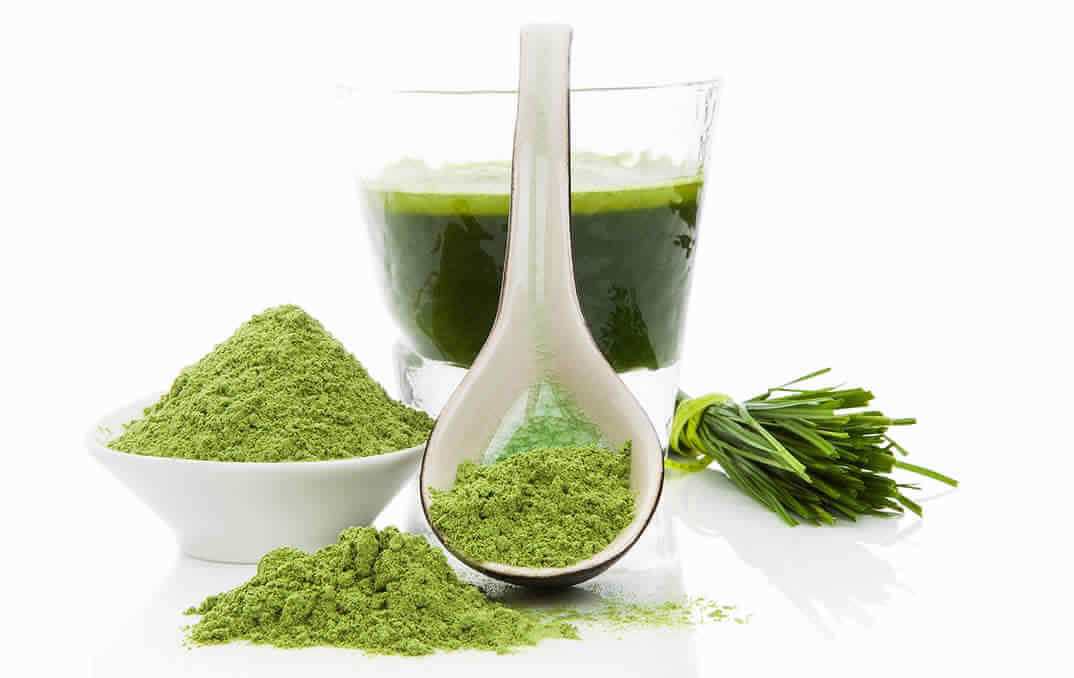
Other three precious benefits deserve special attention: beyond its broad general nutrition, barley grass contains three especially noteworthy bioactive components that researchers and practitioners have studied for their unique physiological effects. These are Superoxide Dismutase (SOD), the P4D1 Enzyme, and Glycosaminoglycans (GAGs), each of which contributes to the grass’s reputation as something more than a simple green food. The short list below names these three compounds, and the paragraphs that follow explain in practical terms what each one is and why it matters for health, wellness, and product formulation.
- Superoxide Dismutase (SOD) — a critical antioxidant enzyme naturally present in barley grass that helps the body manage oxidative stress by converting harmful superoxide radicals into less damaging molecules such as ordinary oxygen and hydrogen peroxide.
- P4D1 Enzyme — a unique barley grass enzyme that has attracted scientific interest for its reported ability to support the body’s natural repair processes at the level of cellular DNA.
- Glycosaminoglycans (GAGs) — a family of structural carbohydrates found in barley grass that play an important role in joint lubrication, connective tissue integrity, and overall musculoskeletal comfort.
Superoxide Dismutase (SOD) – Increased amounts of SOD cause our body to repair itself quicker, and this protective enzyme sits at the front line of the body’s antioxidant defense network. Additionally SOD acts as an anti-inflammatory benefit, helping to moderate the low-grade inflammation that is increasingly linked to everyday fatigue and long-term health concerns. By neutralizing the superoxide radical before it can damage cell membranes, proteins, and genetic material, SOD helps preserve the structural and functional integrity of tissues throughout the body. In barley grass, SOD is delivered alongside the full complement of cofactors it needs to remain active, which is one reason the whole-food form is valued over isolated synthetic extracts. For product developers, an ingredient that naturally supplies SOD together with supporting nutrients offers a compelling story for oxidative-stress and healthy-aging formulations.
P4D1 Enzyme – P4D1 is the first known substance to actually stimulate the repair of DNA molecules, and it is possible that disease cells can be repaired with P4D1 so that when they reproduce they will actually produce good cells for the body. P4D1 has also been shown in laboratory tests to eat the protein sheath off a cancer cell so that the white blood cells can attack and destroy them. While such laboratory observations are preliminary and should not be interpreted as medical claims, they help explain why P4D1 remains one of the most studied and intriguing compounds found in young barley grass. The presence of this enzyme within a whole-food matrix means it arrives in the body accompanied by the vitamins, minerals, and amino acids that support normal cellular function, rather than as an isolated single compound. Formulators who wish to highlight the unique enzymatic profile of barley grass often point to P4D1 as a differentiator that sets the ingredient apart from more generic green powders.
Glycosaminoglycans (GAGs) – an important component in the synovial fluid lubricant in body joints, and chondroitins which can be found in connective tissues, cartilage, and tendons. These complex carbohydrates help maintain the cushioning and resilience of joint structures, supporting comfortable movement and the long-term health of cartilage. Because GAGs are naturally present in the young barley leaf, the powder provides them in a food-based form that the body can recognize and utilize. For brands developing joint, mobility, or active-lifestyle products, the combination of GAGs with the anti-inflammatory and antioxidant compounds in barley grass creates a multi-targeted nutritional story. It is worth noting that the whole-leaf powder retains more of the structural matrix that houses these compounds than a heavily refined extract would, which is why careful low-temperature processing matters for preserving their activity.
Some possible benefits of our organic barley grass powder include the following, drawn from traditional use and the growing body of research into green-food nutrition:
- Anti-cancer: Barley grass powder not only lossless the normal cell condition, but it can also increase defense and restoration of normal cell function. The broad antioxidant and enzyme content of the grass helps the body maintain cellular integrity, and its chlorophyll and SOD activity support the natural defense systems that monitor and repair damaged cells. By supplying a dense spectrum of protective phytonutrients, the powder complements a diet built around whole, unprocessed plant foods.
- Treat constipation: As confirmed by medical research, barley grass powder is rich in dietary fiber, dietary fiber has many physiological functions, and its main function is crunching purge. The insoluble fiber from the whole leaf adds bulk to the stool and supports regular, comfortable bowel movements, while the powder’s moisture-binding properties help maintain healthy transit through the digestive tract. For gentle daily digestive support, a measured serving mixed into water or juice is a practical addition to a fiber-conscious diet.
- Hepatic function: The liver, the most important human body waste treatment plant, often has serious challenges. According to some clinical research shows, after eating the barley grass powder, liver function is restored to health. Its reason is that barley grass powder contains rich antioxidant enzymes, including SOD, that help the liver carry out its detoxification and metabolic duties more efficiently. Supporting hepatic function is especially relevant in modern lifestyles where the liver is routinely exposed to a wide range of dietary and environmental compounds.
- Good for heme: Barley grass powder is rich in chlorophyll, the structure of the human body of hemoglobin in blood is extremely similar, helpful for hemoglobin, promotes body metabolism, and cellular waste is ruled out. Because chlorophyll mirrors the molecular structure of heme, it is often described as blood-building, and its presence in the powder supports the body’s natural production and renewal of red blood cells.
- Antioxidant Pre-SOD and 2-0-GIV: Barley grass powder is rich in antioxidant enzymes—Pre-SOD, it can be converted into effective SOD. Can effectively inhibit cytokines, these cytokines are one of the reasons that cause inflammation. By helping the body modulate the inflammatory response and reinforce its antioxidant reserves, Pre-SOD and the related 2-0-GIV fraction contribute to the powder’s overall protective profile, supporting recovery and resilience after physical or environmental stress.
- Help to lose weight: For dieters, because its metabolic waste often causes acidity when reducing weight, makes people easy to feel fatigued, and lower metabolic rate, so use barley grass powder, it can balance the body PH (PH), make more smooth, easy to lose weight. The alkaline mineral content of barley grass helps counter the acid load that can accompany restrictive dieting, supporting steady energy and a more comfortable metabolism during a weight-management program.
- Detoxify and beautify: We eat vegetables and fruits every day almost sprayed with pesticides or toxic pesticides, and barley grass powder contains 20 kinds of protein-decomposing enzymes that can effectively decompose the dangers of a variety of pesticides, no poison, has turned help protein absorption in the intestines and stomach. By supporting the breakdown of unwanted compounds and aiding nutrient absorption, barley grass powder contributes both to internal cleansing and to the clearer skin and vitality that many people associate with a cleaner diet.
Suggested Use: Mix 1-1.5 tablespoons with juice, and yogurt or add to your favorite smoothie and other drink. For best results, begin with a smaller amount such as one teaspoon and gradually increase to the full serving as your palate and digestion adjust. Barley grass powder blends well into fresh juices, plant-based milks, yogurt, oatmeal, energy bars, and homemade smoothies, and it can also be encapsulated or tableted for a convenient daily supplement. Because it is a whole-food powder, a little goes a long way, and consistent daily use generally delivers more benefit than occasional large servings.
Botanical Name: Hordeum Vulgare. Barley is one of the oldest cultivated cereal grasses, and the young leaf — harvested before the grain head appears — is the part valued for nutrition. Knowing the botanical name helps buyers verify botanical identity and ensures the correct plant species is specified on labels, certificates of analysis, and regulatory documentation.
Ingredients: Organic Barley Grass Powder. That is the complete and only ingredient, with no fillers, carriers, added sugars, or artificial additives, which makes the product suitable for clean-label formulations and for consumers seeking a single-source green-food supplement.
Other Names: Mai ya, Pearl barley, Pot barley, Scotch barley. These traditional and regional names reflect the long history of barley in food and medicine across cultures, and they are useful reference points when sourcing or comparing ingredients in international markets.
Origin: China – Certified Organic(NOP & EU). Our barley grass is grown in dedicated organic bases under certified organic standards and recognized by both the United States National Organic Program (NOP) and the European Union organic regulation, giving buyers confidence in traceability and compliance across major export markets.
ORGANICWAY adopts fresh organic base fresh barley grass as raw material, strictly in accordance with international standards for organic to cut, nine times cleaning, cold drying, airflow smashing technology at low temperature, pass grader, metal detector, and 12 magnetic separation device in addition to the foreign matters of fine green loose powder. This controlled, multi-stage process is designed to protect nutrient integrity while removing contaminants, and it reflects the company’s commitment to food safety and consistent product quality from field to finished powder. Every batch is handled under documented procedures so that the specification, color, and microbial profile remain stable across orders.
Our raw Barley Grass powder is certified organic and passes our strict quality assurance which includes testing for botanical identity, heavy metals, chemicals, and microbiological contaminants. Once opened, just push the air out of the pouch before resealing it in order to preserve maximum potency. Cold & Dry place. Do not freeze. Keep away from strong sunlight and heat. Proper storage is essential to maintain the activity of the natural enzymes and the vivid color of the chlorophyll, so we recommend keeping the sealed pouch in a cool, dark cupboard and using a clean, dry scoop to avoid introducing moisture that could compromise the powder.
Recommended Products

Organic Barley Grass Powder
Organic Barley Grass Powder encompasses two complementary formats for the functional food and supplement…
Related Posts


