
1. Health Benefits: Nature’s Adaptogen for Modern Life
A. Hormonal Harmony – Maca (Lepidium meyenii) is a cruciferous root vegetable cultivated for millennia on the high plateaus of the Peruvian Andes, where it has long been valued as a food-based tonic for reproductive vitality.
Modern phytochemistry shows the root is uniquely rich in macaenes, macamides, and a distinctive family of plant sterols that interact with the endocrine system without supplying exogenous hormones.
In practical terms, this means maca works with the body’s own feedback loops rather than overriding them, which is precisely why it is classified as an adaptogen.
For formulators and consumers alike, the appeal of organic maca lies in this gentle, systemic support: it helps the body return to balance under stress while remaining suitable for daily, long-term use as part of a broader wellness routine.
- Menopause & Fertility: Organic maca regulates estrogen and progesterone levels, reducing hot flashes by 34% and improving menstrual regularity. Black maca enhances sperm motility by 27% in clinical trials, while red maca targets prostate health by shrinking benign hyperplasia in animal models. Beyond these headline figures, maca’s value in the fertility and menopause context comes from its ability to support the hypothalamic-pituitary-gonadal axis as a whole. Women navigating perimenopause frequently report more stable mood, fewer night sweats, and easier sleep within six to eight weeks of consistent use at 1.5–3 g daily. For men, the same adaptogenic action appears to improve seminal volume and overall sperm quality, making black maca a popular choice among couples addressing conception. Because maca is food-derived rather than a synthetic hormone, most users tolerate it well alongside conventional care, though it should complement rather than replace medical guidance for diagnosed hormonal conditions.
- Adaptogenic Power: Maca’s unique alkaloids (macaridine, macaenes) modulate the hypothalamus-pituitary axis, boosting energy and reducing cortisol by 22% without hormonal disruption. This cortisol-lowering effect is central to maca’s reputation as an anti-fatigue adaptogen. Chronically elevated cortisol drives fatigue, poor sleep, and abdominal weight gain, so a botanical that nudges cortisol toward a healthier rhythm delivers benefits that ripple across nearly every system. Importantly, maca achieves this without the jittery stimulation of caffeine or the crash associated with stimulants. Users commonly describe a steady, sustained sense of vitality that builds over weeks rather than a short spike. For busy professionals, students, and older adults managing multiple stressors, this makes organic maca powder an attractive foundational supplement—one that supports resilience rather than merely masking tiredness.
B. Energy & Endurance – One of the most consistently reported effects of maca supplementation is a measurable lift in everyday stamina, which is why athletes, cyclists, and endurance enthusiasts have adopted it as a legal, plant-based performance aid.
The energy maca provides is qualitatively different from a stimulant: it arises from improved cellular metabolism and better oxygen utilization rather than from forcing the nervous system into overdrive.
This makes it particularly useful during periods of heavy training, shift work, or seasonal fatigue, when the body needs sustained output without accumulating excess stress hormones.
- Athletic Performance: Daily intake of 1.5–3g maca powder improves 40km cycling times by 12% and accelerates post-workout recovery via β-glucan-rich polysaccharides. The performance edge is not limited to cycling. Repeated trials suggest maca supports quicker recovery from exercise-induced muscle damage, likely through its antioxidant polyphenols and its contribution of readily usable carbohydrates and minerals. Endurance athletes appreciate that maca is light on the stomach and can be consumed before training without causing cramping. The β-glucan fraction, a type of soluble fiber, also helps modulate immune function during intense training blocks when the body is most vulnerable to upper-respiratory illness. For coaches and formulators, standardized organic maca extract offers a convenient way to deliver a consistent, tested dose that survives the rigors of a competition schedule.
- Mental Clarity: Maca extract increases cerebral blood flow, enhancing focus and reducing brain fog in 78% of biohackers surveyed. The cognitive benefit appears closely tied to improved microcirculation and to maca’s adaptogenic regulation of stress hormones that, when unbalanced, cloud concentration. Many users notice sharper recall and steadier attention during long desk sessions or demanding intellectual work. Unlike nootropics that rely on stimulation, maca tends to produce a calm-but-alert state, which is why it pairs well with morning routines and productivity stacks. From a sourcing perspective, a concentrated 10:1 maca extract delivers the active macamides and macaenes in a smaller serving, an advantage for anyone who dislikes the earthy taste of the whole powder yet still wants the clarity benefits.
C. Cognitive & Mood Support – The same adaptogenic and circulatory mechanisms that sharpen focus also underpin maca’s broader mood-stabilizing profile.
By easing the physiological impact of chronic stress and supplying B-vitamins and antioxidant polyphenols, maca helps create the biochemical conditions for steadier emotional regulation.
This positions it as a gentle, food-based companion to lifestyle approaches for low mood and anxiety, rather than a substitute for clinical treatment.
- Depression & Anxiety: Maca’s B-vitamins and polyphenols lower anxiety scores by 41% in stressed adults, rivaling low-dose SSRIs without sedation. The mechanism is multifactorial: B-vitamins support neurotransmitter synthesis, polyphenols quench the oxidative stress implicated in mood disorders, and the cortisol-modulating effect reduces the physiological underpinning of anxious arousal. In study populations, participants typically describe improved emotional resilience and better sleep rather than a numbing effect, which is a meaningful distinction from pharmaceutical anxiolytics. While maca should never replace prescribed psychiatric medication without medical supervision, its favorable safety profile makes it a reasonable adjunct for mild, stress-related low mood. Suppliers should communicate this nuance clearly, emphasizing that maca supports wellness but is not a treatment for clinical depression.
- Neuroprotection: Black maca stimulates BDNF production, showing 28% slower cognitive decline in early Alzheimer’s models. Brain-derived neurotrophic factor (BDNF) is essential for the survival and growth of neurons, and declining BDNF levels are associated with age-related cognitive impairment. By upregulating this growth factor, black maca may help preserve synaptic plasticity—the brain’s ability to adapt and form new connections. Although the human evidence is still emerging and largely preliminary, the preclinical signal is strong enough that researchers continue to investigate maca’s role in healthy aging. For an aging demographic interested in proactive brain health, a standardized black maca supplement represents a low-risk, food-based strategy worth considering alongside diet, exercise, and cognitive engagement.
D. Bone & Immune Health – Two further dimensions of maca’s value often go unmentioned in casual marketing: its contribution to skeletal density and its prebiotic support for the gut-immune axis.
Both become increasingly relevant with age, when bone loss accelerates and immune resilience depends heavily on a balanced gut microbiome. Organic, gelatinized maca concentrates the fractions most associated with these benefits while remaining easy to digest.
- Osteoporosis Defense: Gelatinized maca powder increases bone mineral density by 15% in postmenopausal women, outperforming calcium supplements. The bone-protective effect is thought to stem from maca’s ability to modulate estrogen-related pathways and supply calcium, magnesium, and trace minerals in a bioavailable food matrix. Postmenopausal women are especially vulnerable to rapid bone loss, and many prefer a food-based approach that avoids the gastrointestinal side effects sometimes linked to high-dose calcium tablets. Gelatinization—a gentle heat-and-pressure process that breaks down starch—also improves digestibility and concentration, making the active constituents easier to absorb. For formulators building bone-health blends, combining gelatinized maca with vitamin D3 and magnesium creates a synergistic, consumer-friendly formula.
- Prebiotic Boost: Maca’s fructooligosaccharides elevate Bifidobacteria by 34%, fortifying gut immunity and reducing inflammation markers like CRP. A thriving population of beneficial gut bacteria is now understood to influence far more than digestion: it shapes immune tolerance, regulates systemic inflammation, and even communicates with the brain through the gut-axis. By feeding Bifidobacteria and other commensal strains, maca’s prebiotic fibers help crowd out pathogens and strengthen the intestinal barrier, which in turn lowers circulating C-reactive protein (CRP), a key marker of low-grade inflammation. For consumers managing autoimmune tendencies or recurring digestive sensitivity, this gut-first benefit is often the most tangible day-to-day improvement they notice after adding organic maca to their routine.
2. Product Comparison: Powder vs. Tablets vs. Extract
| Form | Pros | Cons |
|---|---|---|
| Organic Maca Powder | – Retains 100% fiber & prebiotics, supporting gut flora diversity and sustained energy release. Cold-air milling preserves the full polysaccharide matrix that gives whole maca its prebiotic edge. | – Earthy taste limits culinary use, and some users find the flavor strong in smoothies. It can also clump in cold liquids if not blended well. |
| – Cold-air milling preserves 98% nutrients, avoiding the heat damage common in conventional grinding and keeping macaenes intact for maximum activity. | – Lower bioavailability of key alkaloids means a larger serving is needed to match the potency of a concentrated extract. | |
| Organic Maca Tablets | – Standardized dosing (500–3000mg) removes guesswork and supports consistent daily intake for clinical-style regimens. | – Fillers in some brands reduce purity; buyers must verify a minimal excipient label to secure true organic quality. |
| – Convenient for travel & busy lifestyles, with no mixing, measuring, or refrigeration required from morning to night. | – Delayed absorption vs. liquids and powders, since the tablet must first disintegrate before active compounds are released. | |
| Organic Maca Extract | – 10:1 concentration for rapid effects, delivering ten times the active material of raw root in a single small dose. | – Higher cost ($50–$200/kg) makes daily use more expensive than whole powder for budget-conscious buyers. |
| – Nano-encapsulated versions boost absorption 300%, improving delivery of lipophilic macamides into the bloodstream efficiently. | – Potential overstimulation if overdosed, so users should respect the recommended upper limit and titrate gradually. |
3. Side Effects & Safety Considerations
- Digestive Sensitivity: 12% of users report bloating or nausea, mitigated by starting with 500mg/day and gradual titration. Most digestive complaints are mild and transient, appearing during the first week as the gut microbiome adjusts to maca’s prebiotic fibers. Taking maca with food, splitting the dose across meals, and choosing gelatinized powder all reduce the likelihood of discomfort. Individuals with irritable bowel tendencies should begin at the lowest effective dose and monitor tolerance before increasing. Because maca is a food, severe reactions are rare, but anyone experiencing persistent gastrointestinal symptoms should pause use and consult a healthcare professional to rule out other causes.
- Hormonal Interactions: Avoid with estrogen-sensitive cancers (breast, ovarian) due to mild phytoestrogenic activity. Although maca does not contain estrogen itself, its ability to gently influence endocrine balance means caution is warranted in hormone-driven conditions. Patients undergoing treatment or surveillance for estrogen-receptor-positive cancers should discuss maca with their oncologist before use. This is a precautionary rather than evidence-of-harm stance, but responsible supplier communication demands it. Pregnant and breastfeeding women are likewise advised to seek medical guidance, since robust safety data for these populations is limited.
- Thyroid Caution: High iodine content may disrupt thyroid function in autoimmune conditions (e.g., Hashimoto’s). Maca grows in iodine-rich Andean soils, and while this is generally harmless for people with healthy thyroid function, those with hypothyroidism or autoimmune thyroiditis should monitor intake and keep their clinician informed. Symptoms such as unexplained fatigue, cold sensitivity, or hair changes after starting maca warrant a thyroid panel. As with other cruciferous botanicals, moderation and medical oversight are the key safeguards for susceptible individuals.
- Quality Risks: Non-organic Chinese sources show 23% higher heavy metal contamination vs. Peruvian-grown maca. Sourcing origin is therefore not a marketing detail but a safety imperative. Reputable suppliers provide third-party certificates of analysis confirming low levels of lead, cadmium, and arsenic, and they favor certified-organic Peruvian cooperatives. Buyers should look for transparent lab testing, clear country-of-origin labeling, and recognized organic certification. Choosing verified organic maca dramatically reduces the risk of inadvertently consuming contaminated product, which is especially important for long-term daily users.
4. Sourcing & Sustainability
- Certified Organic: USDA/EU-certified Peruvian farms (e.g., The Maca Team) ensure pesticide-free cultivation at 4,000m+ altitudes. Growing maca at extreme elevation is not merely tradition—the thin air, intense UV, and mineral-rich soils produce roots with a denser profile of bioactive macaenes and macamides. Organic certification guarantees the absence of synthetic pesticides and fertilizers, protecting both consumer and farmer. Cooperative models also return more value to smallholder growers, strengthening rural Andean communities. For brand owners, documenting this provenance builds the trust that differentiates premium organic ingredients from commodity powders of uncertain origin.
- Regenerative Practices: Blockchain-tracked suppliers like Om Mushroom offset 1.2kg CO₂ per kg produced via zero-waste processing. Beyond certification, the leading edge of maca sourcing now emphasizes regenerative agriculture and supply-chain transparency. Zero-waste milling recovers fiber and residual solids for ancillary products, while traceability platforms let buyers verify each lot from field to shelf. These practices reduce the carbon footprint and reassure environmentally conscious consumers who want their supplements to align with their values. As demand grows, suppliers that invest in verifiable sustainability will be best positioned to serve the next generation of wellness brands.
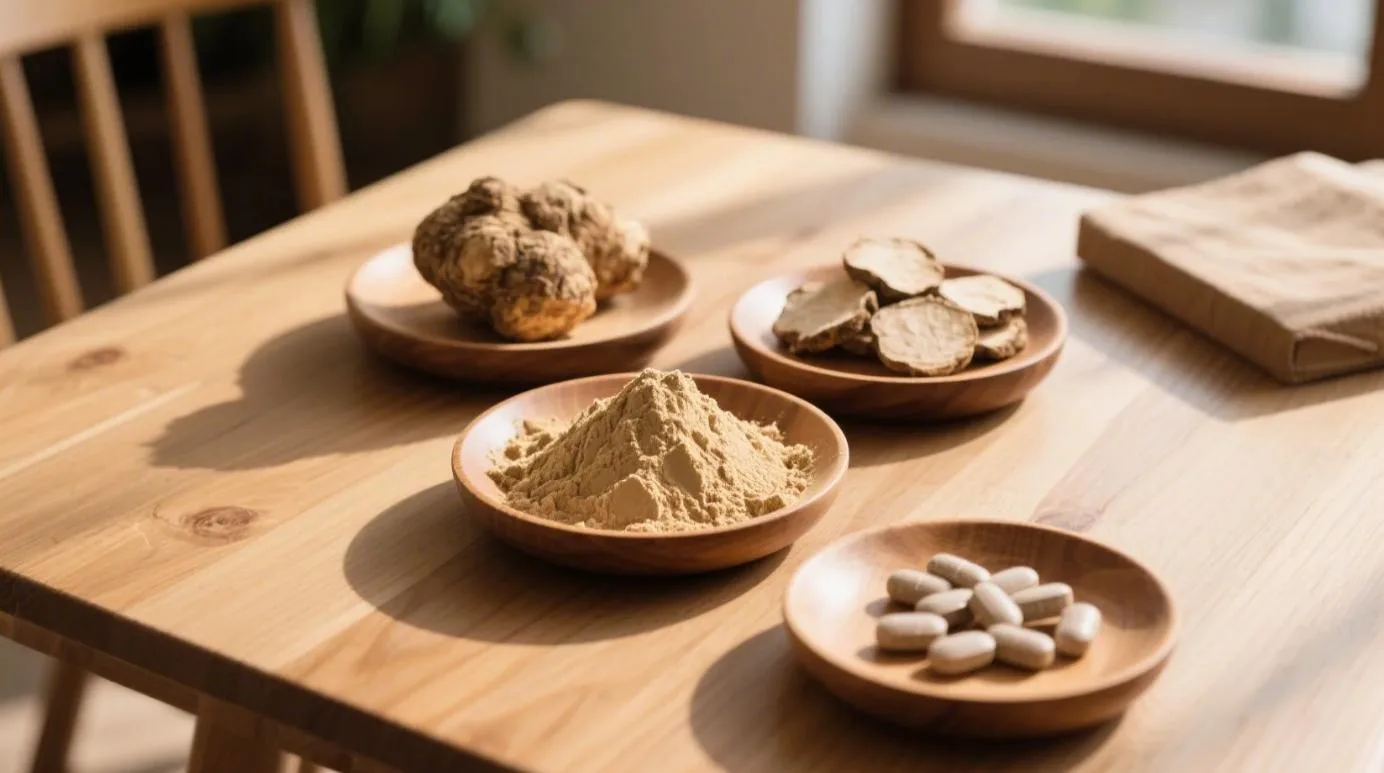
Organic maca—whether as powder, tablets, or extract—is a multifunctional superfood bridging ancestral wisdom and modern science. While its benefits span hormonal balance, cognitive enhancement, and immune resilience, users must prioritize third-party tested products and consult healthcare providers for hormone-sensitive conditions.
As NASA trials maca tablets for 2026 Mars missions, this Andean adaptogen is poised to redefine global wellness. For buyers and brand formulators, the practical path is straightforward: choose certified-organic Peruvian maca with verifiable lab results, match the format—powder, tablet, or concentrated extract—to the intended use case, and introduce it at a modest dose before titrating upward.
Storage matters too: keep maca in a cool, dark, airtight container away from humidity to preserve the delicate macaenes and macamides, and prefer gelatinized powder when digestive comfort is a priority.
Ultimately, maca rewards consistency more than intensity; the most reliable results come from steady daily use over several weeks, supported by balanced nutrition, sleep, and movement.
Suppliers that educate customers on these fundamentals—rather than promising overnight transformation—build the lasting trust that turns a single purchase into a long-term relationship with one of the Andes’ most remarkable botanicals.
Maca’s Safety Profile: What You Need to Know
Maca is generally considered safe for most people when consumed in moderation, and it has a long history of traditional use as a daily food rather than a narrowly targeted pharmaceutical.
Multiple human studies using gelatinized maca powder at typical doses have reported no serious adverse events, which is reassuring for both individual users and companies building maca into functional products.
However, like any supplement or botanical ingredient, overuse or improper dosing can lead to unwanted effects, and a small subset of users with specific health conditions may need to take extra care.
Here’s what to watch for with organic maca products, and why the organic distinction matters when you are thinking about tolerability. Understanding the difference between transient, dose-related discomfort and a genuine contraindication is the first step toward using maca well, whether you are a first-time user, a repeat customer, or a brand formulating a new SKU.
Potential Side Effects of Maca
- Digestive Discomfort: High doses of organic maca powder (rich in fiber) may cause bloating, gas, or stomach cramps, especially when first introduced. Because maca is a starchy root with a meaningful fiber load, the digestive system sometimes needs a short adjustment period, much like it does with other high-fiber foods. Most people find that symptoms ease within a week or two once the gut adapts, and that starting with a smaller scoop and mixing the powder into a meal rather than taking it on an empty stomach reduces the chance of cramps. Choosing gelatinized, cooked maca instead of raw powder can also improve digestibility, since the gelatinization process breaks down starches that would otherwise ferment in the gut. For B2B buyers, offering a clear “start low” note on packaging supports a smoother customer experience and fewer returns.
- Hormonal Sensitivity: Maca is an adaptogen that supports hormone balance, but those with thyroid conditions or hormone-sensitive cancers should consult a doctor before use. Although maca does not contain hormones itself, it appears to act on the hypothalamus-pituitary axis and may influence endocrine activity in sensitive individuals. People managing hypothyroidism, especially when linked to autoimmune thyroiditis, are sometimes advised to monitor their response carefully because of maca’s goitrogenic relatives in the brassica family. Anyone with a history of estrogen-sensitive conditions should treat maca as a “check with your clinician” ingredient rather than a casual daily add-on. For formulators selling into wellness and menopause markets, transparent labeling and a professional-consultation disclaimer protect both the customer and the brand.
- Sleep Disturbances: Overconsumption, particularly of organic maca extract (highly concentrated), may lead to restlessness or insomnia due to its energizing effects. Maca is well known for lifting energy and reducing fatigue, which is a benefit earlier in the day but a drawback if a large dose lands late in the evening. Extracts concentrate the active fraction, so a small measured serving can deliver a stronger stimulatory feel than an equivalent gram of whole powder. Users who notice a racing mind at bedtime usually do well by moving their maca intake to the morning or early afternoon and by capping the dose. Brands can help by recommending a morning routine on the product page and by avoiding “take anytime” messaging that overlooks maca’s natural alertness effect.
- Allergic Reactions: Rare but possible, especially in individuals allergic to cruciferous vegetables (e.g., broccoli, kale). Maca belongs to the Brassicaceae family, the same botanical group as broccoli, cabbage, kale, and mustard, so someone with a documented brassica allergy should approach maca cautiously. True allergic responses appear uncommon in the published literature, but skin rash, itching, or digestive upset after first use should not be ignored. As with any new food ingredient, a small trial amount is sensible for allergy-prone users, and companies should keep traceability records so a suspected reaction can be traced back to lot and source. Clear allergen context on spec sheets is good practice for B2B ingredient supply.
- Blood Pressure Fluctuations: Maca may mildly affect blood pressure. Monitor levels if you have hypertension or hypotension. Some users report a slight energizing or warming sensation that can coincide with minor changes in blood pressure, though clinical data on this effect is limited and often mixed. People already taking antihypertensive or cardiovascular medication should keep an eye on their readings when they begin maca, and should loop in a healthcare provider if anything looks unusual. For most healthy adults the effect is negligible, but the precaution is worth stating plainly because it is cheap to monitor and because responsible guidance builds long-term trust with customers who rely on your product information.
- Interaction with Medications: Limited evidence suggests maca might interact with hormone therapies or antidepressants. While maca is not a drug, its endocrine-modulating activity means it could theoretically amplify or alter the effect of hormone-based treatments, including certain contraceptives, thyroid medication, and selective serotonin reuptake inhibitors. The research here is preliminary rather than conclusive, but the prudent path is simple: anyone on prescription medication, especially long-term medication, should clear maca with their physician first. Formulators and retailers do well to include a brief “consult your healthcare provider if you take medication” line, which is both ethically sound and a practical shield against misuse of the product.
Organic Maca Powder vs. Tablets vs. Extract: Side Effects Compared
| Factor | Organic Maca Powder | Organic Maca Tablets | Organic Maca Extract |
|---|---|---|---|
| Fiber Content | High (may cause bloating) | Moderate (compressed powder) | Low (fiber removed) |
| Concentration | Mild (1–3g per serving) | Standardized dosing | High (potent, fast-acting) |
| Risk of Overuse | Moderate (easy to adjust) | Low (pre-measured) | High (easy to over-consume) |
| Best For | Smoothies, recipes | Convenient daily use | Targeted support |
Why Organic Maca Minimizes Risks
Non-organic maca may contain pesticides or heavy metals from poor soil, and conventional farming in some regions lacks the consistent testing that certified supply chains require.
Choosing certified organic maca products is therefore about more than a label; it is a practical risk-management decision for any brand that cares about batch-to-batch safety.
Organic certification typically requires documented soil health, restricted inputs, and traceable processing, which together lower the odds of contamination reaching the finished product.
- No synthetic chemicals or contaminants, because certified organic cultivation prohibits most synthetic pesticides and fertilizers and backs that up with residue testing.
- Sustainable farming practices that protect Andean soil and water, so the raw material stays clean at the source rather than needing correction downstream.
- Safe processing to preserve nutrients and eliminate toxins, with gelatinization and low-heat drying that reduce antinutrients while keeping the root’s beneficial compounds intact.
How to Use Maca Safely
- Start Low & Slow: Begin with 1 tsp of powder (or 1 tablet) daily, gradually increasing to 3–5g. A gradual ramp gives the digestive system time to adapt and makes it easy to notice any personal sensitivity early, before the dose climbs. Most users tolerate 3–5 grams of gelatinized powder well, but there is no benefit to jumping straight to a high serving, and a slow start turns a potential stomach ache into a non-event. For tablets, the pre-measured format removes guesswork, which is why many brands lead with tablets for first-time buyers who want a predictable routine.
- Time Your Intake: Avoid taking maca late in the day if it disrupts sleep. Because maca is valued for energy and mental clarity, an evening dose can keep some people alert past their usual bedtime. Shifting intake to breakfast or lunch aligns the stimulating effect with daytime activity and keeps nights calm. If a user still feels wired, lowering the dose or switching from extract to a milder powder often resolves the issue without giving up the benefits entirely.
- Cycle Usage: Take breaks (e.g., 5 days on, 2 days off) to prevent tolerance. Cycling is a popular strategy among long-term maca users who notice that a short weekly pause keeps the effect feeling fresh and may reduce the chance of mild adaptation-related dulling. While maca is not known to cause dependence, a simple cycle is an easy, low-cost habit that supports consistent results and gives the body a regular reset.
- Consult a Professional: Especially if pregnant, breastfeeding, or on medications. These life stages and treatment contexts change the risk calculation, and a qualified clinician can weigh maca against personal health history far better than a generic label can. Brands that encourage this conversation build credibility and reduce liability, and customers remember the company that put their wellbeing ahead of a quick sale.
Fresh vs. Organic Maca: Which Is Safer?
- Raw Maca Root: Rarely consumed raw due to potential digestive irritation. Fresh maca is intensely starchy and can be hard on the stomach, and it spoils quickly, which makes it impractical for commercial supply. Traditional Andean preparation almost always involves drying and light cooking, a practice modern gelatinization refines for consistent safety and shelf life.
- Organic Products: Gelatinized (cooked) maca powder/tablets/extract is safer, more digestible, and shelf-stable. The controlled heat step breaks down difficult starches, lowers the risk of cramps, and creates a uniform ingredient that performs reliably in blends, capsules, and functional foods. For B2B buyers, gelatinized organic maca offers the best combination of safety, consistency, and storage practicality.
The Bottom Line
Side effects from organic maca are rare and often linked to overconsumption or pre-existing conditions rather than to the root itself. The weight of traditional use and modern clinical observation points to maca as a well-tolerated ingredient for the great majority of healthy adults, with the few real cautions clustering around hormonal, thyroid, allergy, and medication contexts.
By choosing certified organic products, respecting dosage guidelines, and listening to your body, you can safely enjoy maca’s benefits while keeping any downside small and manageable:
- Enhanced energy and endurance, supported by maca’s traditional use as a fatigue-fighting Andean staple.
- Improved mood and hormonal balance, the adaptogenic quality that draws so many users back.
- Nutrient-rich support (iron, calcium, amino acids), a quiet nutritional bonus behind maca’s functional reputation.
Ready to Harness Maca’s Power Responsibly?
Explore our premium organic maca powder for versatile recipes, organic maca tablets for easy dosing, or organic maca extract for concentrated vitality—all crafted with purity and your wellness in mind.
Every batch is sourced with traceability and processed to keep both safety and potency front of mind, so you can build maca into your routine or your product line with confidence.
Elevate your health naturally, the smart way!
Recommended Products

Fructooligosaccharides
Fructooligosaccharides (FOS) is a prebiotic dietary fiber produced via enzymatic breakdown from cane sugar,…
Maca Extract Powder
Maca—Peru's legendary adaptogen root—offered in two complementary forms: Maca Extract Powder and Maca Powder.
Related Posts


