
Table of Contents
Pomegranates have long been celebrated as a superfood, packed with antioxidants, vitamins, and anti-inflammatory compounds that have drawn the attention of both traditional medicine and modern nutrition science. The fruit itself is ancient: archaeological evidence places domesticated pomegranates in the Caucasus and Persia more than 5,000 years ago, and the tree later spread across the Mediterranean, the Middle East, and the Indian subcontinent, where it became a symbol of fertility, health, and longevity in countless cultures. What makes the pomegranate remarkable from a nutritional standpoint is its unusual density of bioactive plant chemicals. The arils, the jewel-like seeds suspended in translucent pulp, deliver a complex mix of polyphenols, anthocyanins that give the juice its deep red color, vitamin C, vitamin K, folate, and potassium, while the peel and the seed carry their own distinct families of protective compounds. In recent decades, as health-conscious consumers look for convenient alternatives to fresh produce that still deliver meaningful nutrition, products like organic pomegranate juice powder, organic pomegranate powder, and organic pomegranate seed extract powder have moved from niche supplement shelves into mainstream kitchens, smoothie bars, and skincare labs. Each of these formats promises the goodness of the whole fruit in a form that travels well, stores for months, and slips easily into a daily routine. This naturally begs the question: Can powdered pomegranate truly match the benefits of its liquid counterpart, or is something lost when the fruit is dried, milled, and concentrated? To answer that honestly, we need to look at how these powders are made, what they keep, what they change, and how they fit into a real diet. Let’s dive into the science and practicality behind these innovative formats, and separate marketing claims from what the research and the chemistry actually support.
The Nutrient Retention Debate
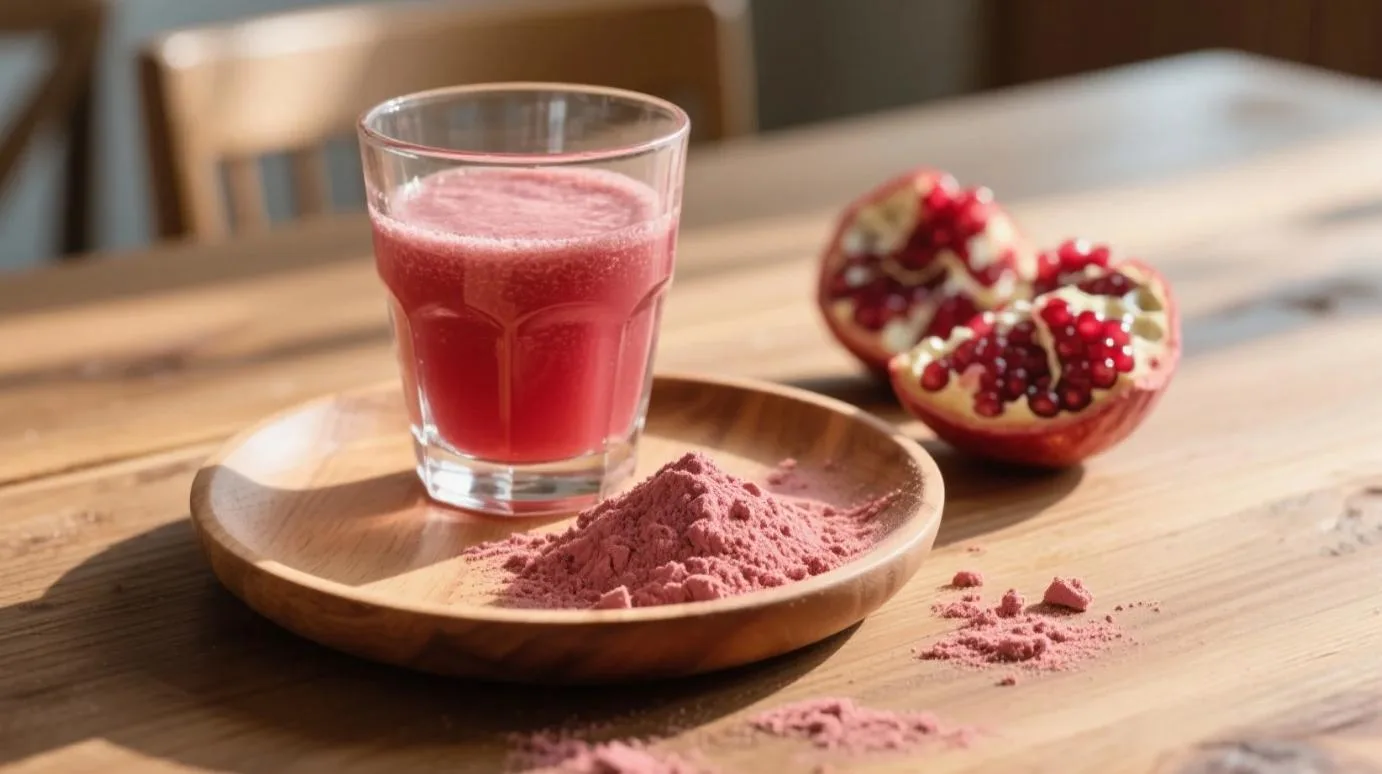
Fresh pomegranate juice is lauded for its high levels of polyphenols, vitamin C, and potassium, and for good reason: a single glass of freshly pressed juice can contain a broad spectrum of these compounds in a form the body recognizes and absorbs readily. Polyphenols such as punicalagins and ellagic acid are the headline act here, because they act as antioxidants that help neutralize free radicals, the unstable molecules that contribute to cellular aging and chronic disease when they accumulate. However, fresh juice has real drawbacks that are easy to overlook in the glow of its reputation. Its short shelf life means it begins to lose vitamin C and volatile aromatics within days of pressing, and its seasonal availability limits access to people who happen to live near where the fruit is harvested or who are willing to pay a premium for imported produce. Enter organic pomegranate juice powder—a dehydrated form of cold-pressed juice that solves the storage problem without abandoning nutrition. The key is the drying method. Advanced drying techniques, particularly low-temperature freeze-drying, remove water by sublimation rather than by heat, which means the delicate polyphenols and vitamins are never exposed to the high temperatures that would degrade them. Well-run freeze-drying preserves up to 90% of the fruit’s nutrients, including ellagic acid and punicalagins, the key antioxidants that give pomegranate much of its reputation. Because the water is gone, the powder is also dramatically more concentrated by weight than juice, so a small scoop can deliver the antioxidant load of a much larger volume of liquid. This makes the powder a potent, shelf-stable alternative for smoothies, teas, or even skincare formulations, where formulators value both the active compounds and the long, stable shelf life that powder provides.
Meanwhile, organic pomegranate powder made from the whole fruit, including peel and arils, offers a broader spectrum of fiber and phytonutrients that juice alone simply cannot match. This distinction matters more than it first appears. When juice is pressed, the vast majority of the peel is left behind, yet the peel is where a large share of the fruit’s tannins, flavonoids, and fiber actually reside. The peel, often discarded in juicing, contains unique compounds like tannins that support gut health and immune function, and these compounds survive the drying and milling process remarkably well. Dietary fiber from the whole fruit also changes how the body handles the powder: it slows the absorption of any natural sugars, feeds beneficial gut bacteria, and contributes to the feeling of fullness that helps with appetite control. For people who care about holistic nutrition rather than a single headline antioxidant number, this whole-fruit powder might edge out juice in terms of dietary fiber and long-term wellness benefits. It is worth being clear about the trade-off, though. Whole-fruit powder has a more astringent, slightly bitter edge from the peel tannins, and it will not dissolve as cleanly as juice powder, so it works best stirred into foods where a little texture is welcome. For those prioritizing holistic nutrition, this powder might edge out juice in terms of dietary fiber and long-term wellness benefits, especially when it is used consistently as part of a varied diet rather than as a one-off health boost.
The Power of the Seed: Organic Pomegranate Seed Extract Powder
If antioxidants are your focus, organic pomegranate seed extract powder steals the spotlight, because it zeroes in on the part of the fruit that fresh juice almost entirely misses. Concentrated from the seeds, this powder is rich in punicic acid—a rare omega-5 fatty acid with proven anti-inflammatory and skin-rejuvenating properties that has attracted serious interest from both nutrition researchers and the cosmetics industry. Punicic acid belongs to the conjugated linolenic acid family, and studies suggest it helps modulate inflammatory pathways in the body while supporting the skin’s barrier function and moisture retention from the inside out. While fresh juice contains minimal seed-derived compounds, because the seeds are strained out during pressing, the extract powder delivers a targeted dose of these potent nutrients that would be almost impossible to obtain from drinking juice alone. That targeted nature is exactly the point: seed extract is not trying to be a stand-in for the whole fruit, but rather a precision tool for people who want the specific benefits of punicic acid and related seed lipids. For that reason it is ideal for supplements or functional foods, where a measured, standardized amount of active compound matters more than the broader but less concentrated nutrition of juice. It is also a good reminder that “powder” is not one single product. Juice powder, whole-fruit powder, and seed extract each occupy a different place on the spectrum between convenience, breadth of nutrition, and concentration of a specific active, and the best choice depends entirely on what you are hoping to accomplish.
Convenience Without Compromise?
Let’s face it: fresh juice requires time, effort, and immediate consumption, and for many busy households that combination is enough to keep pomegranate off the menu entirely. Breaking open a pomegranate, freeing the arils, and pressing them takes more than a few minutes, and once the juice is made it has to be drunk quickly before the nutrients and flavor fade. Powders, on the other hand, are travel-friendly, mess-free, and versatile in a way that fresh fruit rarely is. A teaspoon of organic pomegranate juice powder can instantly upgrade your morning oatmeal, yogurt, or water with a bright fruity note and a measurable antioxidant bump, without the sticky countertops and the rush to finish a perishable bottle. Meanwhile, organic pomegranate powder blends seamlessly into baked goods, homemade energy bars, or salad dressings, where its fiber and tannins add both nutrition and a subtle depth of flavor. Plus, powders eliminate the sugar spikes often linked to store-bought juices, as they are free from the added sweeteners, preservatives, and flavor enhancers that manufacturers sometimes use to make bottled juice more palatable and longer-lasting. Of course, convenience is not the same as superiority. A powder will never replicate the tactile pleasure of fresh arils bursting between your teeth, and anyone choosing powder purely to avoid fruit altogether may miss out on the hydration and satiety that whole food provides. The honest takeaway is that powder and fresh juice are not enemies but complements: the powder earns its place by removing the friction that keeps people from eating pomegranate at all, while fresh fruit remains the gold standard for sensory enjoyment and whole-food synergy.
The Verdict
While nothing replicates the sensory experience of sipping fresh pomegranate juice, modern dehydration technologies ensure that organic pomegranate powders retain most of the fruit’s nutritional prowess—and even enhance it in some cases, precisely because concentration removes water weight and locks in fragile compounds that would otherwise degrade. The evidence is reasonably clear that a well-made freeze-dried juice powder keeps the bulk of its punicalagins and ellagic acid, that a whole-fruit powder preserves fiber and peel tannins the juice leaves behind, and that a seed extract delivers punicic acid in amounts fresh juice simply cannot reach. Whether you choose juice powder for its simplicity, whole fruit powder for fiber, or seed extract for targeted benefits, these formats offer a practical, year-round way to harness pomegranate’s magic without waiting for the harvest season or worrying about spoilage. The most sensible approach is to match the format to the goal: reach for juice or whole-fruit powder as an everyday nutritional foundation, keep seed extract on hand when you want a concentrated active, and still enjoy the occasional fresh fruit or glass of juice when you can. In doing so, you get the reliability and consistency of a shelf-stable product alongside the irreplaceable pleasure and whole-food benefits of the fresh fruit, which is a combination most people can actually sustain over the long run.
Final Thought: In the battle of powder vs. juice, the winner depends on your goals, your schedule, and the kind of consistency you can realistically maintain. For daily antioxidants and convenience, powders shine, because they remove the excuses and the spoilage that keep fresh pomegranate out of reach on busy weekdays. For occasional indulgence and the full sensory ritual of the fruit, nothing beats a glass of fresh juice or a bowl of bright arils. Rather than treating the choice as either-or, the smarter move is to let each format do what it does best and build both into a flexible routine. Why not embrace both? Keep a jar of powder in the pantry for the mornings that need a quick nutrient boost, and save fresh pomegranate for the moments when you can slow down and savor it. That balance captures the genuine value of this remarkable fruit without forcing a false trade-off between nature and convenience.
Recommended Products

Pomegranate Seed Extract Powder
Standardized to Ellagic Acid ≥20%–40%, it delivers concentrated Punicalagins, Ellagitannins, and Omega-5 Punicic Acid…

Pomegranate Powder
Pomegranate is naturally rich in polyphenol antioxidants. Both formats are 100% fruit with no…
Related Posts


