
Table of Contents
Pomegranates are celebrated for their antioxidant-rich arils and heart-healthy benefits, and in recent years their concentrated forms have surged in popularity among health-conscious consumers, athletes, and anyone seeking a nutrient-dense boost. But for those watching their glucose levels—whether managing prediabetes, type 2 diabetes, metabolic syndrome, or simply aiming to avoid energy crashes—a critical question arises: Can organic pomegranate powder or organic pomegranate juice powder spike blood sugar? This is far from a trivial concern. With blood sugar stability linked to weight management, mood, focus, and long-term cardiovascular health, understanding exactly how a fruit-derived powder behaves in the body matters. The answer is nuanced: pomegranate in powdered form is not the same as drinking a glass of fruit juice, and the difference comes down to fiber, processing method, and how you pair it with other foods. Let’s dive into the science and separate myth from fact so you can make confident, informed choices.
The Short Answer
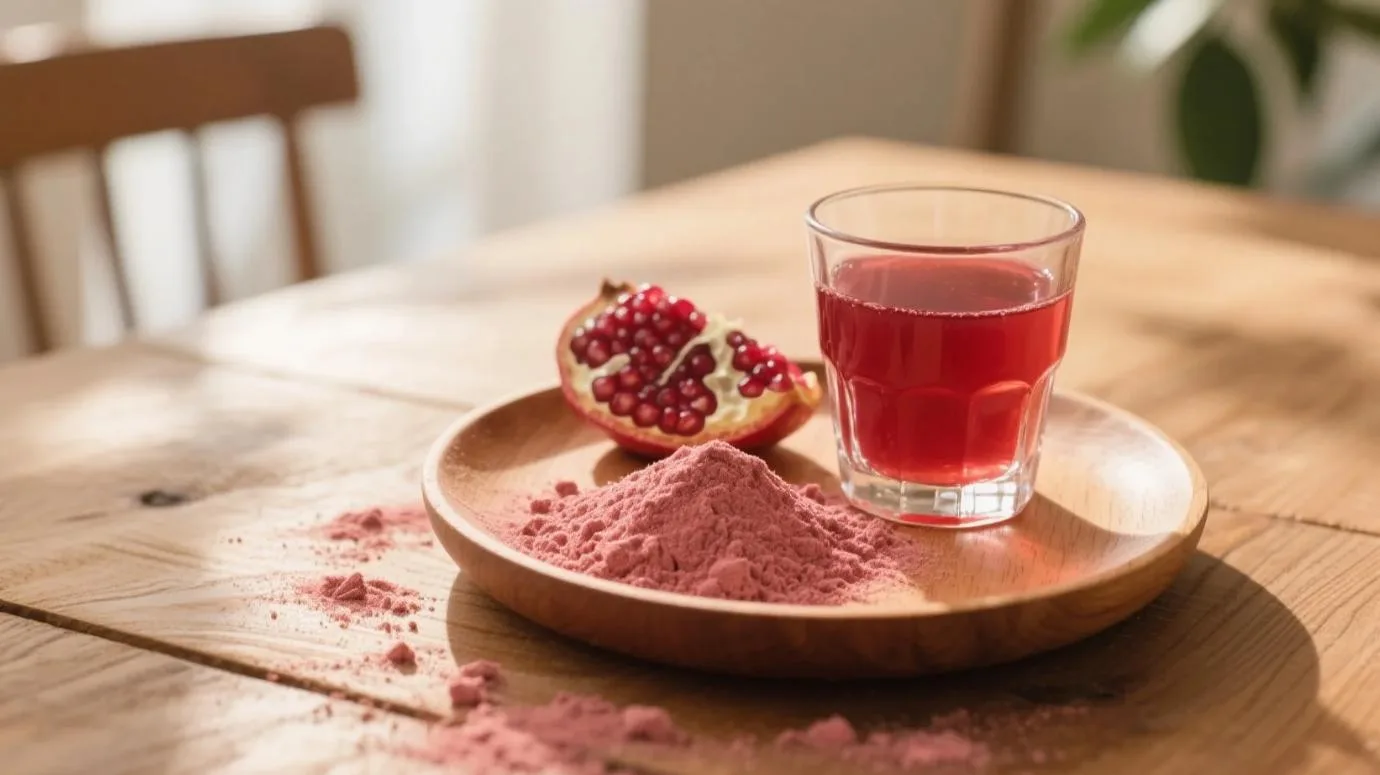
When consumed in moderation, organic pomegranate powder is unlikely to cause significant blood sugar spikes—thanks to its fiber content and low glycemic impact. However, results vary based on the product type and individual health. Here’s what you need to know. The whole-fruit powder, which is milled from the entire pomegranate including the peel, seed, and aril, retains a meaningful amount of dietary fiber. Fiber is the single most important factor in blunting a glucose response, because it forms a gel-like matrix in the digestive tract that slows the breakdown of carbohydrates into simple sugars and their subsequent absorption into the bloodstream. By contrast, a juice powder made only from pressed aril juice contains almost no fiber, so its natural sugars reach the bloodstream more quickly. This is why the distinction between “powder” and “juice powder” is not marketing hair-splitting—it is the central variable in whether your blood sugar stays steady. For most healthy adults, a measured teaspoon or two blended into a meal will produce only a gentle, gradual rise rather than a sharp spike. For people with diabetes or insulin resistance, the same portion can still be enjoyed, but it should be treated as a carbohydrate contribution and tracked accordingly, ideally alongside protein, fat, or additional fiber to flatten the curve further.
Why Pomegranate Powder? Key Factors to Consider
- Fiber vs. Sugar Balance: Whole pomegranates contain natural sugars (fructose), but they’re bundled with fiber, which slows sugar absorption. A medium fresh pomegranate delivers roughly 39 grams of carbohydrate, of which about 7 grams are fiber and the remainder are naturally occurring fruit sugars. That fiber is what makes eating the whole fruit so different from drinking juice. Organic pomegranate powder (made from the whole fruit, including peel and seeds) retains this fiber, because the peel and seed matrix survive the low-temperature drying and milling process. In fact, much of pomegranate’s fiber actually lives in the peel and the white pith, which is precisely the part discarded when only juice is extracted. Meanwhile, organic pomegranate juice powder (made from pressed juice) has less fiber and higher sugar concentration, since juicing separates the liquid from the pulp and leaves most of the insoluble fiber behind. The practical takeaway: if steady glucose is your priority, whole-fruit powder is the better tool, while juice powder is best reserved for recipes where flavor and color matter more than fiber.
- Glycemic Index (GI): Pomegranate has a low GI (around 18–35), meaning it raises blood sugar gradually. The glycemic index is a 0–100 scale that ranks how quickly a 50-gram carbohydrate portion of a food elevates blood glucose compared with pure glucose, which is set at 100. Whole pomegranate arils typically land in the high teens to mid-thirties, placing them firmly in the “low” category alongside lentils, chickpeas, and most non-starchy vegetables. Powdered forms may have a slightly higher GI due to processing—drying and grinding rupture cell walls and can make sugars a touch more accessible—but they remain a far safer choice compared to refined sugars, which sit near 65–100, or fruit juices, which routinely exceed 50 because the fiber has been removed. In other words, even the juice powder is unlikely to behave like a spoonful of table sugar in your body, provided you keep portions reasonable.
- Antioxidant Power: Pomegranates are rich in polyphenols, which studies suggest may improve insulin sensitivity and reduce inflammation linked to diabetes. The fruit is especially concentrated in punicalagins and ellagic acid—unique compounds found in high density in the peel—alongside the more familiar anthocyanins that give the arils their ruby color. A growing body of research indicates that these polyphenols can activate signaling pathways involved in glucose uptake, dampen oxidative stress in pancreatic beta cells, and ease the low-grade inflammation that drives insulin resistance. This means the powder is not merely “not harmful” to blood sugar; it may actively support the metabolic environment that keeps glucose regulated. The whole-fruit powder, again, captures more of these peel-derived compounds than juice powder does.
Organic Pomegranate Powder vs. Juice Powder: Blood Sugar Impact
| Factor | Organic Pomegranate Powder | Organic Pomegranate Juice Powder |
|---|---|---|
| Made From | Whole fruit (peel, seeds, arils) | Juice extracted from arils |
| Fiber Content | High (slows sugar absorption) | Low (fiber removed during juicing) |
| Sugar per Serving | ~3–5g (naturally occurring) | ~6–8g (more concentrated) |
| Best For | Smoothies, oatmeal, baking | Beverages, dressings, instant mixes |
Science-Backed Insights
- A 2020 study found that pomegranate extract improved blood sugar control in diabetic mice by enhancing insulin secretion. In that investigation, animals supplemented with pomegranate-derived polyphenols showed improved pancreatic beta-cell function and a measurable drop in fasting glucose, pointing to a protective effect on the very cells that produce insulin. While mouse physiology is not identical to human physiology, the mechanism—reduced oxidative damage to beta cells and improved insulin output—aligns with multiple earlier trials and strengthens the case that pomegranate compounds work upstream of blood sugar, not just at the moment of digestion.
- Human trials show that pomegranate polyphenols may reduce post-meal glucose spikes when paired with high-carb foods. Several small clinical studies have asked participants to consume pomegranate juice or extract alongside a carbohydrate-heavy meal and then tracked their glucose for two hours afterward. The recurring pattern is a lower peak and a quicker return to baseline compared with the same meal eaten alone. Researchers attribute this to delayed gastric emptying and improved cellular glucose uptake driven by the fruit’s ellagitannins. The implication for powder users is clear: stir your pomegranate powder into a carb-containing meal rather than consuming it on an empty stomach, and you are likely to blunt the spike further.
Who Should Be Cautious?
- Diabetics: Monitor portions—stick to 1–2 tsp of powder daily and pair with protein or healthy fats. Because individual glucose responses vary widely, anyone using insulin or oral hypoglycemic medication should check their blood sugar after first introducing the powder, and should treat a teaspoon as roughly a quarter to a third of a fruit’s worth of carbohydrate. Pairing it with Greek yogurt, nuts, or seeds turns a potential spike into a gentle slope. If you notice unexpected lows when combined with medication, consult your healthcare provider before continuing.
- Low-Carb Dieters: Opt for organic pomegranate powder over juice powder to maximize fiber and minimize net carbs. On a ketogenic or very-low-carb plan, even natural fruit sugars count, so the fiber advantage of whole-fruit powder becomes decisive: fiber is subtracted from total carbohydrate to calculate net carbs, and the peel-rich powder delivers more of it per gram. Juice powder, with its stripped fiber and condensed sugar, can quietly push you over a daily carb threshold, whereas a measured sprinkle of whole-fruit powder is far easier to fit into a strict macro budget.
Why Organic Matters
Non-organic pomegranate products may contain added sugars or preservatives that worsen blood sugar responses. Certified organic powders ensure a cleaner metabolic profile, because organic certification prohibits the addition of refined sugars, artificial sweeteners, and many synthetic stabilizers during processing. Conventional fruit powders are sometimes cut with maltodextrin or dextrose to improve flow and shelf life, and those fillers can carry a high glycemic load that defeats the purpose entirely. Choosing certified organic is therefore not only a question of pesticide residue—it is a direct safeguard for glucose stability.
√ No added sugars or synthetic additives
√ Higher polyphenol content (due to nutrient-dense farming)
√ Purer, safer ingredients
Organic certification also tends to correlate with gentler drying methods that preserve heat-sensitive antioxidants, so you get more of the compounds that actually support insulin sensitivity. When a product is certified organic and made from the whole fruit, you can trust that what is on the label is what is in the tub—no hidden carbohydrates working against your health goals.
How to Use Pomegranate Powder Without Spiking Glucose
- Mix into Yogurt or Oatmeal: Pair with Greek yogurt (high protein) or chia seeds (high fiber). The protein in Greek yogurt slows digestion, while chia forms a viscous gel that further traps sugars, creating a triple-blunt effect when combined with the powder’s own fiber. A tablespoon of powder in a bowl of unsweetened yogurt makes a balanced breakfast that releases energy slowly.
- Blend into Smoothies: Add spinach, avocado, or nut butter to balance carbs. Healthy fats from avocado and nut butter blunt the glycemic response, and the leafy greens contribute additional fiber with virtually no sugar, so the overall drink behaves nothing like a fruit-only juice.
- Sprinkle on Salads: Enhance dressings with a pinch of powder for tangy flavor. Tossed with olive-oil-based vinaigrette and leafy greens, the powder becomes a condiment rather than a carbohydrate load, delivering color and polyphenols with negligible glucose impact.
- Bake Smartly: Replace refined sugar in muffins with pomegranate powder (adjust sweetness sparingly). Because the powder brings its own mild sweetness plus fiber, you can cut a recipe’s white sugar substantially, lowering the finished product’s glycemic load while adding antioxidants—just account for the added moisture and reduce liquids slightly.
The Verdict
For most people, organic pomegranate powder is a blood sugar-friendly superfood when used mindfully. Its fiber and antioxidants offset its natural sugars, making it a safer alternative to sugary snacks or juices. However, those with diabetes should consult a healthcare provider and prioritize whole-fruit powders over juice-based options. The evidence consistently points in one direction: the powder is not a free pass to ignore portions, but it is also nowhere near the metabolic threat that refined sugar or even fruit juice represents. The whole-fruit version, with its peel-derived fiber and polyphenols intact, is the standout choice for anyone serious about glucose stability. Think of it as a condiment and nutrient booster rather than a sweetener, keep servings to a teaspoon or two, and always anchor it to a meal that contains protein or fat. Done this way, pomegranate powder becomes a genuinely useful ally—delivering heart-protective compounds, anti-inflammatory polyphenols, and a pleasant tartness without the rollercoaster of a blood sugar spike.
Ready to Harness Pomegranate’s Benefits?
Explore our organic pomegranate powder for balanced nutrition or organic pomegranate juice powder for vibrant flavor—both crafted to support your wellness journey without compromising your health goals. Whether you are blending a post-workout smoothie, stirring antioxidants into your morning oats, or developing a cleaner label for a food product, our certified-organic powders give you the traceability and purity you need. Choose the whole-fruit powder when fiber and steady glucose are the priority, or reach for the juice powder when you want intense color and tang in a beverage or dressing. Either way, you are working with a fruit celebrated for millennia—now concentrated, convenient, and ready to fit a modern, health-aware lifestyle.
Recommended Products

Pomegranate Powder
Pomegranate is naturally rich in polyphenol antioxidants. Both formats are 100% fruit with no…
Related Posts


