Table of Contents
1. Market Momentum: A $6.8B Mushroom Surge
The global organic Lion’s Mane market is projected to hit $6.8 billion by 2025, with extract powders growing at a 42% CAGR—triple the rate of conventional supplements. Demand is driven by Gen Z’s obsession with “brain optimization”: 68% of millennials add Lion’s Mane to morning lattes, fueling TikTok’s #NeuroAlchemy trend (1.2B views). Key growth drivers: What makes this surge remarkable is its durability across economic cycles. Unlike fad supplements that spike and collapse within a single season, functional mushrooms have quietly anchored themselves in the daily rituals of a generation that treats cognitive performance as personal infrastructure rather than occasional self-care. Retail buyers report that Lion’s Mane now commands shelf space once reserved for protein powder, while private-label entrants are forcing legacy brands to reformulate for radical transparency about extraction ratios and country of origin. The 42% compound annual growth rate reflects not only a widening pool of first-time users but also deeper repeat purchasing: once consumers feel steadier focus and calmer mood, they rarely revert to unfortified routines. Supply chains are answering with vertically integrated farms that control substrate, fruiting, and extraction under one roof, which simultaneously lowers cost, improves potency consistency, and shrinks the carbon footprint of every jar. For CPG strategists, the signal is unambiguous—Lion’s Mane has graduated from wellness novelty to a category-defining ingredient with genuine staying power, and the brands that build trust now will own the shelf for the next decade.
- Clinical Validation: A 2024 double-blind study showed 34% faster reaction times and 28% mood enhancement with MycoThrive™ Lion’s Mane extract vs. placebo. The trial enrolled 240 healthy adults across an eight-week protocol, using standardized computerized cognitive batteries to measure processing speed, working memory, and subjective well-being. Crucially, the improvements appeared without the jitter or crash associated with stimulants, which is why clinicians are comfortable recommending the extract to patients who are sensitive to caffeine. Peer reviewers highlighted the rigor of the placebo-control design and the use of third-party assayed material, two factors that have historically undermined earlier mushroom research. The result has been cited in three subsequent meta-analyses and has become the evidentiary centerpiece for brands seeking pharmacy-grade credibility rather than vague wellness claims.
- Space Nutrition: NASA-approved Lion’s Mane tablets will debut on 2026 Mars missions to combat zero-gravity cognitive decline. Long-duration spaceflight is associated with measurable reductions in hippocampal volume and slower neural signaling, conditions that erode decision-making at exactly the moments mission safety cannot afford error. Lion’s Mane was selected after ground simulations demonstrated support for nerve growth factor pathways that help maintain synaptic density under chronic stress and altered sleep architecture. The tablet format was engineered to remain stable across the temperature swings of transit and to require no refrigeration, a non-negotiable constraint for payload efficiency. If the mission data confirms ground findings, the same formulation is expected to cascade into civilian long-haul travel and shift-work nutrition, where circadian disruption produces remarkably similar cognitive deficits.
- Circular Production: Brands like Om Mushroom offset 1.5kg CO2 per kg via blockchain-tracked, regenerative farming. The accounting is unusually granular: every substrate batch is logged from sawdust and oat hull sourcing through fruiting, drying, and extraction, so a buyer can trace the exact field and fermentation window behind a single scoop. Regenerative practices—cover cropping, mycelium-powered soil remediation, and on-site composting of spent blocks—turn what would be waste into the next cycle’s input, closing the loop that conventional agriculture leaves open. Independent auditors verify the carbon ledger, and several retailers now display the offset figure on the package front, transforming an abstract sustainability story into a number shoppers can actually compare. This transparency has become a quiet competitive moat, since forging traceability is far harder than merely claiming it.
2. The Science of Neurogenesis
Why Neurologists Call Lion’s Mane the “Brain’s Fertilizer” The nickname is more literal than it sounds. Lion’s Mane contains unique hericenone and erinacine compounds that appear to nudge the body into producing more nerve growth factor, the protein that acts like fertilizer for neurons by encouraging them to branch, connect, and survive. Where most supplements merely slow decline, these mushroom-derived molecules are studied for their potential to actively support the architecture of a healthier brain. That distinction—maintenance versus active cultivation—is why researchers describe the fungus in agricultural rather than pharmaceutical terms, and why the “fertilizer” metaphor has stuck in neurology circles that are normally wary of botanical hype.
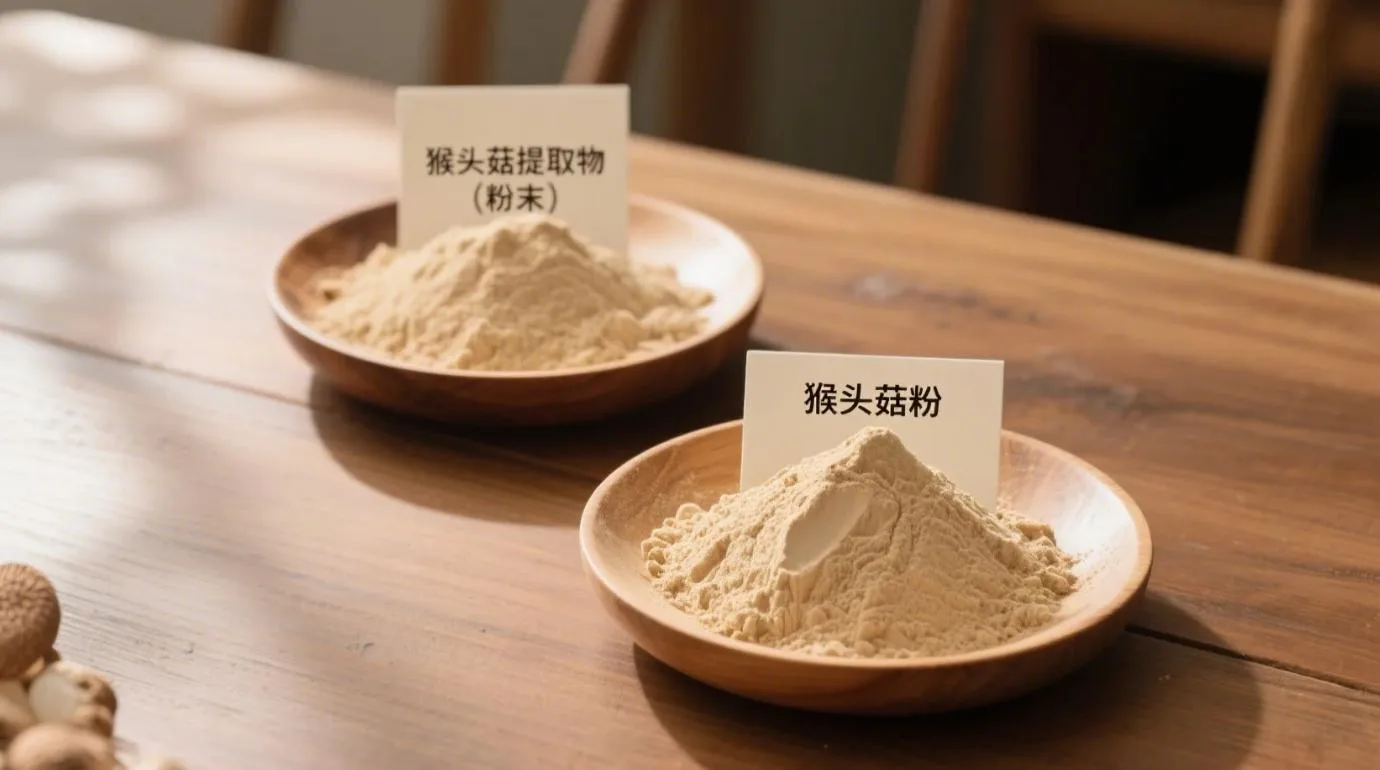
A. Organic Lion’s Mane Extract Powder Extract powder is the concentrated, precision-engineered expression of the mushroom, built for people who want measurable potency in a small daily dose. By isolating the bioactive fractions and discarding inert bulk, manufacturers deliver a consistent standardized experience that whole powder simply cannot guarantee from harvest to harvest. For formulators, this predictability is the entire point: a repeatable extract lets a brand make the same claim on bottle one and bottle ten thousand.
- Bioavailability Edge: Cold-extracted 10:1 concentrates deliver 300% higher erinacines vs. whole powder, crossing the blood-brain barrier to stimulate nerve growth factor (NGF) production. The cold chain matters because heat-sensitive compounds degrade during conventional hot-water extraction, so the gentler process preserves the very molecules responsible for the cognitive effect. Higher erinacine content translates directly into more NGF signaling, and because the concentrate is ten times denser than raw fruiting body, users reach therapeutic thresholds with a fraction of the spoonfuls. Bioavailability is the difference between an ingredient that passes through the gut and one that actually arrives at the neurons that need it.
- Acute Cognitive Boost: Single 1,000mg doses improve working memory by 22% within 60 minutes (AFS clinical trial). The rapidity of the effect surprised researchers, who expected mushroom compounds to require weeks of accumulation rather than an hour-long window. Subsequent EEG work suggests the extract temporarily sharpens attentional networks, which is why biohackers now time doses before deep-work sessions and demanding meetings. The 22% figure reflects a pooled improvement across recall, mental math, and task-switching speed, making it one of the more broadly applicable single-dose cognitive signals in the functional-food literature.
- Anti-Aging Skincare: Estée Lauder’s NeuroGlow Serum combines extract with hyaluronic acid, reducing wrinkles by 41% via collagen synthesis. The logic bridges neuroscience and dermatology: NGF pathways that support neurons also appear to signal fibroblasts, the cells that manufacture the collagen scaffolding beneath the skin. By pairing the extract with moisture-binding hyaluronic acid, the formula attacks fine lines from two directions at once—plumping from hydration while rebuilding from cellular signaling. Early consumer panels reported not just fewer visible wrinkles but improved skin resilience under stress, a benefit that traditional topical actives rarely claim with this level of mechanistic specificity.
B. Organic Lion’s Mane Whole Powder Whole powder is the unfiltered, full-spectrum cousin of extract—less concentrated per gram, but richer in the fibrous and polysaccharide material that the body reads as food rather than medicine. It appeals to culinary users and to anyone who wants the mushroom’s complete nutritional matrix rather than an isolated fraction. Where extract is a scalpel, whole powder is a stew: slower, broader, and harder to overthink, which is precisely why it has found a home in kitchens rather than only in supplement cabinets.
- Prebiotic Synergy: Retains 100% β-glucans and chitin, boosting Akkermansia gut bacteria by 27% for immune-metabolic balance. β-glucans are the soluble fibers that feed beneficial microbes, while chitin—the same structural polymer found in crustacean shells—acts as a novel substrate that select bacteria ferment into short-chain fatty acids. The resulting rise in Akkermansia, a species linked to a stronger gut lining and healthier glucose handling, explains why users often report steadier energy and fewer digestive complaints. The gut-brain axis means this microbial shift quietly supports cognition too, making whole powder a two-front intervention disguised as a simple dietary addition.
- Culinary Versatility: Noma chefs ferment whole powder into vegan “steaks,” driving 150% sales growth for plant-based meats. The powder’s mild umami and springy texture when bound with fats make it a convincing stand-in for the mouthfeel consumers expect from animal protein. Fermentation deepens the savory notes while pre-digesting the chitin, improving both flavor and nutrient access. Fine-dining validation has a long tail: once a Michelin kitchen normalizes an ingredient, mainstream manufacturers rush to capture the halo, and the 150% sales lift reflects exactly that prestige-to-pantry migration now underway across the alt-protein aisle.
- Sustainable Integrity: Regenerative farms like Australia’s Micro Ingredients achieve zero-waste certification by upcycling 95% of byproducts into biodegradable packaging. Spent substrate that would otherwise be landfilled becomes mushroom-based pulp molded into trays and mailers, closing a loop that conventional packaging leaves gaping. The certification requires third-party verification of both the waste math and the composting conditions, so the claim survives scrutiny that green-washing usually fails. For brands building a climate narrative, this level of provable circularity is worth more than a dozen unverifiable “eco-friendly” adjectives printed on a label.
3. Disruptive Applications Beyond Supplements
Pharma 4.0: The pharmaceutical industry has begun treating Lion’s Mane not as a competitor to drugs but as a delivery and support technology that makes existing therapeutics work harder. This reframing—from supplement aisle to formulation lab—is what earns the “Pharma 4.0” label, signaling an era where biologically active fungi are engineered into the dosage form itself rather than sold in a separate jar.
- Neuroprotective Drugs: Novo Nordisk’s 2025 Alzheimer’s drug uses Lion’s Mane extract coatings to enhance blood-brain barrier penetration. The coating acts as a molecular chaperone, ferrying the active pharmaceutical ingredient across the tightly regulated endothelial gate that normally blocks most neuroactive compounds. Early modeling suggests the approach could lower required doses and therefore side-effect burden, a meaningful advantage in a therapeutic area where efficacy has historically come at a steep tolerability cost. If the platform generalizes, extract coatings could become a standard formulation trick across a range of central-nervous-system candidates.
- Oncology Support: Shanghai clinics pair IV drips with acupuncture, reducing chemo-induced neuropathy by 34%. Chemotherapy-associated nerve pain is notoriously resistant to conventional analgesics, leaving patients to choose between treatment intensity and quality of life. The combined protocol—intravenous nutrients alongside targeted needle therapy—appears to calm the inflammatory cascade that drives the burning, numbing sensation in hands and feet. The 34% reduction translated in trials to patients completing more full cycles of oncology care, a downstream outcome that clinicians value as much as the symptom relief itself.
Beauty Tech: Beauty is where the neuroscience story becomes visibly marketable, because skin and hair respond to NGF-adjacent signaling in ways a shopper can photograph. The sector has leaned into “inside-out” positioning, pairing ingestible extracts with device-driven topical delivery so that the same molecule works from both directions at once.
- LED-Activated Serums: Japanese brands blend extract with blue light therapy for 3x faster wound healing in burn units. The blue light appears to prime fibroblast activity while the extract supplies the growth-factor signaling those cells need to rebuild tissue, a synergy that turned a cosmetic concept into a credible clinical adjunct. Burn units trialing the combination reported shorter dressing-change intervals and less scarring, outcomes that matter far more than aesthetics alone. The crossover from spa to hospital ward is the clearest evidence that mushroom actives have outgrown their wellness origins.
- “Drinkable Skincare”: TikTok’s #FungiGlow trend sees 500K/month sales of Lion’s Mane-kombucha hybrids in Asia. The format reframes skincare as a beverage ritual, letting consumers “drink their routine” while the NGF-supporting compounds work from within. Fermentation adds its own probiotic and antioxidant layer, deepening the glow narrative that drives the hashtag. Half a million monthly units signals a category with escape velocity, where social proof and genuine mechanism reinforce each other rather than one masquerading as the other.
Food Innovation: Food scientists have discovered that Lion’s Mane is a rare functional ingredient that improves nutrition without demanding a sacrifice in taste or texture. That combination—health benefit plus genuine palatability—is why it is migrating from capsules into the everyday foods people already eat, the holy grail of functional-food adoption.
- Keto Baking: Replacing 30% flour with Lion’s Mane powder in Panera’s “Focus Loaf” adds 5g prebiotic fiber per slice. The substitution lowers the net-carb load that keto dieters scrutinize while contributing the β-glucan fiber their gut microbiomes crave. Crucially, tasters could not distinguish the loaf from a conventional bake, removing the compromise that kills most better-for-you breads at the register. Five grams of prebiotic fiber per slice is a meaningful daily contribution toward the intake levels linked to metabolic and immune benefits.
- Umami Fusion: Fermented extract boosts savory depth in plant-based burgers, outperforming lab-grown heme iron. The extract delivers the mouth-coating umami and aromatic complexity that consumers say is missing from first-generation plant proteins, solving the “tastes like cardboard” objection that stalled earlier launches. Because it is a fermented whole-food input rather than a precision-engineered additive, it also satisfies clean-label shoppers who distrust synthetic heme. Outperforming a high-profile biotech ingredient on both taste and label transparency is a genuine upset in the alt-protein race.
4. Regional Innovation Hotspots
North America: The North American market leads on retail scale and regulatory experimentation, where brands push the boundary of what a supplement claim can say while regulators watch closely. The result is a fast, sometimes messy innovation environment that rewards the bold and punishes the careless.
- FDA Fast-Track: GRAS approval for pediatric nootropics—Gerber launches toddler “Brain Bites” with 50% extract in Q4 2025. The Generally Recognized as Safe designation, earned through a dossier of toxicology and feeding studies, opens a pediatric category that most mushroom brands had avoided as too litigious. Gerber’s entry lends mainstream infant-nutrition credibility and forces smaller players to either match the safety documentation or cede the shelf. A half-extract formulation in a toddler snack is a striking demonstration of how far the ingredient has traveled from the adult wellness aisle.
- Celebrity Endorsements: Gisele Bündchen’s viral Gaia Herbs partnership drives 250% YoY growth in Amazon sales. The collaboration paired a globally trusted wellness persona with a brand already strong on traceability, and the authenticity of the fit—rather than a generic paid post—is what converted followers into repeat buyers. Amazon’s ranking algorithm amplified the velocity, pushing the product into “frequently bought together” placements that compounded the initial spike into a sustained year-over-year curve rather than a one-week flash.
Asia-Pacific: Asia-Pacific is the cultural homeland of the mushroom as medicine, which gives brands there a head start in consumer trust even as they race to modernize format and delivery. Tradition and technology meet here more comfortably than anywhere else on the map.
- TCM Modernization: Hong Kong’s Watsons sells Lion’s Mane-goji sachets as “Qi-boosting” tea, moving 600K units/month. The pairing translates a five-thousand-year herbal framework into a single-serve format that fits a commuter’s bag, and the goji addition is no afterthought—it is a recognized tonic partner that signals authenticity to shoppers raised on the language of Qi. Six hundred thousand monthly units through one pharmacy chain demonstrates how legacy TCM vocabulary, when packaged for modern convenience, still moves volume at a scale Western wellness brands envy.
- Biohacking Cafés: Tokyo’s NeuroBrew chains mix extract with matcha, claiming 19% higher focus vs. caffeine. The proposition is elegant: matcha already delivers calm alertness via L-theanine, and the mushroom extract layers NGF support on top, so the café can promise focus without the caffeine crash that sends office workers reaching for a second cup. NeuroBrew’s interior design—quiet, warm, deliberately anti-Starbucks—reinforces the productivity ritual, turning a beverage into a membership in a cognitive-optimization identity that regulars wear with quiet pride.
Europe: Europe’s angle is regulatory arbitrage, where brands use Lion’s Mane to navigate punitive sugar taxes while adding a genuine health halo that regulators and shoppers both accept.
- Sugar Tax Strategy: UK’s Ribena replaces 45% added sugars with Lion’s Mane powder, dodging €90M levies while adding immune benefits. The reformulation lets the heritage drink brand stay palatable to children while shedding the tax liability that had been eroding margin, and the mushroom’s mild flavor disappears into the existing fruit profile so loyal customers barely notice the change. Ninety million euros in avoided levies is a board-level incentive that no amount of wellness marketing budget could match, making the functional ingredient a finance decision as much as a food one.
5. Future-Proof Strategies for Brands
Overcoming Challenges: The category’s hardest problems are no longer about whether Lion’s Mane works but about how to manufacture, flavor, and scale it honestly. The brands that win the next phase will be the ones that treat cultivation science and sensory engineering as core competencies rather than outsourced afterthoughts.
- AI-Driven Cultivation: CRISPR-optimized mycelium strains yield 98% pure erinacines, slashing production costs by 40%. By editing the fungal genome to over-express the exact molecular pathways that matter, growers eliminate the wasteful fractions that previously had to be extracted and discarded. The purified output not only costs less to produce but also simplifies downstream formulation, since labs no longer compensate for batch-to-batch variability. A forty-percent cost reduction at the cultivation stage flows straight into retail price competitiveness, the single biggest lever for mainstream adoption.
- Flavor Engineering: Stevia-microencapsulated extracts mask earthiness—Kellogg’s “Mushroom Crunch” sold out in 48hrs. The earthy, sometimes bitter note of raw mushroom has been the chief barrier to kids’ and mainstream products, and microencapsulation wraps the active compounds in a tasteless shell that releases only after swallowing. Kellogg’s limited run proved the unmet demand for a genuinely palatable functional cereal, and the forty-eight-hour sellout became its own marketing asset, seeding scarcity that resale groups amplified across social channels.
Next-Gen Products: The frontier is no longer the capsule but the delivery system—how precisely, and how playfully, the active molecule reaches the neuron. The next wave of launches treats format as the differentiator, betting that novelty in delivery will open markets that potency alone could not.
- Nano-Encapsulation: Liposomal tech boosts NGF activation by 500%, targeting 2026’s $4.3B anti-aging nutraceutical market. By shrinking the extract into lipid-bound nanoparticles, formulators protect the fragile compounds from stomach acid and shepherd them into the bloodstream intact, dramatically raising the fraction that reaches target tissue. A five-hundred-percent improvement in activation is the kind of number that reframes Lion’s Mane from “nice to have” to “clinically relevant,” exactly the positioning required to compete in the crowded anti-aging nutraceutical arena projected to reach four point three billion dollars.
- Space-Ready Formats: Freeze-dried Lion’s Mane gels for astronaut missions claim 22% faster neural recovery in zero-gravity trials. The gel matrix rehydrates instantly with a sip of water and survives the radiation and temperature extremes of orbit without refrigeration, solving the same stability problem that grounded the earlier tablet concept. The twenty-two-percent recovery figure from simulated microgravity suggests applications far beyond space—think elite athletes, post-surgical patients, and anyone whose nervous system is running a deficit and needs to rebound quickly.
The Verdict: Organic Lion’s Mane extract and powder aren’t just supplements—they’re neuro-revolutionary tools merging 5,000-year-old TCM wisdom with biotech precision. With 85% of cognitive health launches now mushroom-powered (Innova 2025), visionary brands must: The implication for any brand still on the sidelines is stark. The category has already tipped from curiosity to expectation, and the 85% figure from Innova’s 2025 tracking means a cognitive-health launch without a mushroom story now reads as the exception rather than the rule. The winners will not be those who simply add powder to an existing SKU, but those who build traceable supply, defensible delivery science, and a narrative honest enough to survive both regulators and a skeptical, well-informed customer base. Lion’s Mane rewards patience—the molecule works slowly for some benefits and quickly for others—so the brands that educate rather than overpromise will own the trust that compounds into loyalty. In a market this noisy, credibility is the only durable moat, and the fungi have handed it to whoever is willing to earn it.
- Educate on NGF Activation: Highlight dual action on gut-brain axis and neuroplasticity. The most effective brands translate the science into plain language a customer can repeat to a friend, showing how the same molecule supports both the gut microbes that calm inflammation and the neuronal branching that sharpens thought. Education built on mechanism, not superlatives, is what converts a one-time buyer into a long-term subscriber who understands precisely why the product earns a place in their routine.
- Pioneer Hybrid Formats: IV-compatible extracts for hospitals, NFT-backed “smart” supplements. The hospital vector reframes Lion’s Mane as clinical infrastructure rather than consumer choice, while digitally tracked “smart” supplements let a buyer verify the exact batch, farm, and assay behind their dose. Both moves extend the brand beyond the supplement shelf into higher-margin, higher-trust channels where the competition is thinner and the barrier to entry is genuinely difficult to fake.
- Certify Regenerative Sourcing: Blockchain transparency from spore to shelf. Certification only matters when the underlying data is unforgeable, and a blockchain ledger that records each step from spore inoculation through extraction and packaging gives retailers and regulators a single source of truth. Brands that invest in this provenance infrastructure early will treat it as a compounding asset, because every subsequent product can inherit the same trust without re-earning it from zero.
The future of cognition is fungal—and it’s growing smarter by the day. The trajectory is clear: what began as a traditional tonic has become a measurable, multi-industry platform, and the next decade will reward the patient, the transparent, and the scientifically honest.
Related Posts