
Table of Contents
Are you looking for steady energy without the crash that follows coffee or the sugar spike from a canned drink? Organic matcha powder, also known as premium green tea powder or ceremonial grade matcha, is a fine ground tea made from shade-grown leaves, and it offers a calmer kind of lift than most stimulants. Where coffee hits fast and fades, matcha tends to raise alertness and hold it, which is why people who need focus for hours, not minutes, reach for it. This piece explains why matcha works the way it does, what is actually in it, and how to build it into a day without turning your kitchen into a lab. The short version is that matcha gives you caffeine and L-theanine in the same leaf, and the two change how the other feels, smoothing the edge that caffeine alone can bring. If you have tried green tea and found it weak, understand that matcha is not the same drink; it is the whole leaf, ground, so you consume far more of the plant than a steeped bag ever delivers. For anyone sensitive to coffee, that single difference is often the one that makes a morning ritual tolerable instead of tense. Matcha also fits the broader shift away from sugary energy products toward foods people actually recognize, which is why formulators keep returning to it when a label has to survive public scrutiny. A teaspoon a day is enough for most people to notice the difference, and because the powder stores for months it is easy to keep the habit going without waste or spoilage. That low barrier to consistency is exactly what makes it practical for a busy household or a demanding production schedule alike.
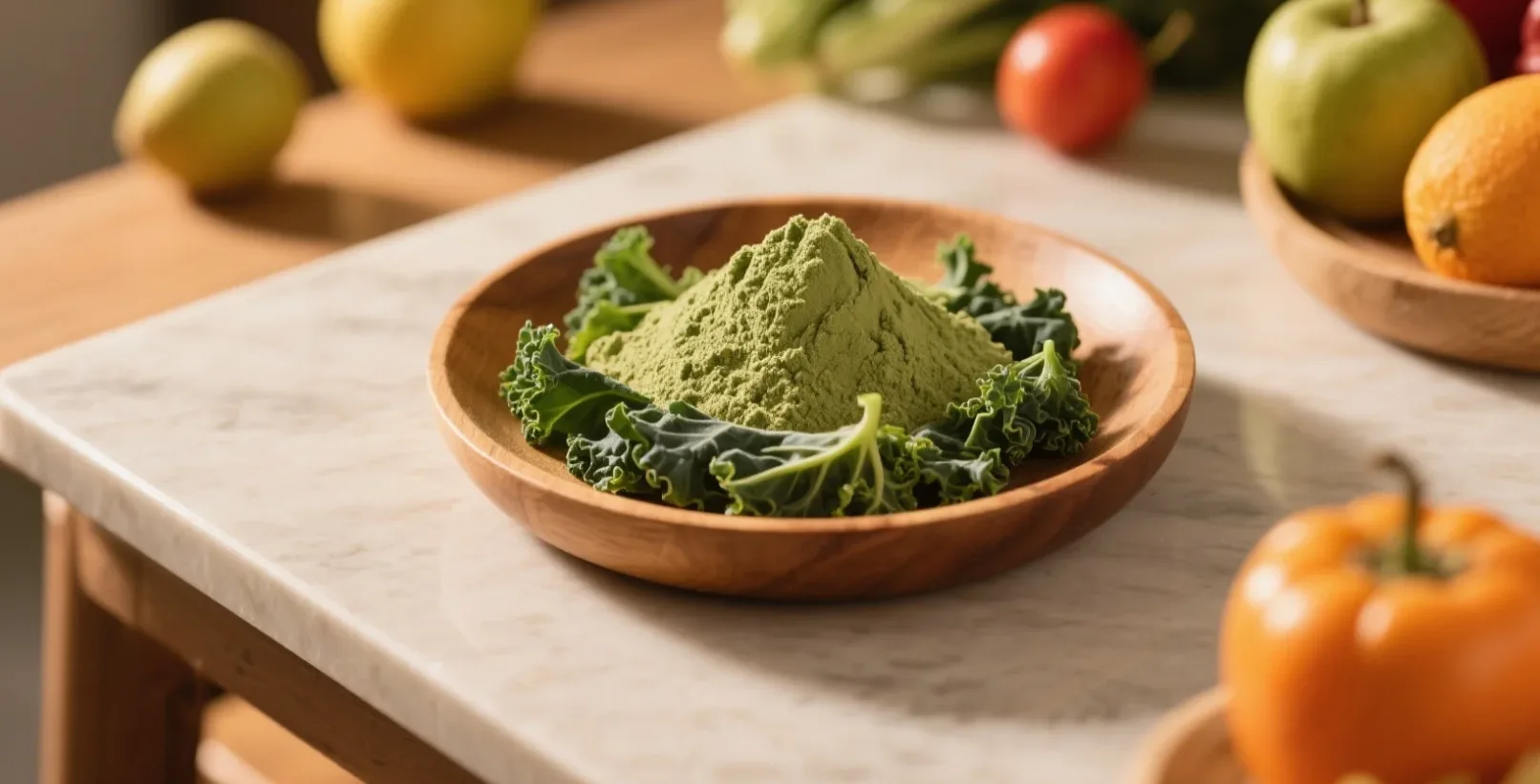
The Natural Energy Boost of Matcha
Unlike regular coffee, which can cause sudden spikes and crashes, organic matcha powder gives a more balanced lift, and the reason is chemical rather than mystical. The leaves contain both L-theanine, an amino acid that promotes a calm, focused state, and caffeine, which raises alertness; together they produce what drinkers describe as awake but not wired. L-theanine slows and softens the caffeine response, so energy arrives without the jolt and leaves without the cliff, which is the pattern most people actually want from a stimulant. The effect builds over roughly twenty to thirty minutes and can last several hours, depending on tolerance and how much you drink, which makes matcha suited to deep work, study, or a long drive better than a quick espresso that burns off before the task does. Because you ingest the leaf itself, not just water infused with it, the dose of both compounds is higher and more consistent than in ordinary brewed tea. The practical takeaway is simple: if coffee makes you anxious or restless, matcha is worth a serious try, not as a weaker substitute but as a different mechanism for the same goal. Prepared as a thin whisked cup, it delivers that lift in a form gentle enough for an empty stomach.
Packed with Antioxidants
Organic green tea powder is rich in antioxidants, especially catechins such as EGCG, which protect cells from oxidative stress caused by free radicals generated during normal metabolism and aggravated by pollution, sun, and hard training. These antioxidants support the immune system by reducing the chronic inflammation that wears it down, and they help the body use energy more efficiently, which is why matcha shows up in discussions of metabolism and weight control. The catechin content of matcha is far higher than that of steeped green tea, again because you drink the leaf, and the difference is large enough to matter for anyone using the powder for its protective compounds rather than just its taste. Beyond catechins, matcha carries chlorophyll from the shade-growing process, which gives the bright green color and may help the body manage everyday toxin load, though that claim is softer than the antioxidant one. For a daily wellness habit, the value is that a single cup contributes a meaningful antioxidant dose that is hard to get from food alone, and it does so in a form most people enjoy rather than a pill they forget.
Easy to Incorporate into Your Routine
Whether you take ceremonial grade matcha as a traditional whisked tea, blend it into a smoothie, or bake with it, fitting organic matcha powder into a routine is straightforward and flexible, which is what makes the habit stick. The classic method is a half teaspoon whisked with hot, not boiling, water into a froth, then topped with more water or milk; the lower temperature protects the compounds and the flavor. For busier mornings, a shaker bottle and cold water does the job in seconds, and the powder also folds into oatmeal, yogurt, and pancake batter for a green-tea note that carries its own nutrients. A cup mid-morning or as an afternoon reset gives a clear lift without disturbing sleep the way a late coffee often does, because matcha’s theanine takes the rough edge off the caffeine. People who keep a tin by the kettle tend to use it daily, and daily is where the benefit lives; a powder you reach for only on good days is a powder wasted. Start with one cup at a time that suits your schedule and let the taste, which is grassy and rounded rather than bitter when prepared well, do the rest of the work. If you are new to the flavor, begin with a lighter hand, half a teaspoon, and a sweet partner like banana or milk, then increase as the grassy note starts to read as refreshing rather than strange. Most people acquire the taste within a week, and once acquired it is hard to give up, which is the mark of a real food rather than a passing fad.
Additional Benefits
Beyond energy, premium matcha supports focus, encourages a relaxed but alert state, and may aid weight management when paired with a normal diet, which is why it sits comfortably in a natural lifestyle rather than as a quick fix. The L-theanine and caffeine pairing is the main reason focus improves without the tension coffee brings, and the same pairing is why matcha is popular before meditation, reading, or any task that rewards calm attention. On weight, the evidence is supportive but modest: catechins and caffeine can nudge daily energy use up slightly, enough to matter over months, not enough to replace movement and food. Read honestly, matcha is a helper, not a shortcut, and it works best as part of a day that already leans healthy. Its nutrient profile, antioxidants plus gentle stimulants plus trace minerals, is broad enough that most people feel something, even if the something is simply steadier afternoons. That breadth is the real selling point: one ingredient touches several goals at once, which is rare among single foods. Used before a task that needs attention, it shortens the warm-up and lengthens the productive stretch, which for many people is worth more than any single surge. The compounds are mild, the habit is safe for most adults, and the main downside is simply the cost of good leaf, which is why grade and source matter more than the marketing wrapped around them.
Conclusion Matcha earns its place by being the rare stimulant that helps you slow down and speed up at once, and that balance is why it outlasts the trends built around it.
Switching to organic matcha powder can change how your days feel, not through a jolt but through a steadier current of energy that carries you from morning to afternoon without the familiar fall. Its natural caffeine, softened by calming L-theanine, gives focus without the tight chest or scattered edge that coffee brings to some people, and its catechins add a layer of cell protection that most energy drinks never mention. For anyone tired of the cycle of spike and crash, a daily cup of premium green tea powder is a calmer, cleaner alternative that still does the job. Start small: one teaspoon whisked with warm water, or stirred into a shake if that fits your life better, and notice how the lift behaves over a week rather than a single morning. The goal is not to quit every other drink but to give yourself one option that supports attention and calm together, which is rarer than it should be. Organic Way supplies matcha graded for exactly this daily use, so the quality is consistent from the first tin to the tenth, and that consistency is what turns a try into a habit. Begin with a single cup and let the natural focus speak for itself, then build the ritual that fits the life you actually lead. Keep the ritual small and specific, the same cup at the same time, because habits built on mood rarely survive a stressful week, while habits built on a fixed slot do. Over a month the difference shows up as afternoons that no longer demand a rescue snack or a third coffee, and that quiet steadiness is the result worth having. Matcha will not change your life in a day, but used daily it changes the shape of your days in a way a quick stimulant never could.
Recommended Products

Organic Matcha Powder
Organic Matcha Powder—sourced from certified organic tea gardens in China—available in two grades.
Related Posts


