
Table of Contents
Ginger (Zingiber officinale) has earned a permanent place in pantries and medicine cabinets around the world thanks to its unmistakably fiery, citrusy warmth and a healing reputation that stretches back more than 5,000 years across Ayurvedic, Traditional Chinese, and Middle Eastern medicine. From soothing a queasy stomach on a long car ride to lending backbone to a fragrant curry or a mug of nighttime tea, this knobby golden rhizome does double duty as both a culinary workhorse and a trusted natural remedy. But as busy home cooks and wellness-minded shoppers look for easier ways to capture those benefits, a practical question keeps coming up: does organic ginger powder offer the same benefits as fresh ginger, or is something lost in the grinding and drying? In this guide we unpack the science, the processing methods, and the everyday trade-offs so you can decide with confidence which form deserves a spot in your routine. Let’s explore the real differences, the proven benefits, and why a high-quality powdered ginger might just become your new go-to. We’ll also cover the practical details most articles skip: exactly how to substitute powder for fresh in a recipe without throwing off the flavor, how to store it so it stays potent for the long haul, and how to choose a grade that actually delivers the wellness properties you are paying for—because not all ginger powders are created equal, and origin, drying method, and certification all change what ends up in your spoon. By the end you’ll know precisely when to reach for the jar and when to bother with the root.
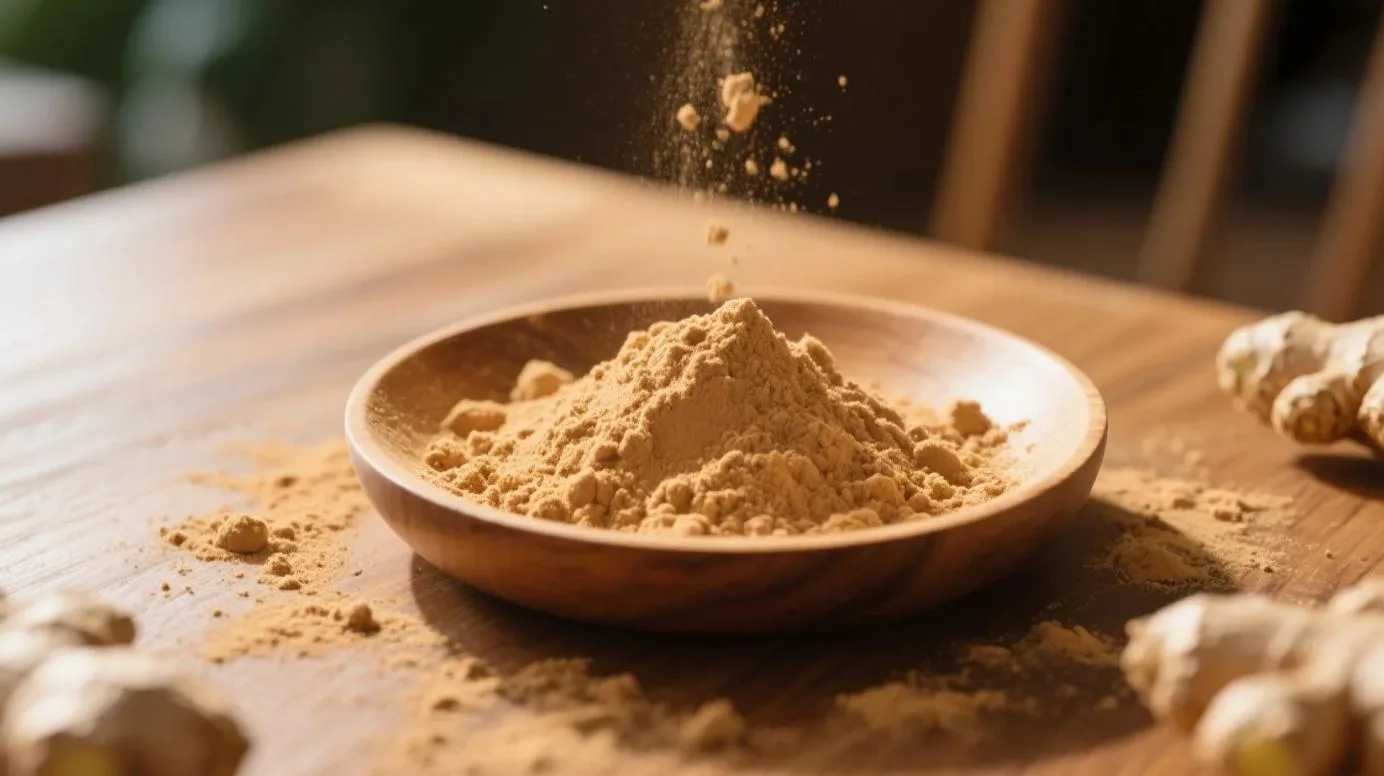
Fresh Ginger vs. Powdered Ginger: What’s the Difference?
At first glance, they seem interchangeable—after all, both forms begin with the very same fresh root—but the way each one is processed and the way you actually use it in the kitchen create distinct advantages and a few important trade-offs. Fresh ginger is about moisture, aroma, and texture; powdered ginger is about concentration, stability, and convenience. Understanding exactly how powdered ginger is made is the key to knowing when it can stand in for fresh and when fresh genuinely performs better. Below we break the comparison down into the three factors that matter most for home cooks, formulators, and anyone using ginger for wellness. Keep in mind that “powder” is not one single product: a whole-root powder and a juice powder behave differently in the same recipe, so matching the format to the job is what separates a good result from a great one. Think of fresh, whole-root powder, and juice powder as three tools drawn from the same plant rather than as strict substitutes for one another.
- Processing
:
- Fresh Ginger: Raw ginger root, used whole, sliced, or grated. It is harvested, washed, and usually peeled before cooking, then delivered to you in its living, juicy state. Because nothing has been removed, fresh ginger delivers the brightest, most volatile aromatic oils and the juiciest bite, which is why it shines in stir-fries, infusions, and anything where texture matters.
- Organic Ginger Powder: Made by dehydrating and grinding fresh ginger root at carefully controlled low temperatures to protect its delicate volatile oils, then milling the dried root into a fine, free-flowing powder. Because the water is removed, the flavor compounds become far more concentrated by weight—roughly a tablespoon of powder equals several tablespoons of fresh—so a little goes a long way in baking, blends, and tonics. Low-temperature drying also preserves more of the gingerol that gives ginger its bite, which is why a good organic powder can taste brighter and cleaner than a mass-market one that has been overheated during processing and left flat.
- Organic Ginger Juice Powder: Created by juicing fresh ginger to extract the liquid, then spray- or freeze-drying that juice into a concentrated powder. This captures the water-soluble actives and bright aromatic compounds while leaving most of the fibrous pulp behind, yielding a lighter, faster-dissolving product that is ideal for beverages, shots, and clear dressings where grit is unwelcome. Because it disperses so cleanly, juice powder is the format of choice for effervescent drink mixes, electrolyte packets, and clinical-style Wellness shots where you want consistent dosing and zero sediment at the bottom of the glass.
- Nutrient Profile
: Both forms retain ginger’s active compounds (like gingerol, the powerhouse polyphenol behind its anti-inflammatory and antioxidant properties), along with related shogaols that form as ginger dries and actually intensify the warming kick. However, the concentration and the companion nutrients differ by format, and that difference is exactly why people argue about whether powder is “as good” as fresh. Drying concentrates some actives while it gently mellows others, so the powder is not a degraded copy of fresh ginger so much as a different expression of the same plant—one tuned for shelf life and measured use rather than for raw bite and texture:
- Organic Ginger Powder retains the whole-root fiber and offers a more concentrated flavor, making it the closest powdered match to fresh in terms of the full spectrum of compounds naturally present in the rhizome.
- Organic Ginger Juice Powder is lighter, dissolves faster, and may have a milder taste because much of the insoluble fiber has been pressed out, while still delivering the water-soluble gingerols and a clean, smooth heat that blends invisibly into liquids.
- Convenience: Fresh ginger requires peeling, chopping, and grating, bruises easily, and has a short shelf life of only a few weeks even when refrigerated. Powdered ginger, by contrast, is shelf-stable, ready to use straight from the jar, and lasts for months or even years without spoiling—no prep, no waste, and no last-minute trip to the store when a recipe calls for it. For meal-prep enthusiasts and small-batch formulators, that reliability is the real win: you can scale a recipe tenfold on a Sunday and know the ginger will behave identically every time, something that is nearly impossible to guarantee with fresh roots of varying age and juiciness.
5 Benefits of Organic Ginger Powder
Whether you choose the whole-root organic ginger powder or the juice-derived organic ginger juice powder, both deliver these perks—backed by a long tradition of use and a growing body of modern research into ginger’s bioactive compounds. The concentration in powder form simply makes it easier to take a consistent, measurable amount every day.
- Anti-Inflammatory & Pain Relief: Gingerol fights inflammation at the molecular level, and studies suggest regular ginger intake can ease exercise-induced muscle soreness, support joint comfort in osteoarthritis, and take the edge off tension headaches and migraines—making powder a smart daily ally for active bodies and aching joints. Many athletes now mix a teaspoon into post-workout smoothies precisely because the anti-inflammatory effect can blunt next-day stiffness, and a powdered form lets them hit the same dose consistently without peeling root after every training session.
- Digestive Support: Ginger gently stimulates digestive enzymes and helps move food through the stomach, reducing bloating and gas while soothing nausea. It is a go-to for morning sickness during pregnancy, motion sickness on planes and boats, and the unsettled feeling that follows a heavy meal—just stir a pinch into warm water or tea. A simple ginger-lemon tonic before a long drive or flight is one of the oldest travel remedies in the book, and keeping powder on hand means you can mix it in a hotel room or airport lounge without hunting for fresh produce. For babies and young children, always check appropriate dosing with a healthcare provider before using ginger for tummy troubles.
- Immune Boost: Packed with antioxidants, ginger powder helps the body combat oxidative stress, colds, and seasonal infections. Its natural warming action also encourages circulation and a healthy sweat, which is why ginger tonics are a winter staple for staying resilient through cold and flu season. Pairing the powder with a pinch of black pepper can further support the absorption of its beneficial compounds, and layering it with raw honey and lemon makes a soothing nighttime cup that doubles as a comforting ritual when the weather turns cold.
- Heart Health: Emerging research indicates ginger may help lower blood pressure and improve cholesterol balance while supporting healthy circulation, contributing to overall cardiovascular wellness when paired with a balanced diet and active lifestyle. It is not a substitute for prescribed medication, but as a daily dietary habit ginger is a low-risk way to nudge several heart-health markers in a friendlier direction—especially for people who already enjoy its flavor and will therefore actually stick with it long enough to notice a difference.
- Versatility: Add it to teas, soups, smoothies, marinades, golden-milk lattes, or baked goods—no peeling, grating, or cleanup required. A single jar bridges sweet and savory applications, so you get maximum utility from minimal pantry space. Try it in oatmeal, energy bites, salad dressings, ramp recipes, and even homemade ginger ale; once you see how many dishes welcome a little warmth, the jar rarely leaves the counter. It also travels well, so a small pouch in a gym bag or desk drawer keeps the habit going when you are away from your kitchen.
Organic Ginger Powder vs. Fresh Ginger: Which Wins?
| Feature | Fresh Ginger | Organic Ginger Powder | Organic Ginger Juice Powder |
|---|---|---|---|
| Shelf Life | 2-3 weeks (refrigerated) | 1-2 years (stored properly) | 1-2 years (stored properly) |
| Convenience | Requires peeling/grating | Instant use, no prep | Dissolves instantly in liquids |
| Flavor Intensity | Sharp, spicy | Concentrated, earthy heat | Milder, smoother spice |
| Best Uses | Cooking, teas, stir-fries | Baking, spice blends, tonics | Beverages, dressings, shots |
| Fiber Content | Moderate | High (whole root) | Low (juice extracted) |
Why Go Organic?
Conventional ginger is frequently treated with synthetic pesticides and may be irradiated or sulfured during processing, and those residues can end up in your powder. Certified organic ginger powders ensure:
√ No synthetic chemicals or additives—grown without prohibited pesticides and processed without artificial fillers or anti-caking agents.
√ Non-GMO and pure flavor—you taste the root itself, not a cloud of additives, and you avoid genetically modified inputs.
√ Sustainable farming practices—organic cultivation protects soil health, biodiversity, and the communities that grow it, so your wellness choice supports the planet too. When you buy certified organic you also get traceability: reputable suppliers can tell you the country of origin, the harvest window, and the processing standard, which matters if you are using ginger therapeutically and want to avoid adulteration with fillers or lower-grade root from mixed sources.
When to Choose Powdered Ginger
- On-the-go lifestyles: No time to peel or grate? Powdered ginger is your ally—measure a spoonful in seconds, toss it into a shaker bottle, and you have ginger anywhere, no knife or cutting board required. It is also the format that survives a hot desk or a glove compartment through summer, whereas a forgotten knob of fresh ginger would simply rot—so the powder quietly removes the friction that stops most good intentions before they start.
- Consistent dosing: Perfect for recipes, capsules, or supplements requiring precise amounts, because a weighed scoop of powder is far more repeatable than “one thumb of fresh,” which varies in size and potency every time.
- Long-term storage: Stock up during a good harvest and keep a working supply on hand for months without worrying about spoilage, sprouting, or mold the way you would with fresh roots. For households that use ginger only occasionally, this alone justifies the switch: you stop throwing away the limp, wrinkled ends of roots that dried out in the crisper, and the cost per serving drops once nothing goes to waste.
The Verdict
While fresh ginger shines in certain recipes—especially where you want juicy texture, a bright finishing note, or a visible slice in the bowl—organic ginger powder and juice powder offer unmatched convenience, potency, and versatility for everyday wellness. They’re not exactly the same as fresh (the drying step shifts the compound balance and softens the raw bite), but for busy lives, batch cooking, and daily tonics, they’re a genuine game-changer that makes it easy to actually use ginger every single day. If you cook Asian curries, bake gingerbread, or brew a nightly wellness tea, keep both forms on hand: reach for fresh when texture and brightness are the point, and reach for powder when you want reliable potency and zero prep. Used this way, the two stop competing and start complementing each other in the same kitchen.
Ready to Spice Up Your Routine?
Whether you’re blending a post-workout smoothie with organic ginger powder or sipping a soothing tea made with organic ginger juice powder, these superfoods bring heat, health, and harmony to your day—and they pair beautifully with turmeric, lemon, and honey for a morning ritual you’ll actually look forward to. Start small—roughly a quarter to half a teaspoon of powder per cup of liquid—then adjust to taste, since concentrated powders are far stronger than the fresh root most people picture. Store the jar away from heat and direct light, sealed tightly, and it will keep its warmth and aroma for well over a year.
Try them today—your body (and taste buds) will thank you!
Recommended Products

Organic Ginger Powder
Organic Ginger Powder is made from 100% organically grown Zingiber officinale rhizome, sun-dried below…


