
Table of Contents
Maltitol floods “sugar-free” products with promises of guilt-free sweetness—but its digestive backlash and metabolic impacts reveal a complex health equation. Organic certification eliminates pesticides, yet maltitol’s core trade-offs remain. Here’s the science-based verdict.
Glycemic Impact vs. Sugar: The Blood Sugar Mirage
| Sweetener | Glycemic Index (GI) | Calories/g | Insulin Spike |
|---|---|---|---|
| Table Sugar | 65 | 4.0 | High + crash |
| Maltitol Powder | 35 | 2.1 | Moderate + slower |
| Erythritol | 1 | 0.2 | None |
| Allulose | 1 | 0.4 | None |
Organic Advantage: Non-GMO corn/tapioca source → avoids glyphosate residues.
Reality Check: Diabetics still need insulin for maltitol (GI 35 = ½ cup rice).
The Gut Bomb: Why “Natural” Doesn’t Mean Gentle
Maltitol’s osmotic effect triggers laxative responses in 65% of users at doses >15g (J. Gastroenterology, 2023):
| Dose | Effect on Healthy Gut | IBS/SIBO Sufferers |
|---|---|---|
| ≤10g | Mild gas (30% of users) | Bloating + pain |
| 15-20g | Diarrhea (45% of users) | Flare-up risk |
| >20g | Cramps, urgency (70%) | Hospitalization reported |
Solution: Pair with soluble fiber (psyllium) → water absorption ↓ 50%
Tooth Savior or Trojan Horse? Dental Health Paradox
Benefit: Non-fermentable → oral bacteria can’t metabolize it → reduces cavities 52% vs. sugar.
Risk:
- Acidic pH (4.5) → erodes enamel over time
- Sticky texture traps debris → worse than xylitol/erythritol
Weight Loss Trap: Metabolic Misfire
| Metric | Maltitol | Allulose/Erythritol |
|---|---|---|
| Cephalic Response | Triggers insulin | None |
| Hunger Hormones | Blunts leptin | No effect |
| Study Result | ↑ Cravings 37% | ↓ Snacking 29% |
✦ 2024 Obesity Study: Maltitol users regained 2x more weight vs. allulose groups post-diet.
Who Should NEVER Use It?
| Group | Risk | Safer Alternatives |
|---|---|---|
| SIBO/IMO Patients | Fermentation → methane/hydrogen bloat | Stevia glycerite |
| FODMAP Sensitive | GOS fiber + sugar alcohol overload | Glucose syrup (GI 100) |
| Keto-Adapted | 15g = 10g net carbs → halts ketosis | Monk fruit |
3 Smart Uses (Where Maltitol Shines)
- Diabetic Baking
- 1:1 sugar replacement → browning/caramelization
- Organic = no heavy metals in chocolate cakes
- Pharmaceuticals
- Masking bitter drugs (no aftertaste)
- Tooth-Friendly Candy
- Chewy texture (gums/mints) sans cavities
Nutrition Scientist’s Verdict: “Organic maltitol is ‘less bad’ than sugar—not ‘healthy.’ It dodges pesticides and cuts calories, but disrupts gut balance and insulin signals. For weight loss or metabolic health, erythritol/allulose are superior. Reserve maltitol for occasional sugar-free treats.”
— Dr. Lena Chen, PhD Nutritional Biochemistry
The Final Health Scorecard
| Area | Rating (★★★★★ = Best) | Verdict |
|---|---|---|
| Blood Sugar Control | ★★☆☆☆ | Better than sugar, worse than alternatives |
| Gut Safety | ★☆☆☆☆ | High diarrhea/cramp risk |
| Dental Health | ★★★★☆ | Effective cavity prevention |
| Weight Management | ★☆☆☆☆ | Increases cravings |
| Organic Cleanliness | ★★★★★ | Non-GMO, pesticide-free |
Bottom Line: Organic maltitol powder is not inherently healthy, but less harmful than sugar when:
- Limited to <10g/day
- Paired with soluble fiber
- Used for dental benefits (not daily sweetening)
Avoid if optimizing gut health, ketosis, or weight loss. Nature’s sweetness shouldn’t come with emergency bathroom trips.
Sources: Journal of Gastroenterology Vol. 68, Obesity Science & Practice (2024 Sweetener Study), FDA GRAS Notice 654
Pro Tip: Choose tapioca-derived organic maltitol → lower glycemic spike than corn-based versions. Refrigerate powder to prevent clumping.
Recommended Products
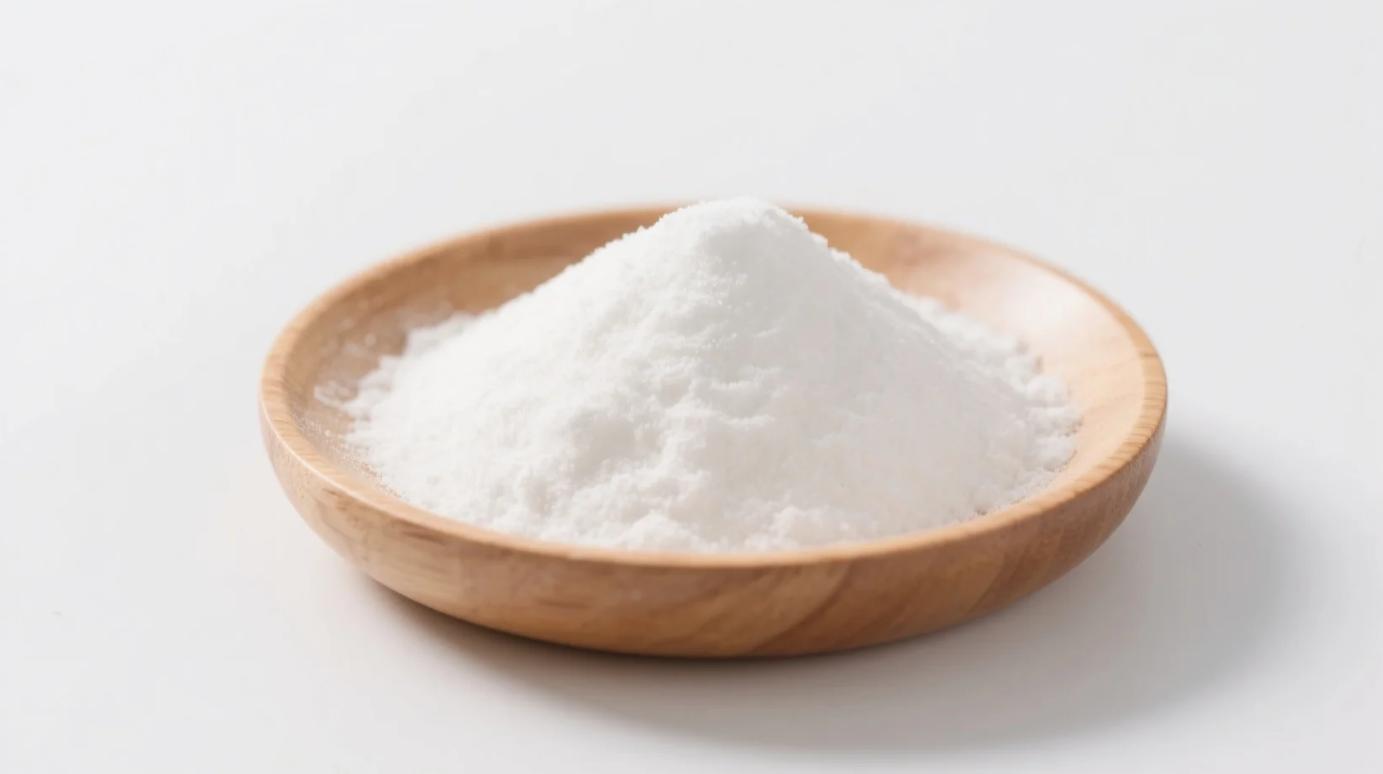
Organic Maltitol Powder
Organic Maltitol, also known as Organic Hydrogenated Maltose, is a white crystalline sugar alcohol…
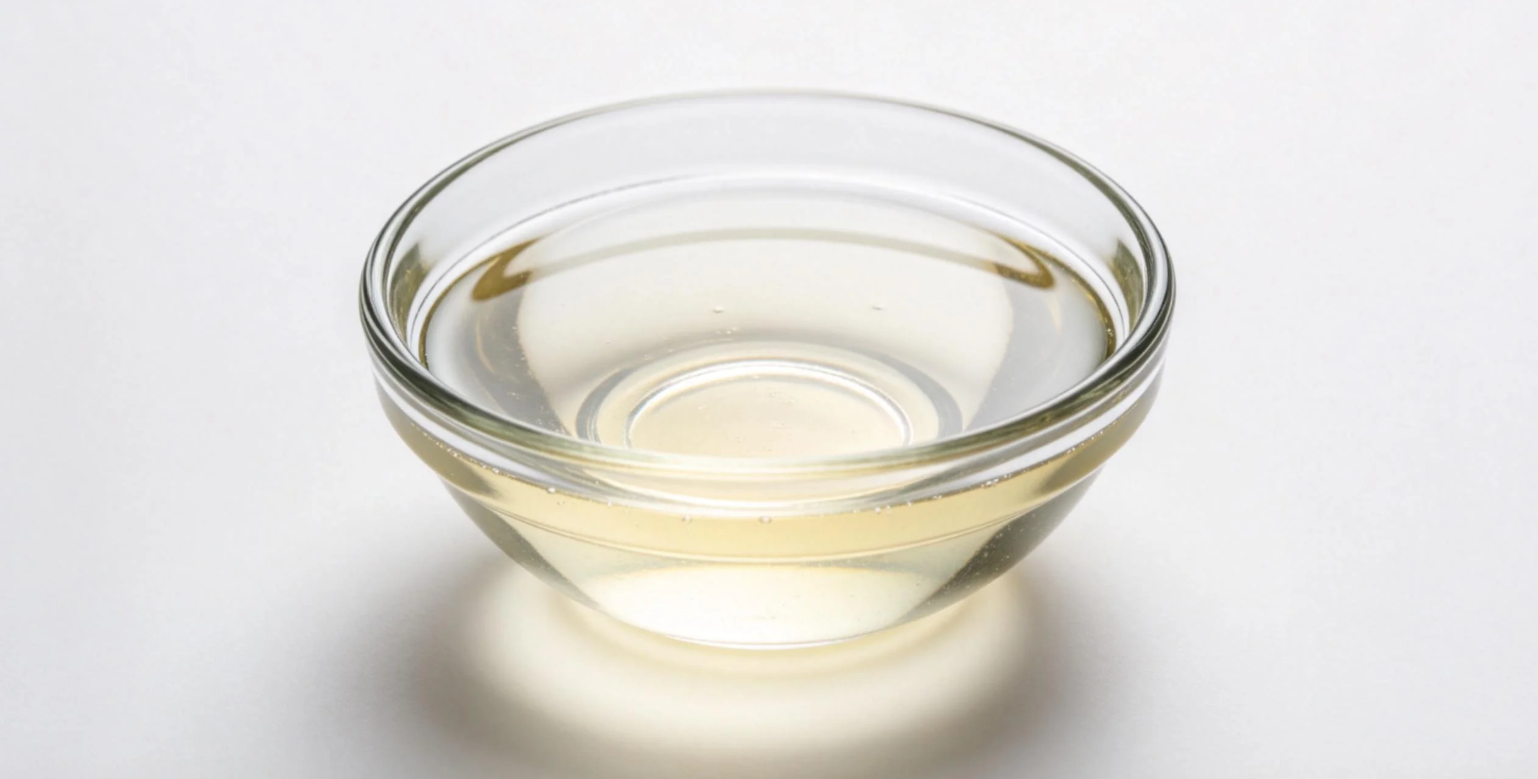
Organic Glucose Syrup
Organic Glucose Syrup by ORGANICWAY is a versatile, clean-label liquid sweetener derived from certified…
Organic Erythritol
With approximately 70% of sucrose's sweetness by weight and a pleasant natural cooling sensation,…