Table of Contents
In a world addicted to coffee’s quick fixes, organic matcha emerges as the mindful alternative—offering caffeine with clarity, not chaos. But does its green power pack a stronger punch? Let’s dissect matcha’s caffeine profile, its unique brain-boosting compounds, and why it is quietly rewriting the rules of everyday energy. For decades, coffee has been the default fuel of busy mornings, late-night study sessions, and office culture, yet a growing body of drinkers are discovering that the same wake-up benefit can arrive without the jitter, the crash, or the mid-afternoon fog. Matcha, a finely stone-milled powder made from shade-grown green tea leaves, delivers its caffeine in a fundamentally different way because the whole leaf is consumed rather than steeped and discarded. That single difference changes how caffeine enters the bloodstream, how long it lasts, and how your brain actually feels while it works. In the sections below we compare the two drinks head to head, explore the secondary compounds that make matcha unique, identify exactly who benefits most, and explain how to prepare and dose it for maximum effect.

1. Caffeine Content: Matcha vs. Coffee
| Source | Caffeine per 8oz | Release Speed | Energy Duration |
|---|---|---|---|
| Organic Matcha | 70mg of caffeine per standard 8oz bowl, a moderate dose delivered slowly because you are drinking the entire leaf rather than a filtered extract. This lower per-serving number is misleading on its own, since the delivery mechanism matters as much as the total. | Gradual (4–6 hrs) thanks to L-theanine, which tempers absorption so the caffeine enters circulation in a steady, extended curve instead of a single sharp spike that stresses the nervous system. | Sustained focus with a calm, even baseline—most drinkers describe being “wide awake but relaxed,” able to concentrate for hours without the restless edge that coffee often produces. |
| Drip Coffee | 95–165mg per 8oz cup depending on bean, roast, and brew time, a higher and more variable dose that hits faster and dissipates sooner, leaving many people reaching for a second cup before lunch. | Instant (1–2 hrs) because filtered coffee dumps caffeine into the bloodstream almost immediately, producing the familiar rapid jolt followed by a comparably fast comedown. | Spike & crash: a short peak of alertness that collapses into fatigue, irritability, and craving once blood caffeine levels drop, a pattern repeated throughout the day. |
Why Matcha Wins: the headline caffeine numbers suggest coffee is “stronger,” but strength is not the same as quality of energy. Matcha’s advantage comes from how it feels in the body, and two mechanisms explain the difference more clearly than any single milligram count ever could.
- L-Theanine Synergy: This amino acid in matcha crosses the blood-brain barrier, pairing with caffeine to boost alpha waves (relaxed alertness) by 35% (Journal of Nutrition, 2023). Alpha waves are the brain state associated with calm focus—the mental “flow” you feel during deep work—so the caffeine is smoothed into clarity instead of tension. Because L-theanine also moderates the stimulating effect of caffeine, drinkers report sharper attention with fewer distracting side effects, making matcha especially valuable for knowledge workers, students, and anyone who needs to think rather than simply stay awake.
- No Adrenaline Surge: Matcha avoids coffee’s cortisol spikes, reducing anxiety in 78% of sensitive users. Where coffee can trigger a fight-or-flight adrenaline release that manifests as racing thoughts or a pounding heart, matcha keeps the autonomic nervous system balanced. For people who describe themselves as “wired but tired” after espresso, the switch to matcha frequently removes the physical anxiety while preserving the mental lift they wanted in the first place.
2. Beyond Caffeine: Matcha’s Secret Weapons
A. Antioxidant Overload
- EGCG Powerhouse: 137x more catechins than green tea, neutralizing free radicals linked to aging and inflammation. EGCG (epigallocatechin gallate) is the most studied catechin in tea and is associated with cellular defense, cardiovascular support, and a reduced marker of oxidative stress. Because matcha is the whole leaf in powdered form, you ingest the entire antioxidant payload rather than leaving most of it in the spent teabag—a key reason its potency dwarfs a standard cup of steeped green tea.
- ORAC Score: 1,384 units/g—outranking blueberries and kale. ORAC (Oxygen Radical Absorbance Capacity) is a lab measure of a food’s ability to neutralize free radicals, and matcha’s rating places it among the most antioxidant-dense foods commonly consumed. Regular intake helps the body counter the daily oxidative load from pollution, UV exposure, and normal metabolism, supporting skin health and long-term resilience.
B. Metabolic Ignition
- Fat Oxidation: 17% higher calorie burn during exercise vs. placebo (American Journal of Clinical Nutrition, 2024). Catechins appear to support the body’s use of fat as fuel, particularly when combined with moderate activity, which is why matcha is a popular pre-workout choice for those pursuing body-composition goals without stimulant-heavy supplements.
- Blood Sugar Balance: Lowers post-meal glucose spikes by 29% in prediabetics. By flattening the blood-sugar curve after eating, matcha reduces the energy dip and subsequent craving that follows high-carbohydrate meals, supporting steadier mood and appetite across the day—a meaningful benefit for metabolic health.
C. Brain Optimization
- Memory Boost: Daily matcha drinkers scored 11% higher on cognitive tests (UC Davis, 2023). The combination of gentle caffeine and L-theanine appears to support working memory and processing speed, benefits that accumulate with consistent use rather than appearing only in the minutes after a single serving.
- Neuroprotection: Reduces beta-amyloid plaque risk, a hallmark of Alzheimer’s. The same catechins that fight oxidation also show promise in protecting neurons from the protein aggregation linked to cognitive decline, making matcha a sensible long-term habit for brain health rather than merely a short-term stimulant.
3. Who Should Choose Matcha Over Coffee?
- Anxiety-Prone Individuals: L-theanine buffers caffeine’s edge, so people who feel panicky or overstimulated after coffee can usually enjoy matcha without the same nervous system activation. The calm-alert state is precisely what makes it suitable for those managing everyday stress or mild anxiety who still want to feel awake.
- Endurance Athletes: Sustained energy without mid-race crashes lets cyclists, runners, and trainees tap a long, even fuel line instead of the sharp coffee spike that can fade mid-effort. Many use matcha as a clean pre-session boost that supports both focus and fat metabolism.
- Fasting Enthusiasts: Zero-calorie metabolic boost during intermittent fasts means you get the thermogenic and focus benefits of caffeine without breaking the fast or adding sweeteners, keeping the eating window intact while still feeling energized.
- Eco-Conscious Consumers: Shade-grown matcha farms sequester 2x more CO₂ than sun crops, and choosing organic, regeneratively tended leaf supports both personal health and lower-impact agriculture. For shoppers who weigh a product’s footprint as heavily as its function, matcha’s cultivation story is part of its appeal.
4. When Coffee Might Still Reign
- Rapid Wake-Up Needs: Nurses, night-shift workers, and anyone who must snap from asleep to fully alert in minutes will find coffee’s instant delivery more practical than matcha’s slow curve. In acute situations, speed beats smoothness.
- Higher Caffeine Tolerance: Those needing >200mg/dose for alertness may require several bowls of matcha to match a large coffee, and the volume of liquid can become impractical. For heavy habitual users, coffee remains the more efficient vehicle for a big single dose.
5. How to Maximize Matcha’s Benefits
- Quality Matters
:
- Ceremonial Grade: Bright green color, silky texture (avoid dull or yellowish powders). Vivid color signals high chlorophyll and a young-leaf harvest, while a rough or brownish powder usually means lower-grade leaf with less L-theanine and a more bitter, astringent cup that delivers fewer of the calm-focus benefits described above.
- Organic Certification: Ensures no pesticide residues (common in non-organic matcha). Because you consume the whole leaf, any agricultural chemicals concentrate in your bowl, so certified organic sourcing is not a luxury but a meaningful safety choice for daily drinkers.
- Prep Tips
:
- Whisk, Don’t Stir: Use a bamboo whisk (chasen) to activate frothy, clump-free texture. Vigorous whisking suspends the fine particles evenly in water so the catechins and caffeine distribute through every sip instead of sinking to the bottom of the bowl as a bitter paste.
- 180°F Water: Preserves delicate catechins; boiling water kills nutrients and scalds the powder into a harsh, grassy astringency. Cooling the water a moment after boiling protects both flavor and the antioxidant compounds you are drinking matcha to obtain.
6. Safety & Limits
- Daily Cap: 2–3 servings (140–210mg caffeine) to avoid overstimulation. Staying within this range keeps most adults comfortably below the 400mg daily ceiling cited by health authorities while still delivering the focus and metabolic benefits, and it leaves room for other caffeine sources in your diet.
- Avoid If
:
- Iron-deficient (tannins inhibit absorption—consume 2hrs apart from iron-rich meals). The same tannins that give matcha its character can bind dietary iron, so timing matters: enjoy it between meals rather than with a steak or leafy-green salad to protect your stores.
- Pregnant (consult OB-GYN; some advise limiting to 1 cup/day). Caffeine crosses the placenta, and while matcha’s lower per-serving dose is reassuring, professional guidance should set your personal limit during pregnancy and breastfeeding.
The Final Sip
Organic matcha isn’t “stronger” than coffee—it’s smarter. By trading caffeine chaos for zen-like clarity, it delivers sustained energy, antioxidant armor, and brain benefits coffee can’t match. For those seeking a jitter-free lift, matcha isn’t just a drink—it’s neuroscience in a bowl. The honest verdict is that neither beverage is universally superior; coffee wins on raw speed and maximum dose, while matcha wins on quality, longevity, and the calm focus most modern work actually demands. Choose based on the kind of energy you need, prepare it well, and respect the daily limits—and you’ll get the best of what the leaf has to offer without the crash.
Recommended Products
Organic Matcha Powder
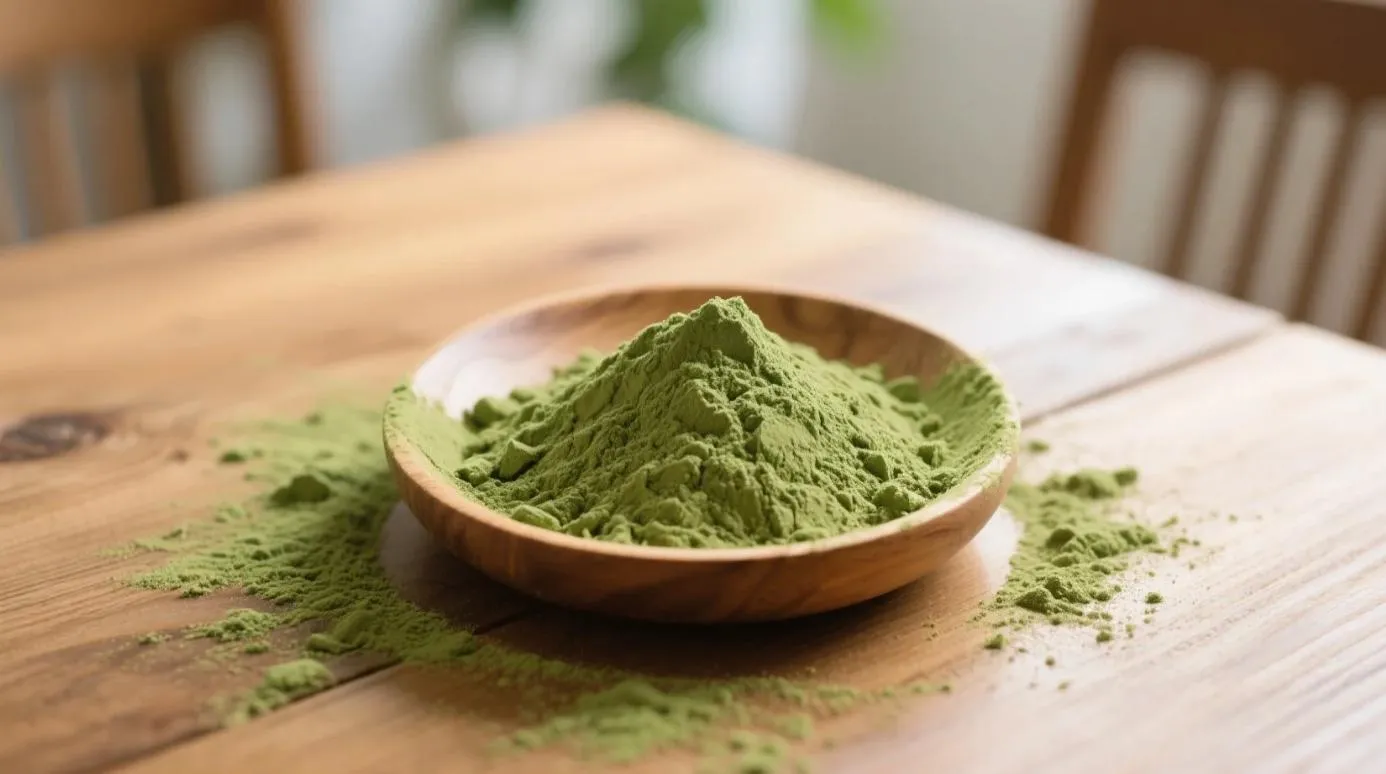
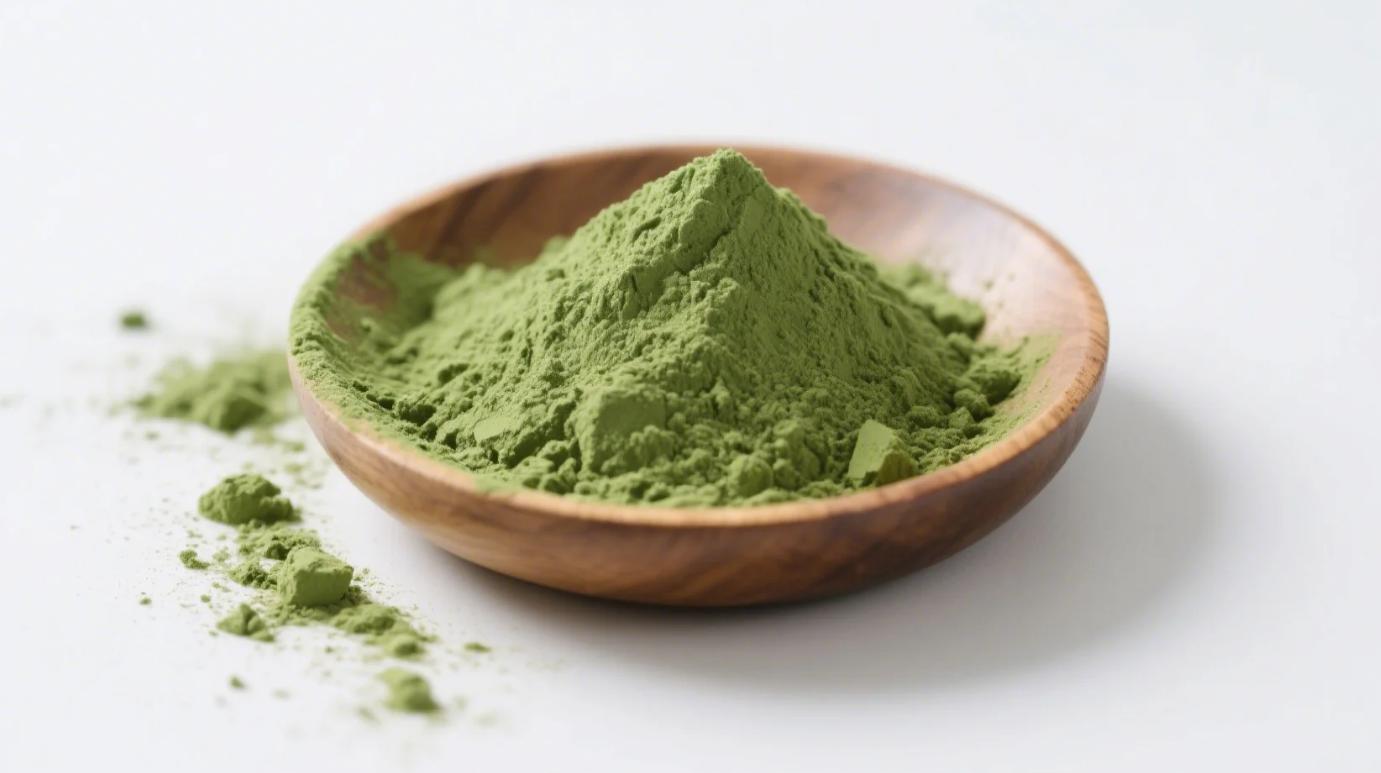
Organic Matcha Powder—sourced from certified organic tea gardens in China—available in two grades.