Table of Contents
Cranberries, often lauded for their urinary tract benefits, are a genuine powerhouse of antioxidants, phytonutrients, and dietary fiber that have earned a respected place in both traditional remedies and modern nutritional science. With the everyday convenience of organic cranberry powder and organic cranberry juice powder, it has never been easier to fold this vivid, ruby-red fruit into a daily wellness routine without relying on sugary juices or highly processed snacks. Yet among the many questions asked by couples and individuals who are actively planning a family, one comes up again and again: Is cranberry good for fertility? It is a fair question, because fertility is influenced by overall physiology, and cranberry is known to influence several of the systems that intersect with reproductive health. In the discussion that follows, we explore what the current body of research actually suggests, where the evidence is strong, where it remains preliminary, and how a thoughtfully sourced organic cranberry ingredient can fit into a broader, science-aware approach to reproductive wellbeing for both women and men.
Cranberry’s General Health Benefits
Before diving into fertility specifically, it is worth acknowledging the broader health benefits of cranberries, because reproductive health does not exist in isolation. The same biological processes that protect the heart, the urinary tract, and the immune system also create the internal environment in which healthy eggs and sperm can develop. A body that is well nourished, low in chronic inflammation, and free from recurring infection is, quite simply, better positioned for successful conception and a healthy pregnancy. Understanding these foundational benefits helps explain why cranberry is frequently recommended as a supportive food rather than a targeted treatment.
- Rich in Antioxidants: Cranberries are packed with potent antioxidants, including the famous proanthocyanidins (PACs), anthocyanins that give the fruit its deep red color, vitamin C, and a range of flavonoids and phenolic acids. These compounds help combat oxidative stress, the cellular damage caused when unstable free radicals outpace the body’s natural defense systems. Oxidative stress is now recognized as a meaningful factor in reproductive health: it can damage cells throughout the body, including delicate reproductive cells such as sperm and eggs, and it is associated with reduced egg quality, impaired sperm motility, and a less receptive uterine environment. Because the ovaries and testes are especially vulnerable to oxidative damage, a diet consistently rich in antioxidant-containing fruits like cranberry is generally considered beneficial for anyone hoping to protect their fertility over time.
- Anti-inflammatory Properties: Chronic, low-grade inflammation is increasingly linked to a wide range of modern health concerns, and reproductive function is no exception. Persistent inflammation can disrupt hormonal signaling, interfere with ovulation, and contribute to conditions such as endometriosis and polycystic ovary syndrome (PCOS), both of which can complicate conception. Cranberries contain a spectrum of anti-inflammatory compounds that may help reduce systemic inflammation and support a calmer internal environment. While cranberry is not a substitute for medical care, its regular inclusion as part of an anti-inflammatory dietary pattern is a sensible, low-risk way to support the body’s natural balance during the often stressful journey toward pregnancy.
- Urinary Tract Health: This is perhaps the most famous and best-documented benefit of cranberry. The proanthocyanidins in cranberry help prevent certain bacteria, particularly E. coli, from adhering to the walls of the urinary tract, thereby reducing the risk of recurrent urinary tract infections (UTIs). UTIs are common, uncomfortable, and can become serious if left untreated; in women especially, untreated infections can ascend toward the kidneys and, in rare cases, indirectly affect reproductive organs or complicate pregnancy. By lowering the frequency of these infections, cranberry supports a foundational aspect of pelvic and urinary wellness that matters a great deal to anyone trying to conceive, as we will explore in more detail below.
The Direct Link to Fertility: What the Science Says
When it comes to a direct link between cranberry consumption and increased fertility, the scientific evidence is limited and not conclusive. To be clear, this does not mean cranberry is useless for those planning a family; it means that researchers have not yet established cranberry as a fertility treatment in the way that, for example, certain medications or targeted nutritional interventions have been studied. The honest answer is that cranberry should be understood as a supportive, health-promoting food rather than a stimulant of reproduction itself, and managing expectations is important for anyone navigating the emotional ups and downs of conception.
- No Direct Evidence for Conception: There is currently no strong, high-quality scientific research to suggest that consuming cranberry powder or juice powder directly increases the chances of conception in men or women. Cranberry does not directly influence the core drivers of fertility in a way that has been proven to boost pregnancy rates: it does not, on the basis of current evidence, reliably alter hormone levels, trigger or regulate ovulation, improve sperm production, or restore egg health. Anyone encountering marketing claims that present cranberry as a guaranteed fertility booster should treat those claims with healthy skepticism. The responsible position is to enjoy cranberry for its genuine health contributions while relying on medically validated strategies for the specific challenge of conception.
- Indirect Benefits through Overall Health: The primary benefit that cranberry offers for fertility comes from its contribution to overall health. A healthy body, free from chronic inflammation and protected against recurring infection, is better positioned for successful conception and a smoother pregnancy. Because cranberry supports cardiovascular function, immune resilience, and urinary tract integrity, it helps lay the physiological groundwork on which fertility depends. Think of it as part of the soil rather than the seed: it does not itself create life, but it helps cultivate the conditions in which life is more likely to take hold. For many couples, this indirect support is itself a meaningful reason to include cranberry in a preconception diet.
- Focus on UTI Prevention in Fertility Journeys: Where cranberry may play its most practical, evidence-backed supportive role is in preventing UTIs, especially for women who are actively trying to conceive. During this period, more frequent sexual activity can raise the risk of UTIs, and an infection can bring discomfort, disruption, and sometimes the need for antibiotics, which some individuals prefer to avoid while attempting to conceive or during early pregnancy. By helping to keep the urinary tract clear, cranberry can reduce the likelihood of these interruptions and the potential complications that could arise from untreated infections. This makes cranberry a quietly valuable ally for comfort and continuity during the fertile window, even if its effect on conception itself is indirect.
How to Incorporate Cranberry Sensibly
If you choose to use organic cranberry powder or organic cranberry juice powder as part of your fertility journey, the healthiest mindset is to treat it as a supportive measure for overall wellness rather than a direct fertility booster. Consistency matters more than quantity: a small daily serving woven into meals you already enjoy will deliver more lasting value than an occasional large dose. The two common powdered forms each have their own character, and understanding the difference helps you choose the one that best fits your routine and taste preferences.
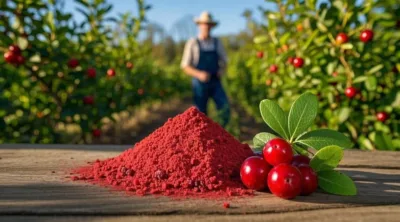
- Organic Cranberry Powder: This form is made by gently drying and milling the whole fruit, so it retains the natural fiber of the cranberry along with its skins, seeds, and pulp. The fiber supports digestive health and a steadier blood-sugar response, while the full-fruit matrix preserves the broad spectrum of phytonutrients. It is excellent stirred into smoothies, folded into yogurt, sprinkled over oatmeal, or blended into homemade energy bites. Because it is made from the entire fruit, organic cranberry powder delivers a tart, robust flavor and a more complete nutritional profile, making it a versatile everyday staple for those focused on long-term reproductive and metabolic health.
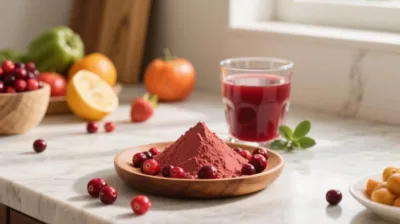
- Organic Cranberry Juice Powder: This is a more concentrated form produced by removing the water from cranberry juice, yielding a potent, shelf-stable powder that dissolves easily and delivers a strong shot of cranberry goodness in a small serving. It is ideal for mixing into water, herbal tea, or other beverages when you want convenience without the added sugar found in many commercial cranberry drinks. While it contains less fiber than whole-fruit powder, it remains a rich source of the signature PAC antioxidants. For busy routines, organic cranberry juice powder offers a quick, consistent way to maintain daily intake of cranberry’s beneficial compounds.
Always choose organic products to avoid pesticide residues and to ensure the purity and traceability of the ingredient. Organic certification also reflects farming practices that protect soil and water quality, which aligns with the broader wellness values many families hold as they prepare for pregnancy. Reading the label, checking for single-ingredient formulations without fillers or added sugars, and sourcing from a trusted supplier all help you get the genuine benefits cranberry has to offer.
The Bottom Line
While cranberry is not a magic fertility bullet, its rich antioxidant content, anti-inflammatory properties, and well-established ability to support urinary tract health make it a valuable addition to a balanced diet when trying to conceive. A healthy body is the foundation for healthy fertility, and cranberry can certainly contribute to that foundation by reducing oxidative stress, calming inflammation, and helping prevent the infections that might otherwise derail a conception plan. Used consistently and chosen in clean, organic form, it is a low-risk, genuinely beneficial habit that complements rather than replaces the fundamentals of preconception care.
The most effective approach to fertility remains a holistic one: a nutrient-dense diet, regular physical activity, restorative sleep, stress management, and professional medical guidance tailored to your individual situation. Cranberry fits naturally into that broader picture, particularly for maintaining urinary tract health and supplying the antioxidants that reproductive cells depend on. If you have specific fertility concerns, consult a qualified healthcare provider who can assess your needs and recommend evidence-based interventions. Cranberry can be a beneficial, reassuring part of that wider strategy, supporting your body so that it is as ready as possible for the journey ahead.
Considering its overall health benefits, how might you incorporate organic cranberry powder into your daily routine? Whether blended into a morning smoothie, stirred through yogurt, or taken as a convenient juice powder, a small consistent serving could be a simple, enjoyable step toward supporting your body while you plan for the future.
Recommended Products

Cranberry Powder
Cranberry Powder and Cranberry Juice Powder are derived from premium Vaccinium macrocarpon using low-temperature…