
Table of Contents
1. The Science of Extraction: How Plant Lineage Shapes Functional Efficacy
Not all inulin is created equal. The botanical source dictates its molecular structure, prebiotic potency, and industrial applications. Recent studies
1 comparing inulin extracts from Dahlia, Yam, and Gembili tubers revealed critical differences:
- Dahlia Tubers: Yield the highest inulin content (up to 20% by dry weight) with long-chain fibers (DP 10–60), ideal for stimulating Bifidobacteria growth in gut health products.
- Jerusalem Artichoke (菊芋): Rich in minerals (e.g., potassium, iron), its medium-chain inulin (DP 15–25) enhances texture in plant-based dairy alternatives while costing 30% less than chicory-derived variants.
- Chicory Root: Europe’s gold standard for purity (95.5%), its short-chain fractions (DP 2–10) dominate pharmaceutical coatings and infant nutrition (excluded in China due to regulatory restrictions).
Sustainability Edge: Solar-dried chicory processes reduce CO₂ emissions by 40%, while regenerative intercropping of Jerusalem artichoke with legumes cuts synthetic fertilizer use by 50%.
2. Biotech Breakthroughs: Redefining Inulin’s Role Beyond Fiber
The global inulin market, projected to reach $3.14B by 2032, is fueled by cross-industry innovations:
- Drug Delivery: Inulin’s thermal stability and hypoallergenicity make it a carrier for mRNA vaccines (e.g., Pfizer’s tropical climate formulations) and dry powder inhalers. Spray-freeze drying techniques optimize particle size (1–5 μm) for lung-targeted therapies.
- Beauty & Wellness: Agave-derived inulin, with its low glycemic index (GI), mimics hyaluronic acid’s moisture retention in anti-aging serums, piloted by L’Oréal.
- Cultured Meat: As a carbon source in lab-grown meat media, inulin slashes production costs by 25% while enhancing cell viability.
AI-Driven Customization: Startups like GutFuel use machine learning to tailor inulin blends for personalized glycemic control, targeting the $12B diabetic nutrition sector.
3. Regional Dynamics: From Farm to Global Markets
| Region | Key Source | Market Driver |
|---|---|---|
| Europe | Chicory Root | Nestlé’s gut-health cereals and EU’s Farm-to-Fork circular economy mandates. |
| Asia-Pacific | Jerusalem Artichoke | China’s “Healthy China 2030” policy drives 30% adoption in probiotic yogurts. |
| North America | Agave & Dandelion | Keto-friendly snacks and clean-label demand propel 22% CAGR growth. |
Emerging Frontiers: Bangladesh and Vietnam are becoming hubs for cost-efficient inulin extraction, reducing EU supply chain lead times by 50%.
4. Consumer Education: Overcoming Barriers to Adoption
Despite its benefits, 60% of global consumers remain unfamiliar with inulin
9. Strategic solutions include:
- Transparent Labeling: Brands like Beyond Meat highlight inulin’s role in reducing added sugars by 50% in plant-based sauces.
- Dosage Guidance: Starting with 5g/day to minimize bloating, gradually increasing to 15g for optimal prebiotic effects.
- Regenerative Storytelling: Blockchain QR codes trace inulin from organic菊芋 farms to carbon-neutral factories, appealing to ESG-conscious buyers.
5. Future Horizons: The 2030 Vision
- Precision Nutrition: Gut microbiome sequencing will enable AI to recommend inulin blends tailored to individual microbial profiles.
- Waste-to-Inulin Systems: Upcycling agricultural residues (e.g., corn husks) into inulin could offset 1.2M tons of CO₂ annually by 2035.
- Neuroprotective Therapies: Early studies link inulin fermentation to increased brain-derived neurotrophic factors (BDNF), potentially mitigating Alzheimer’s risk.
Why Inulin Wins the Future
Organic inulin is more than a prebiotic—it’s a multidisciplinary catalyst for health, sustainability, and technological innovation. Whether sourced from chicory’s meticulous European farms or China’s regenerative Jerusalem Artichoke fields, it bridges ancient botany with cutting-edge science. As Nestlé and Coca-Cola reformulate with inulin, this versatile biopolymer is redefining how we eat, heal, and thrive.
Recommended Products
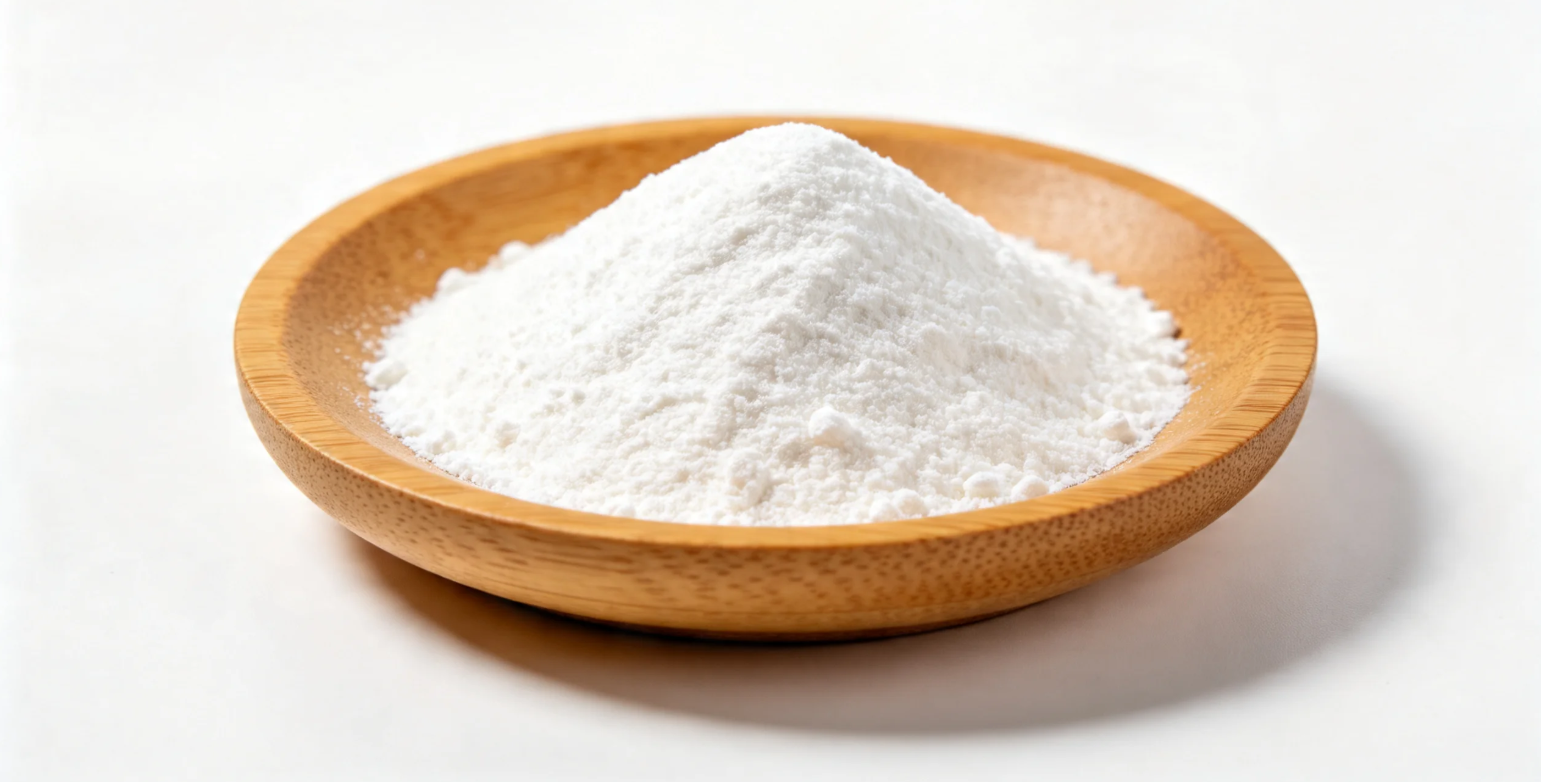
Organic Inulin Powder
Organic Inulin Powder — dual-variety formats sourced from certified organic Cichorium intybus (chicory root)…
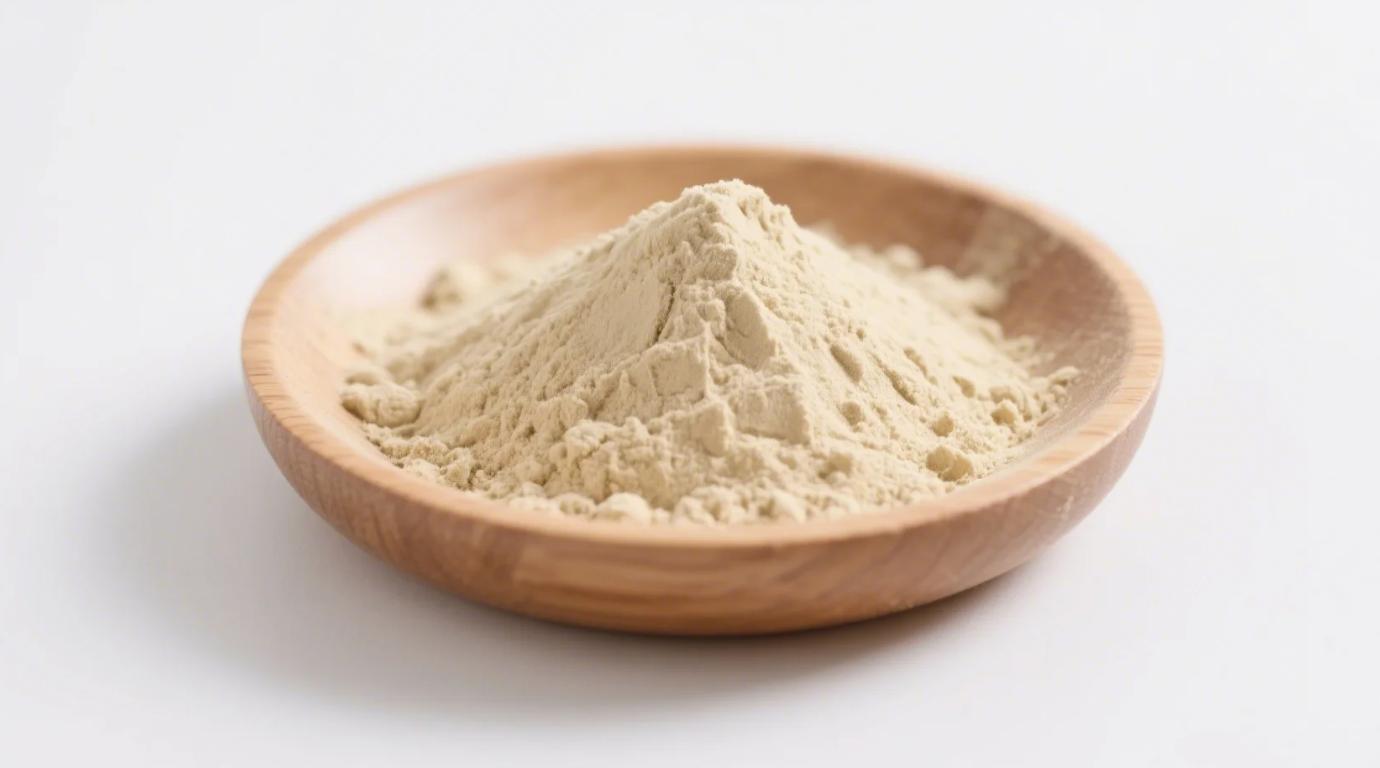
Organic Dandelion Root Extract Powder
Organic Dandelion Root Extract Powder is derived from organically cultivated Taraxacum officinale roots using…
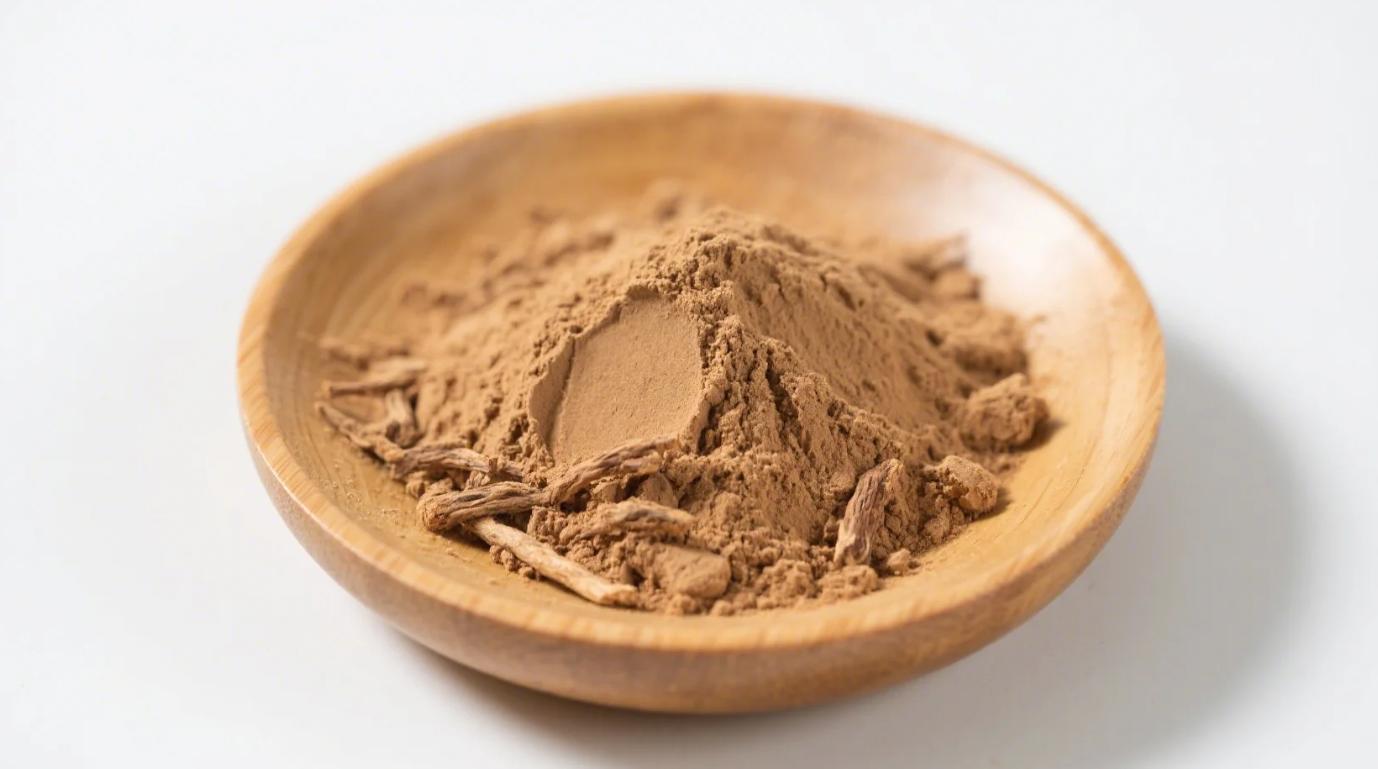
Organic Dandelion Root Powder
Organic Dandelion Root Powder is made from carefully selected organically cultivated Taraxacum officinale roots,…