
Table of Contents
Red ginseng is a kind of traditional Chinese medicine made by people participating in the work. It is a very common medicinal material in Chinese medicine. Many people also consume red ginseng to nourish the body. More precisely, red ginseng is the steam-processed and dried root of Panax ginseng, a slow-growing perennial plant native to the cool mountain forests of Northeast Asia. Unlike raw white ginseng, which is simply peeled and dried, red ginseng undergoes a repeated steaming and drying cycle at high temperature that turns its flesh a deep reddish-brown and concentrates its active compounds. This traditional processing step is not merely cosmetic: the heat triggers a cascade of chemical transformations, most notably the formation of rare ginsenosides such as Rg3, Rh1, and Rh2 that are present only in trace amounts in unprocessed ginseng. For this reason, red ginseng has occupied a special place in classical Chinese, Korean, and broader East Asian herbal medicine for more than a thousand years, valued as a premium restorative for people recovering from illness, experiencing chronic tiredness, or simply seeking to maintain everyday vitality. Today it is consumed worldwide not only as a medicinal herb but also as a functional food ingredient, appearing in teas, soups, tonics, candies, and concentrated extract powders supplied to both individual consumers and the natural-products industry.
What benefits and effects can red ginseng bring to our body?
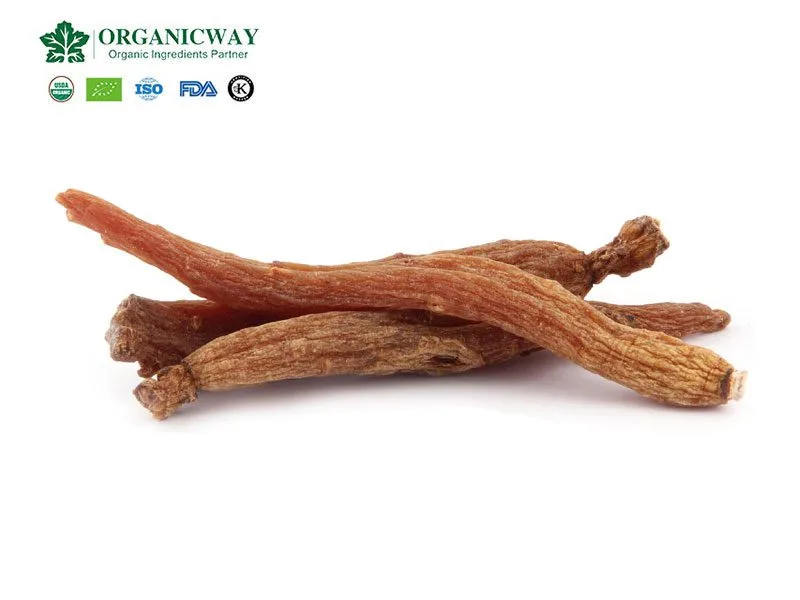
1. Anti-fatigue and improve immunity. Modern research supports what traditional practitioners long observed: red ginseng helps the body resist the physical and mental drain of a demanding lifestyle. The adaptogenic compounds in the root appear to moderate the body’s stress-response system, helping to stabilize cortisol patterns and reduce the sense of exhaustion that builds up after long periods of work, study, or intense exercise. Several clinical studies have reported that standardized red ginseng supplementation can lower subjective fatigue scores, sharpen concentration, and shorten recovery time after strenuous activity. At the same time, the polysaccharides and ginsenosides in red ginseng stimulate the activity of immune cells such as macrophages and natural killer cells, which strengthens the body’s first line of defence against common viruses and environmental challenges. In practical terms, regular moderate use is often chosen by people who feel run down during busy seasons, students facing exam pressure, and athletes looking for gentler, plant-based recovery support rather than relying solely on stimulants.
Red ginseng contains very rich nutrients, which can help improve the body’s resistance to viruses. For some daily fatigue symptoms caused by work, study and exercise, it can play a certain improvement effect. The root is a natural source of ginsenosides, polysaccharides, peptides, amino acids, and a spectrum of trace minerals that together nourish metabolic function. Rather than delivering a sudden jolt of energy the way caffeine does, red ginseng tends to build a steadier baseline of resilience: users commonly describe feeling less wiped out at the end of the day and more able to sustain focus through repetitive tasks. This makes it especially popular as a daily tonic in cultures where preventive self-care is part of the routine. It is worth noting that benefits are usually cumulative, so consistent use over several weeks is generally more effective than an occasional large dose, and pairing the herb with adequate sleep and balanced nutrition multiplies the effect.
2. Nourishing blood and nourishing qi. In the framework of traditional Chinese medicine, “qi” is the vital energy that animates the body, while “blood” carries nourishment to every tissue; weakness in either is linked to low stamina, pale complexion, and a tendency to feel cold. Red ginseng is classified as a warm, strongly tonifying herb that replenishes both, which is why it has been a cornerstone of convalescent diets for centuries. We all know that ginseng is a nourishing top grade, and as a member of the ginseng “family”, red ginseng can also have a good effect of nourishing blood and nourishing qi. For people with cold hands and feet, weak limbs, dizziness, and fatigue, eating red ginseng can have a good tonic effect. The warming nature of the root is thought to improve peripheral circulation, which explains its traditional use for people who constantly feel chilly or who tire quickly on mild exertion. Contemporary users often take it in slice, tea, or powder form during the colder months or after blood loss, surgery, or prolonged illness to help restore colour, strength, and appetite. While it is not a substitute for medical treatment of anaemia or other blood disorders, it is widely used as a complementary support alongside a nutrient-rich diet.
We all know that ginseng is a nourishing top grade, and as a member of the ginseng “family”, red ginseng can also have a good effect of nourishing blood and nourishing qi. For people with cold hands and feet, weak limbs, dizziness, and fatigue, eating red ginseng can have a good tonic effect. Beyond comfort, the blood-nourishing action is closely tied to red ginseng’s influence on haemoglobin and iron utilization, as well as its mild stimulation of digestive absorption, which together help the body make better use of the food it eats. In daily life this translates into steadier moods, fewer energy crashes, and improved tolerance to physical work. Many older adults in East Asia take a thin slice of red ginseng first thing in the morning, either chewed slowly or steeped in hot water, as a simple ritual to start the day with warmth and strength. The key is moderation and regularity: a small amount taken consistently is traditionally considered far superior to infrequent large quantities.
3. Prevent hypertension and arteriosclerosis. Cardiovascular health is one of the most studied areas of red ginseng research, and the findings are encouraging for people concerned with long-term circulation. Studies have shown that red ginseng can effectively regulate the body’s immune function and reduce blood viscosity, and can play a very good two-way regulation of blood pressure. This “two-way” action means the herb does not simply push blood pressure in one direction; instead, it helps nudge an over-high reading downward while supporting healthy tone in those who run low, which is why traditional texts describe it as balancing rather than forcing. By relaxing the smooth muscle of blood vessels and improving the flexibility of arterial walls, red ginseng may reduce the stiffness that contributes to arteriosclerosis, the gradual hardening and narrowing of arteries that raises the risk of heart and brain vascular events. Its antioxidant ginsenosides also help limit the oxidation of LDL cholesterol, a key step in the formation of arterial plaque.
Studies have shown that red ginseng can effectively regulate the body’s immune function and reduce blood viscosity, and can play a very good two-way regulation of blood pressure. In addition, red ginseng also has certain anti-radioactivity and the effect of reducing body fat content. The blood-thinning, viscosity-lowering effect is particularly relevant for people whose jobs or lifestyles keep them sedentary for long hours, since sluggish circulation is a known contributor to clot risk and swollen limbs. Some research also points to improved lipid metabolism, meaning the body processes dietary fats a little more efficiently, which can support healthy weight management when combined with diet and movement. The anti-radioactivity and radioprotective properties noted in traditional and modern literature refer to the herb’s ability to help the body mop up free radicals generated by radiation and oxidative stress, offering a layer of cellular protection that appeals to people living in polluted urban environments. None of this replaces prescribed cardiovascular medication, but as part of a heart-conscious lifestyle red ginseng is a well-regarded ally.
4. Soothe the nerves and replenish the brain. The calming-yet-clarifying action of red ginseng makes it unusual among tonics: it does not sedate, yet it takes the edge off nervous tension and supports clearer thinking. Chinese medicine points out that red ginseng can help nourish the five internal organs, soothe the spirit and eliminate evils. Therefore, long-term consumption of red ginseng can have a good effect of soothing the mind and nourishing the brain. For some people with frequent insomnia and poor memory, eating red ginseng is a good choice, especially women in menopause. The herb’s ginsenosides influence neurotransmitter balance, including GABA and acetylcholine pathways that govern relaxation and memory formation, which helps explain reports of deeper, more restorative sleep and sharper recall after regular use. Menopausal women in particular have been the focus of several studies showing relief from mood swings, sleep disturbance, and the “brain fog” that can accompany hormonal transition. Rather than masking symptoms, the traditional view is that red ginseng rebuilds the underlying reserve of spirit and essence, so the calming benefit grows with continued, measured use.
Chinese medicine points out that red ginseng can help nourish the five internal organs, soothe the spirit and eliminate evils. Therefore, long-term consumption of red ginseng can have a good effect of soothing the mind and nourishing the brain. For some people with frequent insomnia and poor memory, eating red ginseng is a good choice, especially women in menopause. In a modern context, this nervous-system support is valued by anyone navigating high cognitive load — professionals, students, and caregivers alike — who want steadier nerves without the crash of stimulants. Practically, a cup of red ginseng tea in the late morning or early afternoon is a common routine, since taking it too close to bedtime can, for some sensitive individuals, feel slightly activating. The brain-nourishing reputation also extends to healthy ageing, where maintaining circulation and antioxidant defence in the brain is seen as a way to protect memory and focus well into later life.
Side effects and precautions of red ginseng
First of all, we need to understand that red ginseng is not suitable for all people, especially those with special constitutions, such as people with yin deficiency and fire, patients with cerebral hemorrhage, people with irritable tempers and fever, avoid red ginseng. Otherwise, it may cause symptoms such as aggravation of its own symptoms, dizziness, headache, and increased blood pressure. In traditional terms, “yin deficiency with fire” describes a state of internal heat — dry mouth, red face, night sweats, irritability — and adding a warm, tonic herb can fan those flames rather than cool them. People running a fever, those with acute inflammation, or individuals with a naturally hot temperament are similarly advised to wait until the heat signs subside. Anyone who has experienced a stroke or cerebral haemorrhage should treat red ginseng as off-limits without explicit medical clearance, because its circulation-activating properties are precisely the kind of stimulation to avoid in that setting. The takeaway is simple: a powerful tonic is not a universal tonic, and respecting these contraindications is what keeps the benefit outweighing the risk.
It is also not recommended to eat red ginseng for young people in the developing stage, otherwise, it is likely to cause precocious puberty. Children and adolescents whose endocrine systems are still maturing are generally advised to avoid regular red ginseng use, since its tonifying, hormone-adjacent activity could interfere with normal developmental timing. This is less about a single accidental taste and more about avoiding daily or long-term supplementation in the growing years. Pregnant and breastfeeding women are likewise counseled to skip red ginseng unless a qualified practitioner explicitly approves it, given the lack of certainty about its effects during these sensitive periods. For the vast majority of healthy adults, however, the herb is well tolerated, and the cautionary groups are the exception rather than the rule. Knowing your own constitution — or asking a practitioner to assess it — is the responsible first step before making red ginseng a habit.
Another point to note is that although red ginseng is good for patients with hypertension, it must be approved by a professional doctor before consumption. Because many patients with high blood pressure have complications, if red ginseng is consumed blindly, it is likely to have an adverse effect. High blood pressure rarely travels alone; it is frequently accompanied by heart disease, kidney strain, or medication regimens such as blood thinners and antihypertensives that can interact with the herb’s own blood-pressure and clotting effects. A doctor can judge whether red ginseng fits your specific picture, what dose is sensible, and whether to monitor your readings more closely after you start. This is not about fear but about fit: the same two-way regulatory action that helps many people can, in the wrong combination, push a carefully managed reading in an unwanted direction. The safe path is collaboration with your healthcare provider, transparent disclosure of all supplements you take, and starting low and slow rather than self-prescribing a strong dose.
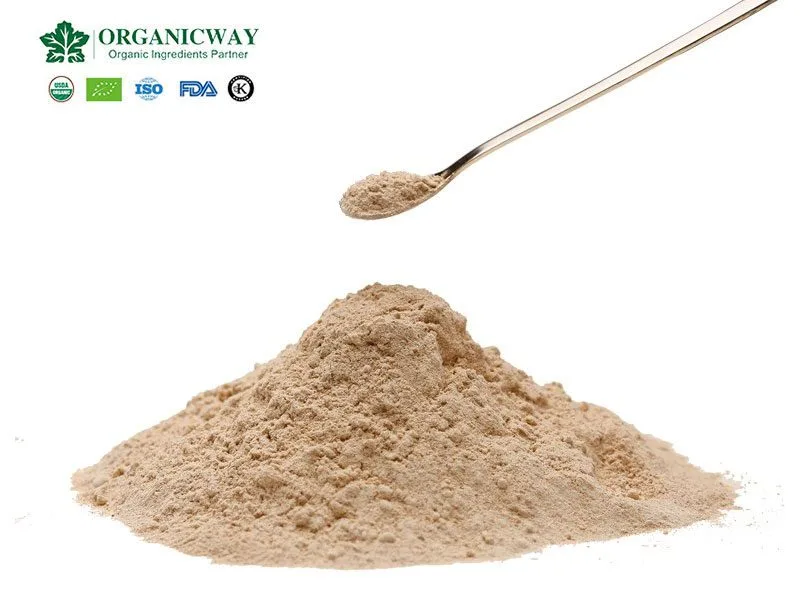 In daily life, there are many ways to eat red ginseng. You can use red ginseng to be simmered with some ingredients, drink tea, steam and eat, and eat red ginseng directly. You can also take ground red ginseng powder directly. It is also a good choice. As for red ginseng extract, it can be used as a medicine and food supplement. The most traditional method is to simmer a few slices of the root with lean meat, jujube, and goji berry into a nourishing soup, sipped warm to draw out the tonic essence. Steeping thin slices in hot water makes a convenient everyday tea, while steaming the root until soft and eating a small piece each morning is a classic Korean habit. For those who dislike the bitter edge, mixing finely ground ginseng powder into honey, porridge, or a smoothie masks the flavour and still delivers the active compounds. Concentrated red ginseng extract, available as a liquid or spray-dried powder, is the most practical format for precise dosing and for formulators who build it into capsules, beverages, and functional foods. Whichever form you choose, quality matters: look for clearly labelled ginsenoside content, clean sourcing, and reputable supply, since the market ranges from premium six-year root to heavily diluted product. Stored in a cool, dry place away from direct light, red ginseng keeps its potency for a long time, making it a practical staple for anyone who wants the steady, deep nourishment this revered root has offered for generations.