
Table of Contents
Matcha’s vibrant green hue and earthy flavor have made it a wellness favorite—but does this superfood come with a hidden cost to your pearly whites? For anyone who has built a daily ritual around a frothy bowl of organic matcha powder, the question is both practical and personal: will that beautiful jade color eventually leave a tint behind on tooth enamel? The short answer is that matcha can contribute to surface discoloration, but the mechanism, the intensity, and the real-world risk are very different from what you would experience with coffee, black tea, or dark sodas. In this guide we unpack the science of how pigments attach to enamel, why organic ceremonial grade matcha behaves differently from commodity powders, and the simple, dentist-approved habits that let you keep your smile bright while still enjoying every cup. We will also compare matcha head-to-head with coffee, explain the role of tannins and chlorophyll in plain language, and share realistic storage and brewing tips that minimize residue. Beyond cosmetics, we look at the oral-health upsides that actually make matcha a friend to your teeth rather than a foe. By the end, you will understand not just whether matcha stains teeth, but exactly how to enjoy its antioxidants, calm energy, and detox support without the worry—so your daily ritual stays both delicious and guilt-free.
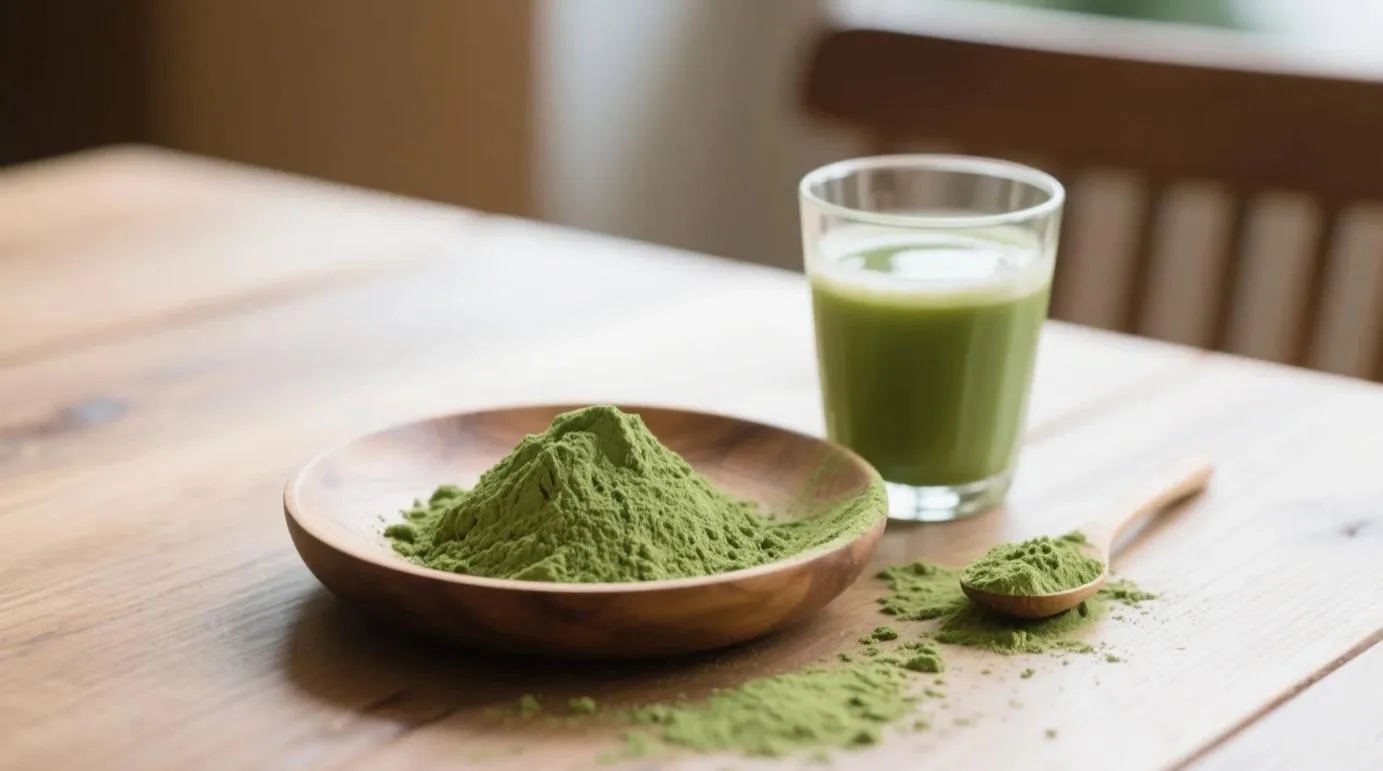
Why Matcha Might Stain Teeth
Like coffee or black tea, matcha contains natural pigments and tannins that can adhere to tooth enamel. However, its staining potential is milder compared to darker beverages. Here’s why: the color you see in a bowl of matcha comes from chlorophyll and a smaller fraction of plant tannins, both of which are water-soluble and far less prone to binding tightly to the microscopic pits and ridges of enamel than the dark, oily melanoidins found in roasted coffee. Enamel is the hardest tissue in the human body, but it is not perfectly smooth—under a microscope it is covered in tiny fissures where chromogens (color-bearing molecules) can settle. When a beverage is both dark and acidic, it softens enamel slightly and lets those chromogens sink in deeper, which is why coffee and red wine are notorious stainers. Matcha, by contrast, is only mildly acidic and its dominant pigment is green rather than black, so any discoloration tends to be surface-level and slow to develop. That said, frequency matters a great deal: sipping matcha all day from a bottle gives pigments far more contact time than a single morning bowl, just as grazing on berries all afternoon stains more than one serving. Genetics also play a role, because some people naturally have more porous or thinner enamel that picks up color faster. The key takeaway is not that matcha is completely stain-proof, but that it sits firmly on the gentle end of the spectrum when it is prepared and consumed mindfully, and any tint it leaves is usually removable with routine brushing rather than a professional polish.
- Chlorophyll: The green pigment in organic ceremonial grade matcha is less likely to stain than the tannins in black tea. Because the leaves are shade-grown and stone-milled into an ultra-fine powder, the chlorophyll is spread through the whole drink rather than concentrated in a dark brew, and it rinses away more readily than coffee oils that cling to enamel for hours after a cup.
- Acidity: Matcha has a higher pH than coffee, reducing enamel erosion risk. A milder acid load means the enamel surface stays harder and less porous, so pigments have fewer entry points and any tint that forms stays on the outer layer where normal brushing can reach it instead of migrating into tiny fissures.
- Preparation: High-quality organic matcha powder dissolves smoothly, leaving fewer residue particles. Ceremonial grade powder is milled so finely that it forms a suspension rather than grit, which means less rough material lodges between teeth compared with coarse or adulterated powders that can leave visible specks.
Matcha vs. Coffee: Staining Compared
| Factor | Organic Matcha Powder | Coffee |
|---|---|---|
| Pigment Type | Chlorophyll (green, less staining) | Melanoidins (dark, stubborn) |
| Acidity | Mild (pH ~6–7) | High (pH ~5) |
| Residue | Fine powder, rinses easily | Oily, clingy particles |
| Enamel Erosion | Lower risk | Higher risk |
How to Enjoy Matcha Without Staining
- Rinse After Drinking: Swish water or brush your teeth 30 minutes post-matcha. Waiting about half an hour lets saliva reharden any briefly softened enamel before you brush, which protects the surface; a quick water rinse right after the bowl clears loose pigment immediately and costs nothing.
- Use a Straw: Sip lattes or iced matcha through a reusable straw to bypass teeth. Routing the liquid toward the back of the mouth dramatically cuts contact time with enamel, which is the single biggest lever for preventing any tint and works for virtually any colored drink.
- Choose Quality: Organic ceremonial grade matcha has finer particles and fewer additives, reducing residue. A pure, vivid-green powder mixes into a smoother suspension, while low-grade powder may contain stems and filler that leave more grit behind and a duller, more staining-prone color.
- Mix with Milk: Dairy or plant-based milk can neutralize acidity and create a protective layer. The proteins in milk bind to tannins and coat enamel lightly, which both lowers the effective acidity and gives pigments less bare surface to grab onto during the time the drink is in your mouth.
Why Organic Matcha Is a Better Choice
Non-organic matcha may contain synthetic dyes or pesticides that worsen staining. Certified organic matcha offers:
√ No artificial additives that cling to enamel. Conventionally produced powders are sometimes brightened with artificial color or extended with sugars and fillers, all of which can stick to teeth; organic certification keeps the ingredient list to just pure leaf.
√ Purer, smoother texture for minimal residue. Because organic ceremonial leaves are shade-grown and stone-milled, the particle size is consistently fine, so there is far less coarse material left behind after you finish drinking and far less for bacteria to feed on.
√ Healthier enamel thanks to antioxidants like EGCG, which combat bacteria. EGCG is a catechin shown to inhibit the growth of oral bacteria that drive plaque and decay, so a clean organic matcha may actually support gum and enamel health over time rather than merely avoiding harm.
The Bright Side of Matcha: Benefits That Outweigh Risks
Even with mild staining potential, organic matcha powder is a powerhouse of perks:
- Antioxidant Boost: 137x more EGCG than regular green tea. Because you consume the whole leaf rather than an infusion, matcha delivers a concentrated dose of catechins that fight oxidative stress throughout the body and help protect gum tissue from inflammation.
- Calm Energy: L-theanine promotes focus without jitters. This amino acid smooths out the caffeine lift, giving steady alertness instead of the spike-and-crash pattern linked to coffee, which many people find easier on both mood and digestion.
- Detox Support: Chlorophyll aids in cleansing heavy metals. The same green pigment responsible for matcha’s color also binds certain toxins, supporting the body’s natural detoxification pathways and contributing to that clean, refreshed feeling after a bowl.
- Oral Health: Antibacterial properties fight plaque and bad breath. Regular, moderate matcha intake can reduce the bacteria that cause cavities and halitosis, partly offsetting any minor cosmetic staining and making it a genuinely tooth-friendly habit.
The Verdict
Yes, matcha can stain teeth—but far less than coffee or soda. With simple habits and high-quality organic matcha powder, you can savor its benefits while keeping your smile bright. The realistic picture is that an occasional bowl of ceremonial grade matcha presents negligible staining risk, and even daily drinkers who rinse and use a straw are very unlikely to see noticeable discoloration. Treat matcha like you would any pigmented food: enjoy it, then give your mouth a quick reset with water. If you already have surface staining from coffee or tea, a professional cleaning will remove it easily, and switching part of your routine to matcha may actually slow new buildup because its pigments are lighter and its acidity gentler. The bottom line is balance—matcha’s antioxidant, focus, and oral-health upsides comfortably outweigh its mild cosmetic downside when you prepare and consume it thoughtfully. A bright smile and a daily matcha ritual are not mutually exclusive; they simply ask for a little mindfulness and a glass of water on the side.
Love Your Matcha, Love Your Smile!
Try our organic ceremonial grade matcha for a smoother, cleaner sip, or explore organic matcha blends crafted for lattes and baking. Pair them with smart dental care, and enjoy matcha’s magic guilt-free. Choosing a verified organic source also means you avoid the synthetic brighteners and fillers sometimes found in bargain powders, so your enamel meets only pure leaf. Whisk it fresh, rinse after, and you get all the calm energy and antioxidant support with none of the worry. Whether you prefer a traditional bowl, a frothy latte, or a baked treat, the same gentle rules apply—moderation, a quick rinse, and a quality powder you trust.
Drink green, stay radiant—naturally!
Recommended Products

Organic Matcha Powder
Organic Matcha Powder—sourced from certified organic tea gardens in China—available in two grades.


