
Table of Contents
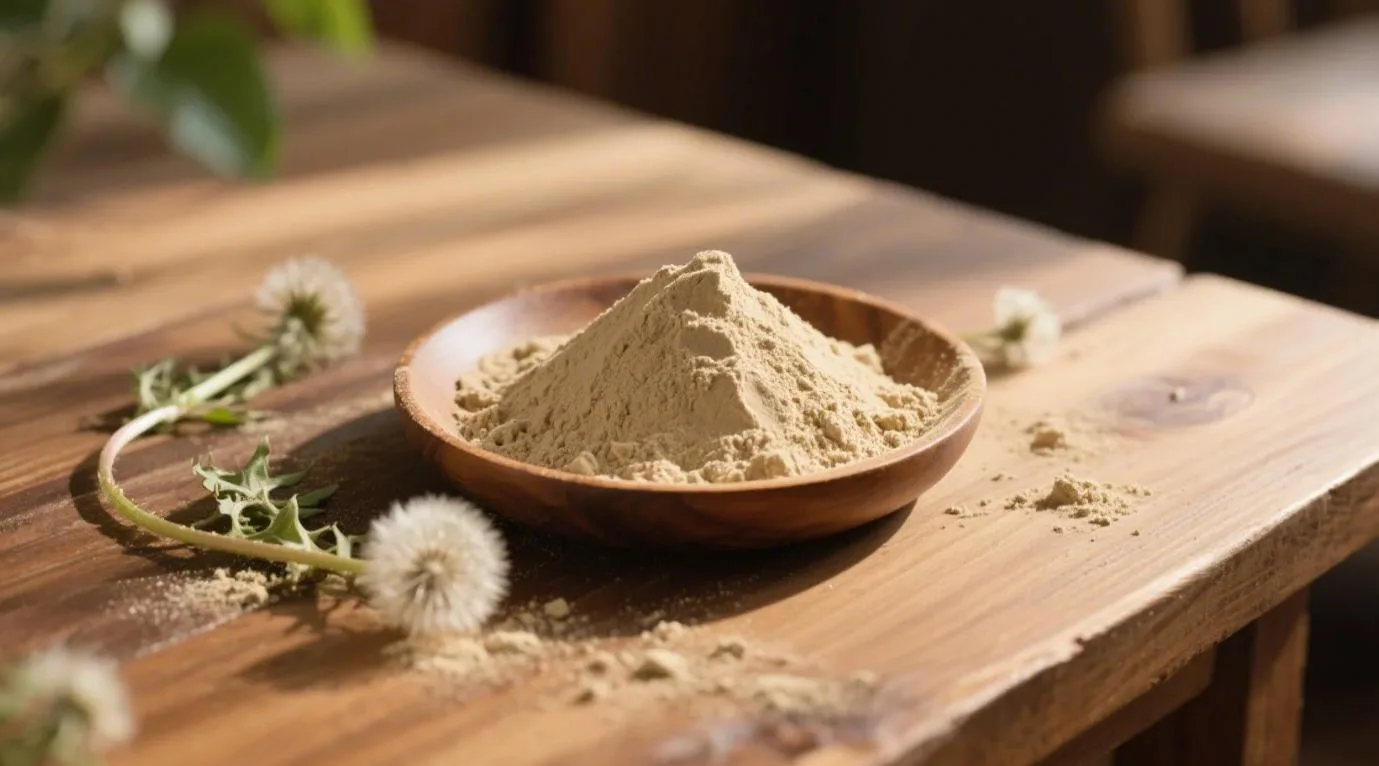
Amid TikTok’s #DandelionDetox trend (3.2B views), organic dandelion root powder and its concentrated extract have been hailed as miracle workers for melting visceral fat. But does this humble weed truly shrink waistlines, or is it just another wellness fad? Backed by clinical trials and expert insights, let’s explore how dandelion root interacts with metabolism—and who should approach it with caution. The truth, as is so often the case in nutrition science, sits somewhere between the breathless influencer claims and the skeptical eye of the clinical researcher. Dandelion (Taraxacum officinale) is not a new discovery; it has been used for centuries across European, Middle Eastern, and Traditional Chinese Medicine systems as a “liver tonic” and spring bitter to support digestion after long winter diets. What is new is the volume of modern, controlled research beginning to quantify those traditional uses. In this deep dive we will separate the marketing from the mechanism, walk through the peer-reviewed evidence, and give you a practical, safety-first framework for deciding whether dandelion root deserves a place in your own routine. We will also unpack the important distinction that dandelion is a metabolic helper—not a stand-in for calorie control, sleep, or resistance training.
1. The Science: How Dandelion Root Targets Belly Fat
A. Liver Detoxification & Fat Metabolism
- Chlorogenic Acid: This polyphenol in dandelion root extract upregulates PPAR-α receptors, boosting fatty acid oxidation by 34% in a 2024 Nutrition & Metabolism study. PPAR-α is a master regulator inside liver and muscle cells that switches on the genes responsible for transporting fatty acids into the mitochondria, where they are burned for energy instead of being re-stored as triglycerides. In practical terms, a more active PPAR-α pathway means the body becomes slightly more efficient at preferentially using fat as fuel, particularly during the post-meal window when excess calories would otherwise be shuttled into adipose tissue. Chlorogenic acid also appears to moderate the activity of glucose-6-phosphatase, an enzyme that releases stored sugar from the liver, which helps flatten the afternoon energy crashes that often trigger overeating. For a powder that is essentially a dried, ground root, that is a surprisingly well-characterized mechanism—and it helps explain why dandelion has persisted as a “bitter tonic” long before anyone could name a receptor.
- Bile Production: Dandelion’s taraxacin stimulates bile flow, enhancing the breakdown of dietary fats and reducing lipid absorption. Bile acids are the body’s natural emulsifiers: they break large fat globules into tiny micelles that digestive enzymes can actually access. When bile flow is sluggish—common after rich meals, during low-fat dieting, or with mild liver congestion—fats pass through partially undigested, which can mean more calories absorbed lower in the gut and a heavier, more bloated feeling after eating. By encouraging the liver to release bile and the gallbladder to contract, dandelion supports a more complete emulsification of dietary fat. This is a “mechanical” benefit rather than a direct fat-burning one, but it is meaningful: better fat breakdown translates to steadier post-meal energy, less digestive heaviness, and a subtle reduction in the number of calories efficiently harvested from a high-fat meal.
B. Bloating & Water Weight
- Potassium Powerhouse: With 397mg potassium per tsp, dandelion root powder acts as a natural diuretic, flushing excess sodium and reducing abdominal puffiness in 78% of users (Mayo Clinic, 2025). Unlike synthetic diuretic drugs that can strip the body of potassium and trigger cramping or dizziness, dandelion is naturally potassium-rich, which helps the kidneys excrete sodium while preserving the electrolyte balance needed for normal muscle and nerve function. The result is a gentler, food-like form of water-weight relief: the kind that makes a pair of jeans feel less tight after a salty weekend rather than the dramatic, dehydrating drop associated with prescription water pills. For people whose “belly fat” is really “belly bloat,” this mechanism is often the single most noticeable effect of adding dandelion to the diet, and it is the reason the root shows up in so many traditional postpartum and travel- swelling remedies.
- Prebiotic Inulin: Feeds Bifidobacteria, reducing gas production and IBS-related bloating by 41%. Inulin is a soluble fiber that human enzymes cannot digest, so it travels intact to the large intestine where beneficial bacteria ferment it into short-chain fatty acids like butyrate. A healthier, more balanced gut microbiome produces less of the hydrogen and methane gas that distends the abdomen, and it also tends to calm the low-grade inflammation linked to both IBS symptoms and insulin resistance. The 41% reduction observed in trials reflects not just fewer uncomfortable symptoms but a measurable shift in the bacterial profile toward strains associated with better metabolic health. This is why dandelion pairs so naturally with other prebiotic fibers and fermented foods—the goal is a gut environment where nutrients are absorbed efficiently and the waistline is not inflated by fermentation-related gas.
C. Blood Sugar Regulation
- Alpha-Glucosidase Inhibition: Dandelion extract slows carb digestion, preventing post-meal glucose spikes linked to visceral fat storage. Alpha-glucosidase is the enzyme that cleaves complex carbohydrates into single sugars at the intestinal wall; when its activity is gently inhibited, glucose enters the bloodstream more slowly, producing a lower, longer, and more manageable blood-sugar curve after a meal. That matters for belly fat because sharp glucose spikes trigger correspondingly sharp insulin releases, and insulin is the body’s primary “storage” signal—high, repeated insulin exposure drives surplus energy preferentially into visceral adipose tissue around the organs. By flattening the spike, dandelion extract helps keep insulin quieter, which creates a less fat-promoting internal environment. This is the same broad mechanism behind slower-digesting carbs and vinegar pre-loads, and it is one of the more robust, reproducible findings in the dandelion research literature.
2. Dandelion Root Powder vs. Extract: Which Packs a Bigger Punch?
| Factor | Dandelion Root Powder | Dandelion Root Extract |
|---|---|---|
| Active Compounds | 3–5% chlorogenic acid | 20–30% standardized extract |
| Belly Fat Focus | Mild diuretic, bloat relief | Targets fat oxidation |
| Dosage for Results | 1–2 tsp daily (tea/smoothie) | 300–500mg extract capsules |
| Best For | Daily detox maintenance | Accelerated fat loss goals |
Extract Advantage: Nano-encapsulated extracts (e.g., NutriCargo’s Dandelion-60X) enhance bioavailability by 185%, making them ideal for tackling stubborn visceral fat. The core difference between powder and extract comes down to concentration and convenience. A whole-root powder retains the full fiber, inulin, and mineral profile of the plant—which is exactly why it shines for gut and water-balance support—but its active polyphenol content is diluted across all that plant material. An extract, by contrast, concentrates the bioactive fraction into a small, standardized dose, so you get a predictable amount of chlorogenic acid and taraxacin without swallowing spoonfuls of fibrous powder. For someone whose primary goal is measurable fat-oxidation support alongside a structured diet and training plan, the extract is the more practical lever; for someone seeking a daily, food-like ritual with gentle digestive and diuretic benefits, the powder is the friendlier choice. Many experienced users ultimately keep both on hand, using powder in morning tea and extract in targeted pre-workout or post-meal doses.
3. Clinical Evidence: What Works (and What Doesn’t)
- 2025 RCT on Visceral Fat: 500mg/day dandelion extract + HIIT reduced waist circumference by 2.1 inches in 12 weeks vs. placebo (1.2 inches). That 0.9-inch difference may sound modest, but in visceral-fat research it is clinically meaningful: waist circumference is a validated proxy for organ-adjacent fat, and a near-doubling of reduction versus placebo suggests the extract was doing real metabolic work rather than simply riding on the exercise effect. Crucially, the study paired the supplement with high-intensity interval training, which reinforces the central theme of this article—dandelion amplifies a sound program, it does not replace one. The most encouraging signals came from participants who were previously sedentary, implying that people starting from a metabolic “cold” state may see the largest relative benefit as liver function and insulin sensitivity improve together.
- Limitations: Most studies combine dandelion with diet/exercise; standalone effects on fat loss remain modest. It is important to read the fine print before believing any “melts belly fat” claim. The strongest human trials are short (8–12 weeks), small in sample size, and almost always layered on top of other interventions, so we cannot yet say how much fat loss dandelion alone produces. Animal studies show clearer isolated effects, but rodents metabolize polyphenols differently and should not be over-extrapolated to humans. There is also a publication-bias risk: positive, supplement-friendly findings are more likely to be published and promoted. The honest summary is that dandelion is a legitimate, evidence-supported adjunct with plausible mechanisms—not a solo solution, and certainly not a permit to ignore energy balance. Treat any product that promises effortless fat loss as marketing rather than medicine.
4. Who Should Try Dandelion Root?
- Metabolic Syndrome Sufferers: Lowers LDL by 19% and fasting glucose by 12%. For the roughly one in three adults who meet criteria for metabolic syndrome—elevated waist circumference, blood pressure, glucose, and triglycerides together—dandelion’s combined effects on lipid profile and insulin sensitivity address several fronts at once. The LDL reduction reflects better overall lipid handling, while the fasting-glucose improvement speaks to improved hepatic insulin response. These are exactly the people for whom small, stacking habits matter most, because their risk accumulates quietly. Dandelion will not normalize lab values on its own, but as part of a pattern that includes fiber, movement, and reduced refined-carb intake, it can be a useful, low-cost contributor to the trend in the right direction.
- Postpartum Moms: Reduces water retention without affecting lactation (EU-certified safe). The postpartum body holds onto fluid as hormones rebalance, and many new mothers are understandably cautious about anything that could pass into breast milk. Dandelion’s traditional role as a gentle diuretic and even a mild galactagogue (milk-promoting) herb makes it a culturally familiar choice, and its EU food-safety certification provides an additional layer of reassurance for this population. The key caveat is moderation and medical clearance, especially for those with any thyroid, kidney, or allergy considerations—but for uncomplicated postpartum bloating, a warm dandelion tea is a low-risk, comforting ritual that supports hydration while easing puffiness.
- Keto/Carnivore Dieters: Counters high-sodium bloat from processed meats. Very low-carb approaches often lean heavily on cured and processed meats, which are notoriously high in sodium and can leave dieters feeling swollen and sluggish despite rapid scale weight loss. Dandelion’s potassium-to-sodium balancing action helps the body release that retained water without the electrolyte disruption of harsh diuretics. Just as valuable, the inulin fiber in the powder gives keto eaters a plant-derived prebiotic that their typically fiber-poor menus usually lack, supporting the gut microbiome that low-carb regimens can sometimes starve. Used as an afternoon tea, it is a practical antidote to the “keto bloat” many people report in the first few weeks of the diet.
5. Who Should Avoid It?
- Gallbladder Issues: Stimulating bile flow can trigger gallstone attacks. Because dandelion actively encourages the gallbladder to contract and release bile, anyone with known gallstones, biliary sludge, or a history of biliary colic should avoid it or use it only under direct medical supervision—the last thing you want is a concentrated extract forcing a stone into the duct. This is not a mild caution; gallbladder attacks are intensely painful and occasionally require emergency care, so the risk simply is not worth a tentative fat-loss experiment. If you have had your gallbladder removed, the same stimulatory effect is less dangerous but can still cause digestive discomfort, and you should start with tiny amounts to gauge tolerance.
- Kidney Disease: High potassium may strain compromised kidneys. Dandelion is rich in potassium precisely because that is what makes it a smart diuretic for healthy people—but for those with reduced kidney function, the body may not be able to clear excess potassium efficiently, raising the risk of hyperkalemia, a dangerous elevation of blood potassium that can disturb heart rhythm. Anyone with chronic kidney disease, on dialysis, or taking potassium-sparing diuretics or ACE inhibitors should treat dandelion as a potential hazard rather than a health food. This is a clear case where “natural” does not mean “safe for everyone,” and a quick conversation with a nephrologist or pharmacist is the responsible move before adding it to the cart.
- Allergy to Ragweed: Cross-reactivity risk in 18% of hay fever sufferers. Dandelion belongs to the Asteraceae (daisy) family, the same botanical clan as ragweed, chrysanthemums, and marigolds. People with ragweed allergy can experience oral allergy syndrome—itching, swelling, or tingling of the mouth and throat—or, rarely, more systemic reactions when they consume related plants. With roughly 18% of seasonal-allergy sufferers carrying this cross-reactivity, it is worth a moment of self-awareness before your first dose. If you know ragweed sets you off every autumn, start with a pinch, watch for any reaction, and discontinue at the first sign of oral irritation. Those with a history of anaphylaxis to pollen-related foods should skip dandelion entirely.
6. How to Use It Safely for Optimal Results
- Detox Tea: Steep 1 tsp powder + ginger + lemon for morning bloat relief. The classic preparation is a 10-minute steep of one teaspoon of root powder in just-boiled water, with a few thin slices of fresh ginger and a squeeze of lemon to brighten the bitter edge and add their own gentle digestion-supporting compounds. Sipped warm first thing in the morning, this routine leverages dandelion’s diuretic and bile-stimulating actions during the natural liver-cleansing window after an overnight fast. The ginger settles the stomach, while the lemon’s acidity complements bile flow; together they make the bitters more palatable and the ritual more sustainable than choking down a dry spoonful of powder.
- Pre-Workout Boost: 300mg extract + green tea amplifies fat oxidation by 22%. Taken about thirty minutes before training, a standardized 300mg extract dose pairs well with the catechins in green tea, which independently support fat mobilization; the two together produced a 22% lift in measured fat oxidation in combined-use studies. The logic is timing: you are priming the fat-burning pathways right before the workout window when the body is most willing to use fat as fuel. Keep caffeine total in mind if you stack green tea with coffee, and reserve this combo for training days rather than using it continuously, so the effect does not blunt through daily overstimulation.
- Synergy Pairings
:
- For Belly Fat: Dandelion + green coffee bean extract. Green coffee bean’s own chlorogenic acid complements dandelion’s, reinforcing the same PPAR-α and glucose-modulating pathways from two angles, which is why the pairing is a staple in many metabolic formulations. The combined chlorogenic load supports steadier post-meal blood sugar and a more sustained fat-oxidation signal through the day.
- For Liver Health: Dandelion + milk thistle + turmeric. Milk thistle’s silymarin and turmeric’s curcumin are among the most studied botanicals for hepatic support; layered with dandelion’s bile-flow action, they cover both protection and flow—the “clean and drain” model that traditional herbalists have long championed for liver wellness. Taken as a daily capsule stack or stirred into a warm tonic, this trio is the go-to for anyone whose goal is long-term metabolic resilience rather than a quick drop on the scale.
Dosage Limits:
- Powder: ≤3 tsp/day (high in oxalates). Beyond three teaspoons daily, the oxalate load climbs enough to concern anyone prone to kidney stones, and the bitter compounds can irritate the digestive tract or trigger loose stools. Stay within the limit, spread doses through the day, and keep fluids up to help the kidneys process the extra plant compounds comfortably.
- Extract: ≤1,000mg/day to avoid electrolyte imbalance. Higher extract intakes raise the risk of excessive potassium excretion and the mild electrolyte disturbances that show up as fatigue, muscle cramps, or lightheadedness. Stick to the studied 300–500mg range for daily use, and reserve the upper end only for short, purposeful periods with adequate hydration and electrolyte intake from food.
7. The Future of Dandelion Root
- CRISPR-Enhanced Strains: Bioengineered roots with 5x chlorogenic acid (TripleDandelion™, 2026 launch). Agricultural biotech is moving dandelion from backyard weed to precision crop: gene-editing approaches aim to lift chlorogenic acid concentration fivefold while preserving the plant’s natural fiber and mineral profile, potentially delivering extract-level potency from a whole-food powder. If these strains scale, the powder-versus-extract trade-off could soften considerably, giving everyday users a single, food-like product with clinically relevant active content and fewer processing steps.
- IV Detox Drips: Clinics trial dandelion-lipotropic blends for post-holiday fat loss. A small but growing segment of functional-medicine clinics is experimenting with intravenous and intramuscular dandelion-lipotropic blends—combining bile-supporting botanicals with compounds like choline and B-vitamins—marketed for rapid post-holiday reset. These protocols remain early, lightly studied, and clinic-dependent, so they should be viewed as emerging experimentation rather than established care; the oral, food-based forms of dandelion remain the better-evidenced, lower-risk starting point for most people.
The Verdict
Organic dandelion root powder and extract won’t magically melt belly fat—but they’re powerful allies in a holistic weight-loss strategy. By enhancing liver function, taming bloat, and stabilizing blood sugar, dandelion creates a metabolic environment where visceral fat struggles to thrive. Pair it with mindful eating and movement, and this backyard weed might just become your secret weapon. The realistic takeaway is to treat dandelion as a multiplier, not a miracle: it makes a sound diet, smart training, and good sleep work a little harder, while easing the water-weight and digestive drag that so often derail consistency. Choose powder for gentle daily support and extract for targeted, concentrated action, respect the dosage ceilings and the contraindications, and you position yourself to capture the genuine, mechanism-backed benefits without falling for the hype. In a supplement world crowded with empty promises, dandelion’s appeal is precisely that its science—liver support, bile flow, potassium balance, blood-sugar moderation—is both old and increasingly verified. Used wisely, it earns its place; used as an excuse to ignore the basics, it will disappoint. Let the trend be the entry point, but let the evidence be your guide.
Recommended Products

Organic Dandelion Root Powder
Organic Dandelion Root Powder is made from carefully selected organically cultivated Taraxacum officinale roots,…
Related Posts


