
Table of Contents
The convenience of powdered juices is undeniable—just add water, stir, and sip. But when it comes to health, most powdered drinks are notorious for their added sugars, artificial flavors, and nutrient loss. Enter organic orange juice powder, a game-changer that redefines what “healthy powdered juice” can be. Let’s squeeze out the facts and see if it deserves a spot in your pantry. For decades, the powdered beverage aisle has been dominated by brightly colored canisters promising fruit flavor in seconds, yet a closer look at the average ingredient label reveals a very different story: corn syrup solids, maltodextrin, Red 40, Yellow 5, and a parade of preservatives engineered for shelf stability rather than nutrition. That reputation is precisely why health-conscious shoppers have learned to distrust anything that comes in a scoopable tub. Organic orange juice powder breaks that pattern because it is built from a single, recognizable raw material—certified organic oranges—and a gentle drying process that respects the chemistry of the fruit. Understanding the difference is not just a matter of marketing vocabulary; it touches vitamin retention, glycemic response, environmental footprint, and even food safety. In the sections that follow we compare traditional powdered juice with the organic alternative, explain the science behind why the organic version can genuinely be healthy, flag the ingredients you should always avoid, and show how to use the powder wisely in everyday cooking, baking, hydration, and family meal planning.
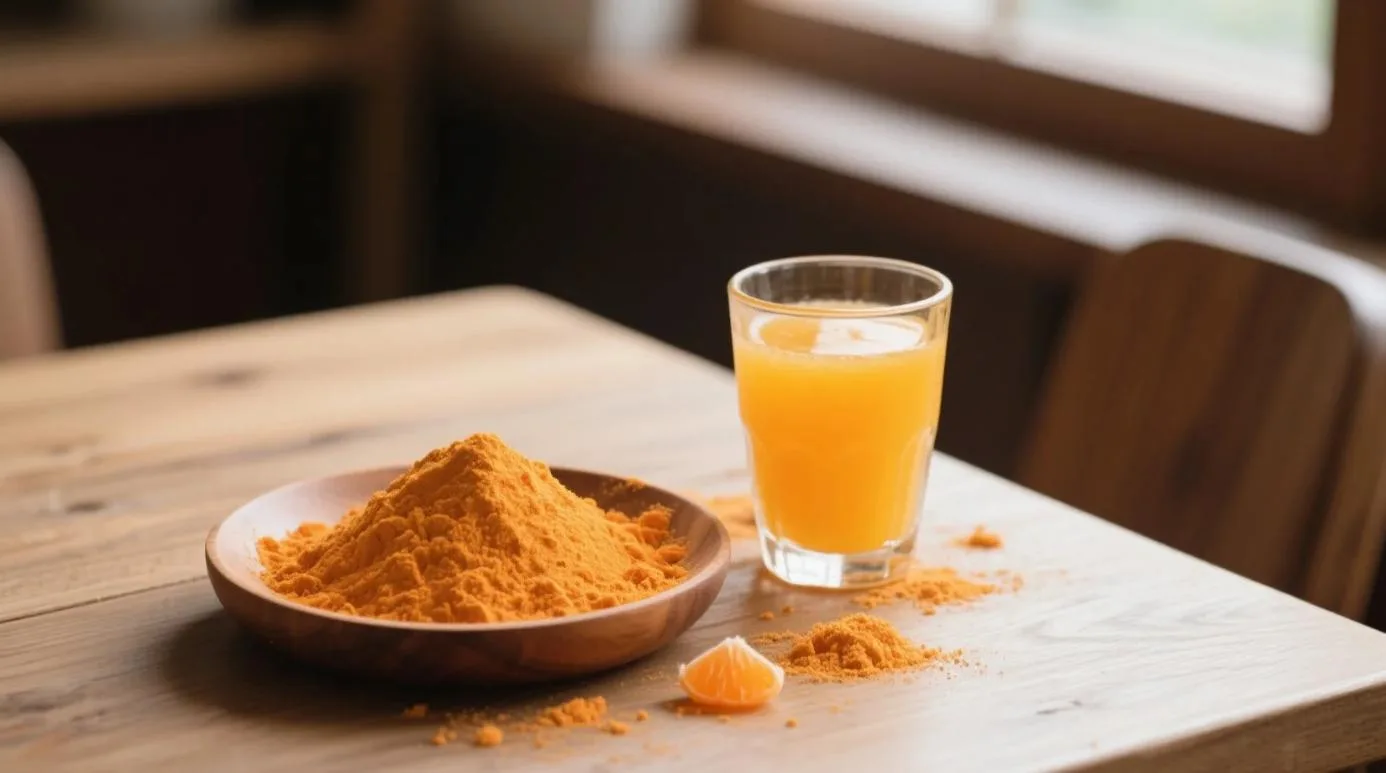
Traditional Powdered Juices vs. Organic Orange Juice Powder
| Factor | Typical Powdered Juice | Organic Orange Juice Powder |
|---|---|---|
| Ingredients | Added sugars, artificial flavors, preservatives | 100% organic oranges, no additives |
| Sugar Content | High (often 20–30g per serving) | Natural fruit sugars only (no added sugar) |
| Nutrient Retention | Low (heat processing destroys vitamins) | High (freeze-dried to preserve vitamin C, folate, antioxidants) |
| Fiber | None (removed during processing) | Contains natural pulp fiber |
| Certification | Often lacks transparency | USDA Organic, Non-GMO Project Verified |
Why Organic Orange Juice Powder Can Be Healthy
- Vitamin C Powerhouse: Freeze-dried organic oranges retain up to 98% of their vitamin C, a key immune booster and collagen promoter. Because the fruit is dried at low temperature under vacuum rather than boiled, the ascorbic acid molecules are not exposed to the prolonged heat that degrades them in conventional spray-dried juice. A single teaspoon of a well-made powder can deliver a meaningful fraction of the daily reference intake for vitamin C, supporting white-blood-cell function during cold season, aiding iron absorption from plant foods, and feeding the enzymes that keep skin, gums, and blood vessels resilient. For manufacturers and home users alike, that stability means the nutrient is still present months after production, not just on the day the canister was filled.
- No Added Nasties: Unlike conventional powders loaded with high-fructose corn syrup or aspartame, organic versions contain only the fruit’s natural sugars. There is no synthetic sweetener to confuse the palate, no food dye to trigger sensitivity in children, and no hydrogenated oil used to improve “mouthfeel.” The sweetness you taste is fructose and glucose that were inside the orange to begin with, bonded to the fruit’s own water and fiber. That matters for people managing blood sugar, because the absence of isolated refined syrup means the powder behaves more like a whole food than a candy, especially when paired with protein or fat in a recipe.
- Gut-Friendly Fiber: The inclusion of pulp fiber aids digestion, slows sugar absorption, and keeps you fuller longer. Organic orange juice powder made from whole-fruit press cake retains pectin and insoluble pulp that conventional clarified juice throws away. Soluble pectin is a prebiotic that feeds beneficial gut bacteria, while the fiber matrix blunts the post-meal glucose spike that pure juice would otherwise cause. Practically speaking, a scoop stirred into oatmeal or yogurt adds body and a gentle citrus note while contributing to the daily fiber target that most adults fall short of, making it a quiet upgrade rather than a nutritional compromise.
- Antioxidant Rich: Packed with hesperidin and beta-carotene, which fight inflammation and support heart health. Hesperidin is a citrus flavonoid concentrated in the peel and pulp, and because organic powder often includes those fractions, you get more of it than you would from drinking filtered supermarket juice. Beta-carotene converts to vitamin A as needed, supporting vision and immune defense. Together these compounds help neutralize free radicals generated by UV exposure, exercise, and normal metabolism, which is why a daily citrus habit is consistently associated in the research literature with better endothelial function and a more balanced inflammatory response.
- Eco-Conscious Choice: Lightweight powder reduces transportation emissions vs. shipping liquid juice. Removing water cuts both weight and volume by roughly 80–90%, so a truck can carry the nutrition of dozens of glass bottles in a single pallet of foil pouches. That shrinks fuel use, refrigerant demand, and the breakage waste that liquid shipping inevitably produces. For zero-waste households, the compact pouch also generates far less curbside recycling than rigid bottles, and because the product is shelf-stable, it does not spoil in transit or sit unsold until it is pulled from the shelf and dumped.
But Wait—Is Any Powdered Juice Healthy?
Not all powders are created equal! Here’s what to avoid:
❌ “Juice Cocktails”: Code for added sugars and fillers. The word “cocktail” on a label is a regulatory tell that the product is mostly sweetened water with a small percentage of juice concentrate, often under 10%, and the rest is sugar, citric acid, and color. These drinks train the palate to expect cloying sweetness and deliver a fast insulin spike with almost none of the fruit’s protective compounds.
❌ Artificial Vitamin Fortification: Synthetic nutrients ≠ whole-food nutrition. Folding in lab-made ascorbic acid or a vitamin premix does not recreate the synergy of the dozens of co-factors that travel with the real fruit; the body handles isolated nutrients differently, and fortification is frequently used to mask an otherwise empty product.
❌ Non-Organic: Conventional citrus crops carry pesticide residues like imazalil. Imazalil is a post-harvest fungicide applied to conventional oranges to prevent mold in storage, and it can persist on the peel that eventually becomes powder; choosing certified organic removes that entire class of risk and also prohibits synthetic fertilizers that degrade soil over time.
Organic orange juice powder sidesteps these pitfalls by prioritizing purity and process:
√ Freeze-Dried, Not Heat-Pasteurized: Protects heat-sensitive nutrients. In freeze-drying the fruit is frozen and the ice is removed by sublimation under vacuum, so volatile aromatics and vitamins never sit in hot liquid; the result tastes closer to fresh peel and flesh than any spray-dried alternative.
√ Cold-Pressed First: Juice is extracted before drying to maximize flavor and nutrition. Cold pressing minimizes oxidation at the extraction stage, preserving the bright citrus oils that give the powder its aroma and that also carry much of the antioxidant load, instead of crushing and heating the whole fruit in a way that bleeds off those delicate compounds.
How to Use Organic Orange Juice Powder Wisely
- Morning Boost: Mix 1 tsp into water or smoothies for a vitamin C kick. Beyond plain water, fold it into a banana-spinach smoothie where the citrus acidity rounds out the greens, or whisk it into plain kefir for a tangy breakfast drink that doubles as a probiotic source without the sugar of flavored supermarket versions.
- Baking Secret: Add to muffin batter, frosting, or salad dressings for zesty flavor. The powder disperses evenly with dry ingredients, so you get consistent citrus notes in every bite; in frosting it replaces artificial extract and food coloring, and in vinaigrette it emulsifies with olive oil to make a bright, shelf-stable dressing that needs no fresh fruit on hand.
- Hydration Hack: Blend with electrolyte tablets for a natural sports drink. After a workout, the natural fruit sugars and potassium in the powder support recovery alongside added electrolytes, giving you a homemade alternative to neon-colored commercial drinks that often list sugar as the first ingredient.
- Kid-Friendly: Make “instant” popsicles by freezing with coconut water. Pour the mix into molds and you get a frozen treat with real fruit nutrition and no high-fructose corn syrup, a small but meaningful swap that children will not notice yet parents can feel good about serving on a hot afternoon.
Pro Tip: Pair with a healthy fat (e.g., chia seeds) to enhance antioxidant absorption. Fat-soluble carotenoids and certain flavonoids are absorbed more efficiently when consumed with dietary lipid, so stirring the powder into a chia pudding or a yogurt with nuts turns a simple citrus sip into a more bioavailable, longer-lasting source of nutrition rather than a quick flush of sugar and vitamin C through the system.
Who Should Try It?
- Busy Professionals: Skip the fridge—no spoiled OJ in your bag. A desk drawer pouch survives the commute and a long meeting, so you can rebuild a glass of citrus in the break room without worrying about the carton that quietly curdles by Wednesday.
- Parents: Sneak fruit nutrition into picky eaters’ meals. The powder blends invisibly into pancake batter, yogurt, and sauces, delivering vitamin C and flavonoids to children who would otherwise refuse a plate of orange segments.
- Travelers: Lightweight, TSA-friendly, and no leaks! A sealed pouch passes airport security without the liquid limit headache and never bursts in a suitcase the way a bottle can after cabin-pressure changes.
- Zero-Waste Advocates: Reduce packaging waste compared to bottled juice. One small pouch replaces multiple glass bottles, cutting curbside recycling and the carbon of shipping all that water, which aligns with a low-impact kitchen without sacrificing the daily dose of citrus.
The Verdict
When made from certified organic oranges and processed mindfully, powdered juice isn’t just healthy—it’s a smart, sustainable upgrade from traditional options. While fresh oranges win for whole-food goodness, organic orange juice powder is the clear winner for convenience without compromise. The deciding factors are process and provenance: freeze-drying and cold pressing preserve the vitamin C, folate, hesperidin, and pulp fiber that heat-treated conventional mixes discard, while organic certification removes the pesticide residues and synthetic additives that make typical powdered drinks a poor nutritional trade. It will never fully replace biting into a whole orange—chewing delivers more intact fiber and a slower, more satisfying satiety signal—but as a pantry staple it solves real problems of spoilage, weight, cost, and consistency that fresh juice cannot. For households balancing health, budget, and busy schedules, the organic powder earns its place as the rare powdered product that lives up to the “healthy” claim instead of borrowing it.
Ready to Sip Smarter?
Ditch the sugary mixes and embrace organic orange juice powder—where sunshine, nutrition, and convenience collide. Whether you’re blending, baking, or simply staying hydrated, this is powdered juice done right. Start by replacing one bottle of conventional concentrate in your cart with a single pouch, then experiment with the morning smoothie, the weeknight salad dressing, and the weekend popsicle mold; within a week you’ll have a feel for the scoop size that suits your taste and a kitchen that wastes less while eating better. The shift is small, reversible, and surprisingly satisfying—exactly the kind of upgrade that sticks because it asks nothing of your routine except a different scoop.
Stir in a spoonful of sunshine today!


