
The science has never been clearer: flaxseed deserves to be top of the list of the world’s most powerful medicinal foods. For just pennies a day it may protect against dozens of life-threatening health conditions. Flaxseed (Linum usitatissimum), sometimes called linseed, is one of the oldest cultivated crops on earth, prized since Babylonian times and recommended by Hippocrates and Charlemagne alike for its soothing, restorative properties. What modern research has confirmed is that this humble brown or golden seed is a nutritional powerhouse: it delivers an exceptional combination of alpha-linolenic acid (ALA, the plant-based omega-3), high-quality soluble and insoluble fiber, and uniquely concentrated lignans — plant compounds with potent antioxidant and mild estrogen-modulating activity. Together these three pillars explain why clinicians, dietitians, and food formulators keep returning to flaxseed as a low-cost, shelf-stable, and remarkably versatile functional ingredient. Whether you are sourcing for a retail supplement line, a bakery fortification program, or simply improving your own family’s diet, understanding the depth of flaxseed’s benefits helps you use it with confidence and consistency.
7 Flaxseed Healing Highlights
Below you will find our top 7 reports on flaxseed’s immense health benefits, including their role in preventing and/or reversing the #1 and #2 killers, namely, cardiovascular disease and cancer. Each of these highlights is backed by peer-reviewed human and animal studies, and most point to the same underlying mechanisms: reduced systemic inflammation, improved lipid profiles, better blood-sugar control, and the gentle mechanical cleansing action of insoluble fiber on the digestive tract. We have distilled the published evidence into plain-language summaries so that product developers, procurement specialists, and health-conscious consumers can all see exactly why flaxseed earns its reputation. In the sections that follow we expand on each numbered benefit, explain the biology in accessible terms, and then address the practical questions every buyer asks — ground versus whole, oil versus seed, storage, dosing, and how to fold flaxseed into everyday foods without changing taste or texture. Read through to the end and you will have a complete, sourced picture of why this ancient seed belongs in a modern wellness routine.
1. They Can Heal Your Arteries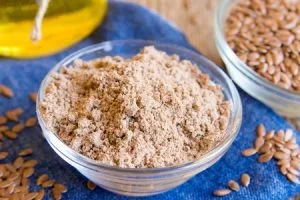
The arterial wall is a living tissue that responds constantly to diet, blood pressure, and circulating fats. Flaxseed’s ALA is converted — albeit modestly — into EPA and DHA, the long-chain omega-3s that calm endothelial inflammation and reduce the stickiness of platelets, making clots less likely. Multiple trials show that daily flaxseed intake lowers C-reactive protein and other inflammatory markers, while its soluble fiber binds cholesterol in the gut and helps usher it out before it can lodge in artery walls. Over months of consistent use, these effects translate into measurably improved flow-mediated dilation, the standard ultrasound measure of how flexibly arteries open in response to demand. For food and supplement brands, this is the headline benefit: a single inexpensive seed that supports the cardiovascular system on several fronts at once, which is why flaxseed appears in heart-health blends, cholesterol-management bars, and functional beverages across the global market.
2. They Can Contain Beneficial Plant Estrogens
Flaxseed is the richest known dietary source of lignans, phytoestrogens that gently mimic or moderate the body’s own estrogen depending on need. For postmenopausal women, these compounds can ease the frequency and intensity of hot flashes and support bone density without the risks associated with stronger hormonal therapies. Because lignans are concentrated in the fiber-rich seed coat, they survive intact until gut bacteria convert them into the active enterolignans enterodiol and enterolactone. The effect is subtle, safe, and cumulative — exactly the profile formulators want when building women’s-health products. Crucially, the lignan content is highest in whole and freshly ground seed; refining to oil strips most of it away, a trade-off every product spec sheet should note.
3. They Can Reduce Your Breast Cancer Mortality by 70%
Observational research from large cohorts has linked higher lignan intake with a striking reduction in breast-cancer mortality — figures approaching 70% in some long-term follow-ups. The proposed mechanism is twofold: lignans moderate excess estrogen signaling that can drive certain tumor types, and their antioxidant load limits oxidative damage to DNA. Animal studies reinforce this, showing slowed growth of established tumors when flaxseed is added to the diet. While no single food is a cure, the consistency of the signal across populations makes flaxseed a rational, low-risk complement to conventional care and a compelling ingredient for oncology-supportive nutrition. Buyers should look for guaranteed lignan percentages on supplier certificates of analysis, because lignan concentration varies widely by cultivar and growing region.
4. They Can Protect Against Ovarian Cancer
The same estrogen-modulating lignans that benefit breast tissue also appear protective for the ovaries. Several epidemiological analyses report lower ovarian-cancer risk among women with the highest dietary lignan exposure, likely because chronic unopposed estrogen stimulation is a recognized risk factor for ovarian malignancy. Flaxseed’s anti-inflammatory fatty acids add a second layer of defense by dampening the low-grade pelvic inflammation that can accompany metabolic syndrome. Though the evidence base here is smaller than for cardiovascular disease, the biological plausibility is strong and the safety margin is wide, which is why flaxseed is increasingly featured in women’s-wellness formulations aimed at lifelong hormonal balance rather than short-term symptom relief.
5. They Protect Against Radiation Toxicity
Preclinical studies suggest flaxseed can blunt the cellular damage caused by ionizing radiation. In animal models, dietary flaxseed reduced radiation-induced lung injury, skin damage, and marrow suppression, effects attributed to its antioxidant lignans and anti-inflammatory omega-3s scavenging the free radicals that radiation generates. While this is not a substitute for shielding or medical treatment, it points to a valuable role for flaxseed as a daily dietary buffer in environments where unavoidable low-dose exposure is a concern. For occupational and emergency-preparedness nutrition, a stable, storable seed with this profile is especially attractive, and the research continues to attract funding precisely because the intervention is so cheap and widely available.
6. They Can Dilate Your Arteries
Distinct from the long-term “healing” described in point one, flaxseed also produces more immediate vasodilation. The ALA and associated nitrotyrosine-related pathways help blood vessels relax, lowering resistance and supporting healthy blood pressure after meals. Randomized trials have recorded meaningful drops in both systolic and diastolic readings among hypertensive subjects consuming flaxseed daily, with effects most pronounced when the seed is eaten in ground form so the oil and fiber are fully bioavailable. This near-term action makes flaxseed a smart addition to functional foods targeting blood-pressure management, and it complements the structural arterial repair that builds up over longer periods of use.
7. They Can Treat Carpal Tunnel Syndrome
Carpal tunnel syndrome stems from compressed median nerve tissue inflamed by repetitive strain, and its pain is worsened by systemic inflammation. Flaxseed’s omega-3s shift the body away from pro-inflammatory prostaglandins toward anti-inflammatory ones, which can reduce the swelling pressing on the nerve. Small clinical reports describe improved grip strength and reduced nighttime pain in patients who added ground flaxseed to their routine alongside splinting and ergonomic changes. It is a supportive measure rather than a standalone fix, but for workplace-wellness programs and repetitive-strain-prone industries, an edible anti-inflammatory that costs pennies per serving is an easy, palatable recommendation to pair with physical therapy.
For those who are interested in how best to take advantage of flaxseed’s many health benefits, but are unsure what is the best way to consume it, we address some of the most common questions below. The practical details matter as much as the science, because flaxseed is only effective when it is fresh, properly prepared, and eaten in a form the body can actually absorb. A beautiful seed that has gone rancid, or one left whole and swallowed undigested, delivers little of the value described above. Below we walk through grinding, oil, storage, dosing, and everyday usage so that both individual consumers and commercial buyers can make decisions grounded in how flaxseed truly behaves from mill to metabolism.
Should I Eat The Seeds Ground or Whole?
First, keep in mind that flaxseeds are Nature’s ingenious design for preserving the precious cargo inside: highly therapeutic, though fragile polyunsaturated fatty acids, amino acids, and other fat-soluble vitamins. This also means that you don’t have to worry about refrigerating it. Once the seed is ground up and exposed to air, light, ambient fluctuations in temperature, and time, it begins to “go bad,” i.e. oxidize and degrade. The hard outer shell that makes whole seed so shelf-stable also makes it largely pass through the gut undigested if swallowed intact, which is why ground flaxseed is the form most often recommended for nutrition: cracking the shell releases the oil and fiber so the body can use them. The practical compromise many buyers adopt is to buy whole seed in bulk, store it cool and dark, and grind small batches at home in a coffee or spice grinder as needed. Commercially, cold-milled ground flax with oxygen-barrier packaging delivers the same convenience at scale. Either way, the rule is simple — keep seed whole until use, grind fresh, and protect the ground product from air and heat so the delicate omega-3s survive the journey to your plate.
The same rule applies to flaxseed oil. The company manufacturing the oil should maintain optimal freshness via nitrogen flushing the container, which will preferably be in non-chemical leaching glass. Also, opt for a high lignan form of the oil when available because you lose this valuable component of the seed material when you produce oil concentrate. Flaxseed has one of the highest levels of naturally occurring lignans known, and this is why if you are consuming the oil you may also wish to supplement with whole or ground flaxseed so that you benefit from these highly therapeutic compounds. When specifying oil for a product line, insist on cold-pressed, nitrogen-flushed, opaque or amber glass packaging and a certificate of analysis showing low peroxide value and confirmed ALA content. Store the oil refrigerated and use it within the stated shelf life; never heat it for cooking, since high temperature destroys the fragile fatty acids and accelerates rancidity. Used correctly, flaxseed oil is an efficient way to deliver plant omega-3s to people who dislike the texture of the seed, while whole or ground seed remains the only way to capture the full lignan and fiber benefit that make flaxseed unique among functional foods.
Related Posts


