
Table of Contents
What is Galactooligosaccharide Powder?
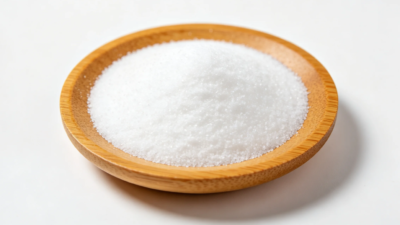
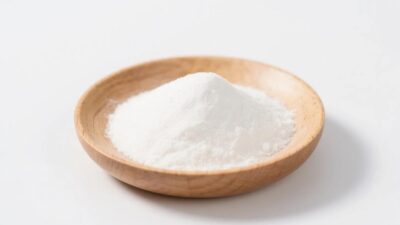
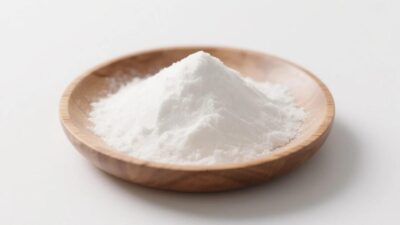
GOS Powder is a white to off-white fine powder with a GOS content of ≥55% on a dry basis, produced through enzymatic conversion of lactose sourced from dairy. The enzymatic process converts lactose into a mixture of oligosaccharides with galactose units linked through beta-1,4 and beta-1,6 glycosidic bonds that make them selectively fermentable by beneficial gut bacteria.
The prebiotic mechanism of GOS operates through selective fermentation: the beta-linked galactose structure is preferentially metabolized by bifidobacteria and lactobacilli in the colon, promoting their growth while suppressing opportunistic pathogens. Clinical studies demonstrate that daily supplementation of 1–7 g GOS significantly increases bifidobacteria populations within 1–2 weeks, with improvements in gut barrier function, immune markers, and bowel regularity. Importantly, GOS produces significantly less flatulence compared to FOS at equivalent prebiotic doses — a critical compliance factor for consumer products.
GOS occupies a unique niche due to its exceptional versatility. Its mild sweetness (~0.3x sucrose) allows it to function as a functional ingredient rather than merely a fiber supplement. In infant formula, GOS is globally recognized as one of the few prebiotics with demonstrated safety and efficacy for supporting infant gut microbiome development — a category with stringent regulatory requirements. For adult functional foods, GOS works synergistically with other prebiotics such as FOS or XOS, targeting multiple beneficial bacterial strains simultaneously.
PHYSICAL & CHEMICAL SPECIFICATIONS
Product Specifications
| Parameter | Value |
|---|---|
| Appearance | White to off-white fine powder |
| Source | Lactose (dairy-derived) |
| Processing | Enzymatic conversion |
| GOS Content | ≥55% (dry basis) |
| Solubility | Highly soluble in water |
| pH (10% solution) | 5.0–7.0 |
| Moisture | ≤5.0% |
| Ash | ≤3.0% |
| Sweetness | ~0.3x sucrose |
| Bulk Density | 0.55–0.65 g/cm³ |
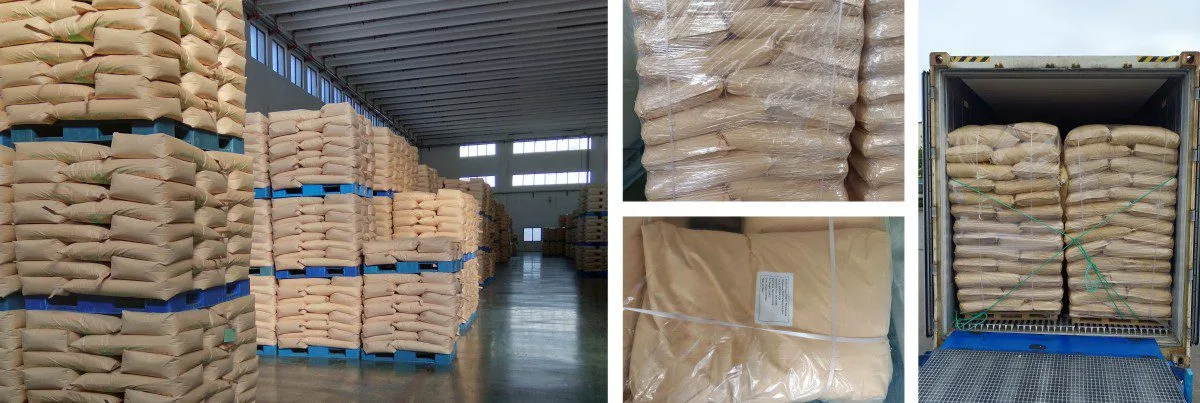
| Packaging | 20–25 kg kraft drums or customized |
| Shelf Life | 24 months |
Application Matrix
| Application | Suitability | Notes |
|---|---|---|
| Infant formula milk and fortified foods | Excellent | Globally approved prebiotic; HMO-similar benefits |
| Functional and dairy beverages | Excellent | High solubility; neutral flavor |
| Dietary supplements (capsules, sachets) | Excellent | Prebiotic or probiotic combination |
| Yogurt and fermented milk | Excellent | Compatible with probiotic stability |
| Bakery and confectionery | Good | Mild sweetness aids formulation balance |
| Nutritional bars and cereals | Good | Fiber fortification with minimal sweetness interference |
MICROBIOLOGICAL & CONTAMINANT STANDARDS
| Test | Specification |
|---|---|
| Total Plate Count | ≤1,000 cfu/g |
| Yeast & Mould | ≤100 cfu/g |
| Coliforms | Negative |
| E. coli | Negative |
| Salmonella | Negative |
| Residues | Below EU ML / USDA-NOP limits |
All batches tested and released against specifications. CofA available with every shipment.
CERTIFICATIONS
| Certification | Status |
|---|---|
| Non-GMO Project Verified | Yes |
| Kosher | Yes |
| Halal | Yes |
| ISO 22000 | Yes |
| HACCP | Yes |
| Vegan | Yes |
| Gluten-Free | Yes |
APPLICATIONS & FORMULATION TIPS
Key Functional Benefits
GOS’s three most significant functional advantages are bifidobacteria selectivity, low gas production, and application versatility. The bifidobacteria selectivity is driven by the beta-1,4/1,6 galactose linkage structure: bifidobacteria possess specific enzymes that preferentially ferment this structure, making GOS a targeted prebiotic rather than a general fiber. Clinical evidence shows significant bifidobacteria population increases within 1–2 weeks at daily doses of 1–7 g. The low gas production distinguishes GOS from FOS at equivalent doses — a critical compliance advantage in consumer-facing products, as excessive flatulence is the primary reason consumers discontinue prebiotic supplementation. The application versatility stems from GOS’s mild sweetness (~0.3x sucrose), high water solubility, and pH stability across 5.0–7.0, enabling use in everything from infant formula to RTD beverages.
Formulation Guidance
When adding GOS to formulations, note that it is stable across standard food processing conditions but should be added toward the end of thermal processing where possible to maximize prebiotic activity. In acidic beverages (pH below 4.0), GOS is more stable than FOS, though both benefit from end-of-process addition. GOS combines synergistically with FOS and XOS for multi-strain prebiotic effects. In infant formula, typical addition levels are 0.2–0.5 g/100 mL; for adult functional foods, 2–5 g per serving is common. For lactose-intolerant consumers, trace lactose residuals may be present; severe cases should consult healthcare professionals.
FAQ
Q: What is the source of GOS, and why does it matter?
A: GOS is derived from lactose sourced from dairy through enzymatic conversion. The enzymatic process — using beta-galactosidase — converts lactose into a mixture of galactooligosaccharides with beta-1,4 and beta-1,6 linkages. This matters because the beta-galactose structure is the primary reason GOS selectively feeds bifidobacteria rather than a broad range of gut bacteria. The sourcing ensures a clean, sustainable supply chain with documented traceability from farm to finished product.
Q: Is GOS suitable for lactose-intolerant consumers?
A: While derived from lactose, the enzymatic conversion process significantly reduces the lactose content. However, trace amounts may remain. For most lactose-intolerant individuals, the residual lactose at typical supplementation levels (1–7 g/day) is unlikely to cause symptoms. For those with severe lactose intolerance or dairy allergies, we recommend consulting a healthcare professional or choosing GOS derived from alternative prebiotic sources. Documentation on residual lactose levels is available upon request.
Q: How does GOS compare to FOS as a prebiotic?
A: Both are well-established prebiotics with strong clinical evidence. Key differences: GOS produces significantly less gas and bloating compared to FOS at equivalent doses — a major compliance advantage. GOS has mild sweetness (~0.3x sucrose) while FOS is nearly unsweetened (~0.1x), giving GOS an edge in flavor-sensitive applications. GOS’s beta-linked structure is more selectively fermented by bifidobacteria, while FOS supports a broader range of beneficial bacteria. For infant formula specifically, GOS has a longer history of global regulatory approval. Many premium formulations use both GOS and FOS together for synergistic effects.
Q: Is GOS safe and effective for infant nutrition?
A: Yes. GOS is one of only a handful of prebiotics with regulatory approval for infant formula globally. Research suggests GOS supports immune development, reduces the incidence of atopic dermatitis, and promotes normal stool consistency in infants — benefits extending beyond gut health alone. The structural similarity between GOS and human milk oligosaccharides (HMOs) provides the scientific basis for these applications, making GOS the preferred prebiotic choice for premium infant nutrition products.
Q: What daily dosage is recommended for prebiotic benefits?
A: Clinical studies demonstrate significant bifidobacteria increases with daily supplementation of 1–7 g GOS. Lower doses (1–3 g) are suitable for maintenance and sensitive individuals; higher doses (5–7 g) are used in therapeutic applications. For infant formula, typical addition levels are 0.2–0.5 g/100 mL. For adult functional foods and supplements, 2–5 g per serving is common. We recommend starting with lower doses and gradually increasing to assess individual tolerance.
Q: What are your minimum order quantities and shipping options?
A: We offer 1 kg free samples via FedEx, UPS, or EMS for quality verification. Standard bulk orders start at 25 kg with private label orders at 100 kg. Production lead time is typically 10–20 days. We ship from Qingdao or Tianjin ports and accept payment via T/T, L/C, D/P, D/A, MoneyGram, Western Union, or Credit Card. For volume pricing or custom specifications, contact sales@organic-way.com.
PACKAGING & STORAGE
Packaging
| Format | Standard Packaging | Custom Options |
|---|---|---|
| GOS Powder | 20–25 kg kraft drums; fiber drums | 5 / 10 / 20 kg bags; customized packaging; branded packaging for private label |
Storage Conditions
| Parameter | Value |
|---|---|
| Temperature | Cool and dry place; ≤25°C recommended |
| Humidity | Low humidity; sealed packaging |
| Light | Away from direct sunlight |
| Odor | Away from strong odors |
| Shelf Life (sealed) | 24 months |
| Opened Packaging | Reseal tightly after opening; use within 6 months |