Table of Contents
What is Organic Soy Protein Powder?
Organic soy protein is extracted from certified organic non-GMO soybeans using aqueous extraction and membrane filtration technology. Organic Way offers three functional grades — each optimized for different application requirements:
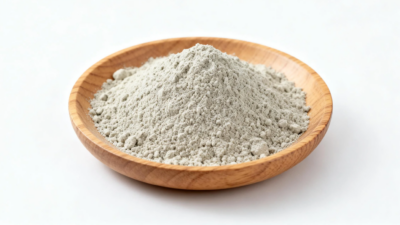
- Organic Soy Protein Concentrate (65–70%): Retains the soy fiber fraction; higher in dietary fiber (4–7%) and natural isoflavones. Ideal for bakery, meat analogues, and fiber-enriched applications.
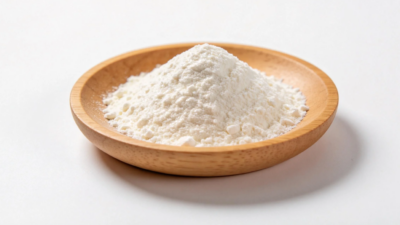
- Organic Soy Protein Isolate (≥90%): Further processed through membrane filtration to remove most carbohydrates and fat. Near-neutral flavor; preferred for sports nutrition, clinical nutrition, and clear-label applications.
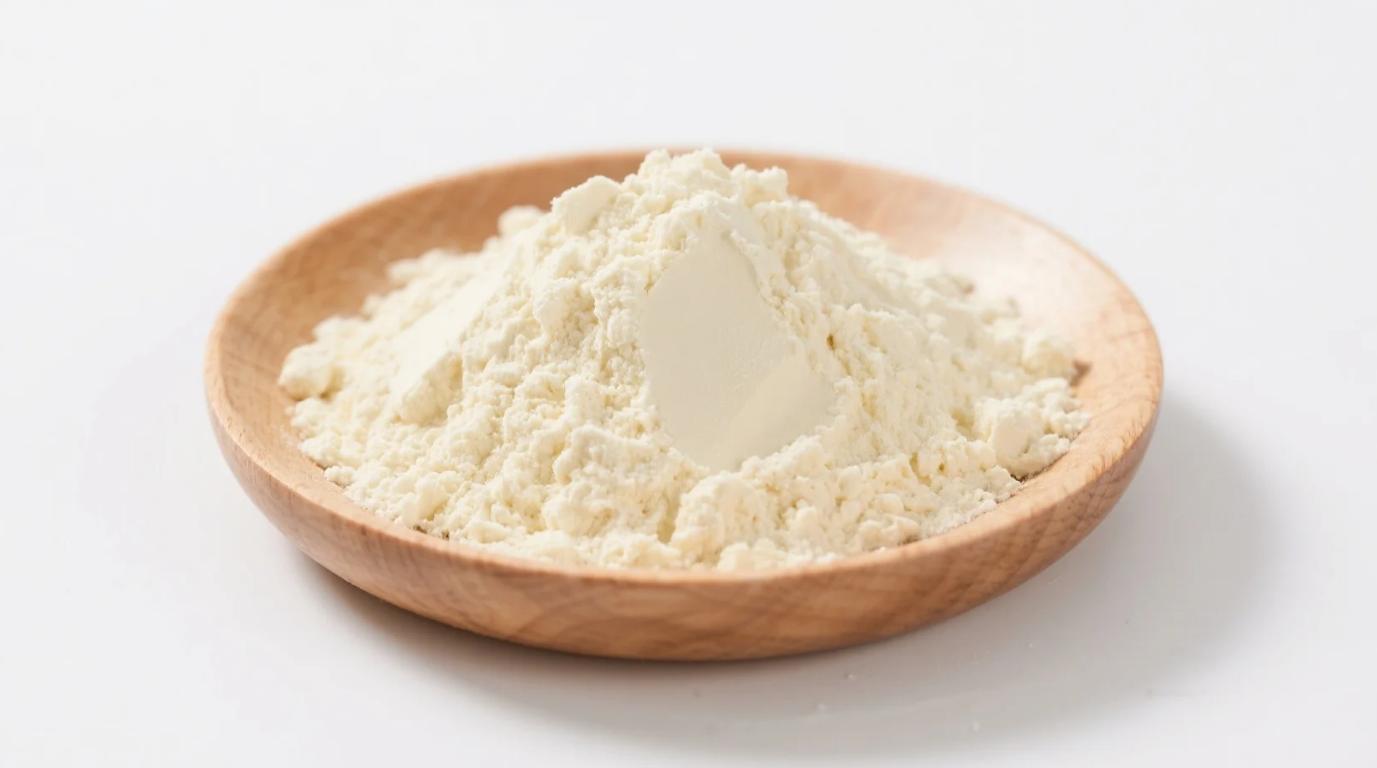
- Organic Soy Protein Hydrolyzed (≥85%): Pre-enzyme-treated (protease hydrolysis) for reduced antigenicity, improved solubility, and faster amino acid absorption. Preferred for hypoallergenic infant formulas (under applicable regulations) and medical nutrition.
Why Soy Protein Remains the Reference Standard
- PDCAAS of 1.0 — only single-source plant protein achieving maximum score; no blending required
- Complete EAA profile — all nine essential amino acids in adequate proportions; methionine is NOT limiting
- Isoflavone content (genistein, daidzein) — naturally occurring bioactives; unique to soy
- Exceptional emulsification and texturization — 7S globulin for meat analogues, tofu, dairy alternatives
- Heat stability — maintains functional properties through extrusion, baking, and UHT processing
Critical Labeling Note — Allergen & Isoflavone Disclosure Soy is a Big 9 major allergen and must be declared on all finished product labels (US: 21 CFR §101.4; EU: EU FIC 1169/2011). Under US NLEA, isoflavone content must be disclosed on nutrition labels when making protein claims with soy ingredients.
Production & Quality Assurance
- Organic farm sourcing (USDA NOP / EU 834/2007) — documented non-GMO seed stock
- Incoming testing: pesticide residues, mycotoxins (aflatoxin B1 < 4 μg/kg), heavy metals
- Aqueous extraction at controlled temperature (≤45°C) — no hexane used
- Membrane filtration → spray drying
- Lot-specific COA: protein, moisture, fat, ash, microbiology, heavy metals
- Third-party verification (SGS / Eurofins) available on request
Technical Specifications
Three-Grade Comparison
| Parameter | Concentrate | Isolate | Hydrolyzed | Test Method |
|---|---|---|---|---|
| Protein (dry basis) | 65–70% | ≥ 90.0% | ≥ 85.0% | Kjeldahl / Dumas |
| Moisture | ≤ 8.0% | ≤ 7.0% | ≤ 6.0% | AOAC 930.15 |
| Fat | ≤ 1.5% | ≤ 1.0% | ≤ 1.0% | Soxhlet |
| Ash | ≤ 6.0% | ≤ 5.0% | ≤ 5.0% | AOAC 942.05 |
| Fiber | 4–7% | ≤ 1.0% | ≤ 1.0% | AOAC 985.29 |
| Carbohydrates | ≤ 12.0% | ≤ 2.0% | ≤ 4.0% | By difference |
| Sodium | ≤ 100mg/100g | ≤ 50mg/100g | ≤ 500mg/100g* | ICP-MS |
| Genistein + Daidzein | 40–80mg/100g | 60–120mg/100g | 30–60mg/100g | HPLC |
| pH (10% solution) | 6.5–7.5 | 6.5–7.5 | 5.5–6.5 | pH meter |
| Particle Size | 100–200 mesh | 100–200 mesh | 100–200 mesh | Sieve |
| Color | Light beige | White | White | Visual |
| Solubility | ≥ 70% | ≥ 90% | ≥ 95% | NSI method |
*Hydrolyzed grade: sodium elevated due to pH adjustment during enzymatic hydrolysis.
Microbiological Specifications
| Parameter | Specification | Test Method |
|---|---|---|
| Total Plate Count | ≤ 10,000 CFU/g | ISO 4833 |
| Yeast & Mold | ≤ 100 CFU/g | ISO 21527 |
| Coliform | ≤ 10 CFU/g | ISO 4832 |
| E. coli | Negative/25g | ISO 16654 |
| Salmonella | Negative/25g | ISO 6579 |
Heavy Metals & Contaminants
| Parameter | Specification | Standard |
|---|---|---|
| Lead (Pb) | ≤ 0.5 mg/kg | Prop 65 / EU 2021/1323 |
| Arsenic (As) | ≤ 0.3 mg/kg | Prop 65 |
| Cadmium (Cd) | ≤ 0.1 mg/kg | EU Regulation |
| Mercury (Hg) | ≤ 0.05 mg/kg | Prop 65 |
| Aflatoxin B1 | ≤ 4 μg/kg | EU 2023/915 |
| Pesticide Residues | ND (per EC 396/2005) | GC-MS/MS |
Certifications
| Certification | Issuing Body | Scope |
|---|---|---|
| USDA Organic | USDA NOP (via accredited certifier) | Production + processing |
| EU Organic | EU Reg. (EC) No 834/2007 | Import + sale in EU |
| Non-GMO Project Verified | Non-GMO Project | Raw material + finished product |
| Kosher | KSA / OU (lot-specific) | Processing facility |
| Halal | IFANCA / MUI (lot-specific) | Processing facility |
| FSSC 22000 | Bureau Veritas | Manufacturing facility |
Applications & Formulation Guidance
| Application | Recommended Grade | Typical Addition |
|---|---|---|
| Plant-Based Meat Analogues | Concentrate or Isolate | 10–20% of blend |
| Sports Nutrition (shakes, bars, RTD) | Isolate | 20–35g/serving |
| Tofu & Soy Dairy Alternatives | Concentrate or Isolate | 8–15% of formula |
| Bakery (protein bread, crackers) | Concentrate | 5–12% of flour weight |
| Infant / Medical Nutrition | Hydrolyzed | Per regulatory limit |
| Extruded Snacks | Isolate | 8–15% of formula |
| Beverage Fortification | Isolate or Hydrolyzed | 2–5% of formula |
| Animal Feed / Pet Food | Concentrate | 5–15% of recipe |
Formulation Notes:
Hydrolyzed grade: Trypsin inhibitor activity reduced by ~80%; NSI >95%; suitable for acid-sensitive applications
Allergen declaration required: Soy is a Big 9 allergen — must be declared per FDA/FSA regulations
Isoflavone disclosure (US): Under NLEA, isoflavone content must appear on nutrition facts when making protein claims with soy
Extrusion performance: Soy protein’s 7S globulin provides excellent melt and texturization in high-moisture extrusion
FAQ
Q1: What is the difference between Organic Soy Protein Concentrate, Isolate, and Hydrolyzed?
A: All three are derived from certified organic non-GMO soybeans but differ in protein purity and processing:
Concentrate (65–70%): Retains the fiber fraction; higher isoflavones; cost-effective. Ideal for meat analogues, bakery, fiber-enriched products.
Isolate (≥90%): Additional membrane filtration removes most carbs and fat; highest purity; near-neutral flavor. Preferred for sports nutrition and clinical nutrition.
Hydrolyzed (≥85%): Pre-treated with protease enzymes; faster absorption; reduced antigenicity; NSI >95%. Used in hypoallergenic medical nutrition and specialized sports nutrition.
Q2: Is Organic Soy Protein a complete protein?
A: Yes. Organic soy protein achieves a PDCAAS of 1.0 — the only single-source plant protein to do so. All nine essential amino acids are present in adequate proportions; methionine (1.3g/100g) is the highest of all plant proteins and is not limiting. No complementary protein pairing is required for adult EAA coverage.
Q3: How does soy allergen labeling affect my formulation choices?
A: Soy is a Big 9 major food allergen and must be declared on all finished product labels (US: 21 CFR §101.4; EU: EU FIC 1169/2011). If allergen-free positioning is required, organic pea, mung bean, sunflower, or fava bean proteins are recommended alternatives. The hydrolyzed grade has reduced antigenicity but is not allergen-free and still requires declaration.
Q4: What is the isoflavone content, and does it need to be declared on finished product labels
A: Organic soy protein contains 40–120mg/100g of total isoflavones (genistein + daidzein), with isolate having the highest concentration. Under US NLEA, isoflavone content must appear in the nutrition facts panel when making protein claims with soy ingredients. In the EU, isoflavone-containing products require additional guidance for specific populations. Lot-specific isoflavone testing data is available on COA.
Q5: Is your Organic Soy Protein Prop 65 compliant for California market?
A: Yes. Third-party tested by SGS/Eurofins; meets Prop 65 thresholds for Pb, As, Cd, Hg. Additionally certified compliant with EU aflatoxin limits (AFB1 ≤ 4 μg/kg). Lot-specific certificates available on request.
Q6: What is the minimum order quantity (MOQ) and lead time?
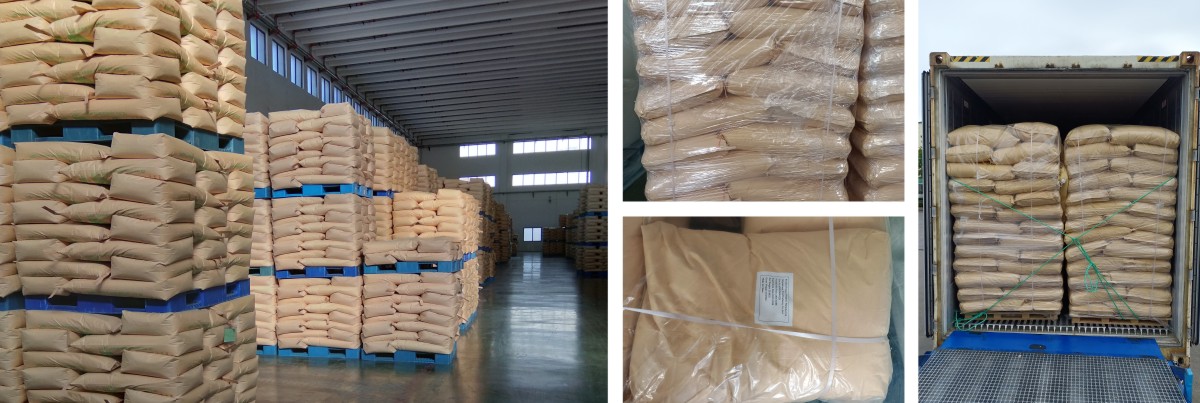
A: Standard MOQ is 500kg per grade (25kg kraft bags). Blending multiple grades from 1,000kg. Production lead time: 10–14 business days from confirmed PO. Samples (500g per grade) available within 3–5 business days. Private-label packaging from 2,000kg.
Packing
| Format | Net Weight | MOQ | Notes |
|---|---|---|---|
| Kraft paper bag (inner PE liner) | 25 kg | 500 kg | Standard B2B |
| White woven PP bag | 25 kg | 500 kg | Export |
| Fiber drum | 25 kg | 500 kg | Humid climates |
| Private-label retail | 500g / 1kg / 5kg | 2,000 kg | Amazon / retail |
Storage Conditions: ≤24°C, RH ≤55%, away from direct sunlight. Shelf life: 24 months. After opening: reseal immediately; use within 2 months. Protect from strong odors.