Table of Contents
What is Buckwheat Flour?
Buckwheat Flour occupies a distinctive position in the gluten-free grain flour category because it is not a nutritional compromise — it is a functional upgrade. Most gluten-free flours (rice flour, cassava flour, tapioca starch) are refined starches with little inherent nutritional value, requiring fortification to approach the protein and micronutrient density that wheat flour provides. Buckwheat flour is the exception: it delivers complete plant protein with all nine essential amino acids, and a uniquely concentrated phytonutrient profile centred on rutin, and D-chiro-inositol,.
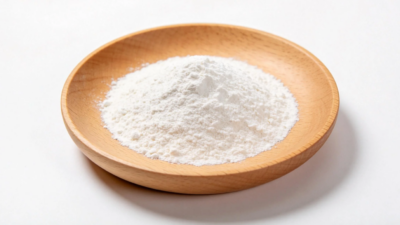
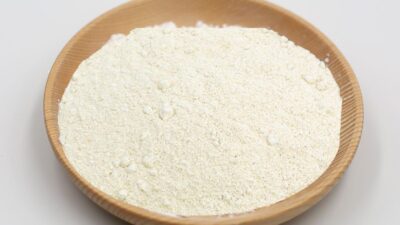
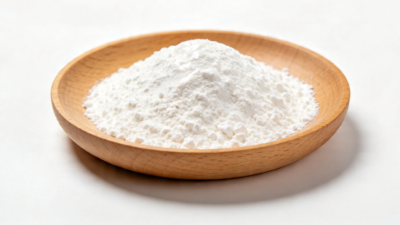
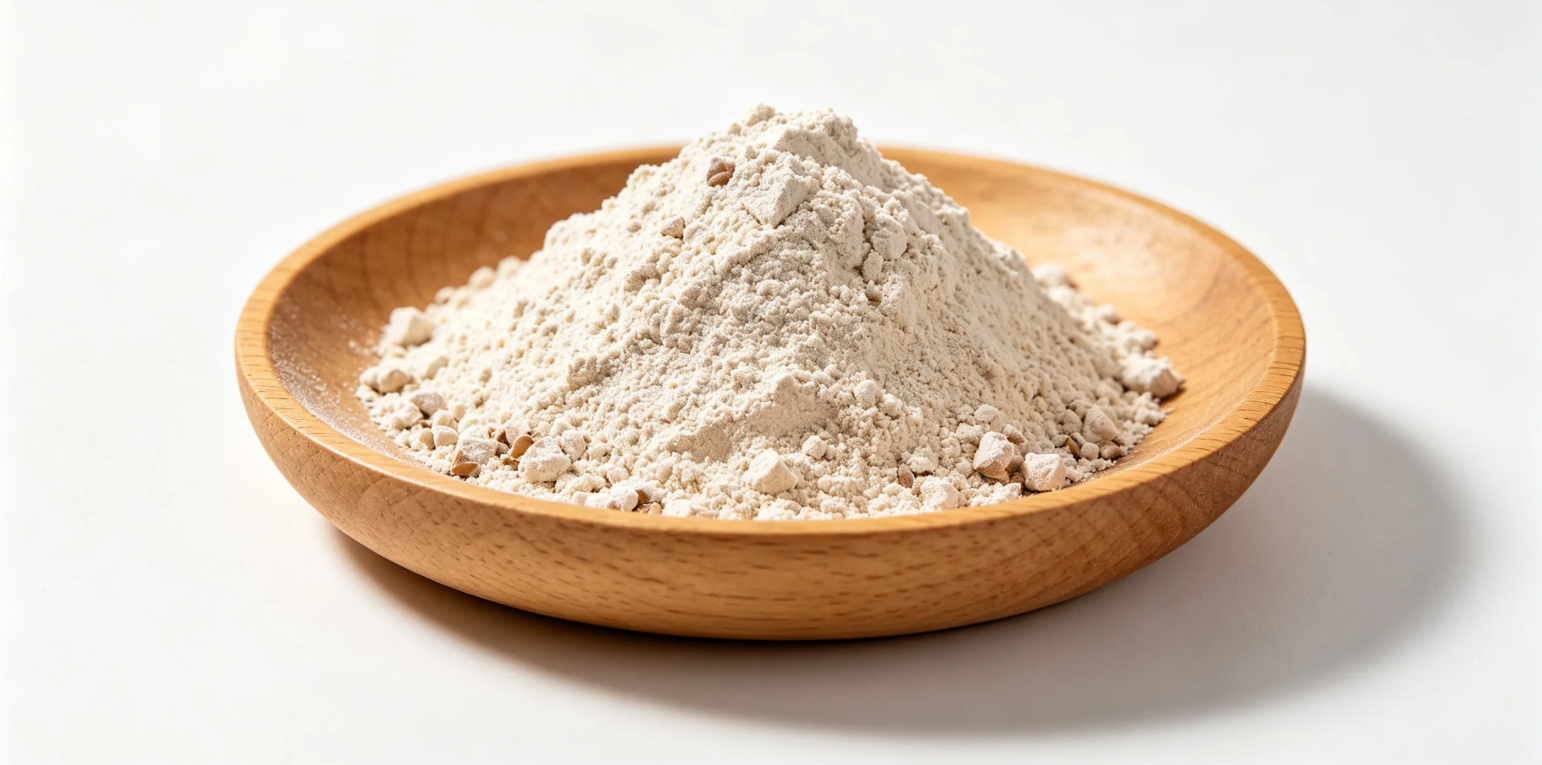
ORGANICWAY’s Buckwheat Flour is sourced from Fagopyrum esculentum farms and processed through a clean sequence: careful harvesting at peak ripeness, thorough cleaning and optical colour sorting to remove off-grade kernels and foreign matter, fine milling to 80 mesh, and comprehensive quality control covering gluten absence, purity, moisture, heavy metals, mycotoxins, and full microbiology. The result is a pale grey powder with the authentic earthy, slightly nutty flavour profile that is a functional asset in savoury applications and an increasingly accepted characteristic in health-positioned sweet products. The 80-mesh grind provides a texture that is sufficiently fine for pancakes, noodles, and pasta without the coarseness that causes structural failure in delicate baked goods.
As a gluten-free flour, buckwheat flour serves two distinct market functions. In retail formulation, it addresses the growing consumer segment managing coeliac disease, non-coeliac gluten sensitivity, or elective wheat-free dietary preferences — a market segment that explicitly requires assured segregation and certified absence of gluten cross-contamination rather than mere natural gluten absence. In nutraceutical and functional food applications, it serves as a nutrient-dense base ingredient valued not primarily for what it lacks (gluten) but for what it contains: its rutin, D-chiro-inositol, and complete protein content position it in metabolic health, cardiovascular support, and blood sugar management product categories. These two positioning tracks — dietary compliance and functional nutrition — are synergistic rather than competing, enabling buckwheat flour to command premium placement across both health food retail and B2B ingredient channels.
PHYSICAL & CHEMICAL SPECIFICATIONS
Product Specifications
| Parameter | Value |
|---|---|
| Product Name | Buckwheat Flour |
| Botanical Source | Fagopyrum esculentum |
| Origin | China |
| Appearance | Pale grey flour; natural buckwheat flavour; free from rancid, musty, and sour notes |
| Mesh Size | 80 mesh |
| Purity | ≥99.9% |
| Moisture | ≤15% |
| Heavy Metals — Lead (Pb) | <0.2 ppm |
| Heavy Metals — Chromium (Cr) | <0.1 ppm |
| Packaging | 25 kg multi-layer kraft paper bags; 1,000 kg tote bags |
| Shelf Life | 12 months |
Mycotoxin Limits
| Test | Specification |
|---|---|
| Aflatoxin B1 | <2 ppb |
| Aflatoxin B1+B2+G1+G2 (total) | <4 ppb |
| Ochratoxin A | <5 ppb |
Application Matrix
| Application | Suitability | Notes |
|---|---|---|
| Gluten-free pancakes and waffles | Excellent | 50–100% substitution; signature earthy flavour |
| Gluten-free pasta and soba noodles | Excellent | Traditional application; 40–80% blend with rice flour |
| Gluten-free bread and rolls | Good | Best combined with psyllium husk or flaxseed gel for structure |
| Gluten-free pie crusts and cookies | Excellent | Nutty flavour complements chocolate, honey, and spices |
| Savoury pancakes (galettes bretonnes) | Excellent | Classic French crêpe application; 100% buckwheat |
| Smoothies and protein shakes | Good | 1–2 tbsp adds protein and fibre without heavy texture |
| Energy bars and granola | Good | Mix with oat-free base; binding and nutritional density |
| Porridge and hot cereal | Excellent | Cook 1:3 with water; creamy earthen texture |
| Nutraceutical capsules and blends | Good | D-chiro-inositol and rutin delivery vehicle |
MICROBIOLOGICAL & CONTAMINANT STANDARDS
| Test | Specification |
|---|---|
| Total Plate Count | <10,000 cfu/g |
| Yeast & Mould | <3,000 cfu/g |
| Coliforms | <1,000 cfu/g |
| E. coli | <10 cfu/g |
| Bacillus cereus | <10 cfu/g |
| Salmonella | Negative / 25 g |
| Lead (Pb) | <0.2 ppm |
| Chromium (Cr) | <0.1 ppm |
| Gluten | <20 ppm (naturally gluten-free; segregated processing) |
Processing includes colour sorting and metal detection. Free from stones, metal, glass, and other foreign matter. Meets human food commodity quality standards and CIQ regulations. Full CofA available with every shipment.
CERTIFICATIONS
| Certification | Status |
|---|---|
| Non-GMO | Yes |
| Vegan | Yes |
| Gluten-Free | Yes |
APPLICATIONS & FORMULATION TIPS
Key Functional Benefits
Buckwheat Flour’s three most significant functional advantages are complete plant protein, a differentiated phytonutrient profile (rutin and D-chiro-inositol), and genuine gluten-free integrity with documented segregated processing. The protein advantage is most relevant for functional food and sports nutrition positioning: buckwheat’s amino acid profile is more complete than rice or cassava, allowing formulators to make plant protein contribution claims without soy, tree nuts, or legumes — a meaningful point of difference for multi-allergen-free product development. The rutin content (among the highest of any grain or pseudo-cereal). The gluten-free certification addresses not merely natural absence of gluten but the segregation and testing discipline necessary for products that must declare certified gluten-free status for coeliac consumers.
Formulation Guidance
Buckwheat flour’s moderate water absorption capacity (higher than rice flour, lower than whole wheat) means hydration levels in gluten-free batters and doughs should be adjusted upward from wheat-flour baselines by approximately 5–10%. The 80-mesh grind is fine enough for most applications but benefits from pre-sifting in delicate baked goods to ensure even distribution. In gluten-free bread applications, buckwheat flour should represent 20–40% of the total flour blend; exceeding 40–50% without a binder (psyllium husk, xanthan gum, or flaxseed gel) typically produces crumb that is too dense due to the absence of gluten network formation. For soba-style noodles, traditional ratios are 40–60% buckwheat combined with rice starch or potato starch; higher buckwheat proportions yield more flavour and nutrition but require more careful extrusion or rolling technique. Buckwheat flour darkens and intensifies in flavour during baking; this is a desirable characteristic in pancakes and galettes but should be balanced in neutral-flavoured applications by limiting inclusion to 10–20%.
FAQ
Q: Is buckwheat flour truly gluten-free, and is it safe for coeliac patients?
A: Yes. Buckwheat (Fagopyrum esculentum) is a flowering plant belonging to the Polygonaceae family — it is botanically unrelated to wheat, rye, barley, or any gluten-containing grass. It does not naturally contain gliadin or glutenin proteins and therefore does not contain gluten. ORGANICWAY’s Buckwheat Flour is processed in dedicated facilities with full segregation from gluten-containing grains, tested to below 20 ppm gluten per batch, and certified gluten-free. This three-layer assurance — botanical absence, physical segregation, and analytical verification — makes it suitable for coeliac consumers in regulated markets including the EU and USA where gluten-free labelling carries legal limits.
Q: What are rutin and D-chiro-inositol, and why do they matter in buckwheat flour?
A: Rutin is a flavonoid glycoside found at exceptional concentrations in buckwheat — among the highest of any commonly consumed grain or pseudo-cereal. D-chiro-inositol (DCI) is a cyclitol present in buckwheat. For functional food and nutraceutical formulators, these compounds broaden the nutritional positioning of buckwheat beyond the standard “high in protein” and “rich in fibre” claims available to most grain flours.
Q: How should buckwheat flour be incorporated into gluten-free bread formulations?
A: The primary challenge in gluten-free bread is replicating the structural role of gluten, which traps fermentation gases and creates the crumb network. Buckwheat flour does not form a gluten network, so structural binders are required. Recommended approach: use buckwheat flour at 20–40% of total flour blend, combine with rice flour or millet flour for the remainder, and add psyllium husk (3–5% of total flour weight) or xanthan gum (0.5–1%) as the structural binder. Hydrate the dough slightly more than equivalent wheat-flour recipes (approximately 5–10% additional liquid). The result retains buckwheat’s nutritional and flavour contribution while achieving acceptable loaf volume and crumb structure. For denser artisan-style breads, buckwheat proportions up to 60% are workable with appropriate binder levels.
Q: Can buckwheat flour be used in high-protein or sports nutrition products?
A: Yes, and it is a strategically valuable ingredient in this context because it provides complete plant protein — containing all nine essential amino acids including lysine, which is deficient in most grain proteins — without introducing soy, dairy, or tree nut allergens. The protein content of buckwheat flour (typically 10–15% depending on variety and milling) is not high enough to serve as a standalone protein source in protein-concentrated products, but it functions well as a nutrient-dense base in protein bars, meal replacement powders, and functional porridges where the overall nutritional profile — protein, fibre, D-chiro-inositol, rutin, and magnesium — creates a more substantiated nutritional positioning than a single-nutrient protein concentrate can achieve.
Q: What is the recommended storage method and shelf life after opening?
A: Sealed in original 25 kg multi-layer kraft paper bags under cool, dry conditions (below 25°C, away from direct sunlight and strong odours), Buckwheat Flour has a shelf life of 12 months. The grain’s natural oils, which contribute to its flavour complexity, are also the primary oxidation risk: once packaging is opened, the flour should be transferred to an airtight container and stored in a cool, dark location. Under these conditions, opened flour retains quality for approximately 3–6 months. Refrigeration or freezing extends shelf life further and is recommended in warm, humid climates.
Q: What is the minimum order quantity and lead time?
A: A 1 kg free sample with full CofA is available for qualifying buyers via FEDEX, UPS, or EMS. Commercial orders start at 25 kg (packaged in 25 kg multi-layer kraft paper bags, 40 bags per pallet) with bulk options in 1,000 kg tote bags. Private label orders require 100 kg minimum. Lead time: 10–20 working days from order confirmation. Shipping from Qingdao or Tianjin; FOB, DAP, and DDP terms available. Accepted payment methods: T/T, L/C, D/P, D/A, MoneyGram, Western Union, Credit Card.
PACKAGING & STORAGE
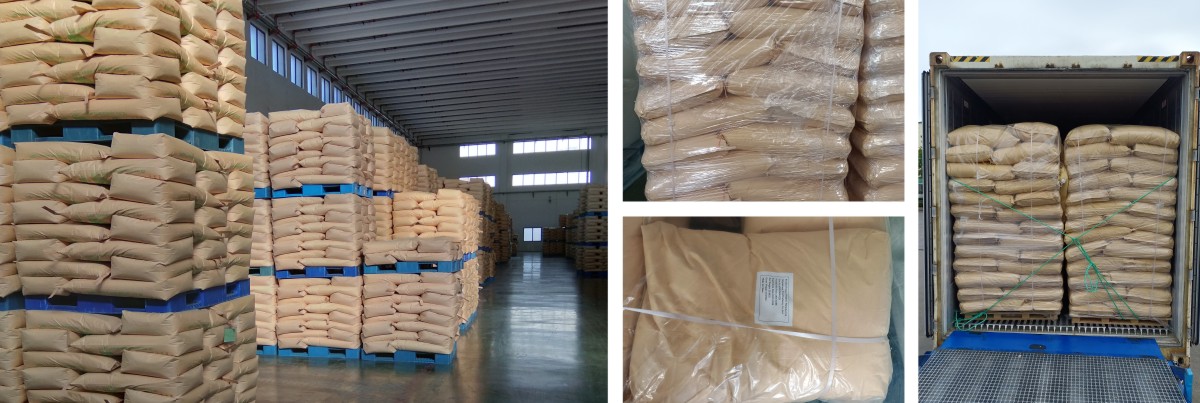
Packaging
| Format | Standard Packaging | Custom Options |
|---|---|---|
| Buckwheat Flour | 25 kg multi-layer kraft paper bags; 40 bags/pallet | 1,000 kg bulk tote bags; 5 / 10 / 20 kg bags; branded packaging for private label |
Storage Conditions
| Parameter | Value |
|---|---|
| Temperature | ≤25°C (cool, dry) |
| Humidity | Low RH; avoid humid environments due to grain oil oxidation risk |
| Light | Away from direct sunlight; original packaging or airtight container |
| Odour | Keep away from strong odours |
| Shelf Life (sealed) | 12 months |
| Opened Packaging | Transfer to airtight container; use within 3–6 months; refrigeration recommended in warm/humid climates |