Table of Contents
As global demand for clean label, low-sugar, and fiber-enriched products continues to rise, food and beverage manufacturers are re-evaluating their ingredient strategies. One functional fiber that has gained significant traction across multiple categories is organic resistant dextrin.
Unlike traditional dietary fibers that often compromise taste, texture, or processing stability, organic resistant dextrin offers a rare combination of functional performance, nutritional value, and formulation flexibility. This makes it increasingly attractive for brands targeting health-conscious consumers without sacrificing sensory quality.
What Makes Organic Resistant Dextrin Different from Conventional Fibers?
Organic resistant dextrin is produced through controlled hydrolysis and enzymatic conversion of organic starch sources. The result is a low-viscosity, highly soluble dietary fiber that resists digestion in the small intestine and functions as fermentable fiber in the gut.
Key differentiators include:
- Neutral taste and odor
- Excellent solubility in cold and hot systems
- Very low impact on viscosity
- High digestive tolerance compared with some other fibers
- Compatibility with organic and clean label requirements
These properties allow formulators to increase fiber content without reformulating entire product systems.
Supporting Digestive Health Without Compromising Product Quality
Digestive health remains one of the most influential drivers behind fiber fortification. Organic resistant dextrin functions as a prebiotic dietary fiber, selectively supporting beneficial gut microbiota.
From a formulation perspective, this benefit comes without the common challenges associated with insoluble fibers, such as graininess, sedimentation, or excessive thickness. As a result, manufacturers can make on-pack fiber claims while maintaining a smooth mouthfeel and consistent texture.
A Strategic Ingredient for Sugar Reduction and Calorie Control
As sugar reduction becomes a regulatory and marketing priority, organic resistant dextrin is frequently used to replace part of the digestible carbohydrates in formulations.
Its physiological properties allow it to:
- Lower net carbohydrate impact
- Reduce caloric contribution compared to traditional carbohydrates
- Improve nutritional profiles without artificial sweeteners
This makes it particularly suitable for products positioned as reduced sugar, low glycemic, or better-for-you alternatives.
Broad Application Potential Across Food and Beverage Categories
One of the strongest advantages of organic resistant dextrin is its versatility. It performs well across a wide range of applications, including:
- Functional beverages and fiber drinks
- Nutrition bars and protein snacks
- Dairy alternatives and yogurt-style products
- Bakery items and premixes
- Nutritional powders and meal replacements
Because it remains stable under heat, shear, and a wide pH range, it integrates smoothly into both liquid and solid formulations.
Clean Label and Organic Compliance as a Competitive Advantage
For brands operating in organic or natural markets, ingredient transparency is no longer optional. Organic resistant dextrin aligns well with:
- Organic certification standards
- Clean label positioning
- Non-GMO and plant-based product strategies
This allows manufacturers to meet regulatory requirements while strengthening consumer trust and brand credibility.
Why More B2B Buyers Are Switching to Organic Resistant Dextrin
From a procurement standpoint, organic resistant dextrin offers a strong balance between cost efficiency, functional reliability, and market acceptance. Compared with some specialty fibers, it delivers consistent performance without requiring complex formulation adjustments.
For ingredient buyers, this means:
- Reduced formulation risk
- Easier scale-up and production consistency
- Strong alignment with current health and labeling trends
Conclusion: A Future-Proof Fiber Ingredient for Innovative Brands
As consumer expectations continue to evolve, organic resistant dextrin is proving to be more than just another fiber source. Its combination of clean label compatibility, digestive health support, and formulation flexibility positions it as a future-proof ingredient for brands focused on long-term growth.
For manufacturers seeking to enhance fiber content, reduce sugar impact, and maintain excellent sensory quality, organic resistant dextrin has become a strategic choice worth serious consideration.
Related Products
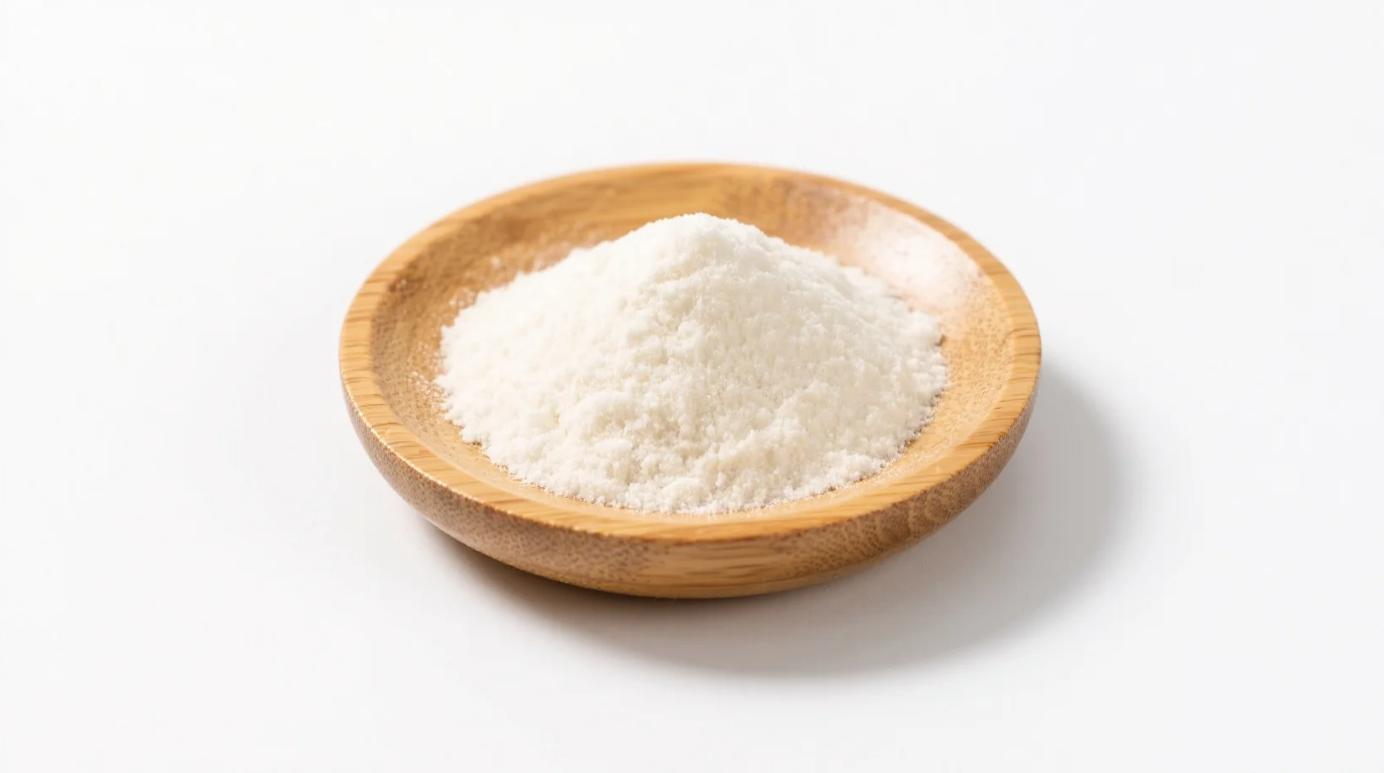
Organic Resistant Dextrin
Aliases:Resistant Dextrin Fiber, Corn Fiber Resistant Dextrin, Soluble Corn Fiber Packaging Options: Bulk quantities, customizable options available.