
Table of Contents
For centuries, Japanese tea ceremonies have celebrated matcha as a symbol of harmony and vitality, a ritualistic preparation in which the vivid green powder is whisked with quiet care and shared as an expression of respect, presence, and mindfulness. Today, organic matcha powder transcends tradition, becoming a global superfood lauded for its vibrant color, rich flavor, and unparalleled health benefits. From boutique cafés in Melbourne to functional-beverage labs in Los Angeles, the surge in demand for clean-label, plant-based ingredients has propelled matcha from a cultural curiosity into a mainstream nutritional staple. For product formulators, private-label brands, and wellness manufacturers, understanding the sourcing, composition, and functional advantages of organic matcha is no longer optional—it is a competitive imperative in a market that increasingly rewards transparency and traceability. But what exactly is matcha, and why is it a must-have for modern wellness? Let’s steep into the details and explore what makes this remarkable ingredient worthy of a permanent place in your formulations, your product line, and your daily routine.
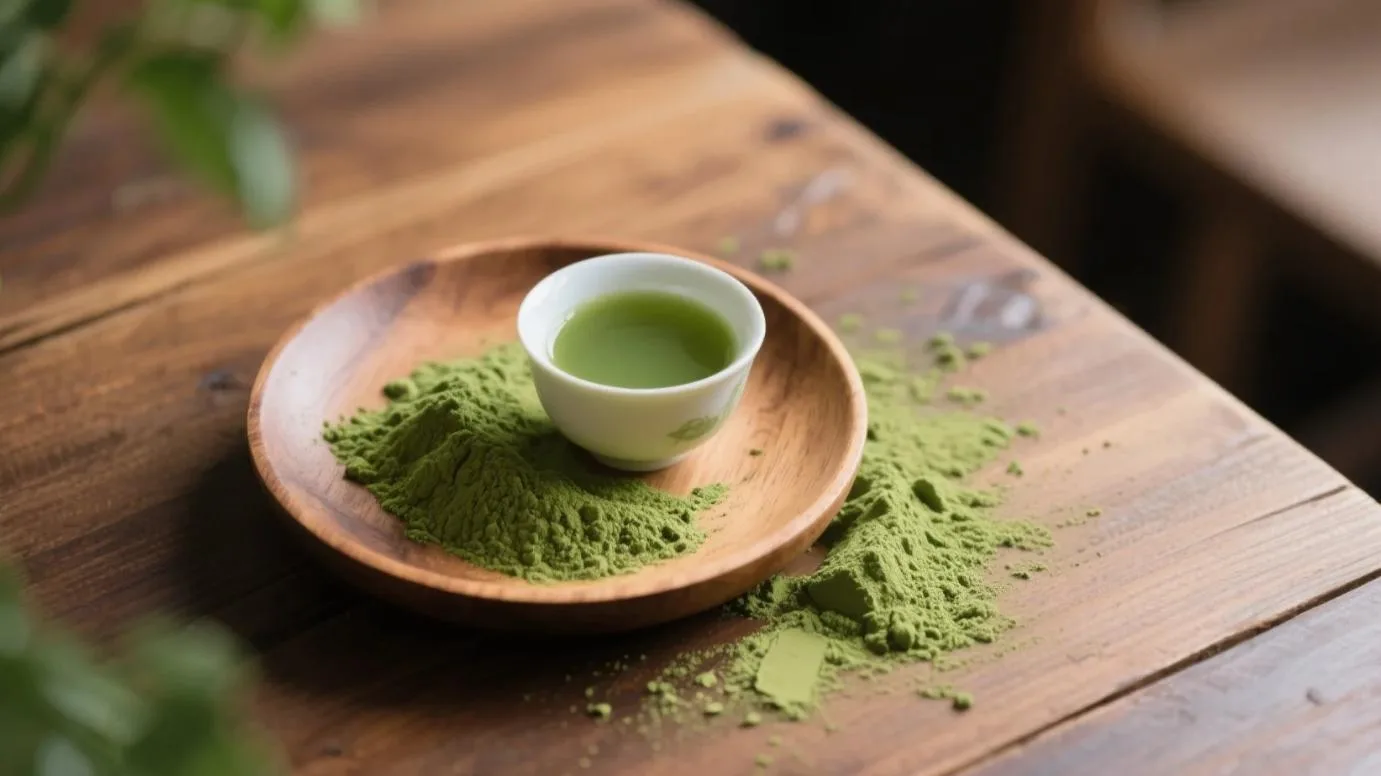
What Is Matcha?
Matcha is a finely ground powder made from shade-grown green tea leaves (Camellia sinensis). Unlike regular green tea, where leaves are steeped and discarded, matcha involves consuming the entire leaf, offering a concentrated dose of nutrients. This distinction is the single most important thing to understand about the ingredient, because it changes the nutritional math entirely: when you drink conventionally brewed green tea, you extract only a fraction of the leaf’s water-soluble compounds into the cup, and the spent leaves are thrown away. With matcha, the whole leaf is milled into a microscopic powder and ingested, which means you receive the full spectrum of catechins, chlorophyll, amino acids, and dietary fiber that the plant spent an entire growing season accumulating. The result is an ingredient that is at once centuries old and strikingly aligned with contemporary consumer demands for nutrient density, minimal processing, and provenance you can verify. For manufacturers, this also means a single gram of matcha delivers far more functional value than an equivalent gram of loose-leaf tea—an important consideration when calculating dosage, cost-in-use, and the substantiation behind label claims. In short, matcha is not merely “green tea in powder form”; it is a distinct, whole-leaf ingredient with its own agronomy, supply chain, and sensory signature.
Before exploring the benefits in depth, it helps to understand what physically and chemically sets a premium organic grade apart from commodity powders on the shelf. Key Features of Organic Matcha Powder:
- Shade-Grown: Leaves are covered for 20–30 days before harvest, boosting chlorophyll and L-theanine. This traditional shading is achieved by erecting a canopy of reed, straw, or shade cloth—called a tana—over the tea bushes roughly three weeks prior to plucking. The reduced light stimulates the plant to produce more chlorophyll (intensifying the signature jade color) and to redirect nitrogen into the amino acid L-theanine, which is responsible for matcha’s characteristic umami sweetness and its calming effect. The same stress response also elevates the leaf’s concentration of caffeine-binding compounds, yielding a smoother, more sustained energy experience than coffee.
- Stone-Ground: Slow grinding preserves antioxidants and creates a silky texture. After harvest and steam-fixation, the tencha leaf is de-veined and de-stemmed, then milled between paired granite wheels turning at a deliberately low speed. The slow rotation keeps the grinding temperature low, preventing heat from degrading delicate catechins and volatile aromatics. The resulting particle size—often around 10 microns or finer—is what gives ceremonial-grade matcha its velvety, suspended mouthfeel rather than a gritty, sandy one. Faster, industrial roller mills may be cheaper, but they generate friction heat that dulls both color and bioactivity.
- Organic Certification: Free from synthetic pesticides, fertilizers, and heavy metals. Certified organic matcha is cultivated under rigorous standards—such as USDA Organic or EU Organic—that prohibit synthetic agrochemicals and require documented soil-management practices. Beyond the farm, reputable suppliers layer on third-party heavy-metal and microbial testing, so the finished powder meets the purity thresholds that brands need for global distribution. For a B2B ingredient, that paper trail of certificates and batch-level lab results is every bit as valuable as the powder itself.
7 Science-Backed Benefits of Organic Matcha
- Antioxidant Powerhouse
Matcha contains 137x more antioxidants (EGCG) than regular green tea, fighting free radicals and reducing chronic disease risk. The headline compound here is epigallocatechin gallate (EGCG), a catechin whose density in matcha is dramatically higher because you consume the entire leaf rather than an infusion. Antioxidants neutralize reactive oxygen species that, left unchecked, contribute to cellular aging and a range of metabolic disorders. For brands formulating “antioxidant-rich” or “functional wellness” SKUs, matcha offers a naturally occuring, recognizable claim ingredient that consumers already trust—no synthetic additives required. - Calm Energy Boost
The unique combo of caffeine (35mg per tsp) and L-theanine promotes alertness without jitters, enhancing focus and productivity. L-theanine moderates the absorption and perception of caffeine, smoothing the typical spike-and-crash curve associated with coffee. The outcome is what researchers sometimes describe as “relaxed alertness”—a state of sustained concentration that is especially prized by knowledge workers, students, and anyone sensitive to coffee’s anxious edge. A single teaspoon delivers a measured, repeatable dose that is easy to standardize across beverage and supplement formats. - Heart Health Support
Lowers LDL cholesterol and triglycerides while improving blood flow, thanks to catechins and polyphenols. Regular consumption of green-tea catechins has been linked in observational and clinical literature to improvements in lipid profiles and endothelial function. By supporting healthy blood vessels and circulation, matcha complements a heart-conscious lifestyle and gives formulators a credible functional story for cardiovascular-positioned products. As always, these benefits are best framed as part of a balanced diet rather than as a treatment for any condition. - Metabolic Ignition
Studies show matcha can increase fat oxidation by 17%, aiding weight management when paired with exercise. The thermogenic effect is attributed to the synergy between caffeine and catechins, which appear to nudge the body toward using fat as fuel during moderate activity. For active-nutrition and “metabolism-support” product lines, matcha is a clean, plant-derived option that pairs well with protein systems, greens blends, and pre-workout formulations. The key phrase for labeling is “when paired with exercise”—the ingredient supports, rather than replaces, an active routine. - Detoxification
Chlorophyll in matcha binds to heavy metals and toxins, supporting liver health. The deep green pigment that gives matcha its color is chlorophyll, a compound studied for its ability to bind certain environmental toxins and support the body’s natural detoxification pathways. While no single food “detoxes” the body on its own, the chlorophyll load in a whole-leaf powder is meaningfully higher than in brewed tea, making matcha a sensible component of a clean-eating or reset-oriented regimen. Its liver-supporting narrative also resonates strongly with the detox and wellness-shot categories. - Glowing Skin
Antioxidants reduce UV damage and inflammation, combating acne and wrinkles. The same EGCG and polyphenols that protect internal cells also help shield skin from oxidative stress triggered by UV exposure and pollution. Emerging research points to matcha’s anti-inflammatory action as a contributor to calmer, clearer, more resilient skin. This has made matcha a favorite inclusion in beauty-from-within formats—collagen blends, glowing-skin elixirs, and functional waters—where the internal benefit maps cleanly onto an external, visible claim. - Immune Defense
High in vitamin C, zinc, and selenium, it strengthens natural immunity. These micronutrients play well-established roles in supporting immune cell function and antioxidant defense. Although matcha is not a substitute for a varied diet or medical care, its nutrient density makes it a useful daily contributor to overall resilience, particularly during seasonal challenges. For immune-positioned SKUs, matcha pairs naturally with vitamin D, elderberry, and adaptogen blends to round out a holistic formulation.
Organic Matcha vs. Regular Matcha: Why Quality Matters
| Factor | Organic Matcha Powder | Non-Organic Matcha |
|---|---|---|
| Pesticide Exposure | Zero synthetic chemicals | Risk of residues like acetamiprid |
| Taste | Sweeter, umami-rich, no bitterness | Often grassy or astringent |
| Nutrition | Higher chlorophyll & L-theanine | Lower due to sun exposure and farming |
| Environmental Impact | Sustainably farmed, soil-friendly | May involve chemical runoff |
How to Use Organic Matcha Powder
- Classic Matcha Latte: Whisk 1 tsp with hot water, then add steamed oat milk. For a café-quality result, sift the powder first to remove any clumps, add roughly 60–80ml of 80°C water, and whisk in a quick “W” or “M” motion with a bamboo chasen until a fine crema forms. The oat milk (or any plant-based alternative) softens the vegetal notes and creates the creamy, comforting drink that has become the gateway product for countless matcha newcomers and a reliable hero SKU for brands.
- Smoothie Booster: Blend into acai bowls or green smoothies. Because matcha disperses so well in cold liquids when pre-whisked, it is an effortless upgrade for smoothie bars and bottled functional beverages alike. A half to one teaspoon per serving lends color, antioxidant heft, and a gentle energy lift without overpowering fruit or greens—ideal for breakfast and post-workout formats where clean energy is the selling point.
- Baking Secret: Replace vanilla in cookies or cakes for earthy sweetness. Matcha’s umami depth pairs surprisingly well with butter, white chocolate, and citrus, making it a favorite among pastry chefs building premium, Instagram-ready desserts. In baked goods the color survives heat better than many natural colorants, giving manufacturers a clean-label green that also carries a functional story rather than mere decoration.
- Savory Twist: Mix into salad dressings or sprinkle on popcorn. The savory, almost brothy character of high-grade matcha shines in unexpected places—a pinch emulsified into a sesame-soy dressing, dusted over roasted nuts, or folded into a seasoning blend for snacks. For savory R&D teams, this versatility opens doors well beyond the beverage aisle and helps justify matcha as a true culinary ingredient, not just a drink mix.
Who Should Drink Matcha?
- Busy Professionals: For sustained mental clarity. The L-theanine–caffeine pairing delivers focus without the jittery crash, making matcha a logical alternative to the third coffee of the day. Knowledge workers, founders, and creatives increasingly keep a tin at their desk for the mid-afternoon slump, valuing the calm, steady concentration it supports through long meetings and deep-work sessions.
- Fitness Enthusiasts: To enhance endurance and recovery. With its fat-oxidation support and gentle stimulant profile, matcha fits neatly into pre-workout routines and recovery shakes. Unlike heavier pre-workout formulas loaded with synthetic stimulants, it offers a clean, recognizable ingredient that athletes feel comfortable putting into their bodies day after day.
- Mindfulness Seekers: To cultivate calm through ritual. The preparation itself—sifting, whisking, watching the powder bloom into a bright green bowl—is a small, grounding ceremony that invites presence. For wellness brands, this ritual dimension is a powerful differentiator, transforming a simple ingredient into a daily moment of intention rather than just another supplement to swallow.
- Health-Conscious Families: As a nutrient-packed alternative to sugary drinks. Swapping a soda or energy drink for a lightly sweetened matcha latte introduces antioxidants and amino acids in place of empty calories and artificial additives. Parents appreciate that a single, recognizable ingredient can replace several processed options in the household fridge, simplifying both labels and grocery lists.
Why Choose Organic?
Conventional tea crops are often sprayed with neonicotinoids, linked to bee decline and health risks. Beyond the well-documented impact on pollinators, routine synthetic pesticide use raises residue concerns that matter for both regulatory compliance and brand reputation in export markets. Choosing certified organic is therefore not only an environmental stance but a risk-management decision for any company that cares about defensible label claims and supply-chain resilience. Certified organic matcha ensures:
√ No toxic pesticides or GMOs
√ Richer flavor and nutrient profile
√ Ethical farming practices (fair labor, biodiversity protection)
Ready to Sip Your Way to Wellness?
Embrace the ancient wisdom of matcha with our organic matcha powder—lab-tested for purity and stone-ground to perfection. Whether you’re frothing, baking, or blending, every vibrant scoop delivers nature’s best, one mindful sip at a time. Our supply program is built for manufacturers and brands: consistent grading, transparent certificates of analysis, and flexible pack sizes that scale from pilot batches to full production runs. Partnering with a traceable organic source means your customers get a product they can trust and your team gets the documentation modern retail buyers demand.
Whisk, blend, or bake your way to a healthier you—naturally! However you choose to use it, the most important step is simply beginning: start with one teaspoon a day, notice how your body responds, and let the ritual become part of your routine. The versatility of this single ingredient means there is always a new format to explore, a new recipe to perfect, and a new customer to delight with a genuinely clean, functional product.
Choose organic matcha—where tradition meets transformation, and every cup nourishes body and soul. In a marketplace crowded with fleeting wellness trends, matcha endures because it is both heritage and innovation at once: a centuries-old leaf, refined by modern organic agriculture into an ingredient that meets the highest expectations of today’s conscious consumer. That is the quiet power of organic matcha, and it is yours to share.
Recommended Products

Organic Matcha Powder
Organic Matcha Powder—sourced from certified organic tea gardens in China—available in two grades.


