
Table of Contents
Reishi, with its distinctive umbrella-shaped appearance and glossy, lacquered cap, is a basidiomycete fungus belonging to the family Polyporaceae and the genus Ganoderma, most famously represented by Ganoderma lucidum. Known across East Asia for more than two thousand years, this remarkable polypore has occupied a unique position in both traditional medicine and the modern natural-products supply chain. In classical botanical and pharmacological literature, the term Ganoderma lucidum refers specifically to the fruiting body of the fungus, a definition that has remained consistent from ancient texts through to contemporary monographs. Historical materia medica list it among the superior tonics, described as a principal nourishment provided by nature that is non-toxic even when taken over long periods, a quality that earned it the enduring reputation of immortal grass or mushroom of immortality in Chinese herbal tradition. For B2B buyers sourcing organic botanical ingredients, this long safety record and cultural prestige make Reishi one of the most recognizable and marketable functional mushrooms available today. Its deep red-brown, kidney- or fan-shaped cap, supported by a short lateral stalk, is not only visually iconic but also the origin of the bioactive compounds that drive demand across dietary supplement, beverage, and cosmetic applications. When cultivated under certified organic conditions on wood-based substrate rather than synthetic media, the mushroom develops the full spectrum of naturally occurring actives that discerning formulators prize.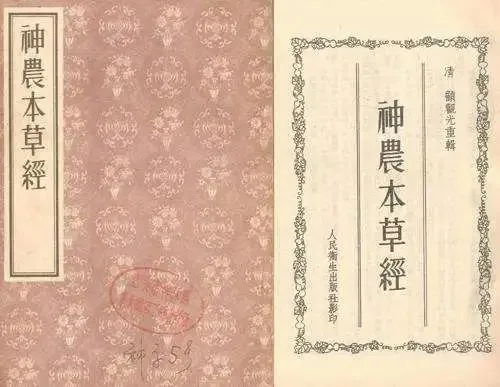
Reishi has an exceptionally wide range of applications, which is precisely why it remains a cornerstone ingredient for formulators working in the nutraceutical and functional-food sectors. Viewed from the dialectical perspective of traditional Chinese medicine, Reishi is understood to enter and tonify the five internal organs, simultaneously replenishing the qi of the entire body rather than targeting a single isolated system. This systemic orientation means that practitioners and modern product developers alike regard it as suitable supportive nutrition whenever the heart, lungs, liver, spleen, and kidneys present signs of deficiency or imbalance. The breadth of its traditional use is striking: the conditions it has been applied to touch nearly every physiological system, including the respiratory, circulatory, digestive, nervous, endocrine, and musculoskeletal systems. In historical practice its relevance spanned internal medicine, external conditions, gynecology, pediatrics, and disorders of the five sense organs, an unusually comprehensive scope for a single botanical. For contemporary B2B customers, this translates into real formulation flexibility. The same standardized extract or powder can anchor a sleep-support formula, a cardiovascular tonic, an immune-modulating blend, or a stress-relief beverage, reducing the need to manage a large portfolio of single-purpose raw materials. That versatility, combined with a clean safety profile built up over centuries of recorded use, explains why organic Reishi consistently ranks among the most requested mushroom ingredients in international procurement, and why it pairs so well with complementary botanicals in multi-ingredient finished goods.
What is Reishi fruiting body?
Reishi fruit body is the general term used to describe the entire above-ground structure of the Ganoderma lucidum organism, the part that is harvested, dried, and processed into commercial raw material. When people speak casually of Ganoderma lucidum, they are almost always referring to this fruiting body rather than the hidden mycelial network that grows within the substrate. Morphologically, the fruiting body is divided into two principal parts: the broad, glossy cap and the narrower stalk, or stipe, that supports it. Depending on the intended use, the dried material can be milled into a fine powder, cut into thin slices, or further extracted; in household and traditional settings it is most often prepared by decocting in water, simmering in soup, or infusing in wine. From a phytochemical standpoint, the cap is by far the more valuable section. Reishi caps concentrate very rich levels of Ganoderma lucidum polysaccharides, triterpenoid ganoderic acids, and a spectrum of other biologically active constituents such as sterols and peptides. The stalk, by contrast, contains only trace amounts of these effective active ingredients and is largely composed of indigestible lignocellulose. Under normal circumstances, the stalk is not recommended for consumption, and reputable manufacturers routinely discard it during the production of Reishi series products to protect both potency and sensory quality. Unless a buyer has a specific reason to accept stalk material, it is sound sourcing practice to insist on stalk-free, cap-dominant raw material, since including the stalk only dilutes the active-compound load without contributing meaningful benefit. Quality specifications for fruiting-body material should therefore reference cap content, moisture limits, and heavy-metal and microbial thresholds appropriate for food-grade botanical supply.
What is Reishi extract?
Reishi extract is a concentrated, high-content substance obtained from the Ganoderma lucidum fruiting body through a sequence of water and alcohol extraction steps designed to pull the target actives out of the crude material. By isolating the soluble polysaccharides and triterpenoids away from the insoluble fiber, the extract delivers a dramatically higher potency per gram than raw powder, which is why it is the preferred form for capsule, tablet, and liquid supplement production. Formulators should note two practical characteristics. First, the extract is naturally bitter, a direct reflection of its triterpenoid content, and this bitterness needs to be managed through flavoring or encapsulation. Second, the active compounds are readily oxidized and can deteriorate if exposed to heat, light, or air, so storage conditions must be strict: low temperature, low humidity, sealed packaging, and protection from direct sunlight are essential to preserve shelf life. The pharmacology of the two extract fractions is well documented. The polysaccharides and polypeptides present in the water extract demonstrate immunomodulatory activity, support during radiotherapy and chemotherapy, sedation, analgesia, cardiotonic effects, protection against myocardial ischemia, blood-pressure moderation, blood-sugar balance, blood-lipid regulation, and improved tolerance to hypoxia, together with antioxidant, free-radical-scavenging, and anti-aging actions. The alcohol extract and its triterpenoids contribute complementary benefits: liver protection, anti-tumor support, analgesia, and antioxidant free-radical scavenging comparable to the water-soluble fraction, alongside inhibition of histamine release, modulation of angiotensin-converting enzyme activity, suppression of cholesterol synthesis, and reduction of platelet aggregation. For B2B customers, this dual-spectrum profile makes standardized Reishi extract a powerful anchor ingredient for cardiovascular, hepatic, immune, and healthy-aging product lines.
What is Ganoderma lucidum spore powder?
Ganoderma lucidum spore powder is, in botanical terms, the seed of the Reishi mushroom: a microscopic powdery germ cell that the mature cap ejects during the late stage of its growth cycle. Each individual spore measures only five to eight microns in diameter, small enough that a single gram contains millions of these tiny reproductive cells. Although minute, the spores are densely packed with the same signature actives found in the fruiting body, notably Ganoderma lucidum polysaccharides, triterpenoid ganoderic acids, and the trace element selenium, alongside a broader matrix of biologically active substances. Because the spores represent the concentrated reproductive essence of the fungus, many formulators regard them as a premium-tier raw material relative to ordinary fruiting-body powder. For the B2B market, spore powder offers an appealing combination of high perceived value and versatile application: it can be filled into capsules, blended into stick packs, or incorporated into functional beverages and beauty-from-within formats. Sourcing considerations matter here, because true spore powder must be collected at the correct maturity window and handled under hygienic, low-temperature conditions to avoid oxidation of its delicate lipids and triterpenes. Buyers should also distinguish pure spore powder from products that blend it with extracted powder, since the two differ markedly in both price and active-compound concentration. A reliable supplier will provide batch-level documentation covering identity, purity, and microbial status so that procurement teams can verify they are receiving genuine, unadulterated spore material.
Why does Ganoderma lucidum spore powder break the wall?
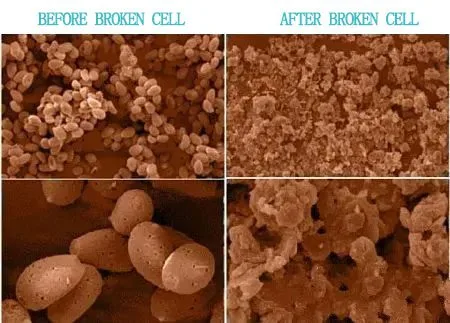 Because the surface of each Ganoderma lucidum spore is protected by a double-layered, chitinous hard shell, the valuable active ingredients sealed inside are effectively trapped, and without intervention they pass through the digestive tract largely unabsorbed. This natural armor is an evolutionary defense for the spore, but it poses a real bioavailability problem for anyone trying to capture the mushroom’s benefits from intact spore powder. To unlock the interior, the industry has developed several wall-breaking technologies, including biological enzymatic hydrolysis, chemical treatment, and various physical methods. Among these, ultra-low temperature physical wall-breaking has become the dominant commercial approach. By fracturing the shells at cryogenic temperatures, this method ruptures the cell wall without the high heat that would degrade sensitive polysaccharides and triterpenes, and without the solvent residues associated with chemical processes. The result is a broken-cell spore powder in which the bioactive contents are exposed and far more available to the body. For procurement teams, the key quality markers are the measured wall-breaking rate, typically expected to exceed ninety-five percent, and proof that the process was conducted under controlled, contaminant-free conditions. A high, verifiable breaking rate directly translates into better absorption and utilization of the spore powder’s active ingredients, which is the entire rationale for choosing broken-cell material over raw, intact spores. Independent laboratory testing of the breaking rate is the most dependable way for buyers to confirm they are paying for genuinely bioavailable product rather than ordinary untreated powder.
Is Ganoderma lucidum spore powder bitter?
Pure Ganoderma lucidum spore powder is not bitter, and fresh, properly processed pure spore powder actually carries the mild, distinctive aromatic fragrance characteristic of Ganoderma, an olfactory cue that experienced buyers use as a quick quality check. The bitter taste that many consumers associate with Reishi appears only when the spore powder has been blended with extracted material. Specifically, a compound spore powder that incorporates Ganoderma lucidum extract powder will taste bitter, because the triterpenoid-rich extract is inherently bitter. This distinction is commercially important. A customer expecting the neutral, slightly fragrant profile of pure spores may be surprised by a bitter blend, and conversely a formulator who needs a bitter-free base for a flavored beverage should specify pure spore powder rather than a compound product. Transparency in labeling therefore matters: suppliers should clearly state whether the product is pure broken-cell spore powder or a compound that includes extract, since the sensory profile, active-compound concentration, and price point all differ. For B2B clients building palatable finished goods, knowing this difference up front prevents costly reformulation and helps set accurate consumer expectations around taste and efficacy. It also supports clean, honest marketing claims, which are increasingly scrutinized by regulators and retailers in the functional-food and supplement channels.
What is the difference between Ganoderma lucidum spore powder and Reishi fruit body?
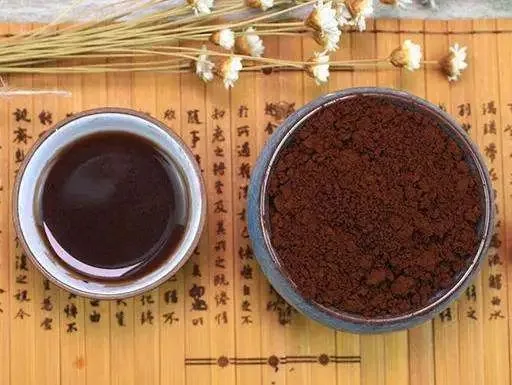 Reishi has long been described as a treasure within the vast storehouse of traditional Chinese medicine, and understanding how its two main raw-material forms compare helps buyers choose the right ingredient for each application. The fruit bodies of Reishi are themselves rich in polysaccharides, triterpenoids, proteins, and a variety of trace elements, which is why whole-fruiting-body powder and extract remain popular, cost-effective options. Broken Ganoderma lucidum spore powder, however, represents the more advanced expression of the same plant. Using modern wall-breaking technology, the spores are ruptured and then processed under aseptic, low-temperature conditions that preserve the biological activity of the Ganoderma lucidum polysaccharides, peptides, amino acids, triterpenes, and other active ingredients naturally present in the spore material. Because the spores concentrate the reproductive essence of the fungus, the resulting broken-cell powder typically shows an active-ingredient content that is substantially higher than that found in ordinary Reishi fruiting bodies. In practical terms, this means formulators can achieve a given potency with a smaller dose of spore powder, an advantage for compact capsules and low-dose functional foods. The trade-off is cost, since spore collection and wall-breaking add processing expense. A sensible sourcing strategy is to use fruiting-body extract where economy and high-dose delivery are priorities, and reserve broken-cell spore powder for premium SKUs where maximum potency per gram and a clean sensory profile command a higher price. Together, the two forms let a single supplier serve both mainstream and high-end Reishi product lines from one trusted botanical source, simplifying supplier qualification while covering a wide range of price and performance targets for the finished-goods market.


